A buyer-focused look at how wellness-led residences in Sunny Isles Beach can be assessed for long-term ownership, from design discipline and services to privacy, maintenance, liquidity, and resale clarity.
Wellness has become one of the most overused words in luxury residential real estate, yet in Sunny Isles Beach it can still carry real weight. The distinction is whether a residence treats wellness as a decorative amenity package or as an operating philosophy that supports how an owner actually lives over years, not weekends.
For a serious long-term purchase, the question is not simply whether a building has an impressive spa, a serene arrival sequence, or a beautifully photographed pool. Those elements may matter, but they are only the surface. The deeper issue is whether the residence creates a calmer, more efficient, more private, and more durable daily experience. That is where wellness becomes investment logic rather than lifestyle theater.
Sunny Isles Beach rewards this discipline because buyers are often comparing a concentrated group of high-end buildings within a narrow coastal market. Names such as Bentley Residences Sunny Isles, St. Regis® Residences Sunny Isles, and The Ritz-Carlton Residences® Sunny Isles naturally enter the conversation because the buyer is not merely choosing a unit. The buyer is choosing a long-term standard of living, service, maintenance, and resale legibility.
A wellness-led residence works best when the floor plan supports daily life before the amenity brochure begins. Quiet bedrooms, practical storage, generous circulation, usable outdoor space, and a kitchen that can function for real routines all matter. A buyer should be able to imagine an ordinary Tuesday, not only a holiday weekend.
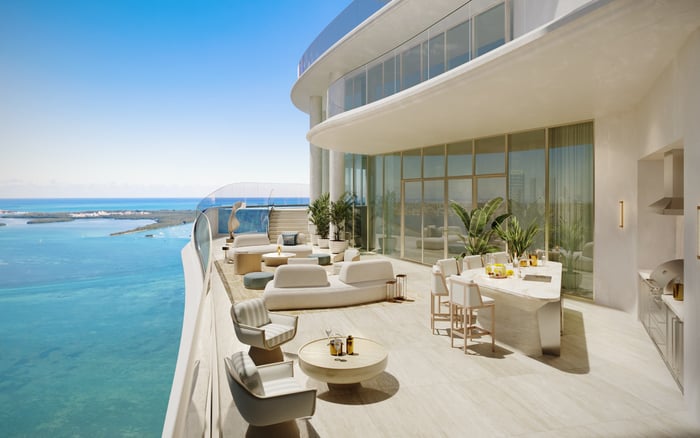
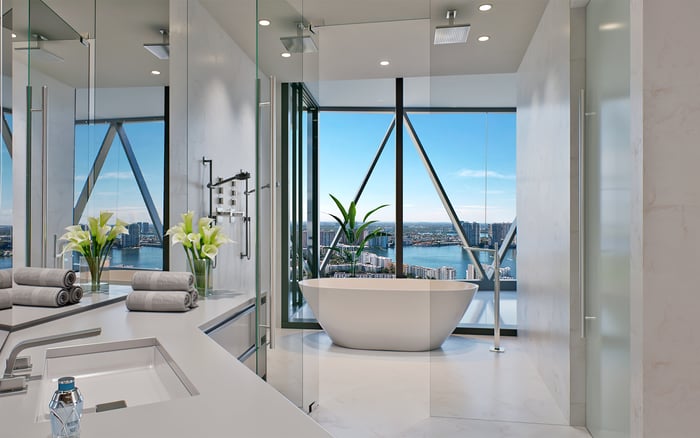
Light is another important consideration. In a coastal high-rise, wellness is often tied to how a home manages brightness, glare, privacy, and temperature. Expansive glass can be beautiful, but long-term value comes from balance. A residence should feel open without feeling exposed, luminous without being harsh, and refined without requiring constant adjustment.
This is especially relevant in an oceanfront setting, where views can dominate the decision. Views are powerful, but they should not distract from the interior fundamentals. The best long-term purchase is the one that still feels composed when the novelty of the view has become part of everyday life.
Wellness is not only physical. It is also operational. A building that removes friction from daily life can be more valuable than one that simply accumulates amenities. The practical questions are straightforward: Is arrival intuitive? Is privacy respected? Are service expectations clear? Can owners use the building naturally without feeling managed by the building?
For buyers considering branded or service-oriented residences, the appeal often lies in consistency. Yet consistency should be examined carefully. A service culture that feels effortless over time can support both comfort and value. One that depends on novelty, ceremony, or constant staffing intensity may feel less compelling after the first year.
This is where comparisons across Sunny Isles Beach become useful. A buyer looking at Jade Signature Sunny Isles Beach alongside newer offerings is really evaluating different expressions of vertical coastal living. The better question is not which building sounds most luxurious, but which one can sustain its promise with grace, restraint, and financial realism.
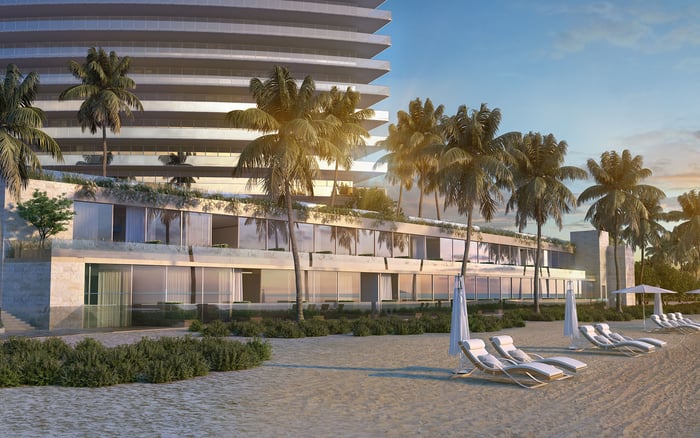
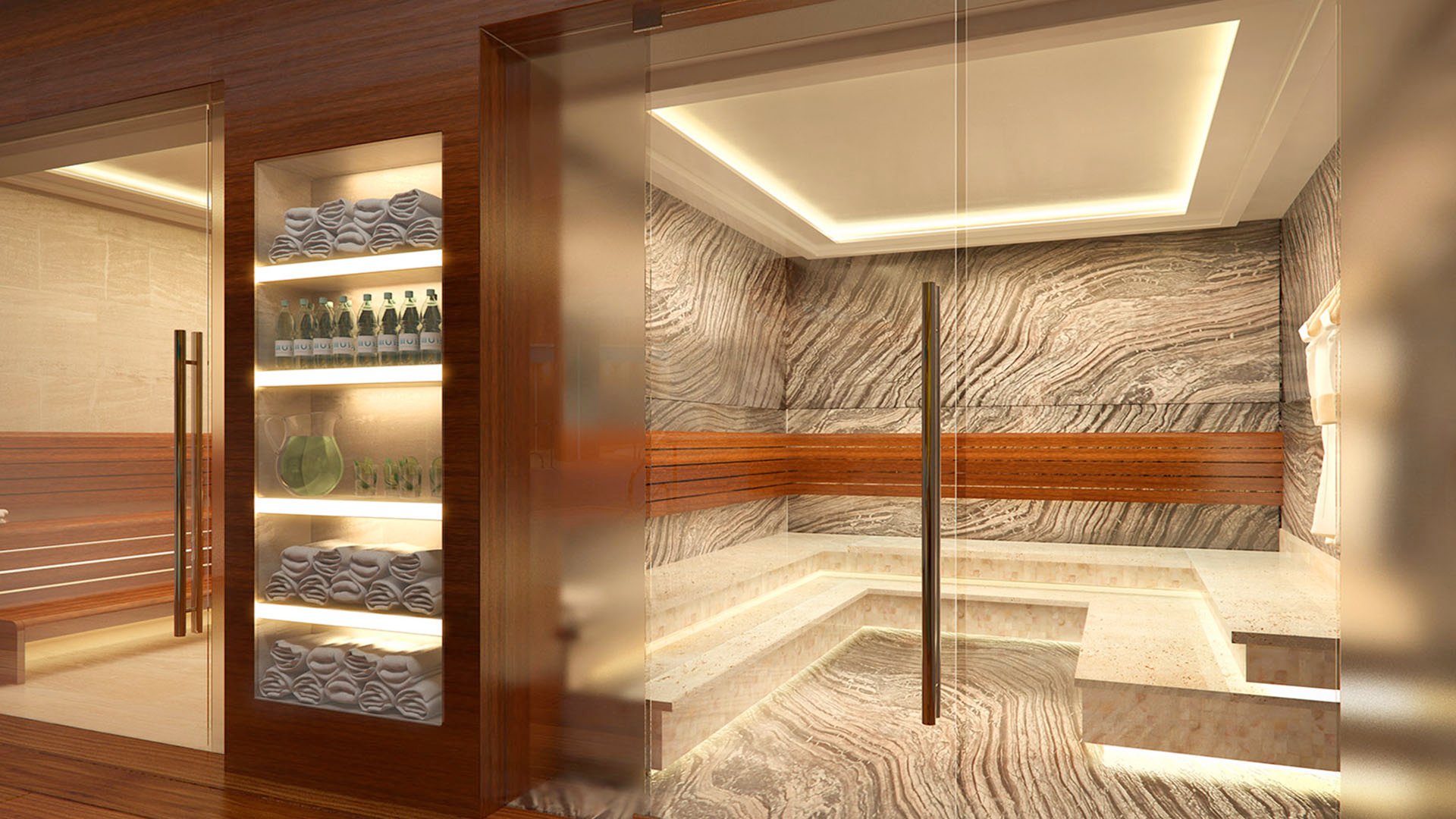
A wellness-led building should not be judged by the length of its amenity list. It should be judged by the relevance, quality, and maintainability of what is provided. Fitness areas, pools, treatment rooms, lounges, garden spaces, and recovery-oriented environments can all be valuable, but only if they are sized, staffed, and governed in a way that matches real owner behavior.
Buyers should pay particular attention to overlap. If three amenities serve the same purpose under different names, the building may be emphasizing presentation over function. If the amenities support different rhythms of life, including exercise, quiet, work, family time, and restoration, the wellness concept becomes more credible.
The best lifestyle buildings understand that residents do not want to be constantly entertained. They want ease. They want to move through the property without unnecessary complication. They want spaces that feel calm at 7 a.m. and dignified at 8 p.m. That steadiness is what makes wellness feel residential rather than promotional.
Long-term ownership turns every design decision into a maintenance question. Materials, mechanical systems, pool decks, landscape areas, shared interiors, and service spaces all require care. A beautiful amenity environment that is difficult or expensive to maintain can become a future burden.
A serious buyer should ask how the building will age. Wellness-led design should rely on materials and layouts that can remain elegant through repeated use. It should avoid excessive dependence on fragile finishes, overly themed interiors, or trendy gestures that may date quickly. In luxury real estate, restraint is often the most durable form of sophistication.
This applies to new construction as much as resale. New does not automatically mean prudent, and established does not automatically mean tired. The better distinction is between properties with clear design logic and properties that rely on novelty. Over a long holding period, clarity usually travels better.
In Sunny Isles Beach, the vertical nature of the market makes privacy central to wellness. Elevator experience, corridor design, amenity access, arrival sequencing, and the relationship between residences all influence how calm the building feels. Privacy is not only about being unseen. It is about reducing unwanted contact, noise, and uncertainty.
A residence can have generous amenities and still feel crowded if circulation is poorly conceived. Conversely, a building with fewer amenities may feel more luxurious if the experience is controlled, quiet, and intuitive. This is why buyers should tour at different times of day when possible and imagine normal ownership patterns rather than relying only on a polished presentation.
At the highest level, The Estates at Acqualina Sunny Isles belongs in the same broader conversation about how privacy, service, and scale influence the ownership experience. For long-term buyers, these issues are not secondary. They determine whether a home remains restorative after the purchase excitement fades.
A wellness-led residence works as a long-term purchase when future buyers can quickly understand its value. Ambiguous luxury is harder to resell. Clear luxury travels better. The next buyer should immediately grasp the residence's strongest qualities: plan, light, privacy, condition, service environment, and relationship to the waterfront.
This does not mean every buyer should chase the same unit type or building profile. It means the purchase should have a coherent thesis. Perhaps the thesis is quiet full-time living. Perhaps it is a second-home base with elevated services. Perhaps it is a residence that prioritizes privacy and simple daily routines. Whatever the thesis, it should be visible in the property itself.
For MILLION clients, the strongest Sunny Isles Beach decisions tend to be the least impulsive. They recognize beauty, but they also measure durability. They appreciate amenities, but they question operations. They value wellness, but they define it through actual ownership experience.
What is a wellness-led residence? It is a home or building where design, services, amenities, and operations are organized around comfort, privacy, health, and ease of daily life.
Is wellness enough to justify a long-term purchase? Not by itself. Wellness should reinforce strong fundamentals such as floor plan, maintenance quality, privacy, location, and resale clarity.
What should buyers examine first in Sunny Isles Beach? Start with the residence itself: light, layout, storage, outdoor space, privacy, and how the home feels during normal daily routines.
Are large amenity packages always better? No. A focused, well-maintained amenity program can be more valuable than an oversized collection of spaces that owners rarely use.
How does oceanfront living affect the decision? Oceanfront appeal is powerful, but it should be balanced with practical considerations such as comfort, privacy, glare, and long-term upkeep.
Why does building operations matter so much? Operations shape daily life. Service quality, access, staffing, maintenance, and governance can either enhance wellness or undermine it.
Should buyers prioritize new construction? New construction can be appealing, but buyers should still evaluate design discipline, financial structure, materials, and how the building may age.
How does privacy influence wellness? Privacy reduces friction. Elevator flow, arrival design, corridors, and amenity access all affect whether a building feels calm over time.
What makes a wellness residence easier to resell? Resale is stronger when the value proposition is obvious: a clear plan, enduring finishes, strong service, privacy, and a coherent lifestyle.
Is Sunny Isles Beach best for full-time living or second homes? It can serve either use, but the right choice depends on how the building supports the owner's daily rhythm, service needs, and holding period.
For a discreet conversation and a curated building-by-building shortlist, connect with MILLION.
If branded residences are on your mind — as a home or as an allocation — we would be glad to share what we are seeing, privately.
Begin a quiet conversation