A discreet buyer’s guide to evaluating lock-and-leave residences in Bay Harbor Islands, from building operations and privacy to layouts, service standards, and resale discipline.
Bay Harbor Islands can seduce quickly. Water, light, low-rise scale, and the quiet confidence of a residential island setting can make a terrace feel like the whole decision. For a lock-and-leave buyer, however, the view is only the opening interview. The more important test is what happens when you are not there.
A true lock-and-leave home must perform discreetly. It should welcome an owner arriving from New York, Palm Beach, Europe, or a week in Aspen without producing a list of small problems. It should be simple to close, simple to reopen, and calm during the months in between. The strongest residences in this category are not merely beautiful when occupied. They are resilient when unattended.
That is why buyers comparing Bay Harbor Towers, Alana Bay Harbor Islands, La Maré Bay Harbor Islands, and other boutique options should begin with daily systems, not sunset photographs. The better the unseen choreography, the more effortless the lifestyle becomes.
In a primary home, an owner can compensate for imperfections through routine. In a lock-and-leave residence, the building must assume more responsibility. Before becoming attached to a floor plan, study how the property receives guests, handles vendors, manages deliveries, secures access, and communicates with owners who are away.
The right questions are practical. Who has authority to enter the residence if an issue arises? How are packages held? Are service providers checked in consistently? Is there a clear protocol for water, air-conditioning, storm preparation, and post-storm review? A glamorous lobby is pleasant, but the back-of-house culture is often what protects an absent owner.
This is where boutique living deserves careful attention. Smaller buildings can feel intimate and highly private, but they also require strong management habits. Larger properties may offer more staffing depth, but can feel less personal. Neither format is automatically superior. The point is fit.
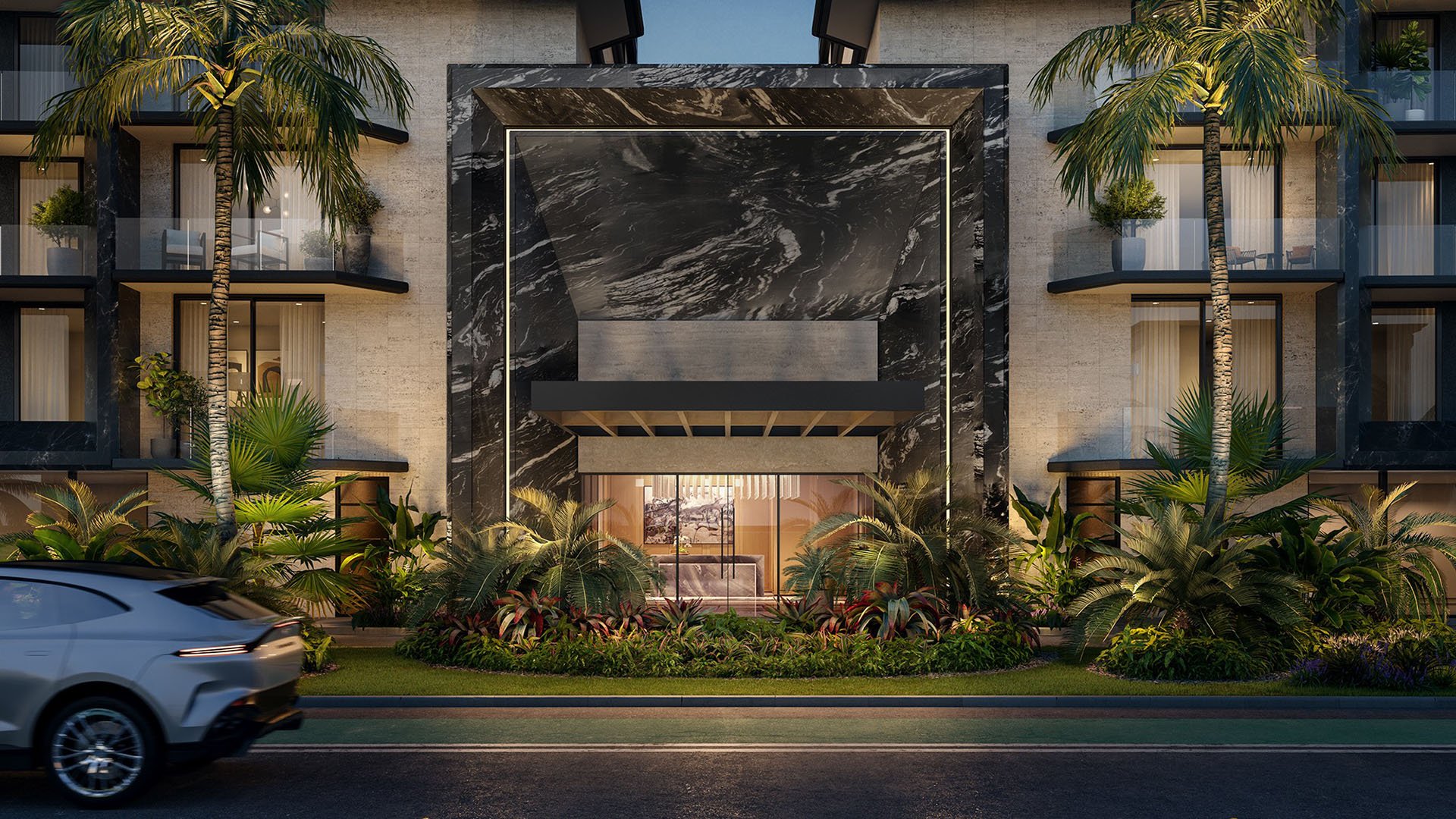
A lock-and-leave residence begins before the front door. The arrival sequence should feel intuitive after a late flight, a rainy evening, or a month away. Parking, lobby access, elevator movement, luggage handling, and the path to the residence all matter.
If the home is intended as a Second-home, imagine arriving with family, garment bags, sports equipment, and perhaps a pet. Is the route dignified or awkward? Can a guest enter without confusion? Are there too many points where privacy feels thin? A view may impress during a showing, but arrival quality shapes every return.
For buyers considering Onda Bay Harbor or The Well Bay Harbor Islands, the most useful comparison is not simply style against style. It is how each property supports your actual rhythm: weekend arrivals, extended seasonal stays, quiet weekdays, and quick departures.
A beautiful residence can still be a poor lock-and-leave home if the plan does not manage absence well. Look for clean circulation, logical storage, durable surface choices, and mechanical areas that are accessible without disrupting the whole home. A residence that requires constant tending is not truly effortless.
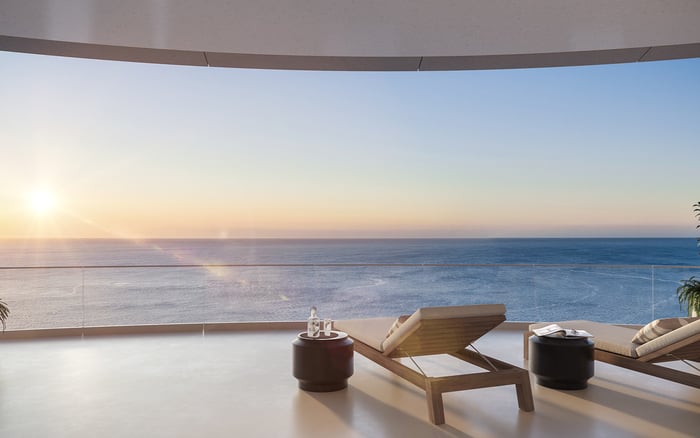
Terraces deserve particular scrutiny. Outdoor space is one of South Florida’s luxuries, but it must be evaluated as part of the operating envelope. Consider how furniture is stored, how planters are maintained, how drainage is handled, and whether the terrace remains elegant without daily attention. The best terrace is not only photogenic. It is manageable.
Inside, do not be distracted by staging. Open drawers, study closets, look at laundry placement, and imagine closing the home for several weeks. Where do linens go? Where does luggage live? Where are cleaning supplies kept? Does the kitchen function for both a catered evening and a quiet breakfast after a late arrival?
Bay Harbor Islands appeals to buyers who often value discretion as much as display. The most successful lock-and-leave homes protect that discretion through layout, entry control, acoustic comfort, and separation between entertaining and private rooms.
Privacy should be tested, not assumed. Stand at the entry. Walk the corridor. Sit in the primary suite. Notice whether neighboring terraces, adjacent buildings, or shared areas change the way the home feels. A residence can have a superb outlook and still leave an owner feeling exposed.
This is also where the relationship to Bal Harbour, Surfside, and Miami Beach becomes part of the lifestyle equation. Many buyers want proximity to dining, shopping, schools, clubs, and the beach without living in the most public version of those destinations. Bay Harbor Islands can satisfy that desire, but each building and stack expresses privacy differently.
Luxury service in a lock-and-leave building is not spectacle. It is precision. The strongest properties make small concerns disappear before they become visible: a delivery is placed correctly, a vendor is expected, an access request is documented, a maintenance concern is escalated.
Ask how communication works when an owner is away. A polished answer matters less than a consistent one. The building should have a repeatable process for authorizations, emergency contacts, routine inspections, and owner updates. If the staff cannot explain the process clearly, the owner may become the process.
When comparing a project such as Bay Harbor Towers with newer boutique offerings, focus on operational personality. Some buyers prize established rhythms. Others prefer the freshness of new design. The correct choice is the one that reduces friction for your particular life.
A lock-and-leave purchase is also a governance decision. Review the building’s rules with the same seriousness you bring to finishes and views. Guest policies, leasing restrictions, pet provisions, vendor access, renovation guidelines, and insurance requirements can all affect how freely you use the home.
This is especially important for families who expect flexibility. A residence that seems perfect for occasional use may be less ideal if guest permissions are cumbersome, parking is constrained, or service access is too limited. Conversely, strong rules can protect quiet enjoyment and long-term value.
The best buildings balance owner freedom with collective discipline. They do not feel casual, but they do feel clear. That clarity is an asset.
The most disciplined buyers imagine the eventual resale while they are still falling in love. In Bay Harbor Islands, a lock-and-leave residence should have a story the next sophisticated buyer can understand quickly: privacy, water or skyline orientation, an efficient plan, credible building operations, and a lifestyle that does not require explanation.
Avoid overpaying for a single emotional feature if the rest of the home is compromised. A spectacular view can carry a residence, but it cannot correct weak access, poor storage, awkward service routines, or fragile governance. The strongest homes feel coherent. Every element supports the same promise of ease.
That is the quiet test. If the residence still feels intelligent after the first impression fades, it deserves a second visit.
What makes a home truly lock-and-leave? It should be easy to secure, maintain, access, and reopen without constant owner involvement. Building management and residence layout are equally important.
Should I prioritize the view or the building operations? Begin with operations, then return to the view. A beautiful outlook is more valuable when the building supports absence with confidence.
Is a boutique building better for lock-and-leave living? Not automatically. Boutique buildings can offer intimacy, but the management structure must be strong enough for owners who travel often.
How should I evaluate a terrace? Look beyond size and scenery. Drainage, storage, furniture management, privacy, and maintenance needs all affect long-term enjoyment.
Why does parking matter so much? Parking shapes every arrival and departure. For seasonal owners, convenience and predictability can be as valuable as interior finishes.
Are building rules important for a Second-home? Yes. Guest access, vendor policies, leasing rules, pets, and renovation guidelines can define how flexible the residence feels.
How do I compare older and newer Bay Harbor Islands buildings? Compare operating culture, condition, design, governance, and service consistency. Age alone does not determine quality.
What should I ask management before buying? Ask how the building handles emergencies, owner absence, vendor entry, packages, storm preparation, and routine communication.
Can a great view hide a weak purchase? It can. If access, privacy, storage, or maintenance are poor, the view may not compensate over time.
When should I bring in an advisor? Bring one in before the emotional decision hardens. A calm second opinion can separate beauty from true lock-and-leave performance.
To compare the best-fit options with clarity, connect with MILLION.
If branded residences are on your mind — as a home or as an allocation — we would be glad to share what we are seeing, privately.
Begin a quiet conversation