A discreet buyer’s guide to evaluating generator coverage, emergency power priorities, and building resilience before purchasing luxury real estate in Edgewater.
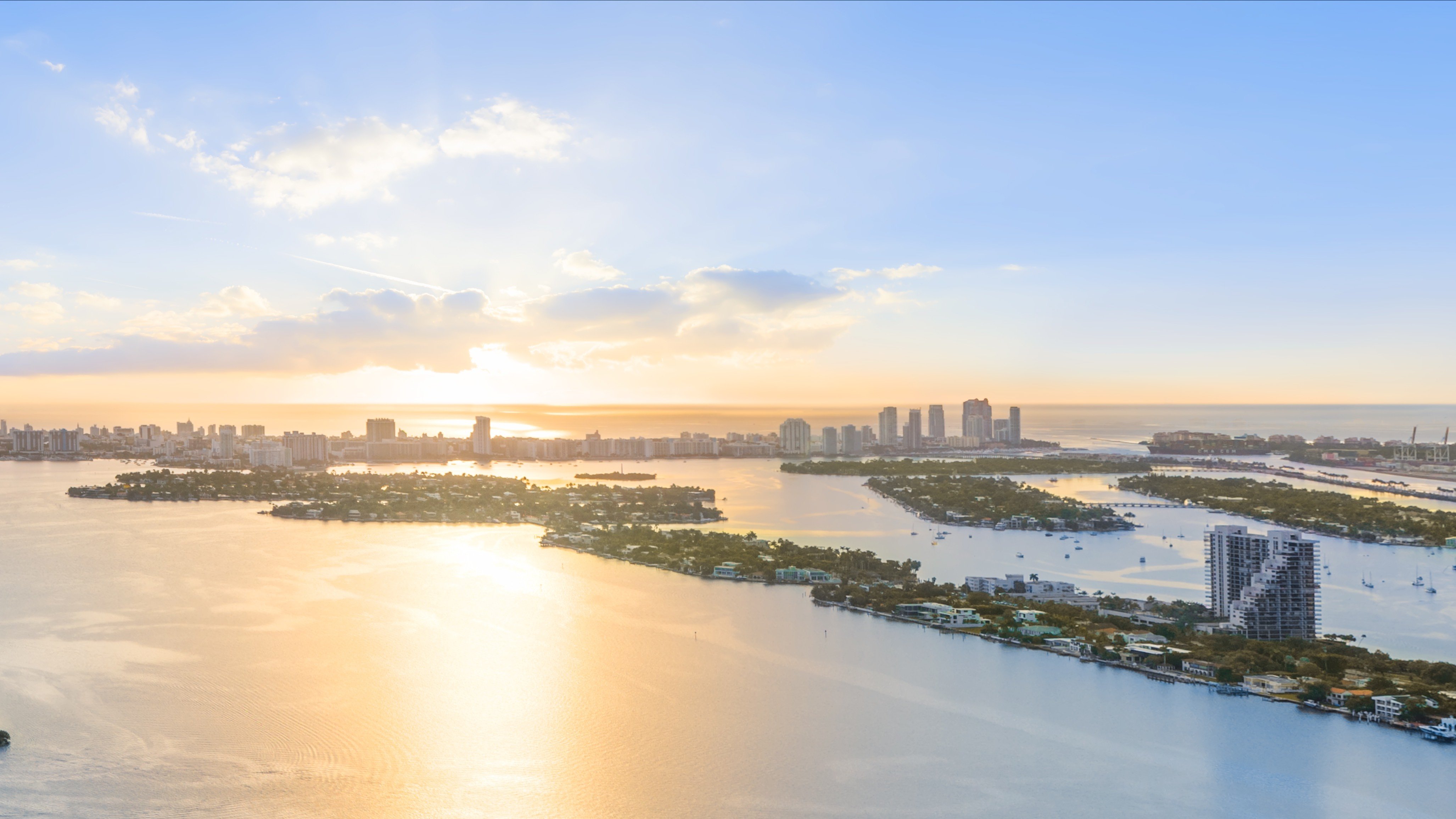
In Edgewater, luxury real estate is often measured by views, architecture, private amenities, arrival sequence, and proximity to the bay. Yet one of the most consequential questions is less photogenic: what exactly happens when utility power is interrupted?
For a discerning buyer, generator coverage is not simply a technical item for an engineer to review at the end of due diligence. It shapes comfort, access, security, daily continuity, and long-term confidence in ownership. In a vertical waterfront neighborhood where residences may sit many floors above the lobby, emergency power can determine whether a building feels composed during disruption or merely code-compliant.
That is why generator review belongs in every serious Edgewater conversation, particularly for buyers comparing established condominium towers with new-construction offerings such as Aria Reserve Miami, EDITION Edgewater, The Cove Residences Edgewater, and Villa Miami. The objective is not to assume that one building is superior to another. It is to understand the actual scope, limits, and operating philosophy before you buy.
The first question should be direct and specific: which building systems are served by generator power, and for how long under normal emergency operating assumptions?
Do not settle for the phrase “full generator” or “backup power.” Those terms can mean very different things from one property to another. A buyer should ask whether emergency power covers life-safety systems only, selected common areas, limited elevator service, garage access, domestic water pumps, fire command functions, security systems, access control, building communications, lobby climate control, amenity refrigeration, or any in-residence circuits.
In a luxury context, the distinction matters. If an elevator is powered but only one elevator bank operates, residents should understand how that affects access at peak moments. If common areas are cooled but residences are not, buyers should know what that means for second-home ownership, pets, staff coordination, and art or wine storage. If water pressure depends on powered pumps, ask how those pumps are prioritized.
The most useful answer is not a marketing phrase. It is a written schedule of generator-supported loads, ideally reviewed by a qualified professional as part of the contract process.
Edgewater’s appeal is inseparable from its height and waterfront setting. The same elevation that produces dramatic bay and skyline views also makes elevator continuity essential.
A buyer should ask how many elevators can operate on generator power, whether they run simultaneously or in rotation, and whether service differs among resident elevators, service elevators, parking elevators, and amenity levels. For high-floor buyers, this is a lifestyle issue, not a technical footnote.
Also ask how access control behaves during an outage. Will garage gates, fob systems, package rooms, service entrances, and private elevator vestibules remain operational? Can residents enter and exit without staff manually overriding systems? How are guests, domestic staff, medical providers, dog walkers, or drivers handled if electronic systems are interrupted?
For purchasers using a residence as a second home, these details are especially important. A building may feel effortless on a blue-sky tour, but resilience is revealed when normal conveniences are under pressure.
Many buyers assume that a generator serving the building also serves the private residence. That assumption should be tested.
Ask whether any in-unit power is supplied during an outage. If so, identify the circuits. Are there dedicated outlets? Does the refrigerator receive power? Are lighting, internet equipment, kitchen appliances, HVAC components, window treatments, or smart-home systems included? If no in-residence circuits are covered, ask whether owners are permitted to install any supplemental approved systems, and what association rules or building limitations apply.
This is particularly relevant for buyers who work from home, store temperature-sensitive collections, rely on medical equipment, or expect household staff to maintain the property in their absence. It is also relevant for investors who want a residence that remains practical during periods of regional disruption.
The issue is not whether every residence must have hotel-like continuity. The issue is whether the buyer understands the precise level of service being purchased.
Generator coverage is only as strong as the system behind it. Ask what fuel source is used, how fuel is stored or supplied, how runtime is estimated, and what assumptions are used in that estimate. If fuel delivery is required after an event, ask who coordinates it and whether there is a preferred vendor or emergency protocol.
Testing is equally important. A generator that is rarely exercised is not the same as one integrated into a disciplined maintenance program. Buyers should request the building’s testing schedule, maintenance history, service contracts, and any recent issues or repairs. If purchasing in a condominium, review association records for generator-related expenses, planned upgrades, reserve allocations, and board discussions.
In buyer’s guides for luxury towers, generator diligence often sits alongside insurance review, structural review, association finances, and house rules. It belongs there. A well-documented power strategy can signal serious building stewardship. A vague answer should invite more questions.
Pre-completion and recently completed properties require particular attention. Renderings and amenity narratives can communicate a lifestyle, but generator coverage must be confirmed through technical documents, offering materials, association documentation, and professional review.
When evaluating Edgewater projects, ask the sales team and your advisor for written clarification of emergency power scope. In new construction, also ask whether final specifications may change, when systems will be commissioned, and what documentation will be available before closing. A thoughtful buyer of EDITION Edgewater or Villa Miami should treat generator detail with the same seriousness as ceiling heights, views, terrace depth, and parking rights.
For resale properties, the questions are different. The system exists, so ask how it has performed, how often it is tested, whether any special assessments have been discussed, and whether capital improvements are anticipated. A building with a mature operating history can offer useful clarity, provided the records are reviewed carefully.
For many ultra-premium buyers, emergency power is about more than keeping lights on. It intersects with security, building staffing, fire command operations, communications, and the protection of valuable interiors.
Ask whether security desks, cameras, access points, and building radios are generator-supported. Ask whether management has a written emergency staffing plan. Ask how residents are updated if cellular service or internet access becomes unreliable. Ask whether amenity areas, loading docks, mechanical rooms, and parking levels have emergency lighting sufficient for safe movement.
Buyers with art, couture, wine, specialty materials, or humidity-sensitive finishes should also consider what happens if HVAC is unavailable in the residence. Edgewater’s luxury market increasingly includes highly customized homes in the sky, and those interiors deserve operational planning equal to their design ambition.
Generator findings can inform more than peace of mind. They can shape contract contingencies, inspection scope, association document review, insurance conversations, and closing expectations.
Before the inspection period ends, ask your attorney, inspector, and technical consultants to review the building’s disclosures and association materials. If answers are incomplete, request written clarification. If the building is new or pre-construction, confirm whether the buyer can receive technical summaries before closing. If purchasing resale, ask whether any owner disclosures or meeting minutes reference generator performance or planned upgrades.
A polished residence in Edgewater can be visually persuasive. The right diligence makes the purchase intellectually persuasive as well.
Does every luxury condo in Edgewater have the same generator coverage? No. Coverage can vary by building, system design, association policy, and the specific loads connected to emergency power.
Should I ask for generator details before making an offer? Yes. Early questions help you decide whether to proceed, negotiate, or add more technical review during the inspection period.
What is the most important generator question for high-floor buyers? Ask how many elevators operate on generator power and whether service is continuous, limited, or rotated.
Does building generator power usually mean my residence has power? Not necessarily. You should confirm whether any private in-residence circuits are connected to emergency power.
Should second-home buyers be more cautious about generator coverage? Yes. If you are away often, power continuity may affect refrigeration, access, security systems, staff visits, and property care.
Can a buyer review generator maintenance records? In many transactions, relevant association or building records may be requested through proper due diligence channels.
What should I ask about fuel? Ask what fuel source is used, how runtime is estimated, and who manages refueling or service during a prolonged disruption.
Are amenity spaces usually powered during an outage? It depends on the building. Ask specifically about the lobby, fitness areas, cooling, lighting, access systems, and refrigeration.
Is generator coverage important for resale value? It can be. Sophisticated buyers often value buildings with clear, well-maintained resilience planning and transparent documentation.
Should I rely on verbal assurances from a sales presentation? No. Ask for written clarification and have qualified advisors review the details before your contingency period expires.
If you'd like a private walkthrough and a curated shortlist, connect with MILLION.
If branded residences are on your mind — as a home or as an allocation — we would be glad to share what we are seeing, privately.
Begin a quiet conversation