A discreet buyer’s guide to evaluating construction-noise exposure, contract protections, view corridors, daily routines, and resale considerations before purchasing luxury real estate in Midtown Miami.
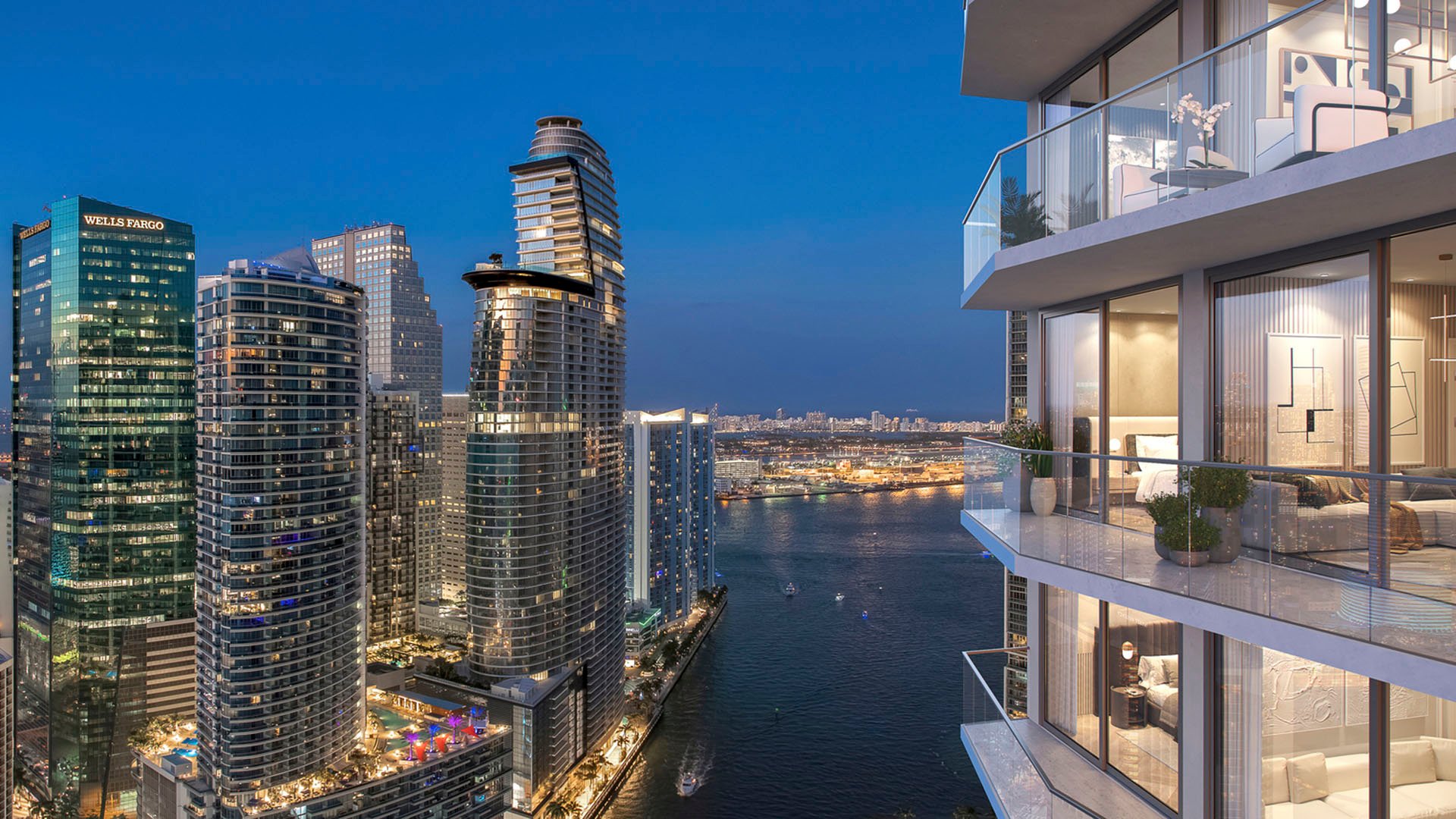
In Midtown Miami, construction noise is not merely an inconvenience to tolerate until the neighborhood feels complete. For a luxury buyer, it is a daily-use issue, a privacy issue, a sleep issue, and, in some cases, a future resale conversation. Even the most elegant residence can feel misjudged if the primary terrace faces a staging lane, if early morning activity interrupts a bedroom suite, or if the calm promised by floor-to-ceiling glass is compromised by vibration from a nearby site.
This is especially important for buyers comparing Midtown Miami with Design District, Wynwood, Edgewater, Downtown Miami, and Brickell. Each search area has its own rhythm, but the discipline is the same: before falling in love with finishes, views, or brand cachet, understand what is being built around you, how long the disruption could matter, and whether the residence itself is designed to soften the impact.
A polished sales presentation may emphasize completion, lifestyle, and neighborhood upside. Your questions should focus on the period before, during, and after that upside is realized.
Begin by asking for a clear explanation of every active, proposed, or reasonably anticipated construction site that could affect the residence. Do not limit the inquiry to the same block. Ask about properties across the street, behind the building, along key access routes, and within the view corridor from the main living areas and bedrooms.
The question is not simply, “Is there construction nearby?” A more useful version is: “Which parcels around this home could generate noise, truck movement, dust, vibration, or temporary access changes during my expected ownership period?” That wording forces a more complete discussion.
If you are considering a residence such as Miami Design Residences Midtown Miami, the evaluation should include the unit’s orientation, terrace exposure, and relationship to adjacent streets. If you are comparing nearby urban alternatives, the same exercise applies. A quiet high-floor interior line can be more livable than a more dramatic exposure that opens toward a construction corridor.
Not all construction noise feels the same inside a luxury residence. Ask whether nearby activity is likely to involve demolition, excavation, foundation work, structural work, façade installation, interior build-out, roadwork, or utility work. Each phase has a different character. Some sounds are intermittent and sharp. Others are low, persistent, and vibration-heavy.
Ask specifically about the most disruptive phases and whether they are expected to occur during your occupancy. Even when a project is outside your building, its impact may be most noticeable through primary bedrooms, home offices, outdoor kitchens, plunge pools, or deep terraces designed for entertaining.
For buyers using the home seasonally, timing matters. A residence that feels serene during one visit may perform differently at another point in the construction cycle. If the purchase is for full-time use, focus on weekday mornings, calls from a home office, children’s naps, pets, and evening decompression. Luxury is not just square footage. It is control over one’s environment.
A single showing is rarely enough. Ask to visit the unit or a comparable exposure at different times of day. Stand in the primary bedroom with the doors closed. Open the terrace doors and remain outside long enough to notice recurring patterns. Listen from the kitchen, bath, office area, and elevator lobby. If possible, experience both a quiet moment and an active construction window.
Do not judge only volume. Pay attention to vibration, echo between towers, backup alarms, truck routes, and the way sound behaves on the terrace. In many luxury residences, outdoor space is central to the value proposition. If a terrace becomes ornamental for a meaningful period, that should be reflected in your decision-making.
When touring alternatives such as Frida Kahlo Wynwood Residences or EDITION Edgewater, compare not only design language and amenities, but also acoustic context. The question is not which neighborhood is quieter in the abstract. It is which specific exposure best protects your personal routine.
Ask about the building envelope. The most relevant questions include glazing quality, door seals, wall assemblies, balcony door performance, and whether the residence has design features intended to reduce exterior sound. Avoid accepting general assurances such as “impact glass” as a complete answer. Impact resistance and acoustic comfort are related only insofar as the actual system performs well in the unit you are buying.
Ask whether upgrades or owner-installed measures can improve sound control without compromising design approvals. In some buildings, window treatments, rugs, millwork, and soft furnishings can help manage interior acoustics. They cannot solve all exterior noise, but they can reduce harshness inside the residence.
Mechanical systems matter as well. A buyer who must keep doors closed for long stretches should understand ventilation, humidity control, filtration, and the comfort of interior air. In South Florida, acoustic strategy and climate comfort are intertwined.
Verbal comfort is not enough. Ask what disclosures have been made regarding nearby construction, roadwork, easements, staging, access, or planned development. Request that relevant representations be placed in writing where appropriate. If construction exposure is material to your decision, your advisor should help determine whether additional due diligence language, review periods, or closing conditions are prudent.
For new-construction purchases, ask how the developer addresses construction activity within the broader district, whether there are known neighboring projects that may affect occupancy, and what communications owners can expect if future work affects access or building operations. For resale, ask the seller directly about lived experience: morning noise, weekend quiet, terrace use, sleep disruption, and any building communications regarding nearby work.
This is where a buyer’s-guide mindset becomes valuable. The goal is not to negotiate every sound out of urban life. The goal is to ensure the price, timeline, and exposure reflect reality rather than optimism.
Construction can signal investment, demand, and future neighborhood refinement. It can also create a difficult interim chapter. Sophisticated buyers hold both ideas at once. The right purchase may be the one that captures long-term positioning while minimizing short-term daily friction.
If your search stretches from Midtown Miami into Brickell, consider how the experience differs between a dense financial district setting and a lifestyle-driven urban district. A tower such as The Residences at 1428 Brickell may prompt different questions about street activity, neighboring towers, and vertical density than a Midtown-oriented residence. The point is not to avoid activity. It is to identify whether the activity aligns with how you live.
For pied-à-terre buyers, construction noise may be less concerning if visits are flexible and the resale horizon is long. For families, remote professionals, collectors, wellness-focused owners, or those who entertain frequently, acoustic quality may deserve equal weight with views and amenities.
Before submitting an offer, ask five direct questions. What nearby parcels or rights of way could affect the residence? Which construction phases are likely to be most disruptive? How does this specific unit line perform with doors closed and open? What written disclosures address construction, access, or nuisance conditions? How would this exposure be discussed with a future buyer?
Then translate the answers into a buying position. A residence with elevated construction exposure may still be the right acquisition if the floor plan, view, price, and long-term thesis justify it. But in luxury real estate, inconvenience should not arrive as a surprise. It should arrive as a known variable, already priced into the decision.
Should I avoid buying in Midtown Miami if construction is nearby? Not necessarily. The key is to understand the specific exposure, likely duration, unit orientation, and how the home performs acoustically.
What is the first construction-noise question I should ask? Ask which nearby parcels, streets, or staging areas could affect noise, vibration, dust, access, or terrace use during your ownership.
Is a higher floor always quieter? Not always. Height can reduce some street-level noise, but sound can travel and reflect differently depending on surrounding buildings and exposure.
Should I visit the residence more than once before buying? Yes. Multiple visits at different times can reveal patterns that a single curated showing may not capture.
What rooms should I test most carefully? Prioritize the primary bedroom, home office, living room, terrace, and any space central to rest, work, or entertaining.
Can impact glass guarantee quiet interiors? No. Ask about the full window and door system, seals, wall assemblies, and actual performance in the specific residence.
How should construction noise affect my offer strategy? If exposure is material, it can influence price, contingencies, timing, or the level of written disclosure you request.
Is construction noise different for seasonal buyers? Yes. A seasonal owner may tolerate disruption differently, but should still consider resale perception and use during peak visits.
What should resale buyers ask the seller? Ask about lived experience, including morning sound, terrace usability, building notices, access changes, and any recurring disturbance.
Can a noisy period still lead to a strong long-term purchase? Yes, if the exposure is understood, appropriately priced, and aligned with the buyer’s horizon and lifestyle tolerance.
To compare the best-fit options with clarity, connect with MILLION.
If branded residences are on your mind — as a home or as an allocation — we would be glad to share what we are seeing, privately.
Begin a quiet conversation