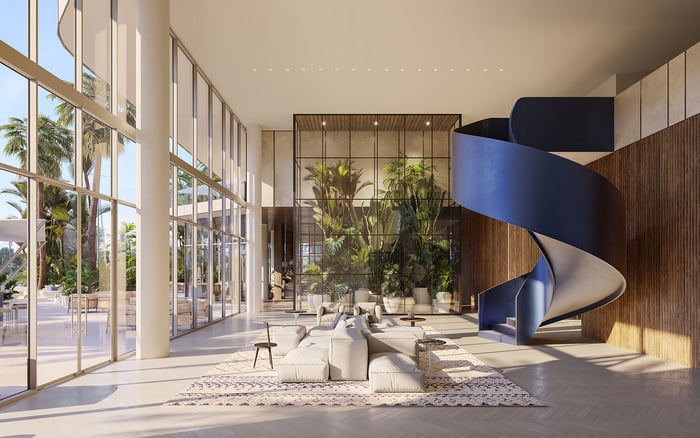
A buyer-oriented guide to planning extended family stays at The Ritz-Carlton Residences® Miami Beach, with emphasis on layouts, service coordination, arrivals, governance, villa-style considerations, marina-use questions, and repeatable seasonal routines.
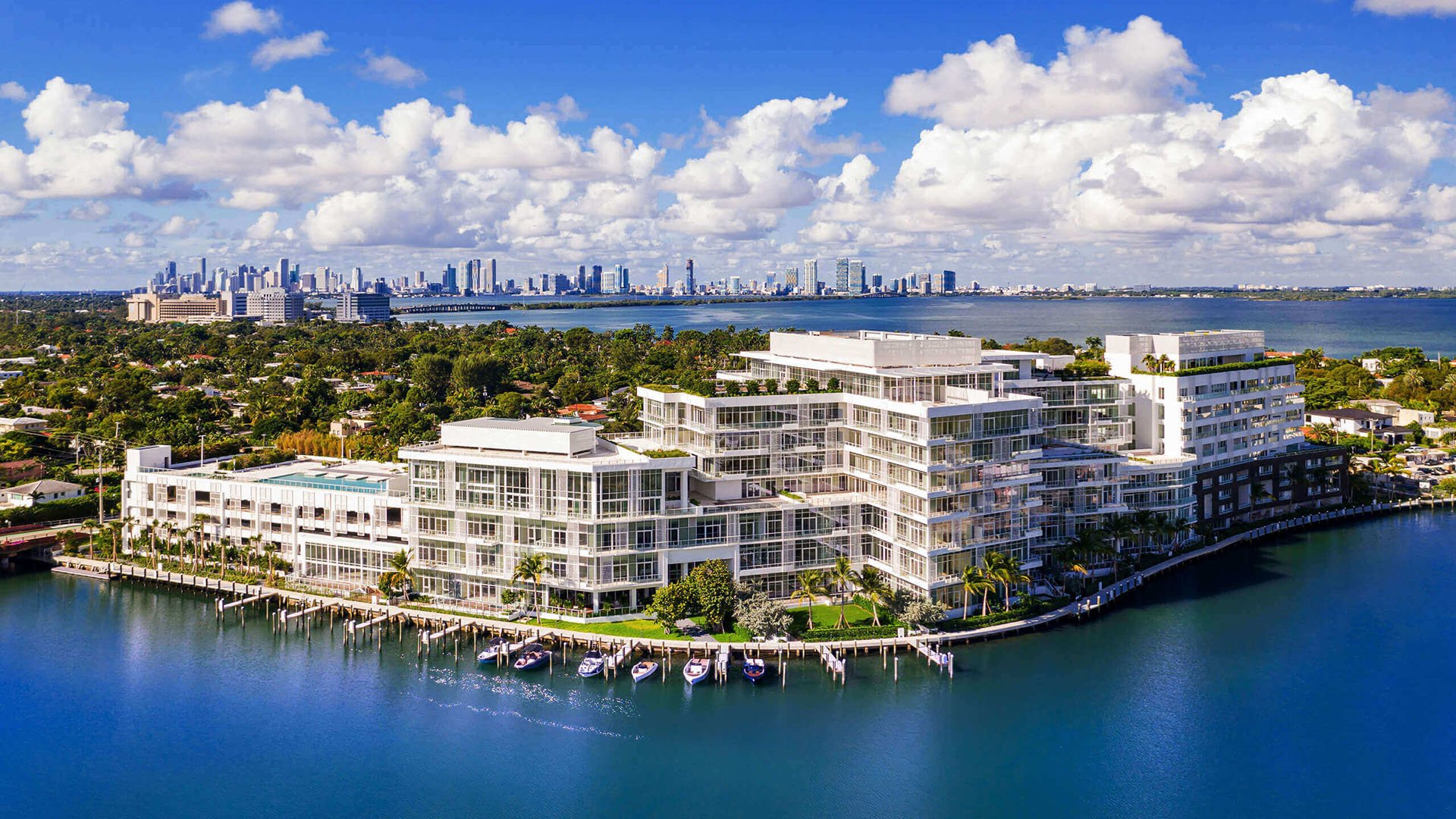
The most successful extended family stay in Miami Beach is rarely improvised. It is staged with the discretion of a private household, supported by the operational discipline of a refined residential environment. That is the particular appeal of The Ritz-Carlton Residences® Miami Beach, where owners should think about hospitality standards, privacy, and building procedures before relatives arrive.
For owners, the distinction matters. Grandparents, adult siblings, teenagers, toddlers, and remote-working parents all place different demands on a residence. A strong guest strategy anticipates those needs before the first flight lands, then turns a high-end home into a calm family headquarters rather than an improvised vacation base.
Because each residence, association, and amenity program can operate differently, buyers should verify current building procedures directly during due diligence. The objective is not to assume every service or privilege is automatic, but to understand how the home can support a longer, multi-generational stay with minimal friction.
The first question is not where everyone will dine. It is where everyone will decompress. Extended stays work best when the residence has a clear internal map: sleeping zones, quiet zones, shared zones, and flexible zones that can shift from weekday to weekend.
For larger families, multi-bedroom residences have a structural advantage because they can separate generations while keeping everyone within one household footprint. A residence with multiple bedrooms and a den can create a practical hierarchy: grandparents near calmer living areas, parents in the primary suite, children in secondary bedrooms, and the den reserved for work, tutoring, a nanny, or overflow sleeping. This is less about square footage as spectacle and more about reducing daily friction.
Privacy should be treated as a daily amenity. Teenagers may need autonomy, grandparents may need a quieter rhythm, and parents may need a reliable work setup during school breaks. The den becomes especially valuable when remote work is part of the stay, preventing conference calls from overtaking the dining table.
Buyers comparing other Miami Beach residences, including The Perigon Miami Beach or 57 Ocean Miami Beach, should think beyond bedroom count and ask how a plan performs with a full house for two or three weeks. Circulation, storage, acoustic separation, and the distance between private and social spaces can be as important as the view.
For families with young children, the greatest luxury can be reducing the number of transitions in a day. If a residence offers villa-style living, generous terraces, private outdoor areas, or convenient access to water-oriented amenities, those features should be assessed as practical family infrastructure rather than just lifestyle language.
That proximity can change the guest dynamic. Toddlers may nap without ending the day for everyone else. Grandparents may participate without overextending. Parents may host lunch outdoors while children remain within a familiar perimeter. The point is not to avoid the wider city, but to make the residence itself capable of carrying the family’s daily rhythm.
For a second-home owner, these elements can help transform a seasonal visit into a repeatable family ritual when they are available and properly governed. The home is not simply a place to sleep between reservations. It becomes the anchor for holidays, school breaks, and multi-week South Florida retreats.
Hospitality-grade support is most powerful when it is planned rather than reactive. Owners should treat extended family hosting as an operational plan, coordinated before arrivals begin. Housekeeping, catering, transportation, maintenance requests, guest-arrival support, and concierge coordination should all be sequenced in advance when those services are available through the building or arranged privately.
This is especially important when relatives arrive from different cities or countries. Staggered arrival and departure windows can strain even a generous host household. A practical plan may include arrival notes for each guest group, agreed luggage handling expectations, transportation timing, grocery preferences, and any access procedures required by the building.
The owner remains the host, but not every detail must be handled personally. That balance, a private residence supported by carefully planned services, is the central reason branded residences appeal to families who want consistency without the feeling of a short hotel stay.
Discretion in a condominium setting depends on respecting the structure around the home. Before hosting a larger or longer-staying family group, owners should review condominium rules, guest procedures, occupancy policies, event limits, amenity access, and any marina-use rules that may apply. The goal is not to restrict the family experience, but to prevent avoidable interruptions.
Guest registration should be handled early, particularly if relatives will come and go independently. If a family plans dinners, children’s activities, boat outings, or visits from friends, the host should understand what is permitted and what requires notice. Water access, when relevant, should also be discussed in advance because procedures can be specific.
Families considering other branded or service-led residences, such as The Ritz-Carlton Residences® South Beach, The Ritz-Carlton Residences® Pompano Beach, or Five Park Miami Beach, should apply the same lens. The most livable luxury buildings are not rule-free. They are well-run, predictable, and clear enough that owners can host with confidence.
The best extended-stay strategy becomes easier each year. Once the family understands room assignments, service cadence, preferred arrival windows, pantry staples, childcare patterns, and quiet hours, the residence can function as a dependable South Florida hub.
This repeatability is particularly valuable for families whose visits revolve around holidays and school breaks. Instead of rebuilding the plan each season, the host household can refine it. Grandparents may claim the same quiet bedroom. Children may know where they keep beach gear. Remote-working parents may know which room becomes the office. Staff coordination becomes smoother because the pattern is familiar.
At The Ritz-Carlton Residences® Miami Beach, the advantage is not only the address or the brand association. It is the ability to combine the emotional intimacy of a private home with a disciplined hosting plan that helps a larger family stay feel composed. For ultra-premium buyers, that may be the defining measure of success: not how dramatic the visit appears, but how gracefully it functions.
Is The Ritz-Carlton Residences® Miami Beach a traditional hotel? No. Buyers should approach it as a private residential ownership environment and verify current services, access rules, and guest procedures directly.
Why is it suited to extended family stays? It can support longer visits when the owner plans sleeping zones, service timing, arrivals, and guest access before relatives arrive.
What layout works best for multi-generational visits? Larger multi-bedroom layouts are generally better suited because they can separate generations while keeping the family within one household.
How can a den improve an extended stay? A den can function as a remote office, tutoring room, nanny space, quiet room, or overflow sleeping area during peak family visits.
Are villa-style residences useful for families with young children? They can be, if available, because a more house-like format may reduce daily transitions and create added privacy for a larger group.
What should owners coordinate before relatives arrive? Housekeeping, catering, transportation, concierge support, maintenance requests, and guest-arrival details should be planned in advance where applicable.
Why do staggered arrivals matter? Relatives may arrive from different places at different times, so advance sequencing helps reduce pressure on both hosts and building staff.
Should owners review condominium rules before hosting? Yes. Guest procedures, event limits, occupancy policies, amenity access, and marina-use rules should be checked before longer or larger stays.
Can the residence work as a recurring holiday hub? Yes, if the owner creates repeatable room assignments, service routines, arrival patterns, and quiet-hour expectations for each visit.
What is the main hosting principle for owners? Treat the stay as a private household operation supported by careful planning, rather than as an improvised vacation gathering.
For a confidential assessment and a building-by-building shortlist, connect with MILLION.
If branded residences are on your mind — as a home or as an allocation — we would be glad to share what we are seeing, privately.
Begin a quiet conversation