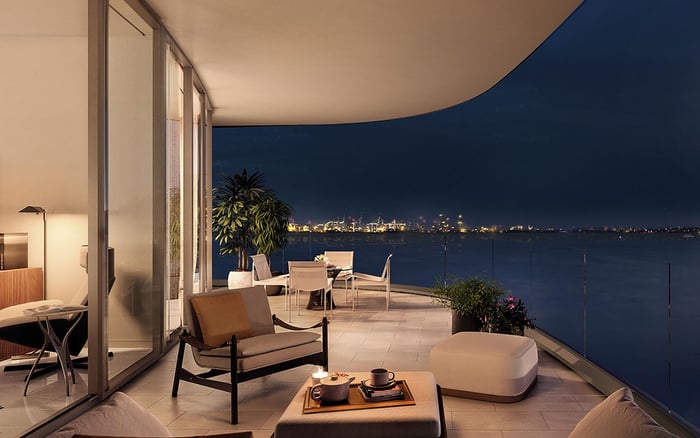
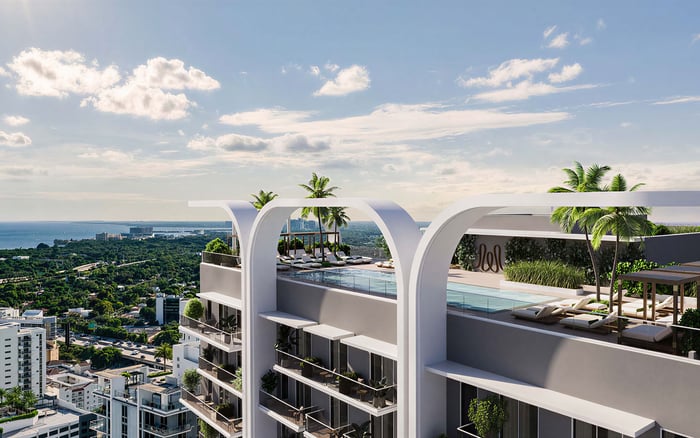
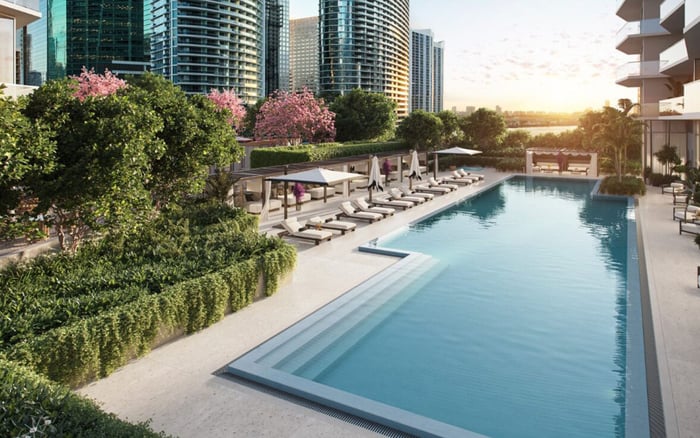
A buyer-focused guide to assessing sunset-facing lounges in South Florida trophy residences, with attention to privacy, service choreography, light control, acoustics, and long-term resale appeal.
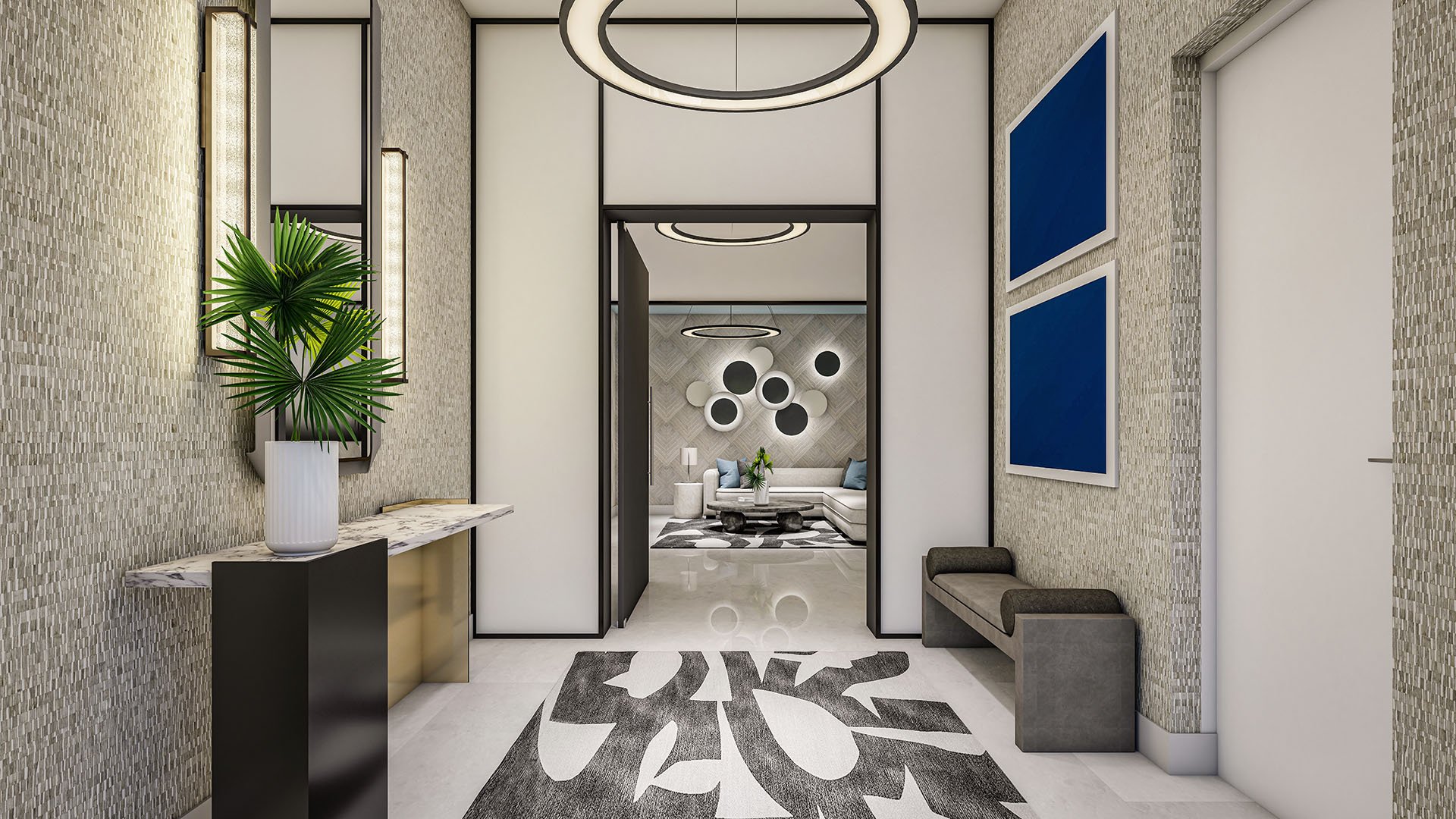
In South Florida luxury real estate, the sunset-facing lounge is often the emotional center of a trophy residence. It is where water, skyline, garden, or golf-course views become theatrical in the late afternoon, and where a private home begins to feel like a resort salon. Yet the same qualities that make the room seductive can also reveal its weaknesses. Western light can be intense. Glass can expose as much as it frames. A lounge that photographs beautifully at dusk may be less convincing during a dinner party, a family evening, or a high-stakes resale showing.
A disciplined buyer evaluates this space with the same seriousness applied to a primary suite, garage, kitchen, or staff area. Privacy, service, light control, acoustics, furniture planning, and future marketability should be studied together. A sunset-facing lounge is not simply a view room. It is a daily living environment, an entertaining machine, and a resale asset.
Privacy is not achieved only with shades. It begins with orientation, setbacks, neighboring sightlines, terrace depth, landscape screening, and the way the room is positioned within the residence. A lounge that faces west across open water may feel entirely different from one that looks toward another tower, a marina, a bridge, or a neighboring estate.
During a walkthrough, stand in the lounge with the lights off, then with the lights on. Evening visibility changes dramatically once interiors are illuminated. If the residence includes a balcony or deep terrace, step outside and look back into the room. The question is not only what the owner sees, but what others can see of the owner.
For a Miami Beach residence, the privacy calculation may include pedestrian activity, adjacent hospitality uses, and reflections from nearby glass. In Brickell, a sunset lounge may trade a dramatic skyline composition for closer tower-to-tower exposure. In low-density waterfront settings, privacy may depend more on landscaping, dock position, and neighboring rooflines. The best lounges create a sense of prospect without making the owner feel on display.
Sunset is beautiful because it is powerful. That power can become glare, heat, fading, and visual fatigue if the architecture does not temper it. Buyers should evaluate the room at more than one hour of the day, especially in late afternoon. A lounge that seems serene in the morning can become difficult to inhabit at golden hour if seating faces directly into the sun or reflective surfaces amplify glare.
Consider the hierarchy of controls. Overhangs, fins, terrace depth, and glazing performance are architectural solutions. Drapery tracks, solar shades, and layered window treatments are interior solutions. The strongest residences integrate both. A room should not require blackout conditions to be comfortable, nor should it sacrifice the water view simply to make the sofa usable.
Materials matter as well. Pale stone, lacquer, mirrors, polished metals, and high-gloss millwork can multiply brightness. Upholstery, rugs, wallcoverings, and ceiling treatments can soften it. In a trophy residence, the sunset should be edited, not endured.
A sunset lounge often carries the burden of entertaining. Cocktails, passed canapés, wine service, terrace dining, media viewing, and after-dinner conversation may all converge there. The question is whether the service choreography supports that use without disturbing the mood.
Look for discreet routes from the kitchen, catering kitchen, bar, pantry, elevator, or staff corridor. Staff should be able to replenish glassware, clear plates, adjust lighting, and access storage without crossing the primary seating composition every few minutes. If the only route to serve the lounge cuts through the center of the room, the space may feel less private during events.
A proper lounge also needs practical support: concealed refrigeration or proximity to a bar, adequate outlets for lamps and devices, hidden controls, and storage for throws, trays, and occasional pieces. These details rarely dominate a listing presentation, yet they shape the room’s success after closing.
Many sunset lounges are expansive, glass-rich, and open to dining, kitchen, or terrace areas. That openness can be elegant, but it can also create echo, noise transfer, and a lack of intimacy. Hard floors, tall ceilings, and glass walls can make conversation feel public even within a private residence.
Buyers should listen as carefully as they look. Is there traffic noise at dusk? Does sound carry from the pool, dock, elevator lobby, or adjacent entertainment area? Can one person read while another hosts drinks nearby? Is there acoustic separation from bedrooms, offices, or staff quarters?
The nighttime test is equally important. Visit after dark if possible. Observe reflections in the glass, the effect of interior lighting, and whether the lounge becomes a mirror rather than a view room. A great sunset lounge should transition naturally from spectacle to intimacy.
A lounge can fail if every seating arrangement is forced to face the view. Trophy buyers increasingly expect rooms that support multiple postures: formal conversation, casual family use, reading, media, cocktails, and indoor-outdoor movement. The best plans allow the view to remain present without turning the room into a single-direction theater.
Measure wall space, not just glass. A residence with endless glazing may have limited locations for art, storage, lamps, and media concealment. Study door swings, terrace access, circulation paths, and the distance between the bar, powder room, dining area, and outdoor seating. If furniture must float awkwardly or block access, the room may be less functional than its rendering suggests.
Also consider whether the lounge has a credible secondary identity. Can it become a library salon, media lounge, gallery room, music room, or family retreat? Flexibility is a quiet driver of resale because future buyers may live differently while still wanting the sunset experience.
A sunset-facing lounge can be a powerful resale asset because it creates a memorable showing moment. The room that makes a buyer pause, lower their voice, and imagine hosting there has market value. But that response depends on comfort as much as drama.
For resale, the room should photograph well in multiple conditions. It should show depth, not just glare. It should accommodate staging without looking sparse. It should offer a clean line from entry to view, while revealing practical luxuries such as service access, terrace continuity, and privacy controls.
The most resilient lounges are not overly dependent on a single sunset frame. They perform in the morning, during rain, after dark, and during a crowded showing. They feel considered rather than merely expensive. In the upper tier, buyers remember the residence that made grandeur feel effortless.
Begin at the entry to the lounge and note the first impression. Is the view revealed with restraint, or is the room exposed all at once? Walk the full perimeter. Sit in each likely seating position. Open and close shades, doors, and terrace panels if available. Watch how the sun hits surfaces and whether the room remains usable without constant adjustment.
Trace the service path from kitchen to lounge to terrace. Identify where staff would stand, pour, clear, and store. Confirm whether guests can circulate without colliding with service movement. Check proximity to powder rooms, elevators, outdoor dining, and private family zones.
Finally, imagine the room during a quiet Tuesday and a full Saturday evening. A trophy residence should not force a choice between privacy and entertaining. The sunset lounge should serve both.
What is the first thing to evaluate in a sunset-facing lounge? Start with privacy and sightlines. The view is only valuable if the room also feels protected.
Is western exposure always a positive feature? It can be highly desirable, but only when glare, heat, and visibility are properly controlled.
Should I visit the residence at sunset before buying? Yes. Late afternoon reveals light, reflections, privacy issues, and comfort in a way daytime tours cannot.
How does service access affect the value of a lounge? Discreet service routes make entertaining feel effortless and preserve the room’s atmosphere.
What makes a lounge better for resale? Strong views, flexible furniture planning, privacy controls, and comfortable lighting all support resale appeal.
Are large glass walls always ideal? Not always. Glass must be balanced with shade, wall space, acoustics, and practical furnishing options.
How important is terrace depth? Terrace depth can improve shade, privacy, outdoor usability, and the transition between interior and exterior living.
Can a sunset lounge work as a media room? It can, but only if light control, acoustics, wiring, and seating angles are carefully resolved.
What should I notice after dark? Look for interior reflections, exterior visibility, lighting warmth, and whether the room still feels intimate.
Is a sunset lounge more about lifestyle or investment? It is both. The strongest examples elevate daily living while creating a memorable future showing experience.
When you're ready to tour or underwrite the options, connect with MILLION.
If branded residences are on your mind — as a home or as an allocation — we would be glad to share what we are seeing, privately.
Begin a quiet conversation