A buyer-focused guide to understanding when amenity-floor sound can support resale positioning in South Florida luxury condominiums, and when it should be treated with caution.

In South Florida luxury condominiums, sound is often treated as a defect to be managed, negotiated, or explained away. The instinct is understandable. Privacy remains one of the great currencies of premium residential life. Yet amenity-floor noise is more nuanced than a simple negative. In the right building, at the right price point, and for the right buyer, proximity to the amenity level can register as convenience, energy, and everyday resort access.
The key is not to romanticize noise. It is to identify what kind of sound exists, when it occurs, how the residence is insulated from it, and whether the buyer most likely to purchase the home will view that proximity as a lifestyle benefit. A soft hum from a pool deck at sunset is very different from mechanical vibration, late-night crowding, elevator congestion, or persistent service noise. One can support the story. The other can undermine confidence.
For sellers, the question is not whether the residence is near amenities. The question is whether that proximity creates a credible market narrative. For buyers, the question is whether the discount, convenience, or social rhythm justifies the tradeoff.
Resale value depends on matching the home to the buyer most likely to want it. A quiet high-floor residence with wide views speaks to one audience. A lower residence near a spa, gym, lounge, or pool may speak to another. In Brickell, for example, buyers who prioritize walkability, convenience, and a more animated daily pattern may be less sensitive to controlled amenity sound than buyers seeking total retreat.
The advantage begins when the sound is predictable. If buyers understand that activity is concentrated around afternoon pool hours, weekend gatherings, or morning fitness use, the condition becomes easier to price and accept. Predictability makes the experience legible. Unpredictability creates hesitation.
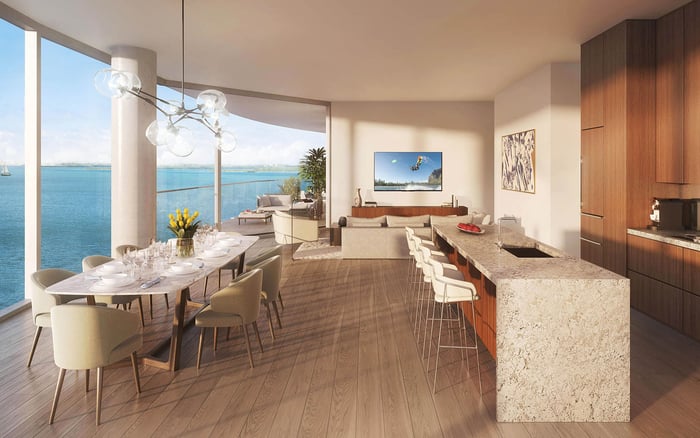
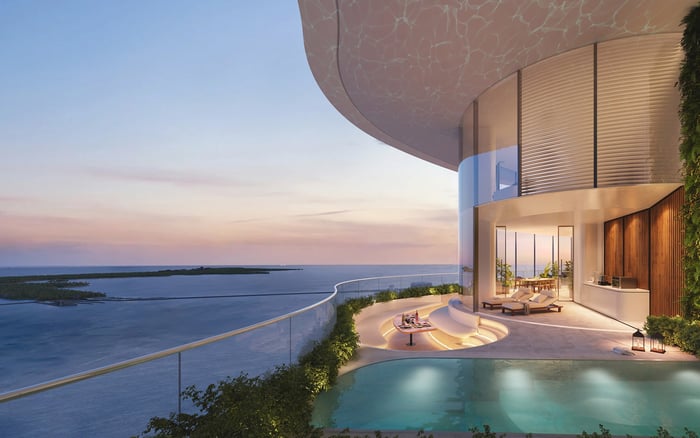
A second factor is design. Residences near amenity levels that include deep setbacks, impact glass, thoughtful elevator separation, or private outdoor space can perform differently from homes directly exposed to traffic paths. A terrace facing water may absorb or diffuse sound differently than a narrow balcony overlooking a busy deck. The physical relationship matters more than the floor number alone.
The most receptive buyer is often lifestyle-led. This buyer wants the building to feel alive. They may use the fitness center daily, entertain casually, host family, work from home in flexible bursts, or treat the residence as a second home where ease matters more than formality. For that profile, an amenity-adjacent home can feel efficient rather than compromised.
This is especially true when the residence offers quick access without sacrificing a sense of separation. A buyer who can reach the spa, pool, cabanas, club room, children’s area, or pet facilities without long elevator rides may see the home as more functional. In a climate where indoor-outdoor living drives demand, convenience can be emotionally powerful.
Investors and seasonal owners may also respond differently from full-time end users. A residence that feels connected to the amenity experience can photograph well, show with energy, and align with the resort expectations many South Florida buyers bring to the market. That does not automatically make it superior. It means it should be evaluated through a different lens.
Amenity-floor sound becomes an advantage when it supports the identity of the building. In a social waterfront tower, light activity from a pool deck can reinforce the idea of resort living. In a wellness-driven building, proximity to spa, fitness, or recovery spaces can support a daily ritual narrative. In an urban tower, the hum of shared spaces can feel consistent with the surrounding district.
Seller language should be precise. Avoid saying the residence is quiet if it is not. Instead, position it around immediacy, access, and rhythm. A phrase such as “directly connected to the building’s amenity lifestyle” is more credible than pretending no sound exists. Sophisticated buyers appreciate clarity.
Timing also matters. A showing during a calm weekday morning may not reveal the full experience. A seller who understands the strongest and weakest showing windows can avoid surprises. If the residence performs beautifully during golden hour while the pool deck feels elegant and alive, that may be the moment to let the buyer understand the value. If sound peaks during a certain event pattern, that should also be considered before pricing and negotiation.
Not all amenity proximity can be reframed. Mechanical noise, recurring service activity, food and beverage operations, door slams, elevator queues, and late-night music are harder to position as lifestyle. These issues create practical friction. They affect sleep, privacy, and the sense of control that luxury buyers expect.
The same is true when the residence lacks compensating attributes. If there is no meaningful view, no generous outdoor space, no compelling plan, and no clear convenience benefit, amenity-floor sound may simply become a reason for buyers to ask for a lower price. A water view, improved ceiling height, unusually large terrace, or strong interior renovation can offset the concern. Without those counterweights, the market may be less forgiving.
Sellers should be careful with aspirational overreach. A buyer touring Miami Beach, Sunny Isles, Palm Beach, or Fort Lauderdale luxury inventory will compare not only finishes and views, but also the emotional quality of arrival and retreat. If the home feels exposed, the strategy should be candid pricing rather than poetic positioning.
The best resale strategy starts with sensory honesty. Walk the residence at different times. Stand near the primary bedroom, terrace doors, kitchen, and main seating area. Notice whether sound is airborne, structural, intermittent, or constant. Then decide whether the narrative is one of access, energy, and convenience, or one of value, tradeoff, and compensation.
Photography should not overplay serenity if the actual experience is social. A visual story that includes the connection to amenities may be more persuasive. If the unit has a balcony overlooking the amenity deck, that image can work when the deck is orderly, architectural, and inviting. If the view is compromised by circulation or crowding, focus instead on interiors, light, and plan.
Pricing should recognize buyer psychology. Some buyers will reject amenity-level proximity immediately. Others will engage if the home offers value relative to higher floors. The goal is not to convince every buyer. It is to attract the buyer for whom the tradeoff feels rational and pleasurable.
Buyers should tour twice when possible: once during a quiet period and once when the building is active. Listen from the bedroom, living area, outdoor space, and entry corridor. Ask yourself whether the sound feels distant, lively, intrusive, or structural. Your body will usually answer before a spreadsheet does.
Then compare the residence to alternatives. If the same line is materially more expensive on higher floors, the amenity-adjacent option may offer access to a building you prefer at a more approachable basis. If you are gaining daily convenience, a stronger plan, or better outdoor utility, the compromise may be sensible.
For long-term ownership, think about future buyer pools. A residence suited only to a very narrow audience may require patience at resale. A residence that combines amenity access with privacy, light, and strong design can be more resilient.
Is amenity-floor noise always bad for resale? No. It can be a disadvantage, but in the right building and buyer segment, it can support a lifestyle-driven resale story.
What type of amenity sound is most acceptable? Predictable daytime activity from pools, lounges, or fitness areas is generally easier to absorb than mechanical vibration or late-night disturbance.
Should sellers disclose amenity proximity directly? Yes. Clear positioning builds trust and avoids the appearance that the condition is being hidden.
Can a lower floor near amenities sell well? Yes, especially when it offers convenience, strong design, outdoor space, or attractive relative pricing.
Does a pool-facing unit always carry a discount? Not always. If the pool area is elegant, well managed, and visually appealing, it may strengthen the lifestyle impression.
How should buyers test the sound profile? Visit at more than one time of day and listen from the bedroom, living room, entry, and outdoor space.
Is amenity proximity better for seasonal owners? It can be. Seasonal owners often prioritize ease, resort access, and social energy over absolute stillness.
What makes amenity noise difficult to overcome? Constant mechanical sound, service traffic, door impact, and late-night activity are harder to reframe as benefits.
Can views offset amenity-floor concerns? Yes. Water, skyline, garden, or architectural views can help balance the perceived tradeoff.
What is the best pricing strategy? Price with the condition in mind, then emphasize the lifestyle benefit only when it is genuinely credible.
To compare the best-fit options with clarity, connect with MILLION.
If branded residences are on your mind — as a home or as an allocation — we would be glad to share what we are seeing, privately.
Begin a quiet conversation