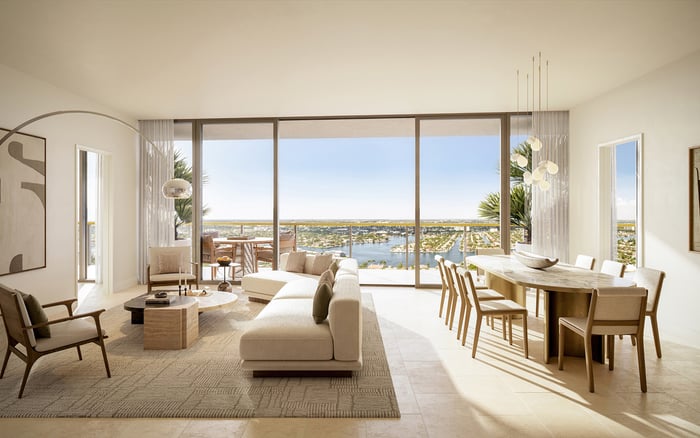
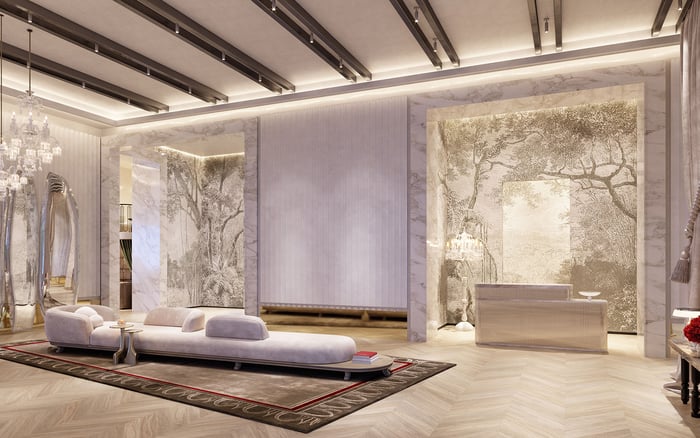
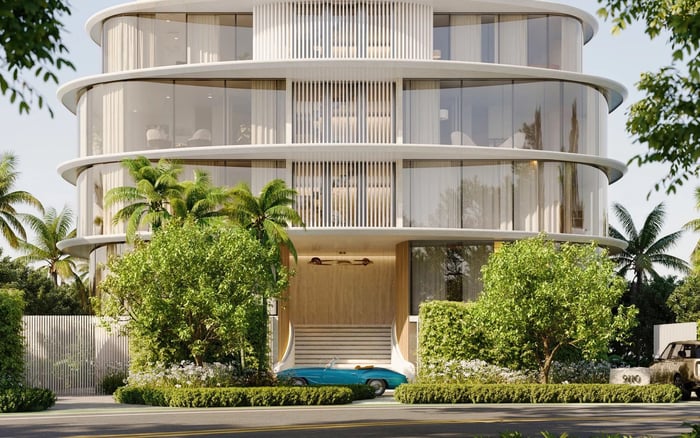
A refined guide for assessing smart-home command centers in South Florida penthouses, with attention to interface quality, resilience, privacy, serviceability, and long-term livability.
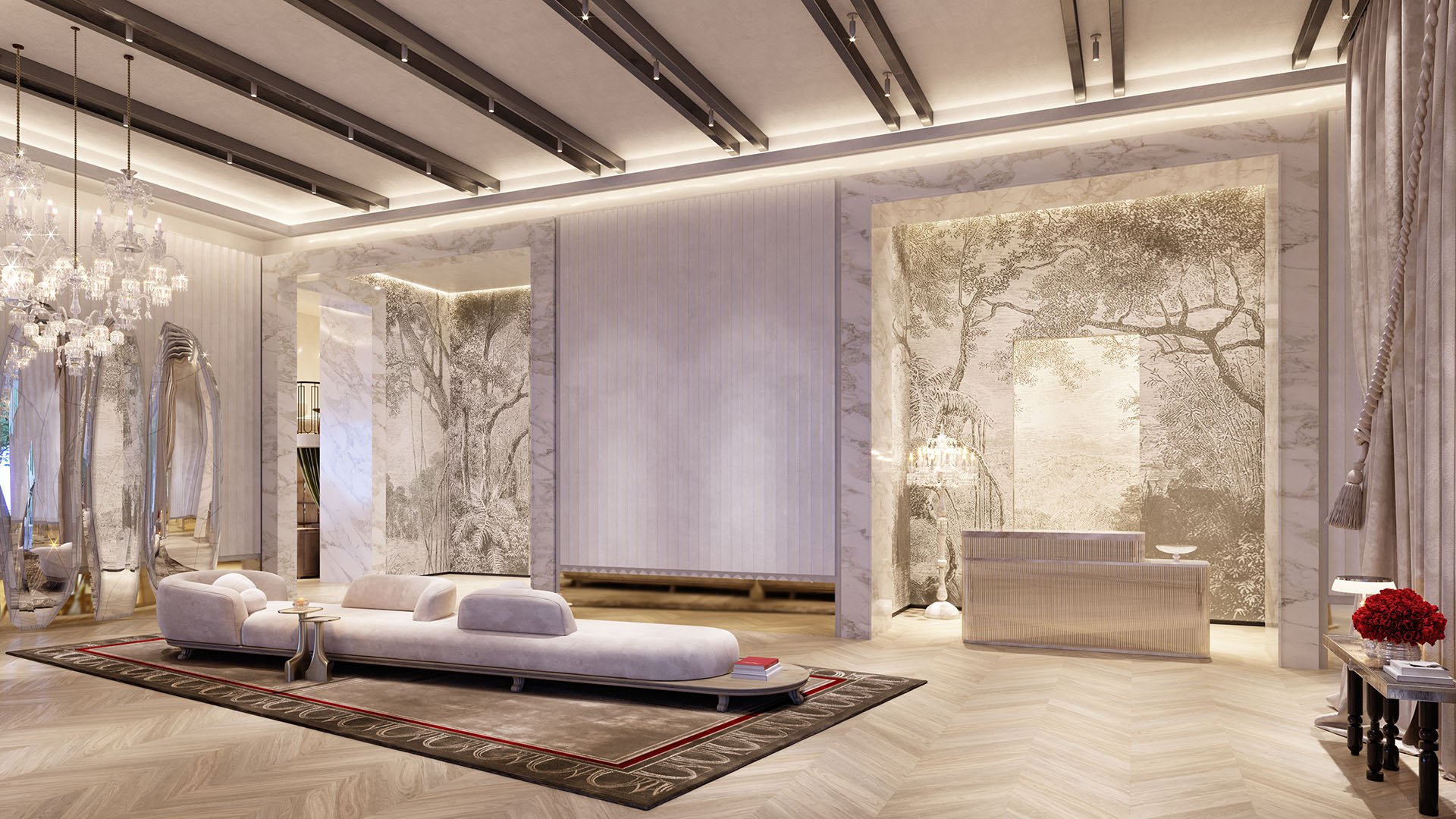
In a South Florida penthouse, a smart-home command center should not feel like a gadget wall. It should feel like quiet infrastructure behind a beautifully composed life. The best systems are nearly invisible in daily use, yet deeply capable when the home needs to shift from breakfast light to evening entertaining, from privacy to guest mode, or from weekday rhythm to a seasonal residence schedule.
For the ultra-premium buyer, the question is not whether a residence has smart-home technology. Most serious penthouses now do. The sharper question is whether the system has been designed as an integrated residential experience or assembled as a set of disconnected conveniences. A command center should control the home, but it should also protect the architecture, simplify ownership, and preserve the serenity that defines true luxury.
This lens is especially relevant across Brickell, Miami Beach, Sunny Isles, and other high-floor settings where an ultra-modern penthouse is expected to respond with discretion and speed.
A sophisticated evaluation starts with your life, not the equipment list. Walk through a normal day in the residence. How do the shades rise in the primary suite? What happens to lighting in the kitchen before sunrise? Can the great room shift from relaxed conversation to formal dining without a resident opening several apps? Does the terrace have its own logic, or is it treated like an afterthought?
The most successful command centers are organized around scenes. Morning, arrival, dinner, cinema, sleep, away, and storm preparation are more meaningful than individual switches. A buyer should ask for a live demonstration of these moments. If the system requires too many taps, too much memory, or constant explanation, it may impress during a showing but frustrate during ownership.
The interface should also be consistent. Wall keypads, touchscreens, mobile controls, and voice commands should use the same naming logic. If one room is called “Great Room” on a keypad and “Living Area” in an app, that small inconsistency may signal a larger coordination issue.
A penthouse command center should handle the essential domains of comfort and security with grace. Lighting is the first test. Look for dimming that feels smooth, zones that make architectural sense, and scenes that flatter materials, art, and views. Poorly programmed lighting can make even extraordinary interiors feel flat.
Shades are equally important in South Florida, where glare, heat, privacy, and view management all matter. The system should allow a resident to filter daylight without losing the horizon. In residences with expansive glass, shade control should feel intuitive room by room and scene by scene.
Climate control deserves close attention. Large-volume rooms, corner exposures, terraces, and high ceilings can create different comfort conditions within the same residence. A refined system should deliver comfort without constant adjustment. It should also make seasonal absence easier, allowing owners to maintain a residence responsibly while away.
Security, access, cameras, door stations, elevator integration, leak alerts, and audio distribution should be evaluated as part of one ecosystem. The most luxurious result is not maximum complexity. It is calm certainty.
Convenience is only half the story. In South Florida, a command center should also be judged by resilience. Ask what continues to work if the internet connection is interrupted. Ask what happens after a power event. Ask whether critical functions can still be operated manually and whether the residence has a clear recovery sequence after disruption.
A truly well-designed system does not make the owner dependent on a single screen. Key lighting, access, climate, and shade functions should be understandable even to a guest, house manager, or family member who did not attend the original handover. Luxury is not a password hunt at midnight.
Documentation is part of resilience. A complete system should come with clear room names, equipment locations, network information, service contacts, warranties where applicable, and a simple user guide. If the owner cannot tell who maintains the system or how it is structured, the residence may carry hidden operational risk.
Smart-home sophistication introduces a quieter concern: privacy. In a penthouse, the command center may touch cameras, microphones, door access, networks, entertainment accounts, and personal routines. Buyers should ask who has administrative access, how passwords are managed, and whether previous owner credentials have been removed before closing or occupancy.
The home network should distinguish between owner devices, guest access, building systems, and service access. This is not merely technical housekeeping. It protects the household’s privacy and reduces avoidable friction when staff, guests, or vendors need temporary connectivity.
Voice control also requires discretion. Some owners appreciate it in casual spaces but prefer keypad or app-based control in bedrooms, offices, and wellness areas. The right system gives choice. It should not force the home into a single interaction style.
A command center is only as luxurious as its support. Before placing a premium on a smart-home package, understand whether the system is widely serviceable, whether parts can be replaced without redesigning the residence, and whether the original integrator or another qualified specialist can maintain it.
Buyers should be alert to over-customization. A highly personalized system may have suited the previous owner perfectly but create a steep learning curve for the next. The most durable designs are tailored but legible, with elegant defaults that can be modified without unraveling the whole residence.
This matters for resale as well. A future buyer may admire automation, but they will hesitate if the technology feels opaque. Clean labeling, rational programming, and a concise handover package can make the system feel like an asset rather than an inherited project.
Treat the command center as you would a kitchen, closet system, or private elevator entry. It deserves direct inspection. Ask for the primary scenes to be demonstrated in real time. Open the app and look at naming, speed, and logic. Test a keypad. Ask how the residence is placed into away mode. Ask how guests are given access. Ask what happens if a screen fails.
Then observe how the system changes the mood of the residence. Does lighting reveal the stone, wood, art, and water views with subtlety? Do shades move quietly and stop where expected? Does audio fill a room without visual clutter? Does the interface feel designed for the household rather than for the installer?
The finest command centers are not theatrical. They are composed, fast, and forgiving. They make the penthouse easier to own, easier to host, easier to secure, and easier to leave for a season.
For a South Florida penthouse, the ideal smart-home command center is intuitive on day one and adaptable by year five. It should honor the architecture, preserve privacy, support service teams, and give the owner confidence in ordinary and unexpected moments alike.
Technology dates quickly when treated as decoration. It endures when designed as infrastructure. The distinction is visible not in the screen itself, but in the ease with which the residence responds.
What is a smart-home command center in a penthouse? It is the integrated control layer for systems such as lighting, shades, climate, audio, access, and security.
What should a buyer test first? Start with everyday scenes such as arrival, morning, dinner, sleep, and away mode to see whether the system feels intuitive.
Are more touchscreens always better? No. A strong system depends on clear programming, reliable controls, and simple access, not the number of visible devices.
Why are shades so important in South Florida? They help manage glare, privacy, heat, and view quality, especially in residences with expansive glass and elevated exposures.
Should the system work without internet? Essential functions should have a practical backup path or manual control so the residence remains usable during interruptions.
How important is documentation? Very important. Clear documentation makes service, ownership transfer, troubleshooting, and future upgrades much easier.
Can smart-home systems affect resale appeal? Yes. A legible, well-supported system can enhance confidence, while a confusing or unsupported system may create hesitation.
What privacy questions should owners ask? Ask who has administrative access, how passwords are managed, and whether prior credentials have been fully removed.
Is voice control essential? Not always. Many luxury owners prefer a mix of keypads, apps, touchscreens, and selective voice control depending on the room.
What is the sign of a truly refined command center? It makes the home feel calmer, more responsive, and easier to manage without drawing attention to the technology itself.
For a confidential assessment and a building-by-building shortlist, connect with MILLION.
If branded residences are on your mind — as a home or as an allocation — we would be glad to share what we are seeing, privately.
Begin a quiet conversation