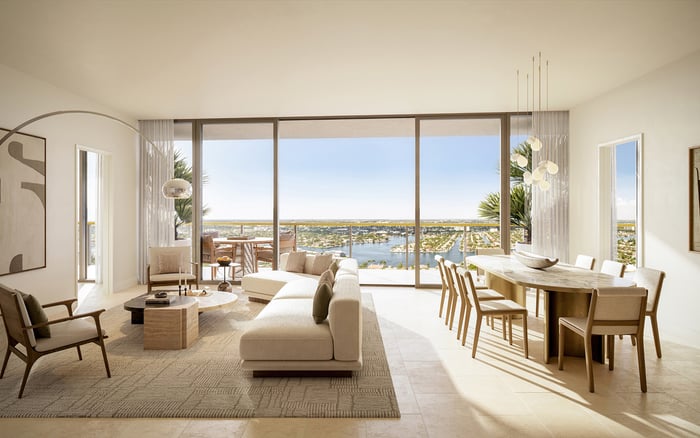
A Miami penthouse wine gallery can be a signature amenity, but buyers should evaluate it as a technical environment before signing. The right questions focus on climate control, glazing, service access, building approvals, insurance, and future flexibility.
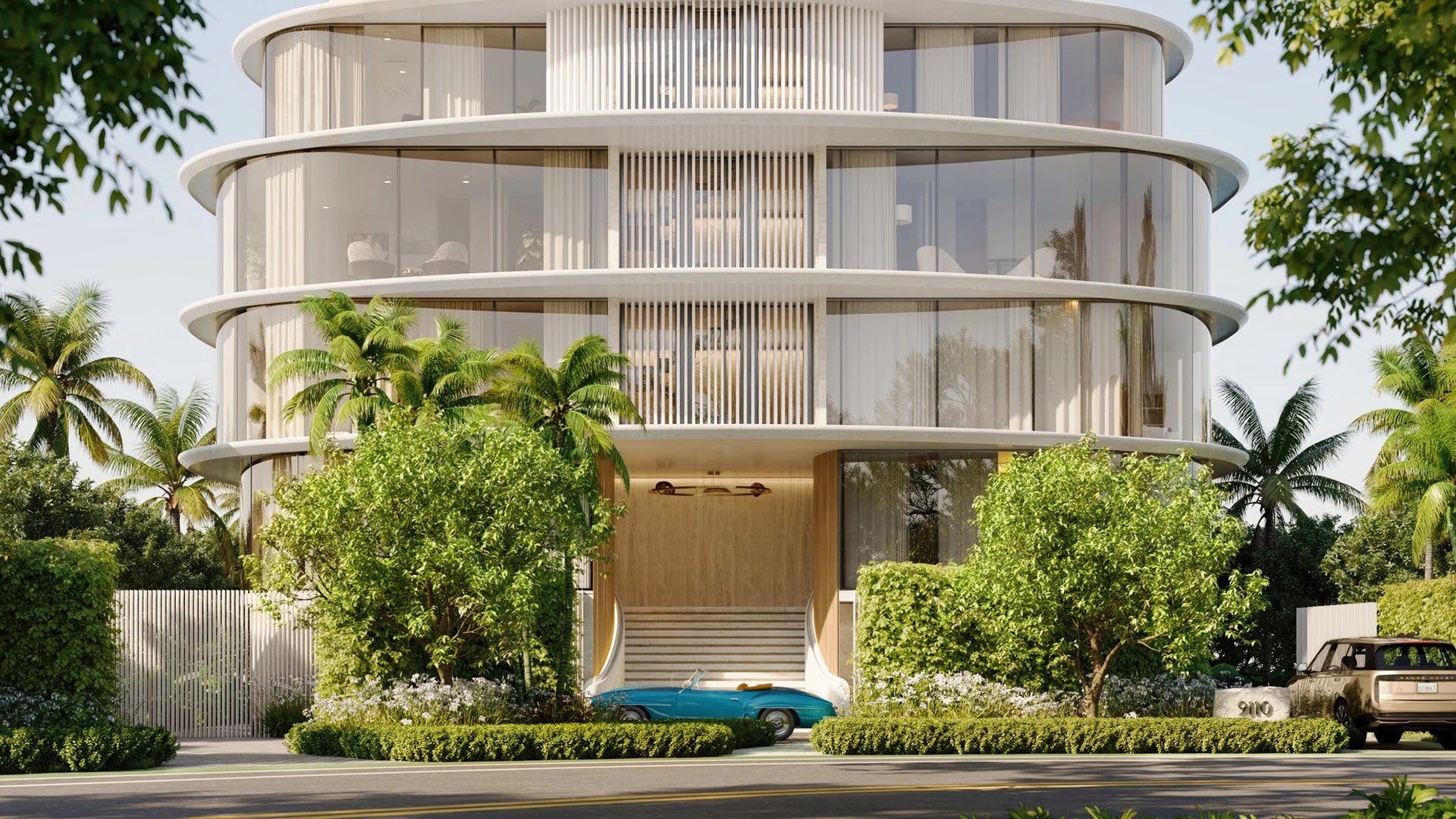
In Miami’s upper tier of penthouse living, the wine gallery has become a statement of taste, hospitality, and technical discipline. It is no longer enough for a buyer to admire backlit bottles behind glass and assume the feature will perform as beautifully as it photographs. Before contract, the sharper question is not whether the gallery looks impressive, but whether it has been designed, documented, and supported as a true controlled environment.
For a penthouse buyer, the stakes are unusually personal. A wine gallery may sit near entertaining areas, primary living spaces, a chef’s kitchen, or a private elevator arrival. It may become part of the residence’s daily choreography and part of its eventual resale narrative. If it is under-specified, however, it can introduce noise, heat gain, condensation, service interruptions, and avoidable maintenance questions.
The most refined buyers treat the wine gallery as infrastructure first and theater second. That means asking how it cools, how it breathes, how it is serviced, how it is protected, and how its performance is proven before closing.
Begin with purpose. Is the gallery intended for short-term display, long-term storage, or a hybrid of both? The answer changes nearly every technical question that follows. A dramatic glass enclosure for dinner-party presentation is not necessarily the same as a cellar-quality environment for bottles intended to age over time.
Buyers should ask for a written description of the intended use. If the gallery is being marketed as a true wine storage environment, the developer, designer, or seller should be able to explain the target conditions, the equipment strategy, and how those conditions will be maintained in ordinary Miami use. If the language is vague, buyers should slow down.
This is especially relevant in high-floor residences, where sun exposure, exterior glazing, mechanical routing, and service access can differ from lower-level homes. A gallery located near expansive window walls may require a more rigorous approach than one placed deeper within the plan.
The core of any serious wine gallery is environmental control. Before contract, ask whether the gallery has a dedicated cooling system or relies on the residence’s broader air-conditioning strategy. A dedicated system is not automatically superior in every installation, but the buyer should understand the logic behind the design.
Key questions include how temperature is monitored, how humidity is managed, whether alerts are available, and what happens if equipment fails while the owner is away. In a seasonal-use residence or second home, remote monitoring can be as important as the initial installation. If the buyer travels frequently, the gallery should not depend on someone noticing a problem only after it has affected the collection.
Redundancy deserves specific attention. Ask whether there is a backup plan, whether equipment can be repaired without dismantling finished millwork, and whether replacement parts are standard or highly specialized. A gallery that looks seamless but cannot be serviced easily may become costly at precisely the wrong moment.
Many Miami wine galleries are designed as architectural glass objects. That can be exquisite, but glass must be discussed carefully. Ask what type of glass is being used, whether it addresses ultraviolet exposure, how it responds to interior lighting, and whether the enclosure is sealed appropriately for the intended performance.
Lighting is equally important. A gallery should be beautiful when illuminated, but the lighting design should not work against the climate system. Ask whether the fixtures, transformers, and display lighting have been coordinated with the cooling load. Heat, glare, and continuous exposure can undermine a design that appears flawless in a rendering.
Buyers comparing Brickell, Miami Beach, Sunny Isles, or Fisher Island residences should also consider how lifestyle affects display. A waterfront sunset view, an entertaining salon, or a south-facing great room may be visually compelling, but those conditions can increase the importance of glass specification and shading strategy.
A wine gallery should not announce itself through mechanical hum. Ask where compressors, condensers, fans, or related components are located, and how noise has been managed. If equipment is near bedrooms, media rooms, or quiet lounges, sound isolation becomes part of the luxury experience.
Vibration is another overlooked issue. Fine millwork, glass doors, bottle racks, and mechanical equipment should be coordinated so the system performs quietly and steadily. Buyers do not need to become engineers, but they should ask whether vibration control was considered and whether the gallery has been tested while fully operational.
A private showing should include more than opening the door and admiring the finishes. Ask to experience the gallery while the system is running. Listen. Look for condensation, uneven airflow, fogging, rattling, or doors that do not close confidently. Small observations can reveal whether the installation is a showpiece or a disciplined environment.
Any cooled enclosure can introduce moisture questions. Before contract, ask where condensate goes, whether drainage has been properly routed, and whether leak detection is installed. In a high-value residence, even a minor water issue can become disruptive if it affects flooring, cabinetry, neighboring areas, or building systems.
The buyer should also confirm that the wine gallery is consistent with building rules and approvals. If it was installed after original delivery, ask whether the work was permitted where required and whether the condominium association has documentation. If the gallery is part of a new residence, request the relevant specifications and warranties before closing.
This is not merely administrative. Building access, mechanical penetrations, waterproofing, and service routing can affect future maintenance. A gallery that cannot be accessed without special approvals may be inconvenient for an owner who expects effortless living.
Capacity should be discussed honestly. A gallery that displays bottles beautifully may not hold the formats, cases, or service patterns a collector actually uses. Ask whether the racking accommodates larger bottles, mixed formats, open bottles, and presentation needs. If you entertain often, the gallery should support how wine is selected, staged, and served.
It is also worth asking how inventory will be managed. Some owners prefer a visually edited gallery for hospitality and keep deeper storage elsewhere. Others want the residence itself to hold a substantial collection. Neither approach is inherently better, but the design should match the owner’s habits.
Resale should be part of the conversation. Highly customized racking may delight one collector and limit another. A flexible system, or at least a gallery that can be modified without major construction, may appeal to a broader future audience.
Before signing, buyers should ask for written answers to the practical questions. What is included in the sale? Are cooling equipment, controls, lighting, racks, doors, sensors, and related components part of the residence? Are any elements excluded as personal property? If bottles are shown during marketing, confirm that they are not included unless specifically agreed.
Warranties matter. Ask who stands behind the equipment, the millwork, the glass, and the installation. If different trades are involved, clarify how responsibility is divided. A luxury residence should not leave the owner mediating between vendors after closing.
Insurance should also be addressed. Buyers should speak with their own advisors about coverage for the collection, the equipment, and potential water or mechanical issues. The wine gallery may be a lifestyle amenity, but it sits at the intersection of personal property, building systems, and interior finishes.
A successful wine gallery should feel inevitable. It should hold the room with elegance, support the owner’s rituals, and perform quietly in the background. The best version is not the loudest or largest. It is the one whose beauty is matched by careful planning.
For Miami penthouse buyers, that means bringing the same discipline to a wine gallery that they would bring to views, terrace depth, private elevator access, parking, and building services. The question is not whether the gallery is impressive today. The question is whether it will remain impressive after years of real use.
Should I ask if the wine gallery is for display or storage? Yes. Display and long-term storage can require different planning, so the intended purpose should be clear before contract.
Is a dedicated cooling system always necessary? Not always, but the buyer should understand how the gallery is cooled, monitored, and serviced.
What should I ask about glass? Ask about ultraviolet protection, sealing, heat gain, door performance, and how glass works with lighting and cooling.
Why does humidity matter in a penthouse wine gallery? Humidity affects the stability of the gallery environment and should be managed as part of the overall system design.
Should I inspect the gallery while it is operating? Yes. Listen for noise, look for condensation, and confirm that doors, lighting, and cooling operate smoothly.
What documents should I request before contract? Request specifications, warranties, service information, approvals where applicable, and a clear list of included components.
Can a wine gallery affect insurance? It can. Buyers should discuss coverage for the collection, equipment, and any related water or mechanical risks.
Are bottles included in the sale? Usually not unless specifically stated in the contract, so confirm inclusions in writing.
Does resale value depend on the gallery design? A flexible, well-executed gallery may appeal to more buyers than a highly personal or difficult-to-service installation.
Who should review the wine gallery before I sign? Consider qualified advisors for mechanical, construction, insurance, and legal review before the contract is finalized.
To compare the best-fit options with clarity, connect with MILLION.
If branded residences are on your mind — as a home or as an allocation — we would be glad to share what we are seeing, privately.
Begin a quiet conversation