A discreet buyer’s framework for evaluating luxury resident club programming through the lens of privacy, monthly carrying costs, and everyday ease in South Florida.
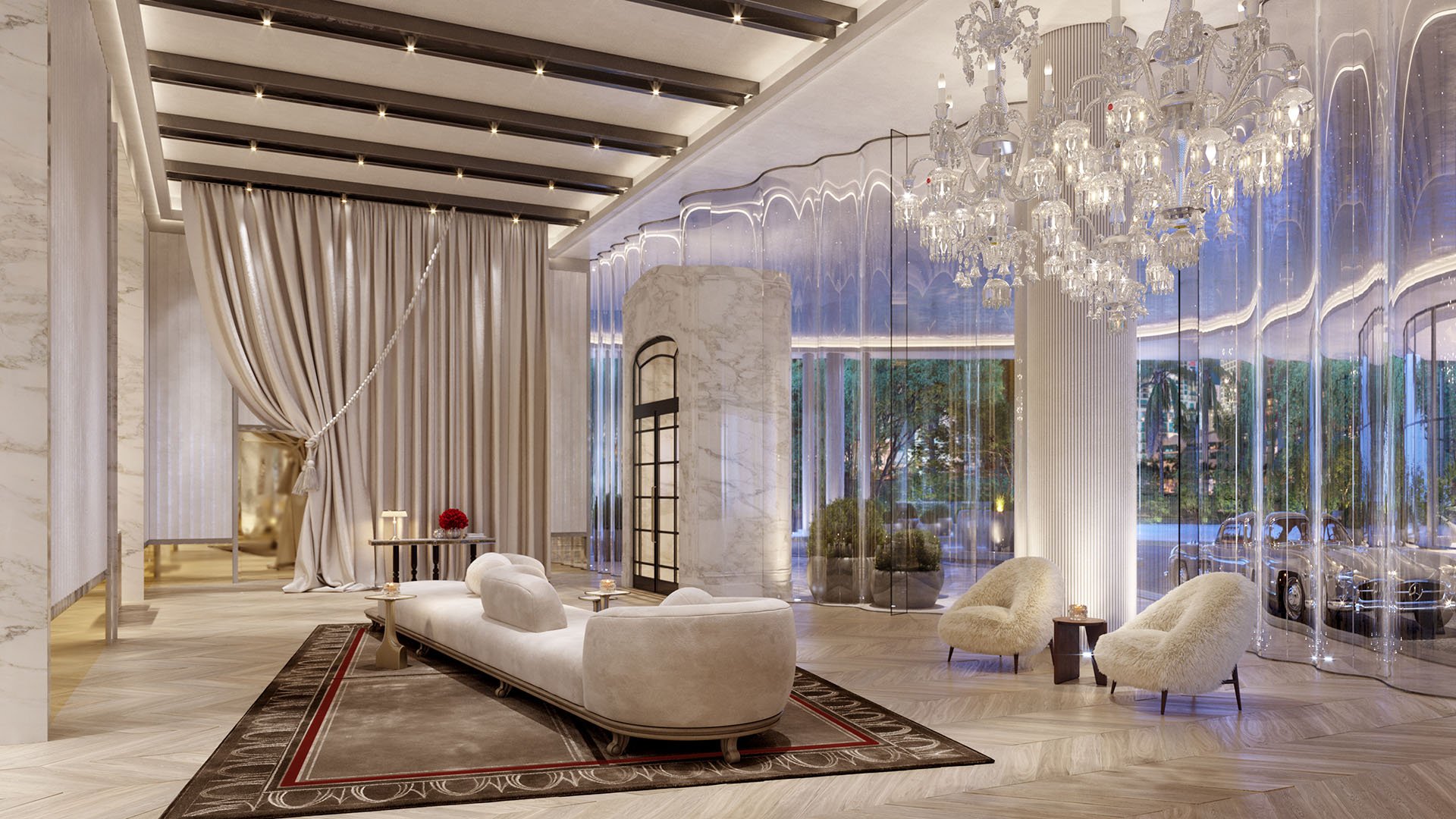
In South Florida’s luxury condominium market, the resident club has become more than a handsome room with a bar, a cinema, and a view. For discerning buyers, it is a living system that shapes privacy, service expectations, monthly expense, and the rhythm of everyday life. A beautifully designed club can be a meaningful asset, but only when its programming feels composed rather than performative.
The strongest evaluation begins with a simple question: who is the club really for? If the answer is residents first, the experience should feel calm, available, and intuitive. If the answer depends too heavily on guests, outside partnerships, or constant activation, the amenity may become busier than expected. In Brickell, Downtown, Edgewater, Aventura, and Surfside, the same amenity labels can translate into very different daily realities.
A buyer should study the resident club as carefully as the floor plan. The finishes may photograph beautifully, but the operating rules determine whether the experience supports a private life or interrupts it.
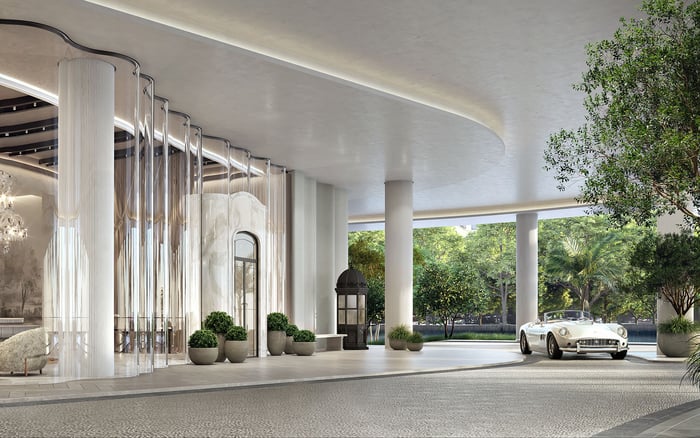
Privacy is not simply the absence of crowds. It is a structure of access, timing, staffing, and etiquette. When evaluating a club, ask how residents enter, where guests are received, and whether service personnel can move through the building without crossing the most private residential paths. A well-planned arrival sequence protects residents from unnecessary exposure while still allowing hospitality to feel warm.
Guest policy is especially important. A generous guest policy may sound appealing, but it can change the character of a dining room, pool deck, spa, or lounge. Buyers should ask whether guest access differs by amenity, whether reservations are required, and how peak periods are managed. A club that allows flexibility while preserving resident priority is generally more livable than one that relies on open-ended access.
Programming should also be considered through the lens of discretion. Wine tastings, wellness talks, chef dinners, and holiday gatherings can be elegant, but frequency matters. A calendar that is too full may make the building feel like a venue. The ideal cadence is curated enough to create community, yet restrained enough to let residents opt into social life on their own terms.
Resident club programming always has an economic dimension. Even when individual events appear complimentary, the staffing, maintenance, supplies, cleaning, entertainment, food service coordination, and security protocols are part of the building’s operating culture. A buyer should not merely ask what amenities exist, but how often they are activated and who pays to keep them active.
The key is to separate fixed operating needs from optional lifestyle enhancements. A staffed front desk, security, basic maintenance, and essential cleaning are core components of a luxury building. More elaborate programming may require a different financial profile. If the club has recurring classes, catered experiences, private dining support, visiting instructors, seasonal decor, or enhanced hospitality, those choices may influence the overall cost structure.
This does not mean programming is undesirable. In the right building, a polished resident calendar can elevate daily life and reduce the need for outside memberships. The question is whether the cost aligns with actual use. A buyer who travels frequently may value privacy and maintenance more than a packed social schedule. A full-time resident may appreciate a deeper calendar, especially if it replaces external club commitments.
The most successful resident clubs make life easier. They do not require residents to plan around congestion, navigate awkward guest rules, or compete for quiet spaces. Comfort is created by circulation, acoustics, reservation systems, elevator strategy, and staff judgment.
Walk the amenity level in your mind as if it were a typical weekday. Where would you take a call? Where would a teenager meet a friend? Where would visiting family sit before dinner? Is there a quiet path from the residence to the fitness area? Does the club feel equally suitable at 8 a.m. and 8 p.m.? These practical questions reveal more than a rendering can.
Sound is often overlooked. A lounge beside a dining room, a screening room near a wellness area, or a children’s room next to a co-working suite can create friction if not managed carefully. The best clubs allow different forms of living to coexist. They create zones for energy, restoration, and privacy without forcing one atmosphere onto every resident.
Before purchasing, request the rules and operating documents that govern the club experience. Focus on items that affect daily use: hours, guest limits, reservation priorities, private event policies, pet access, food and beverage rules, staffing model, and procedures for future changes. A resident club can evolve over time, so governance matters as much as design.
Ask how decisions are made when residents have competing preferences. If one group wants more events and another wants quieter common areas, the building’s decision-making process will shape the outcome. A thoughtfully governed residence has a way to balance lifestyle ambition with long-term calm.
It is also wise to ask what is included versus separately charged. Private dining, cabana service, wellness treatments, personal training, event attendance, guest passes, and room reservations may be handled differently from one building to another. The goal is not to avoid charges entirely, but to understand the true cost of the lifestyle being presented.
Neighborhood context should influence the way a buyer reads the resident club. In Brickell or Downtown, a club may function as a refuge from dense urban energy. Buyers may place greater value on secure arrivals, quiet lounges, wellness recovery, and dining that does not require leaving the building. In Edgewater, the balance may lean toward waterfront calm, open-air amenities, and relaxed social spaces that feel residential rather than commercial.
In Aventura, daily convenience can carry particular weight, especially for buyers who want a building that supports family visits, wellness routines, and easy hosting. In Surfside, privacy and scale often become central considerations, with buyers looking for amenities that feel intimate, quiet, and protected from unnecessary visibility.
None of these preferences is universal. The point is to match the club’s programming style to the life you actually intend to live. A highly social calendar may be perfect for one household and exhausting for another. A serene, lightly programmed club may feel elegant to a privacy-focused owner and too quiet to a buyer seeking frequent community events.
The most refined resident clubs are not defined by the longest amenity list. They are defined by proportion. The right club has enough service to feel effortless, enough programming to feel alive, and enough restraint to protect the sanctity of home.
When touring, look beyond the first impression. Notice whether staff presence feels attentive or intrusive. Notice whether the club has genuine places to retreat. Notice how guest access might feel during holidays, weekends, and peak season. Notice whether the building’s personality is built around spectacle or comfort.
For South Florida buyers, the resident club should be evaluated as an extension of the private residence. If the home is the center of personal life, the club is the surrounding atmosphere. It should enhance privacy, not dilute it. It should justify its carrying costs through real usefulness, not theatrical programming. Above all, it should make ordinary days feel smoother, quieter, and more gracefully supported.
What is resident club programming? It is the schedule of services, events, hospitality, wellness offerings, and social uses organized around a building’s private amenity spaces.
Why does programming affect privacy? More programming can increase guest traffic, staff activity, reservations, and shared-space use, all of which can change the feel of a private building.
Should I avoid buildings with active resident clubs? Not necessarily. A well-managed calendar can enrich daily life if resident priority, guest controls, and quiet zones are clearly protected.
How can I understand the true carrying cost? Ask what services are included, what is billed separately, and how recurring programming is supported through the building’s operating structure.
What club rules should I review first? Start with guest policies, hours of operation, reservation rules, private event limits, food and beverage rules, and procedures for future changes.
Is a larger amenity footprint always better? No. Scale matters less than usability, circulation, privacy, acoustic separation, and how well the spaces serve daily routines.
How do I evaluate a pool deck for comfort? Consider resident priority, guest access, shade, service expectations, towel and cleanup protocols, music rules, and peak-hour management.
What matters most for part-time owners? Part-time owners often prioritize security, maintenance quality, easy reservations, calm arrivals, and amenities that remain useful without constant planning.
What matters most for full-time residents? Full-time residents should focus on everyday access, noise control, practical hours, staff consistency, and whether programming supports normal routines.
Can club programming change after purchase? Yes, programming can evolve, which is why governance, budget discipline, and resident decision-making procedures deserve careful review.
For a confidential assessment and a building-by-building shortlist, connect with MILLION.
If branded residences are on your mind — as a home or as an allocation — we would be glad to share what we are seeing, privately.
Begin a quiet conversation