A practical guide for luxury South Florida buyers assessing pool equipment noise as part of privacy, operating cost, and daily-comfort due diligence.
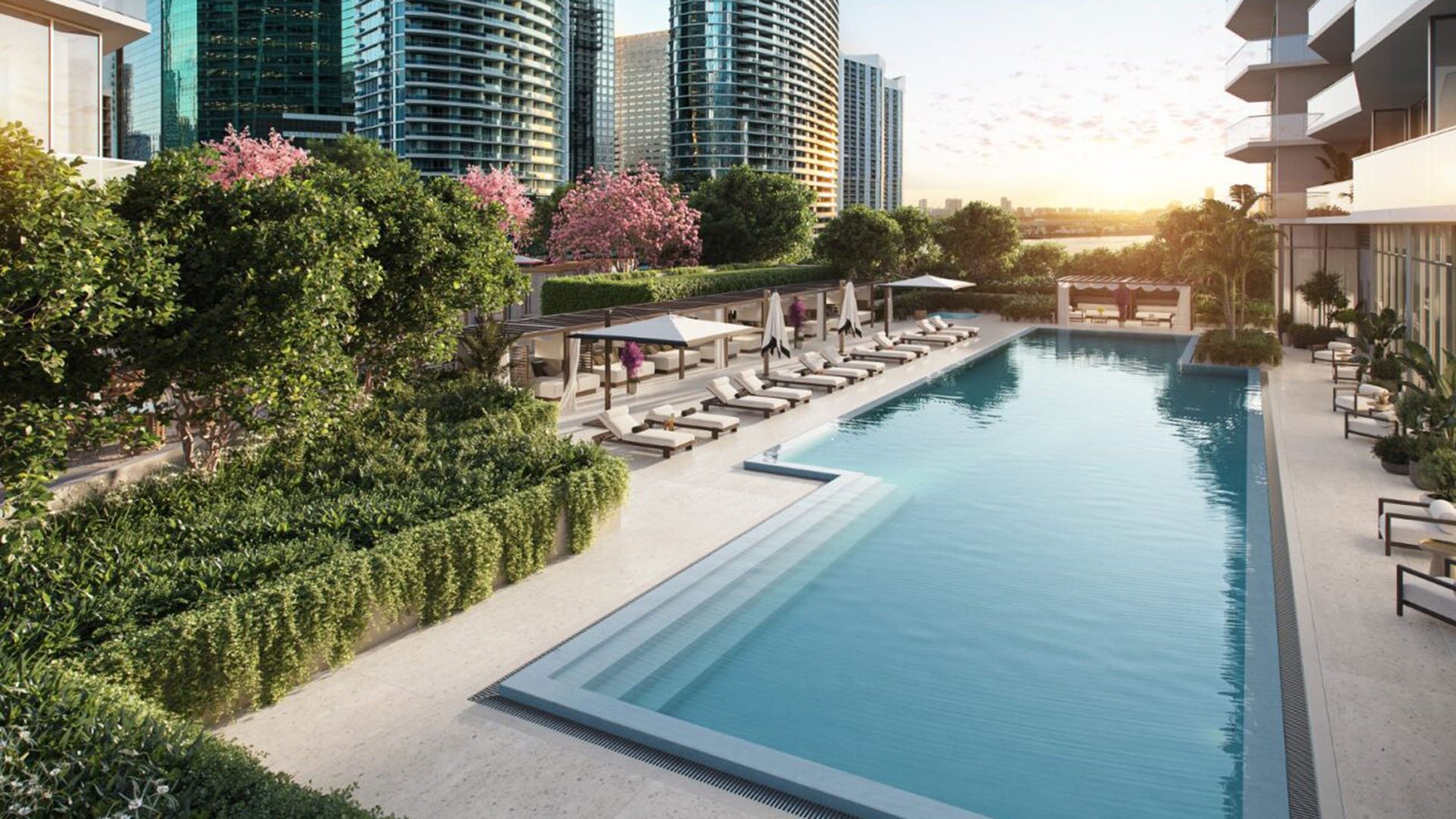
In South Florida luxury real estate, the pool is rarely just an amenity. It is part of the home’s daily choreography: morning laps, shaded lunches, children moving between water and lawn, evening cocktails on the terrace, and quiet hours when the house should feel composed. Yet one practical detail can shape that entire experience: the sound profile of pool equipment.
A beautiful pool can lose its serenity if pumps, heaters, automation components, or associated mechanical systems are poorly placed, poorly screened, or constantly audible from primary living areas. For a buyer evaluating a waterfront estate, a penthouse plunge pool, or a private residence in Brickell, acoustic comfort belongs alongside architecture, views, finishes, and maintenance history.
The goal is not silence at all costs. Pools require systems, and systems have operating realities. The objective is control: understanding what you hear, where you hear it, when it occurs, and whether it can be managed without compromising performance, safety, or service access.
A proper evaluation begins with a simple exercise: walk the home as you would live in it. Stand at the pool edge, then move to the outdoor dining area, summer kitchen, main seating zone, primary suite, guest rooms, office, and any balcony or terrace facing the equipment location. Listen with doors open and closed. Notice whether the sound is a steady hum, a vibration, a cycling start-and-stop pattern, or a sharper mechanical tone.
The location of the equipment matters as much as the equipment itself. A pump pad tucked behind landscaping may be acceptable if the sound dissipates away from the house. The same setup can become intrusive if it reflects off masonry, sits beneath a bedroom wall, or projects toward a neighbor’s outdoor living space. In dense coastal settings, including oceanfront residences where hard surfaces and wind corridors can carry sound unpredictably, placement deserves careful attention.
Ask to experience the pool system during a normal operating period, not only during a quiet showing. If the home has spa features, water features, heating, cleaning cycles, or automation schedules, each mode can change the acoustic character. What seems discreet during a brief tour may become noticeable when several components run together.
Luxury privacy is often discussed in terms of gates, hedges, setbacks, and window exposure. Pool equipment adds another dimension. Sound can reveal activity, disturb a neighbor, or make an otherwise secluded courtyard feel operational rather than restorative.
For single-family homes, consider the relationship between the equipment pad and adjacent property lines. A well-designed landscape buffer can soften both sight and sound, but vegetation alone may not resolve vibration or directional noise. Walls, screens, and enclosures should be assessed for both appearance and acoustic function. The most elegant solution is usually integrated into the architecture, not added afterward as an obvious patch.
In condominium and boutique-residence settings, the analysis shifts. A private plunge pool, shared amenity pool, or nearby mechanical room may influence the experience inside a residence even when the equipment is not on the buyer’s property. Listen from the interior, especially in bedrooms and quiet work areas. The most refined buildings manage mechanical sound as part of the broader residential atmosphere, making pool enjoyment feel effortless rather than engineered.
Noise and cost are connected because sound often follows runtime. A system that runs longer, works harder, or cycles inefficiently may be more noticeable and more expensive to operate. Buyers should understand the pool’s typical schedule: filtration, heating, spa operation, water features, cleaning equipment, and seasonal adjustments.
This is not only a utility-cost question. It is an ownership-quality question. A system that requires constant attention can affect service planning, equipment longevity, and the rhythm of the household. If a buyer intends to use the home as a second home or maintain it while traveling, automation and service access become particularly important.
During due diligence, request a clear explanation of how the system is operated and maintained. Review whether equipment is accessible without disrupting outdoor entertaining areas. A hidden equipment zone succeeds only if technicians can reach it easily, safely, and without leaving gates, panels, or pathways in disarray. In high-end ownership, the best mechanical plans are both discreet and serviceable.
The most common mistake is listening only at the waterline. A pool is part of an outdoor room, and that room may include dining, lounging, cooking, sunning, gardening, and quiet evening use. Sound that is acceptable while swimming may be irritating during dinner.
Stand where conversations will happen. Sit where you would read. Pause where guests would gather. Then ask whether the equipment sound competes with music, water movement, wind, or neighborhood ambience. In a trophy residence, daily comfort often depends on subtleties: whether a low-frequency hum is felt through a deck, whether a heater start-up is audible in the primary bath, or whether a pump enclosure creates a narrow acoustic corridor.
This is especially important for investment-minded buyers. Even if the owner is not highly sensitive to sound, future buyers may be. A polished pool area with unresolved mechanical noise can create hesitation during showings, particularly when competing homes offer a calmer outdoor experience.
The most useful questions are practical. Where is each component located? Which systems run daily? Which run only for spa use, heating, cleaning, or water features? Are schedules programmable? Has any sound mitigation already been installed? Is the equipment area ventilated properly? Could screening be improved without restricting airflow or access?
Avoid assuming that a newer system is automatically quieter or that an enclosure is automatically beneficial. Poorly designed screening can trap heat, complicate service, or amplify vibration. Conversely, thoughtful placement, secure mounting, proper clearances, and refined landscape integration can make equipment far less intrusive.
If sound is a concern, bring the right professionals into the inspection process. A pool specialist can explain operating modes and maintenance implications. A contractor or acoustic consultant can advise whether vibration isolation, relocation, screening, or enclosure refinement is realistic. The key is to evaluate options before closing, when negotiation and planning are still available.
The best luxury due diligence is sensory. It asks not only whether a system functions, but how the home feels when that system is functioning. Pool equipment noise sits at the intersection of comfort, privacy, design, and operating discipline.
For a buyer comparing homes across South Florida, the quietest property is not always the right one. The better question is whether the sound profile is appropriate for the architecture and lifestyle. A lively family compound may tolerate a different acoustic baseline than a minimalist retreat designed for stillness. A waterfront entertaining house may prioritize equipment capacity and reliability, while a garden-facing villa may demand near-invisible operation.
When evaluated thoughtfully, pool equipment becomes part of the home’s invisible luxury. It supports clear water, comfortable temperatures, and effortless entertaining while remaining respectfully in the background. That is the standard worth pursuing.
Why should buyers evaluate pool equipment noise before closing? Because it can affect daily comfort, privacy, maintenance planning, and future resale confidence.
Where should I listen from during a showing? Listen from the pool deck, outdoor dining areas, bedrooms, offices, terraces, and any rooms facing the equipment.
Is some pool equipment noise normal? Yes. The concern is whether the sound is intrusive, poorly located, irregular, or difficult to manage.
Can landscaping solve pool equipment noise? Landscaping can help soften perception, but vibration, placement, and enclosure design may require more targeted solutions.
Should I test the spa and water features too? Yes. Different operating modes can create different sound levels, especially when several components run together.
Does equipment noise affect privacy? It can. Sound may carry toward neighbors or make a secluded outdoor area feel less serene.
Can pool noise influence carrying costs? Often, because runtime, heating, cleaning cycles, and system efficiency can affect both sound and operating expense.
What professionals should review a concern? A pool specialist can review system operation, while a contractor or acoustic consultant can assess mitigation options.
Is equipment relocation always possible? Not always. Relocation depends on space, access, plumbing, electrical routing, ventilation, and design constraints.
What is the luxury standard for pool equipment? The system should perform reliably while remaining discreet in the home’s most important living and entertaining areas.
For a discreet conversation and a curated building-by-building shortlist, connect with MILLION.
If branded residences are on your mind — as a home or as an allocation — we would be glad to share what we are seeing, privately.
Begin a quiet conversation