A discreet buyer’s guide to evaluating smart appliances, connected systems, vendor access, and data privacy before purchasing a luxury condo in South Florida.
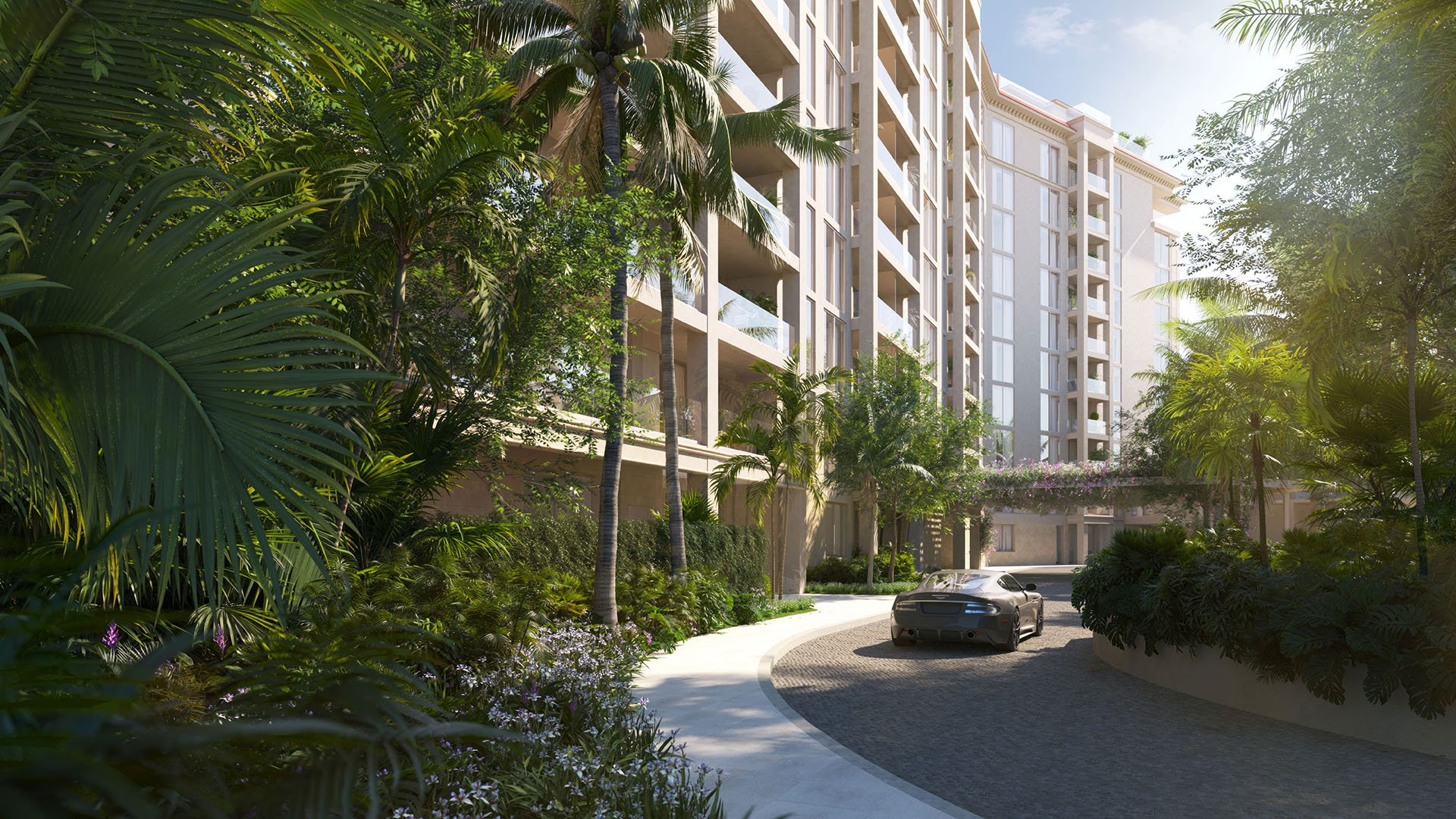
In South Florida’s premier condo market, the conversation around smart appliances has moved well beyond convenience. A kitchen that preheats remotely, climate systems that anticipate arrival, automated shades that respond to the sun, and refrigerators that sync with mobile apps can all elevate daily life. Yet for the buyer of a high-value residence, the sharper question is not simply what the home can do. It is who can access it, update it, monitor it, or interrupt it.
Privacy has become part of the luxury specification. It belongs beside ceiling heights, private elevator foyers, stone selection, wellness amenities, and water views. The most successful buyers approach connected living with composure: they do not reject technology, but they insist that it be legible, controllable, and transferable. In practical terms, that standard applies whether the search begins in Brickell, Miami Beach, Sunny Isles, Coconut Grove, a new-construction tower, or a residence defined by its balcony experience.
Before closing, request a complete inventory of connected appliances and smart systems inside the residence. This should include kitchen appliances, laundry equipment, thermostats, lighting controls, motorized window treatments, leak sensors, door hardware, cameras if present, audio systems, home networking equipment, and any integrated control panels. The objective is to understand the home’s full digital footprint, not merely the devices in plain view.
Ask which systems are native to the residence, which were added by a previous owner, and which are part of a building-wide platform. This distinction matters. A private smart oven is one issue. A thermostat or access system that communicates with building operations is another. Buyers should know whether the association, developer, maintenance vendor, installer, or prior owner has any continuing administrative relationship with the technology.
A sophisticated checklist should also identify which devices require cloud accounts and which can function locally. Cloud-dependent appliances may offer elegant app experiences, but they also introduce outside account permissions, password histories, software updates, and service terms. Local control can be cleaner, though it is not automatically superior. The key is clarity.
Not every feature deserves the same level of concern. A connected dishwasher that sends a maintenance alert is different from a camera-enabled entry system or a voice assistant positioned in a primary suite. Prioritize systems by sensitivity. Anything related to entry, surveillance, audio capture, occupancy patterns, climate schedules, personal routines, or payment information deserves heightened review.
Buyers should ask whether cameras or microphones are present in any appliance, display, speaker, intercom, or security device. If so, determine whether they can be disabled physically, not only through an app toggle. Also confirm whether recordings, snapshots, logs, or voice histories are stored anywhere, and who can delete them. The most elegant solution is often restraint: fewer devices with better governance, rather than a showroom of unattended features.
A common privacy weakness is inherited ownership. A seller may hand over keys and remotes while still controlling appliance apps, smart locks, lighting scenes, or thermostat schedules from an old account. For a luxury buyer, that is unacceptable. Digital possession must transfer as deliberately as physical possession.
Before closing, require a reset and re-registration plan for every connected system. The seller should remove the residence from all personal accounts. The buyer should create new credentials, enable strong authentication where available, and document which email addresses and phone numbers become administrative contacts. If the residence has a technology integrator, confirm whether that vendor retains remote access and under what conditions.
The walk-through should include a privacy reset, not merely a visual inspection. Open apps. Test controls. Confirm that locks, appliances, climate, shades, lighting, and audio respond only to the buyer’s approved accounts. If a device cannot be reset confidently, consider replacing it.
South Florida luxury condos often combine private residences with shared infrastructure, including access control, package rooms, amenity reservations, valet coordination, guest management, elevators, parking systems, and service communications. These platforms may be essential to daily life, but they deserve the same discretion as in-unit appliances.
Ask what information the building platform collects and how residents manage permissions for household members, staff, guests, and vendors. A buyer with domestic staff, seasonal guests, yacht crew, security personnel, or visiting family should understand how access credentials are created, tracked, limited, and revoked. Convenience is valuable only when it is reversible.
It is also prudent to understand how building Wi-Fi, private networks, and in-residence networks are separated. A secure residence should not depend on default passwords, shared equipment, or poorly labeled wiring. If the home includes a network closet, confirm what hardware belongs to the unit, what belongs to the building, and what should be replaced as part of move-in preparation.
Smart appliances are only as private as the network beneath them. Before relying on any connected feature, a buyer should have the residence’s router, access points, passwords, guest networks, and device naming conventions professionally reviewed. Default credentials should be eliminated. Unknown devices should be removed. Separate networks can be used for personal devices, guests, staff, and appliances.
This is especially important in second homes, where residences may sit unoccupied for periods while systems remain online. Remote monitoring can be useful for climate, leaks, and access, but remote access should be tightly configured. Buyers should know who receives alerts, who can change settings, and what happens if a vendor account is compromised.
A discreet home network is not only a technical asset. It is a lifestyle asset. It supports private entertaining, quiet arrivals, staff coordination, and family use without making the residence feel engineered. The best systems disappear into the background because they have been properly designed.
Connected appliances are living products. They receive software updates, require account maintenance, and may eventually lose support. When reviewing a residence, ask how firmware updates are handled. Are they automatic? Can they be scheduled? Can they change functionality without notice? Who is responsible when an update disrupts integration with lighting, controls, or voice systems?
Service access is equally important. If an appliance technician, audio installer, shade vendor, or building engineer needs remote entry into a control platform, that access should be temporary, documented, and revocable. Permanent vendor credentials are convenient, but they can become invisible over time.
End-of-life planning also belongs in the checklist. If a prior owner installed niche devices or heavily customized controls, the buyer should understand whether replacement parts, compatible apps, and integrator support remain available. A beautiful residence should not depend on abandoned software.
For buyers, privacy diligence is most effective when raised early. Advisors can request appliance schedules, smart-system summaries, reset procedures, warranty information, and integrator contacts during the contract period. The objective is not to complicate the purchase. It is to prevent ambiguity from becoming the buyer’s problem after closing.
A well-structured purchase process may include a technology inspection alongside traditional physical inspections. This can be especially valuable in residences with extensive automation, custom audio, private elevators, motorized doors, climate zoning, or advanced security. The inspection should identify what exists, what is secure, what is obsolete, and what should be reset or replaced.
The most privacy-conscious buyers also establish household protocols after closing. Decide who can install apps, who receives device notifications, how guest access is handled, and when staff credentials expire. Luxury is not only the ability to control the home from anywhere. It is the confidence that not everyone else can.
Start with ownership. Confirm that every connected appliance and smart system can be transferred cleanly to the buyer. Then move to access. Identify all users, vendors, prior owners, building staff, and service providers with any control or visibility. Next, review data. Ask what is collected, where it is stored, and how it can be deleted.
After that, evaluate resilience. What happens if the internet goes down? Can essential functions still operate manually? Can doors open, shades move, thermostats run, and appliances function without a cloud connection? Finally, set a post-closing reset plan. Replace passwords, update firmware, rename devices, create separate networks, remove unknown users, and document the system for future resale.
For South Florida condo buyers, this is not paranoia. It is stewardship. The more connected the residence, the more valuable disciplined privacy becomes.
Should smart appliances be inspected before buying a condo? Yes. Buyers should understand what devices exist, who controls them, and whether accounts can be transferred or reset cleanly.
What is the biggest privacy risk in a connected residence? The most common risk is lingering access from prior owners, vendors, or unmanaged accounts tied to appliances and control systems.
Should I replace smart locks after closing? If ownership and access history are unclear, replacement or a complete reset is a prudent step for entry-related systems.
Are voice assistants appropriate in a luxury condo? They can be useful, but buyers should know whether microphones are active, how histories are stored, and how to disable them.
Do building apps create privacy considerations? Yes. Guest access, amenity reservations, valet requests, and service permissions can reveal routines if not managed carefully.
What should I ask the seller to provide? Request a device inventory, account transfer plan, warranty details, installer contacts, and any smart-home documentation.
Can smart appliances work without internet access? Some functions may work locally, while app-based features may depend on connectivity. Buyers should test essential operations.
Should staff and guests have separate credentials? Yes. Separate, time-limited access is preferable because it can be modified or revoked without affecting the owner’s controls.
How soon should passwords be changed after closing? Immediately. Password changes should be part of the same move-in protocol as rekeying, insurance setup, and utility transfers.
Is a technology inspection worth it for a luxury condo? For highly automated residences, it can clarify exposure, simplify ownership transfer, and reduce post-closing surprises.
For a tailored shortlist and next-step guidance, connect with MILLION.
If branded residences are on your mind — as a home or as an allocation — we would be glad to share what we are seeing, privately.
Begin a quiet conversation