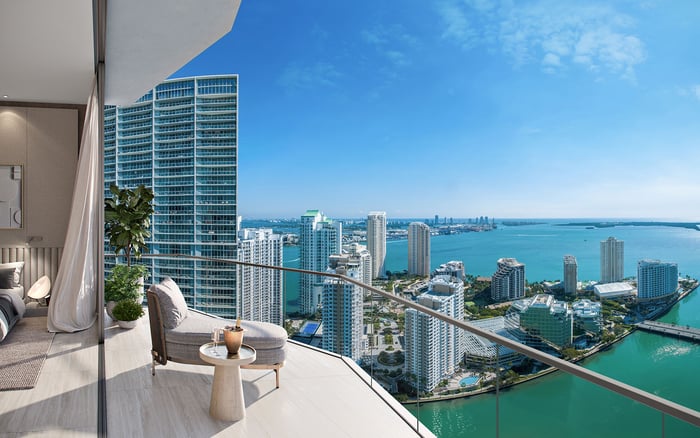
A practical guide for family buyers evaluating thermal comfort in South Florida condos, with attention to humidity, glazing, HVAC design, balconies, amenities, and daily routines.
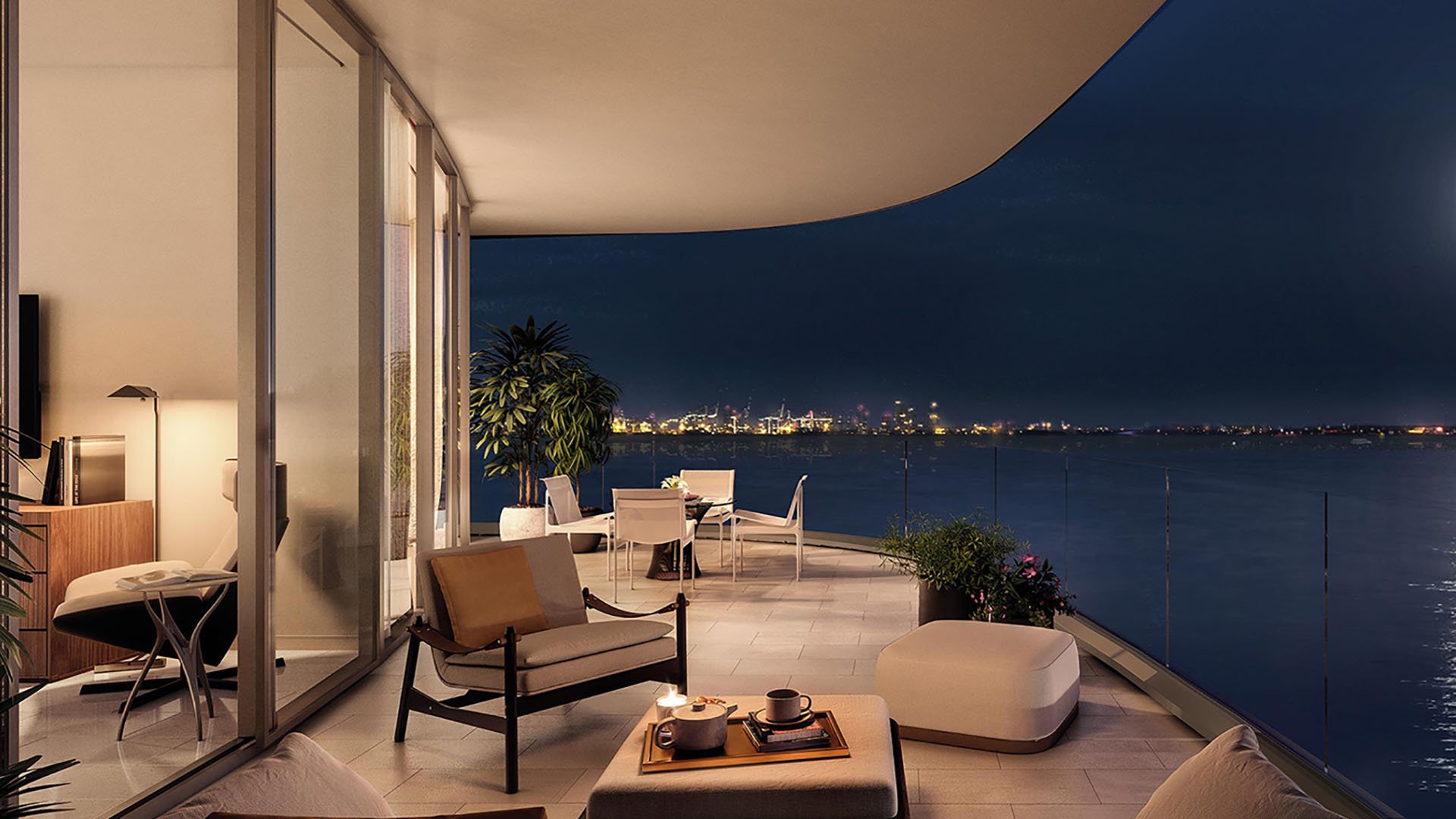
For families buying in South Florida, the most seductive rooms are often the easiest to admire: a living room with glass over water, a primary suite with morning light, or a deep terrace above the palms. Yet the lasting test of a condominium is not only how it photographs. It is how it feels at breakfast, after school, at bedtime, and on a bright afternoon when the entire household is moving through the home.
Thermal comfort is the quiet luxury beneath the visible one. It brings together air temperature, humidity, radiant heat from sunlit surfaces, air movement, glazing, and HVAC design. In a family residence, those elements become more complex because different rooms are used at different times, by different people, for different routines. A nursery, a media room, a kitchen, and a terrace-facing great room may each require a distinct comfort strategy.
This is especially relevant in searches that span Brickell, Miami Beach, Sunny Isles, Coconut Grove, balcony residences, and new-construction options. Those labels can help organize a search, but they do not answer the deeper question: will the residence feel calm, balanced, and livable throughout the day?
A cool room is not automatically a comfortable room. Temperature matters, but it is only one part of the experience. Humidity can make a space feel heavier than the thermostat suggests. Direct sun can warm floors, stone, millwork, and upholstery, creating radiant heat even when the air is conditioned. Still air can feel stagnant; too much air movement can feel intrusive in bedrooms or study areas.
Family buyers should therefore tour with more than a visual mindset. Notice whether the great room feels different near the glass than it does near an interior wall. Step into secondary bedrooms, not just the primary suite. Spend time in the kitchen, where family life often gathers. If a home has expansive glazing, ask how the system is designed to manage both temperature and humidity, not simply produce cold air.
The most refined homes feel consistent without feeling forced. There is no sense of a room fighting the climate. The air feels even, finishes do not radiate heat unpleasantly, and bedrooms can remain restful while social spaces stay open and bright.
Glass is one of the great pleasures of South Florida condominium living. It frames water, skyline, gardens, and horizon. It also determines how heat and light enter the home. For families, the key is to consider the daily rhythm of exposure. A room that looks magnificent in a brief showing may become intensely bright at the exact hour when children are doing homework or when the household gathers before dinner.
Ask how each major room receives light. Consider where cribs, desks, breakfast tables, and media seating would actually go. A beautiful glass line can be compatible with family life when shading, glazing performance, and interior planning work together. Without that alignment, the family may end up closing shades during the very moments when the view was meant to be enjoyed.
Terraces deserve the same scrutiny. A large outdoor area can extend the home, but it also influences how adjacent interiors feel. Doors, thresholds, exposure, and shade all play a role. The best family plan is not simply the one with the largest exterior space. It is the one where indoor and outdoor zones support one another gracefully.
Before committing to a residence, family buyers should ask precise questions about HVAC design and control. The goal is not to become mechanical engineers. It is to understand whether the home can support varied family routines without constant adjustment.
Start with zoning. Can bedrooms be managed separately from main entertaining areas? Can a child’s room remain comfortable while adults use the living area later in the evening? Is the system designed to address humidity as part of overall comfort? Where are supply and return locations, and do they support even air distribution throughout the plan?
Maintenance also matters. Filters, equipment access, service routines, and building protocols all affect the ownership experience. A luxury residence should not only feel comfortable during a tour. It should be serviceable over time, with systems that can be managed without disrupting family life.
For resale buyers, pay close attention to how the current residence is being used. If heavy window treatments are always drawn, if portable fans are placed in key rooms, or if certain areas feel noticeably warmer, those observations deserve follow-up. They are not necessarily deal breakers, but they are signals to investigate.
Children experience the home differently from adults. A room that feels acceptable during a daytime tour may feel too warm at bedtime, too bright at naptime, or too drafty for quiet play. Thermal comfort in bedrooms should therefore be evaluated with special care.
Look at the position of beds relative to glass, vents, and doors. Consider whether a nursery wall receives strong radiant heat. Think about blackout shades, but do not treat them as the only solution. Shades can manage light and help with comfort, yet they cannot compensate for every planning or system issue.
For multigenerational households, the comfort range may be even broader. Grandparents, parents, teenagers, and young children may each prefer different conditions. Zoning, layout, and room orientation can make the difference between a home that feels flexible and one that produces daily negotiation.
Thermal comfort does not stop at the unit door. Families use lobbies, corridors, elevators, play areas, fitness spaces, outdoor lounges, and pool decks as part of everyday life. A residence may be serene, but if transitions through shared spaces feel harsh or poorly managed, the ownership experience can feel less polished.
When touring a building, move through the path your family would actually take: from parking or arrival to elevator, from elevator to residence, from home to outdoor amenities, and back again. Notice whether covered areas, shaded seating, and indoor waiting zones make daily movement easier. This is particularly important for families with strollers, sports gear, pets, or visiting relatives.
The most successful buildings create a sense of thermal continuity. They do not make residents feel as though every transition is a shock between conditioned interiors and exposed exterior spaces. That continuity is part of the subtle architecture of comfort.
A family-focused tour should be slower than a standard showing. Visit, when possible, at a time that reflects real use. Stand near the glass. Open the balcony door if permitted. Sit in the secondary bedrooms. Listen for airflow. Notice whether the home feels balanced or whether comfort depends on retreating to only certain rooms.
Bring your floor plan thinking with you. Where will children read? Where will guests sleep? Where will someone take a call while another person cooks? Thermal comfort is inseparable from furniture placement and family choreography.
Finally, resist the temptation to treat comfort as a post-closing detail. Furnishings, shades, and smart controls can refine a residence, but the core experience is shaped by orientation, envelope, glazing, and mechanical design. In South Florida’s luxury market, the most enduring homes are those where beauty and comfort feel inseparable.
What does thermal comfort mean in a South Florida condo? It means how the residence feels when temperature, humidity, radiant heat, airflow, glazing, and HVAC performance work together.
Why should families evaluate comfort differently than individual buyers? Families use more rooms at more times of day, so comfort must support bedrooms, homework areas, kitchens, and shared spaces.
Is a lower thermostat setting enough to solve comfort concerns? Not always. Humidity, sun exposure, air movement, and radiant heat can affect comfort even when the air feels cool.
How should buyers assess large glass walls? Look at light exposure, heat near the glass, shade options, and whether key furniture locations remain comfortable.
What should parents check in children’s bedrooms? Review vent locations, sun exposure, bed placement, shade potential, and whether the room feels stable and quiet.
Do balconies influence indoor comfort? Yes, exterior exposure, door placement, and shade can affect how adjacent interiors feel during daily use.
Which HVAC questions matter most before purchase? Ask about zoning, humidity management, air distribution, equipment access, and routine maintenance expectations.
Can interior design improve thermal comfort? It can refine comfort through shades, layouts, textiles, and furnishings, but it cannot replace strong core systems.
Should amenities be part of the comfort review? Yes. Families experience comfort through arrivals, corridors, elevators, outdoor lounges, and daily amenity transitions.
When is the best time to evaluate comfort during a tour? A visit that overlaps with real family use can reveal how light, air, and room balance feel in practice.
For a tailored shortlist and next-step guidance, connect with MILLION.
If branded residences are on your mind — as a home or as an allocation — we would be glad to share what we are seeing, privately.
Begin a quiet conversation