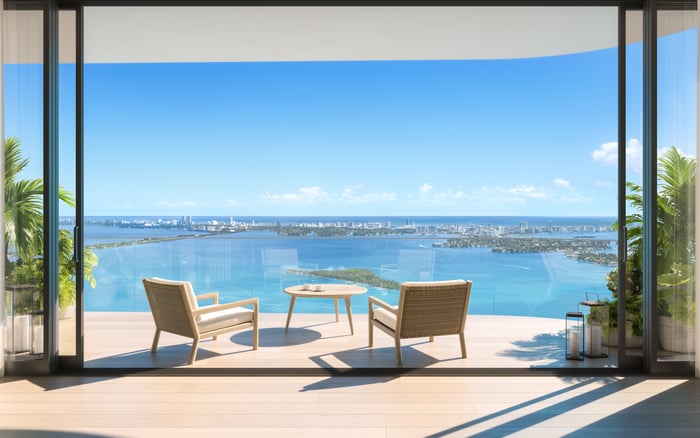
For Edgewater buyers, wellness value depends less on an amenity count than on daily usability, governance, and upkeep. A disciplined review should pair building-level diligence with real-world testing of access to routine, urgent, emergency, and specialist care.
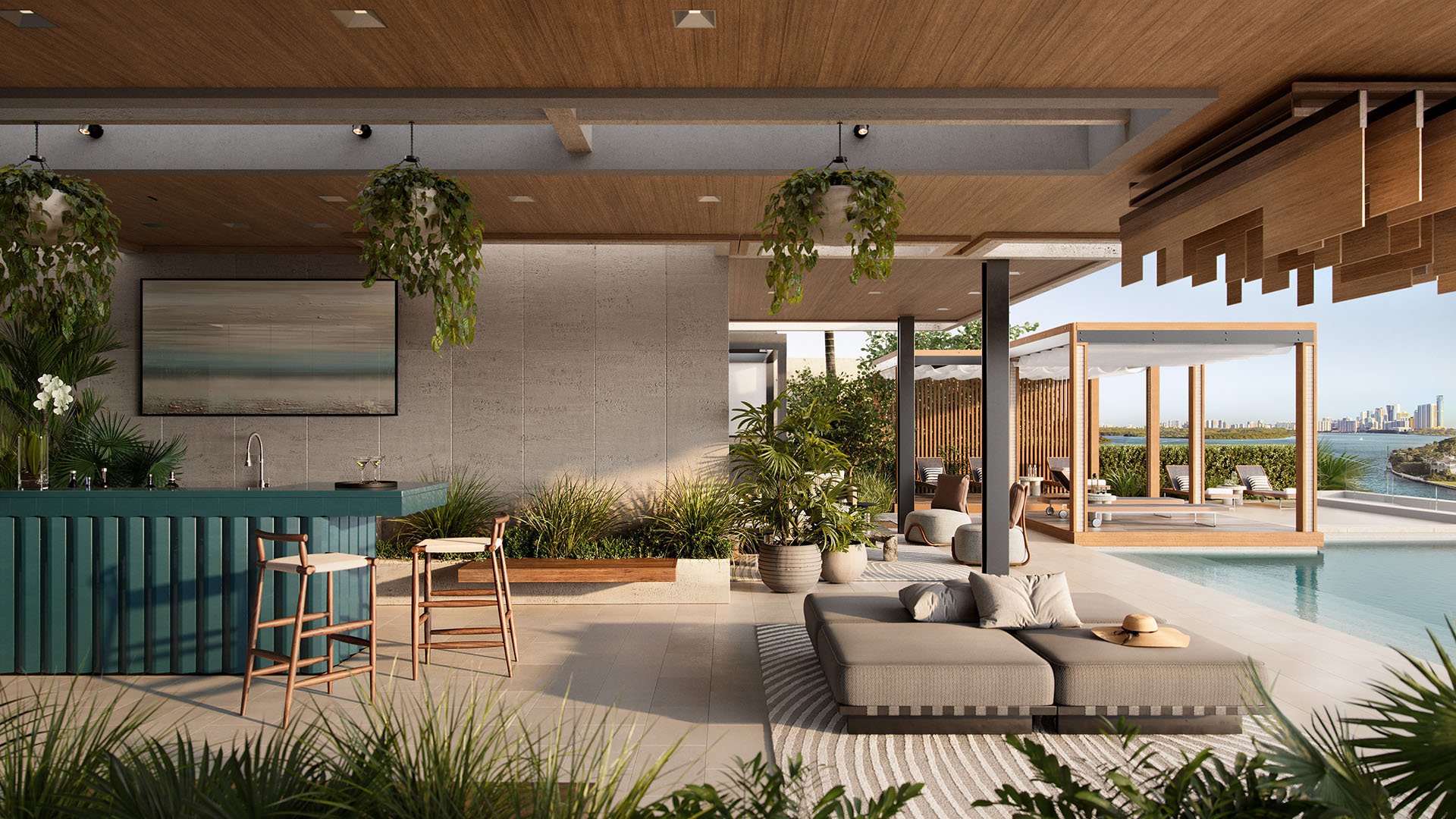
For an Edgewater buyer in 2026, wellness should function as an operating system rather than a decorative layer. Begin by defining the routines that matter to the household: strength training before work, low-impact movement, outdoor time, recovery, swimming, private instruction, or quiet space for meditation. Then rank each by frequency. A feature used five times a week deserves more weight than an impressive room visited twice a year.
Apply the same discipline to medical proximity. Separate routine care, urgent care, emergency needs, pharmacy access, diagnostics, and specialist appointments. Each category carries a different tolerance for travel time, scheduling friction, and route uncertainty. Buyers managing an ongoing condition, caring for children, or planning for aging relatives should develop a more exacting brief than a household focused primarily on preventive care.
This is fundamentally a lifestyle decision. The strongest purchase is not necessarily the residence with the longest amenity menu, but the one whose spaces, rules, services, and location support the buyer's actual week.
Evaluate every wellness space through five lenses: access, capacity, privacy, programming, and maintenance. For a gym, examine operating hours, guest and trainer policies, equipment replacement, climate control, acoustics, sanitation, and peak-time demand. For treatment or recovery rooms, confirm how reservations work, whether services depend on outside vendors, and which costs fall outside regular assessments.
A pool warrants its own review. Examine hours, reservation policies if applicable, shade, seating demand, lap-swimming practicality, noise exposure, accessibility, and the balance between leisure and exercise. A visually dramatic setting may still be poorly suited to a disciplined training schedule.
Waterfront orientation can shape a home's emotional appeal, but the analysis should remain practical. Determine whether outdoor wellness spaces offer the privacy, comfort, and availability expected for regular use. Ask how weather-related closures are communicated and which indoor alternatives remain available.
When comparing Edgewater opportunities, apply the same worksheet to Aria Reserve Miami and EDITION Edgewater. The purpose is not to assume equivalence, but to prevent presentation style from displacing consistent evaluation.
A map pin is only a starting point. Identify preferred providers for primary care, urgent needs, emergency care, diagnostics, pharmacy services, and relevant specialties. Verify insurance participation, appointment access, after-hours procedures, and whether a preferred physician works across multiple facilities.
Then test likely routes at the times that matter to the household. A weekday morning appointment, an evening urgent-care visit, and an unscheduled trip can yield very different practical experiences. Record door-to-door time, parking or drop-off logistics, building exit time, elevator dependence, and an alternate route. Repeat the exercise rather than relying on a single drive.
Medical proximity is also personal. A frequent traveler may value straightforward access to prescriptions and routine diagnostics. A multigenerational household may prioritize specialty coordination and accessible arrival. Privacy-minded purchasers should consider how caregivers, visiting clinicians, or mobility assistance would move through the building without unnecessary friction.
Wellness amenities depend on management and funding. Review governing documents, current budgets, reserves, insurance, maintenance plans, vendor agreements, and access rules. Determine which services are included, which carry separate charges, and which may be changed or discontinued. Clarify whether trainers, therapists, nurses, caregivers, or other outside professionals may enter and use the relevant spaces.
Emergency readiness warrants direct questions. Request written details on staff protocols, emergency communication, elevator procedures, backup-power scope, accessibility planning, and the location and maintenance of safety equipment. Do not infer building-wide coverage from a broad reference to a generator or emergency plan. Confirm what is supported, for how long, and under which conditions.
Pets can materially shape the wellness brief, particularly when daily walking, caregiver access, or service-animal requirements are involved. Review the applicable rules and circulation paths rather than assuming a pet-friendly description resolves every practical issue.
Create a weighted scorecard before touring. Assign separate scores to in-residence comfort, fitness, recovery, outdoor access, medical travel, building operations, privacy, and recurring cost. Weight each category according to household priorities, then require written evidence for every score. This prevents an attractive sales presentation from quietly shifting the standard.
Apply the framework to The Cove Residences Edgewater, Villa Miami, and Lilli Miami Edgewater as individual candidates. Request current documents and representations for each property; names, concepts, and visual materials do not establish present operating conditions.
Resale buyers can inspect how spaces function today. Purchasers considering a future delivery must place greater emphasis on contractual language, specifications, budgets, and the distinction between depicted concepts and binding commitments. In either case, revisit the scorecard before signing and again after document review. A residence should remain compelling when measured against operating reality, not only first impressions.
What is the first wellness question an Edgewater buyer should ask? Ask which amenity or service will support the household's most frequent weekly routine.
How should buyers compare building gyms? Compare hours, capacity, equipment, maintenance, acoustics, trainer rules, and peak-time access.
Is straight-line distance enough to judge medical proximity? No. Test door-to-door travel, arrival logistics, alternate routes, and building exit time.
Which types of medical access belong on the checklist? Include primary, urgent, emergency, diagnostic, pharmacy, and household-specific specialist care.
What should buyers verify about wellness programming? Confirm scheduling, staffing, guest access, cancellation terms, extra charges, and vendor continuity.
Why do condominium documents matter for amenities? They can clarify rules, costs, governance, access limitations, and the treatment of outside providers.
How should a buyer assess emergency readiness? Request written protocols covering communication, elevators, accessibility, safety equipment, and backup power.
Should future amenities receive the same score as operating ones? No. Score contractual commitments separately from concepts, renderings, and nonbinding descriptions.
How can multigenerational households refine the review? Evaluate mobility, caregiver entry, privacy, appointment patterns, and each resident's specialist needs.
What makes a wellness amenity valuable over time? Consistent access, sound maintenance, suitable capacity, clear rules, and alignment with daily habits.
If you'd like a private walkthrough and a curated shortlist, connect with MILLION.
If branded residences are on your mind — as a home or as an allocation — we would be glad to share what we are seeing, privately.
Begin a quiet conversation