A buyer-focused look at how ownership structure, association governance, reserves, staffing, and bayfront exposure shape maintenance response at Aria Reserve Miami.
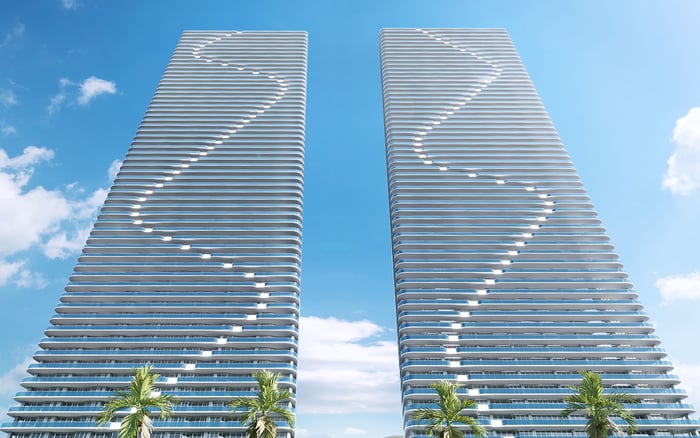
Aria Reserve Miami is not a boutique condominium where a small board manages a limited set of common elements with relative simplicity. It is a large-scale waterfront residential enclave in Edgewater, conceived as a twin-tower luxury condominium project on Biscayne Bay. That scale is part of its appeal. It also makes the ownership question central to how the property may function after delivery.
For a buyer, the issue is not simply whether the building looks compelling at opening. The more durable question is how maintenance requests, common-area priorities, and long-term capital decisions will be handled once the community shifts from developer-led governance to owner-led association governance. In a bayfront building, response time is not cosmetic. It shapes daily comfort, asset preservation, and the quiet confidence that defines true luxury ownership.
Aria Reserve Miami sits within Edgewater’s high-rise waterfront residential corridor, where views, amenities, and access to Biscayne Bay form a major part of the value proposition. Yet even the most polished waterfront address depends on a less visible operating structure: budgets, reserves, staffing levels, property management discipline, board priorities, and a clear turnover process.
Condominium ownership is often discussed through residences, finishes, and amenity narratives. At Aria Reserve Miami, the more sophisticated lens is governance. The condominium association is the vehicle through which shared obligations are funded, prioritized, and enforced. Once owners assume control, the character of that association can influence everything from elevator responsiveness to amenity upkeep, vendor oversight, and preventive maintenance.
The key ownership question is how quickly control and decision-making move from developer-led governance to owner-led association governance. During the early life of a major condominium, the developer typically plays a significant role in establishing systems, service standards, and operational rhythm. The transition matters because priorities can change once owners are responsible for evaluating budgets, approving reserves, and determining whether staffing levels are sufficient for the building’s actual use patterns.
For new-construction buyers, this is where due diligence should become practical rather than abstract. It is reasonable to review the condominium association framework, the proposed property management approach, reserve planning, and the turnover pathway. These are not merely legal or accounting details. They are the foundation for how a luxury tower responds when an amenity needs repair, a common element shows wear, or waterfront conditions require more frequent attention.
In a large, amenity-rich condominium, maintenance response depends on far more than architecture. Design creates the environment, but operations preserve it. At Aria Reserve Miami, resort-style amenities are part of the luxury positioning, which makes the operating model especially important. The more expansive the amenity program, the more disciplined the maintenance protocol must be.
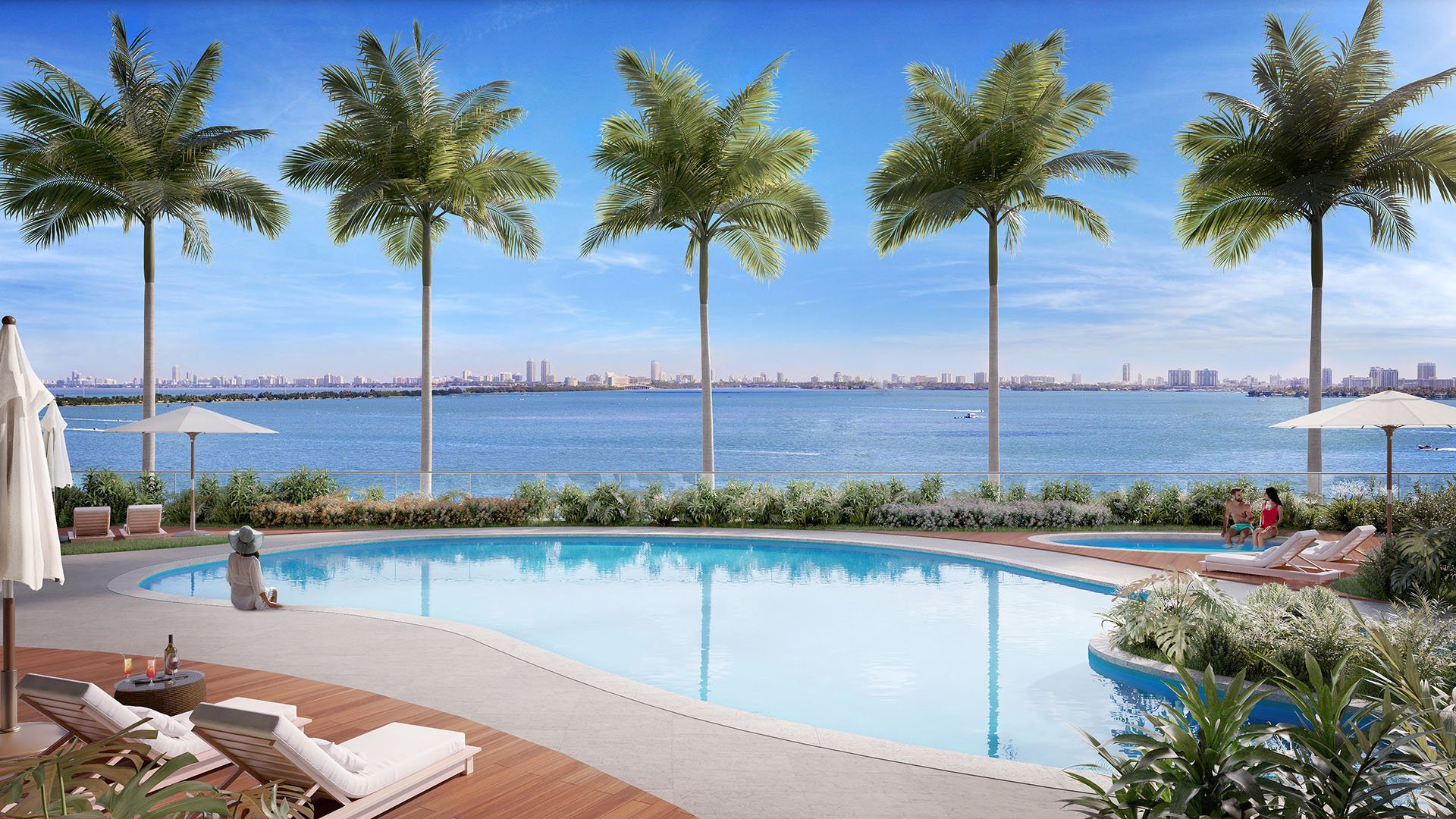
A pool that feels serene on a weekend afternoon depends on cleaning schedules, mechanical systems, furniture management, staffing, and rapid attention to small defects before they become visible problems. Fitness areas, lounges, circulation spaces, landscaping, and waterfront-adjacent common elements require similar coordination. The best luxury buildings tend to treat maintenance as a hospitality function, not merely a repair function.
For owners, the difference is felt in small ways. A prompt response to a common-area issue signals that management is empowered and funded. A deferred response can suggest unclear accountability or budget pressure. At the ultra-premium level, residents rarely separate the value of their private residence from the condition of the building around it. Association governance therefore becomes part of the ownership experience itself.
Aria Reserve’s Biscayne Bay position is central to its identity. Expansive bayfront frontage is a core selling point, and water-view appeal is one of the reasons buyers are drawn to Edgewater’s waterfront corridor. But bayfront exposure also raises the standard for maintenance planning.
Salt air, humidity, wind, and waterfront conditions can affect common elements over time. Buyers should pay close attention to how the building plans to maintain exterior areas, amenity decks, railings, glazing systems, landscaping, mechanical components, and other shared infrastructure exposed to the bayfront environment. The point is not to treat waterfront living as a liability. It is to recognize that the most valuable setting often requires the most disciplined stewardship.
In this context, reserves are not an afterthought. They are the financial architecture behind long-term care. A bayfront condominium with a significant amenity program should be evaluated through the adequacy of reserve planning and the willingness of the board, after turnover, to prioritize preventive maintenance over purely cosmetic decision-making.
The ownership question at Aria Reserve Miami is best approached through a practical checklist. Buyers should review the condominium association documents, the structure of maintenance responsibilities, the proposed or active property management arrangement, reserve funding, budget assumptions, insurance-related obligations, and the anticipated process for developer turnover. If records are available, minutes, budgets, and management communications can reveal how decisions are actually made.
For an investment-minded buyer, this review is not only about personal comfort. It can affect long-term desirability, resale confidence, and the building’s reputation among future purchasers. A tower may launch with strong design and amenity appeal, but repeat buyer confidence is often earned through consistent service standards after the first residents move in.
Prospective owners should also distinguish between private-unit maintenance and common-element maintenance. A residence owner may be responsible for certain in-unit items, while the association manages shared components. Understanding that boundary can prevent disappointment and clarify how quickly a request will move through the proper channel.
Edgewater has become one of Miami’s defining vertical waterfront neighborhoods, with high-rise residences positioned along Biscayne Bay and connected to the broader urban energy of the city. Within that setting, Aria Reserve Miami stands out as a twin-tower project with large-scale ambition rather than boutique intimacy.
That scale can bring advantages: breadth of amenities, a stronger sense of residential campus, and a distinctive bayfront presence. It can also create operational complexity. More residents, more shared spaces, and more waterfront common areas require management systems that are both responsive and financially realistic.
Luxury buyers should therefore look beyond the opening presentation and ask how the building will mature. Who sets priorities once owners are in control? How are maintenance requests triaged? Are reserves aligned with the realities of waterfront exposure? Does the management structure support the level of service implied by the property’s positioning? These questions are not skeptical. They are sophisticated.
The strongest case for Aria Reserve Miami is tied to its waterfront scale, Edgewater location, and resort-style residential concept. The most important diligence is tied to how that concept will be maintained. In the upper tier of Miami condominium ownership, the difference between impressive and enduring often sits in the association budget, the reserve schedule, the maintenance protocol, and the quality of board decision-making after turnover.
The ownership question behind maintenance response is ultimately a question of alignment. Are the building’s ambitions matched by its governance structure? Are residents prepared to fund the standard they expect? Is preventive care treated as part of the luxury promise? At a bayfront address, those answers may matter as much as the view.
What is Aria Reserve Miami? Aria Reserve Miami is a luxury twin-tower condominium project in Miami’s Edgewater neighborhood, positioned on Biscayne Bay.
Why does ownership structure matter at Aria Reserve Miami? Ownership structure matters because maintenance response depends on association governance, budgets, reserves, staffing, and board priorities after turnover.
What is the key turnover question for buyers? Buyers should ask how quickly control and decision-making move from developer-led governance to owner-led association governance.
Why is bayfront maintenance different? Bayfront common elements can face salt air, humidity, and waterfront exposure, so preventive planning and reserve discipline are especially important.
Are amenities part of the maintenance question? Yes. Resort-style amenities require consistent staffing, vendor oversight, cleaning schedules, and prompt repair protocols to preserve the luxury experience.
What documents should a buyer review? Buyers should review association documents, budgets, reserve planning, management arrangements, maintenance responsibilities, and turnover provisions.
Does a larger condominium require different oversight? Yes. A large-scale waterfront enclave typically requires more structured management than a boutique building with fewer shared spaces.
How should buyers think about reserves? Reserves should be viewed as a long-term preservation tool, especially for common elements exposed to bayfront conditions.
Is maintenance response only a management issue? No. Management matters, but response quality also reflects board priorities, funding decisions, staffing levels, and the association’s operating culture.
What is the best way to shortlist comparable options for touring? Start with location fit, delivery status, and daily lifestyle priorities, then compare stacks and elevations to validate views and privacy.
For a discreet conversation and a curated building-by-building shortlist, connect with MILLION.
If branded residences are on your mind — as a home or as an allocation — we would be glad to share what we are seeing, privately.
Begin a quiet conversation