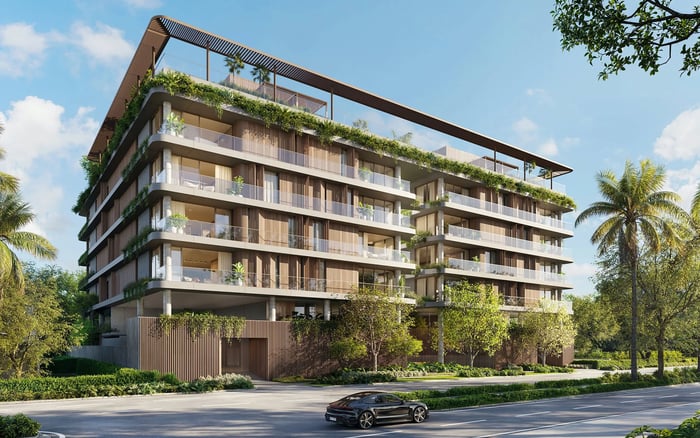
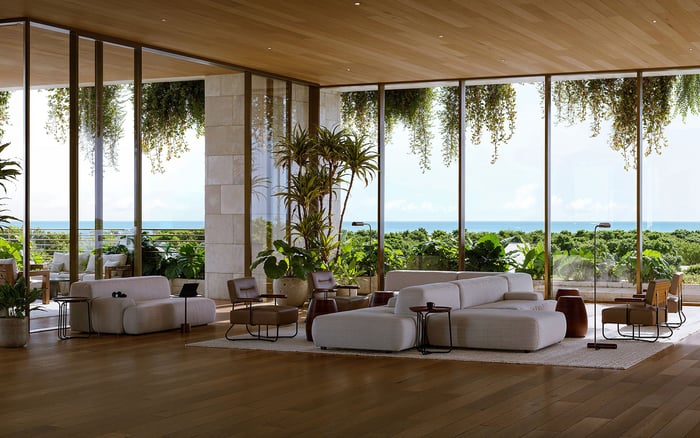
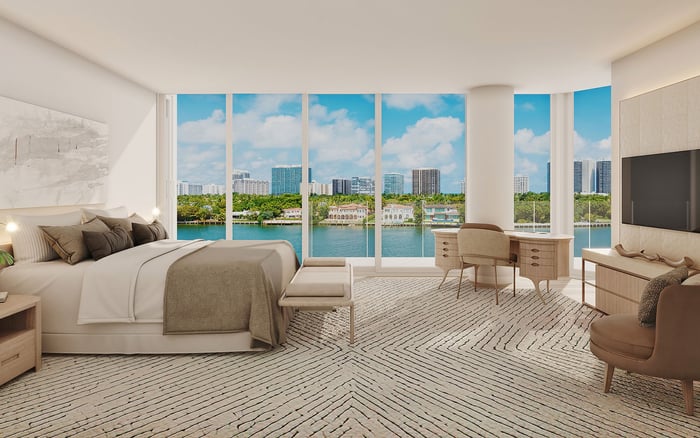
At Mr. C Tigertail, private dining is conceived as resident-only hospitality, bringing culinary identity, controlled access and recurring service into everyday ownership.
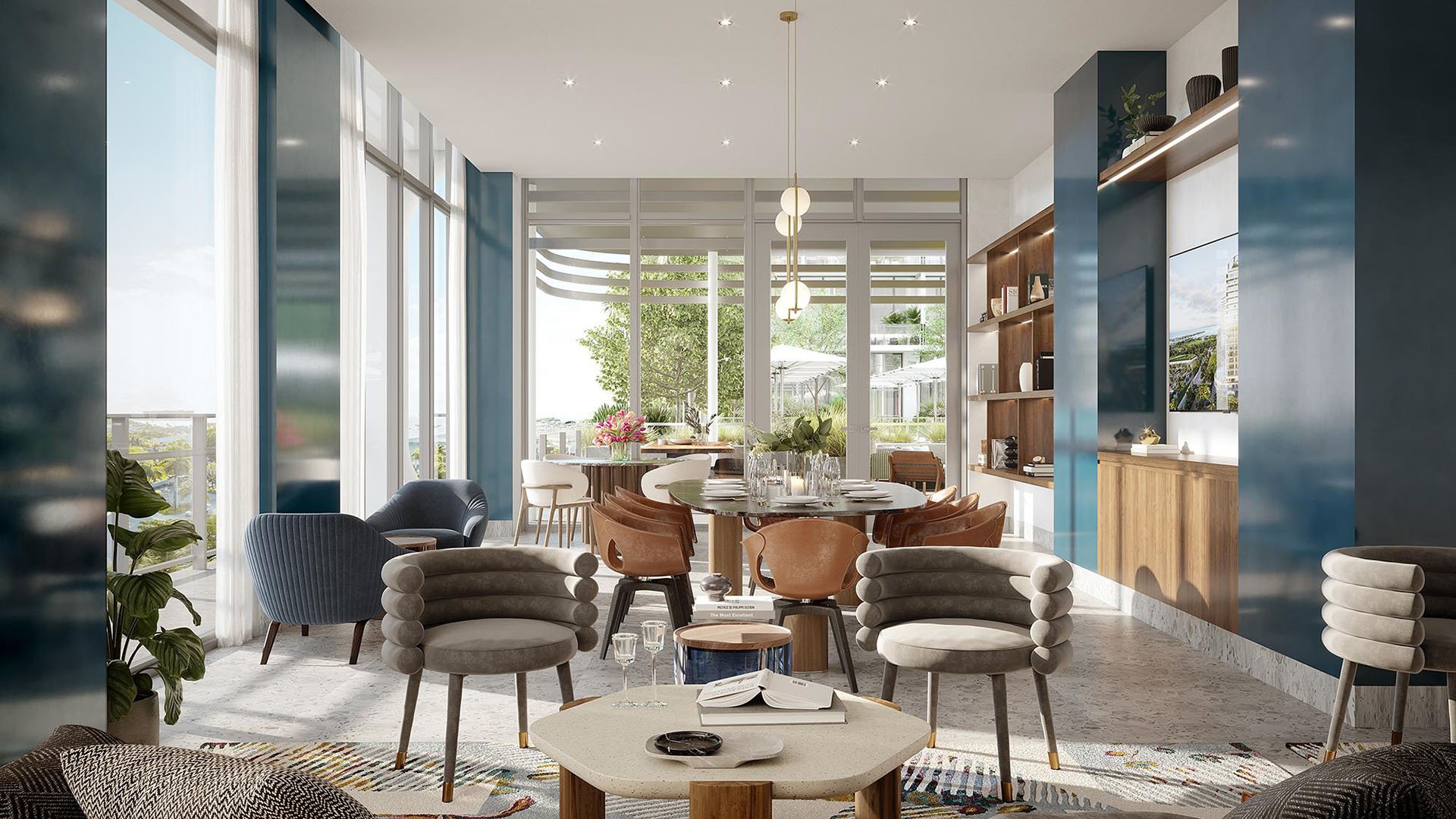
At Mr. C Tigertail Coconut Grove, private dining is positioned as more consequential than a conventional amenity. Designed for residents rather than the general public, the concept brings food-and-beverage service into the ownership experience instead of placing it alongside it.
That distinction matters. A public restaurant attached to a condominium can enliven an address, but it remains a separate destination with its own audience and rhythms. Resident-only dining offers a more private relationship: owners can move from home to table within a controlled environment, supported by service standards associated with luxury hotels.
For buyers drawn to branded residences, this is the central proposition. The brand is expressed not only through finishes or arrival spaces, but also through the routines of daily life-hosting, dining and familiar service.
Controlled access is intended to provide greater privacy than a publicly accessible restaurant. It also creates a club-like setting within the building, where the dining room belongs to the residential community rather than the city at large.
Privacy here is not simply seclusion; it is also predictability. Owners may value knowing the character of the room, its intended audience and its service culture before they arrive. For a household that entertains frequently, keeps irregular hours or prefers discretion, that continuity can matter more than the scale of an amenity deck.
This approach suits the lifestyle associated with Coconut Grove: residential, social and connected to South Florida, yet often removed from the performative energy of a public dining room. It also gives the tower a culinary identity rooted in the Mr. C brand and Cipriani family heritage, connecting Italian hospitality traditions with a Miami setting.
The most persuasive element of resident-only hospitality may be familiarity. A recurring on-site team can come to know residents and their preferences over time. Personalized service is not guaranteed in every interaction, but the operating model creates the conditions for recognition, consistency and a more intuitive level of care.
Here, the boundaries between private home, serviced suite and members-style restaurant begin to soften. Dinner can become part of an ordinary evening rather than a planned excursion. Hosting can remain connected to the residence without requiring every detail to unfold inside the home. The dining program thus becomes part of daily ownership, not merely an event-space feature reserved for special occasions.
For buyers considering a boutique residential experience, the question is less about how many amenities appear in a brochure than how often those services will genuinely shape life at home.
Miami buyers have an expanding vocabulary for service-led living. Within the Grove, Four Seasons Residences Coconut Grove offers another reference point for purchasers evaluating a globally recognized hospitality identity. Across the city, Cipriani Residences Brickell may enter the same consideration set for buyers drawn to a culinary name, while ORA by Casa Tua Brickell presents another hospitality-oriented residential option.
These propositions are not interchangeable. Location, privacy, operating structure and the role of food and beverage should be evaluated independently at each property. At Mr. C Tigertail, the defining idea is that culinary service is reserved for the residential experience, adding a club-like social layer to ownership without positioning the dining room as a public venue.
Even a polished hospitality concept warrants operational scrutiny. Before purchasing, buyers should request current details on service hours, reservation procedures, guest access, menus, delivery or in-residence options, staffing and any charges associated with use. These particulars determine whether private dining will complement a household’s actual schedule.
It is equally important to distinguish brand promise from documented owner rights. Buyers should review the governing and purchase documents with appropriate advisers, including provisions addressing amenity access, operating costs and the ability to modify services. For buyer’s guides focused on high-touch condominiums, this diligence is essential because lived value depends on execution over time.
The larger lesson is precise: resident-only dining is not simply about proximity to a table. It is about integrating privacy, culinary identity and recurring service into the cadence of ownership.
Is the private-dining concept open to the general public? It is designed specifically for residents rather than as a publicly accessible restaurant.
Is private dining presented as an occasional event amenity? No. It is positioned as part of daily ownership and the building's broader residential experience.
What makes the environment club-like? Controlled resident access creates a private social setting within the condominium building.
How does the Mr. C identity shape the concept? Its culinary and service character draws from the Mr. C brand and Cipriani family heritage.
Does the model resemble hotel living? It combines private-home living with service standards associated with luxury hotels.
Can the service team learn resident preferences? A recurring on-site team can become familiar with owners and their preferences over time.
Why might privacy matter in this setting? Resident access is intended to provide more discretion than a restaurant serving the general public.
Are menus and service hours confirmed here? Buyers should request current operational details directly before relying on a particular routine.
Should buyers ask about additional costs? Yes. Applicable charges and their treatment should be clarified through current documents and professional review.
What is the principal ownership takeaway? The culinary identity is intended to function as part of living at the property, not as an adjacent restaurant concept.
For a discreet conversation and a curated building-by-building shortlist, connect with MILLION.
If branded residences are on your mind — as a home or as an allocation — we would be glad to share what we are seeing, privately.
Begin a quiet conversation