A discreet buyer’s guide to evaluating outdoor amenity decks, Terrace planning, Pool placement, Balcony usability, and wind comfort in South Florida luxury residences.
In South Florida luxury real estate, outdoor amenities are often presented as a visual promise: water views, skyline drama, a resort pool, and a dining terrace suspended above the city. Yet the buyer’s more important question is personal. Will the space feel calm at breakfast, comfortable after sunset, and usable when guests arrive?
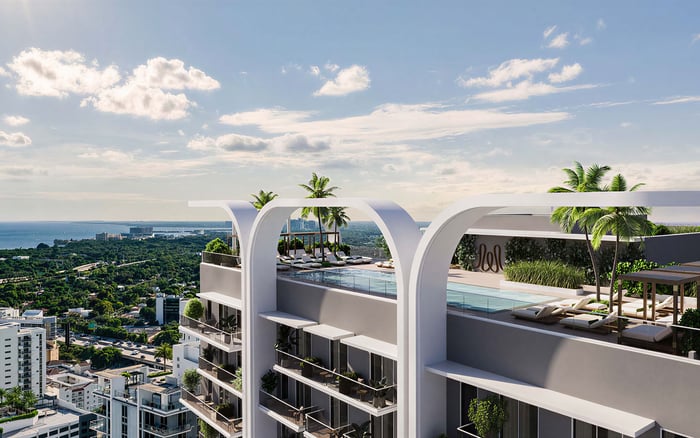
Amenity elevation is not simply a matter of height. A roof deck can feel cinematic, but it may not support every daily ritual. A mid-level amenity floor can feel more sheltered and social. A private Balcony may deliver the most personal value if its proportions, exposure, and orientation suit the way you actually live. The most discerning comparison is not which project has the tallest outdoor deck, but which one turns elevation into comfort.
This becomes especially relevant when comparing buildings across Brickell, Edgewater, Miami Beach, Sunny Isles, and Surfside. A buyer considering The Residences at 1428 Brickell, for example, may be weighing a vertical city lifestyle, while a buyer looking at Villa Miami may be focused on bayfront atmosphere and outdoor entertaining. The checklist should shift with the setting.
The most beautiful deck is not necessarily the best deck. Begin with the moments that matter: morning coffee, lap swimming, working outdoors, family visits, sunset cocktails, quiet reading, or private dinners. Then evaluate whether the amenity level supports those moments without friction.
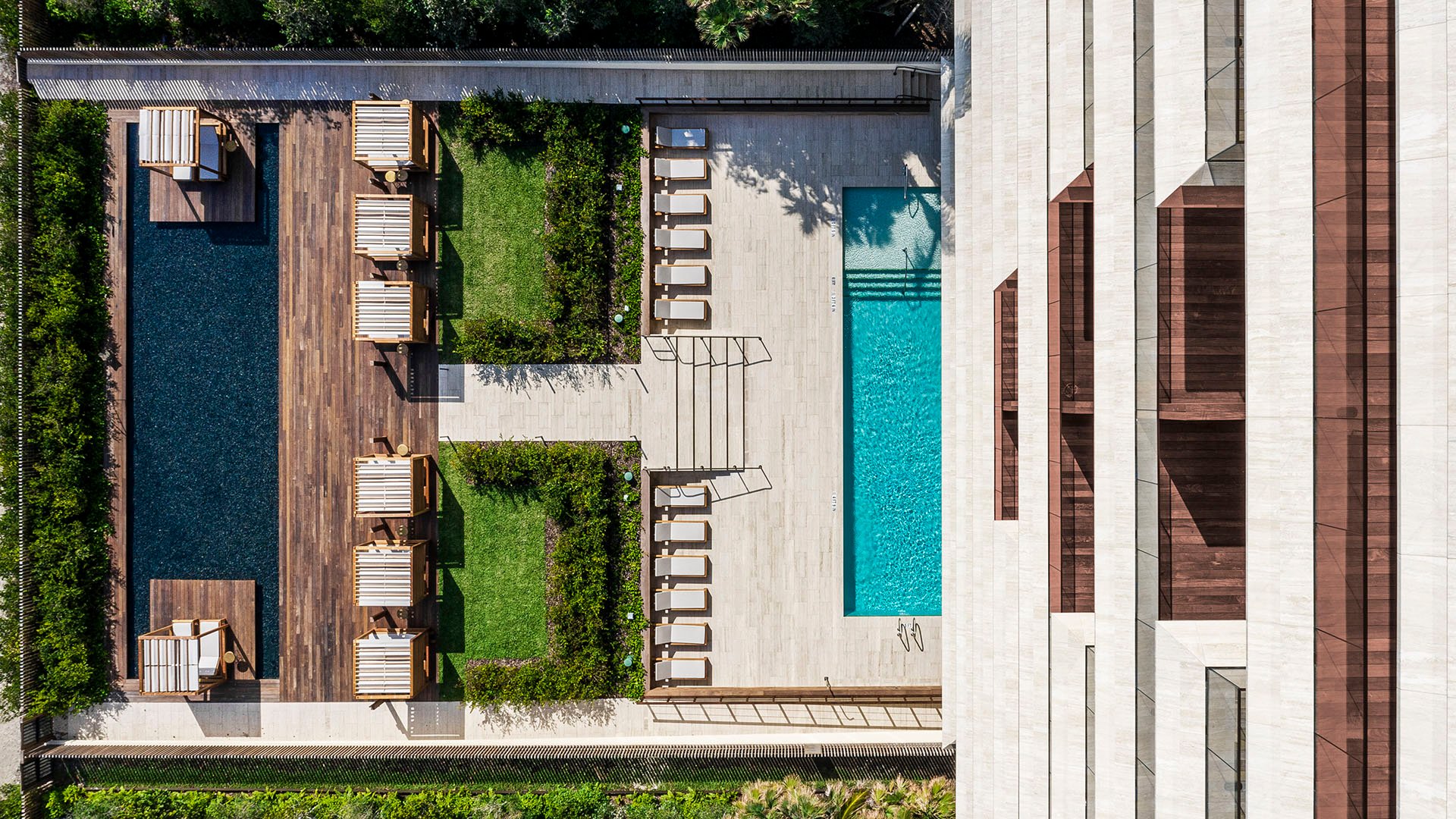
Study how the seating is arranged. A lounge chair in an exposed wind corridor is very different from one tucked behind planting or architecture. A dining table with a view may still feel impractical if it receives too much glare at the hour you expect to use it. A fire feature, cabana, or outdoor kitchen should be judged by placement as much as finish.
This is where a buyer’s walkthrough should slow down. Stand in corners. Sit where you would actually sit. Walk the path from elevator to Pool. Notice whether service areas are discreetly separated from social areas. Observe whether the deck invites movement, conversation, and pause, or whether it is designed primarily for the sales gallery eye.
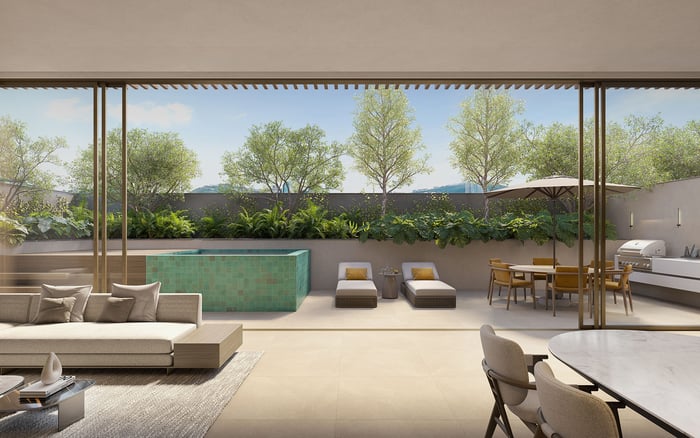
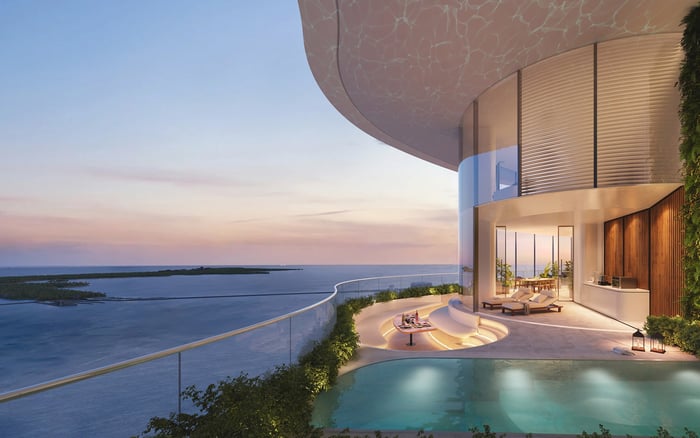
Terrace design is a language of proportions. Depth often matters more than headline square footage because furniture, circulation, planters, and privacy all compete for the same space. A narrow terrace may frame a view beautifully but limit dining. A deeper terrace can feel like an outdoor room, provided it has sufficient shade and a sensible connection to the interior.
Pool placement is equally important. A high amenity pool can feel spectacular, but buyers should study sun exposure, privacy from neighboring towers, and the transition between wet areas and dry lounge zones. The best outdoor amenity spaces feel composed rather than crowded, with enough separation between swimming, dining, and conversation.
Balcony usability deserves its own review. Private outdoor space can be more valuable than a larger shared amenity if it is quiet, shaded, and directly connected to the rooms you use most. In a residence where the balcony opens from the primary living area, the space becomes part of everyday architecture, not an occasional luxury.
For coastal comparisons, a project such as Five Park Miami Beach invites buyers to consider outdoor life through the rhythm of Miami Beach, while Bentley Residences Sunny Isles places the conversation in a Sunny Isles context, where vertical living and open-air experience are central to the purchase decision.
Wind comfort is one of the least glamorous subjects in a sales conversation, yet it can determine whether an outdoor amenity becomes a signature pleasure or a space you rarely use. The goal is not to eliminate breeze. In South Florida, air movement can be welcome. The goal is to understand whether the breeze feels refreshing, disruptive, or inconsistent.
During a tour, avoid judging wind from a single moment. Visit, if possible, at different times of day. Step away from the most protected seating area and test the edges of the deck. Notice corners, glass railings, open corridors, and transitions between indoor and outdoor spaces. Wind can behave differently at a pool edge, a dining terrace, and a private balcony.
Buyers should also ask practical questions. Has the outdoor amenity design been reviewed for comfort? Are there screens, planting, walls, or architectural elements intended to soften exposure? Are certain zones intentionally protected for dining or lounging? The answer does not need to be technical to be useful. What matters is whether comfort has been designed, not assumed.
Different neighborhoods reward different outdoor priorities. In Brickell, the buyer may value altitude, skyline energy, and the ability to retreat from the pace below. In Edgewater, the conversation often turns to water orientation and the feeling of openness. In Surfside, buyers may be more sensitive to privacy, proportion, and a quieter residential atmosphere.
This is why project-to-project comparison should be specific rather than generic. A buyer looking at The Delmore Surfside may place greater emphasis on calm outdoor spaces, while a downtown or bayfront buyer may prioritize panoramic impact. Neither choice is inherently superior. The right answer depends on how often you will use the deck, who will use it with you, and whether the atmosphere suits your version of luxury.
A useful test is to imagine three ordinary days, not one perfect evening. How does the amenity level serve a weekday morning, a quiet weekend, and a night with guests? If the deck performs across all three, it is more than a visual feature. It is part of the residence’s livability.
Before moving from interest to commitment, ask for the most complete amenity information available. Review floor plans, outdoor layouts, material descriptions, and any available renderings with a critical eye. If the building is complete, tour the actual space slowly. If it is pre-completion, focus on orientation, adjacency, and the logic of the plan.
Key questions include: Where are the quietest outdoor zones? Which areas are shaded at the times you expect to use them? How are pool, dining, fitness, and lounge functions separated? What is the relationship between the amenity level and neighboring buildings? Are private balconies deep enough for the furniture you intend to use?
The best luxury purchase is not only about what photographs well. It is about what continues to feel effortless after the first season of ownership. Roof decks and elevated amenities should be evaluated as living spaces, with the same seriousness you would give to a kitchen, primary suite, or arrival sequence.
Is a higher roof deck always better? No. Height can create drama, but comfort, shade, access, seating, and wind conditions may matter more in daily use.
How should I evaluate wind during a property tour? Spend time in multiple areas of the deck, including corners, pool edges, dining zones, and the path back indoors.
Should I visit the amenity deck more than once? If possible, yes. Different times of day can reveal changes in sun, glare, shade, and perceived breeze.
What makes a Terrace more useful? Depth, privacy, furniture clearance, shade, and a natural connection to interior living spaces make a terrace feel usable.
How important is Pool placement? Very important. The pool should feel comfortable, well separated from dry lounge areas, and practical for everyday use.
Can a private Balcony be more valuable than a shared roof deck? Yes. A well-proportioned private balcony may support daily rituals better than a larger shared amenity used less often.
What should buyers ask about outdoor comfort in pre-construction? Ask how the design addresses shade, exposure, railings, planting, seating zones, and protected outdoor areas.
Do High-floors always have stronger wind? Not always in a simple way. Building form, surrounding towers, exposure, and deck design can all affect comfort.
How do I compare Brickell and Surfside outdoor amenities? Compare lifestyle first. Brickell may emphasize urban energy, while Surfside may appeal to buyers seeking a quieter setting.
What is the simplest rule before buying? Judge every outdoor amenity by how it will feel on an ordinary day, not only how it looks in a presentation.
For a confidential assessment and a building-by-building shortlist, connect with MILLION.
If branded residences are on your mind — as a home or as an allocation — we would be glad to share what we are seeing, privately.
Begin a quiet conversation