A buyer-focused underwriting guide comparing a Miami branded-residence purchase with a Pompano Beach branded-residence purchase through parking rights, EV charging, and chauffeur operations.
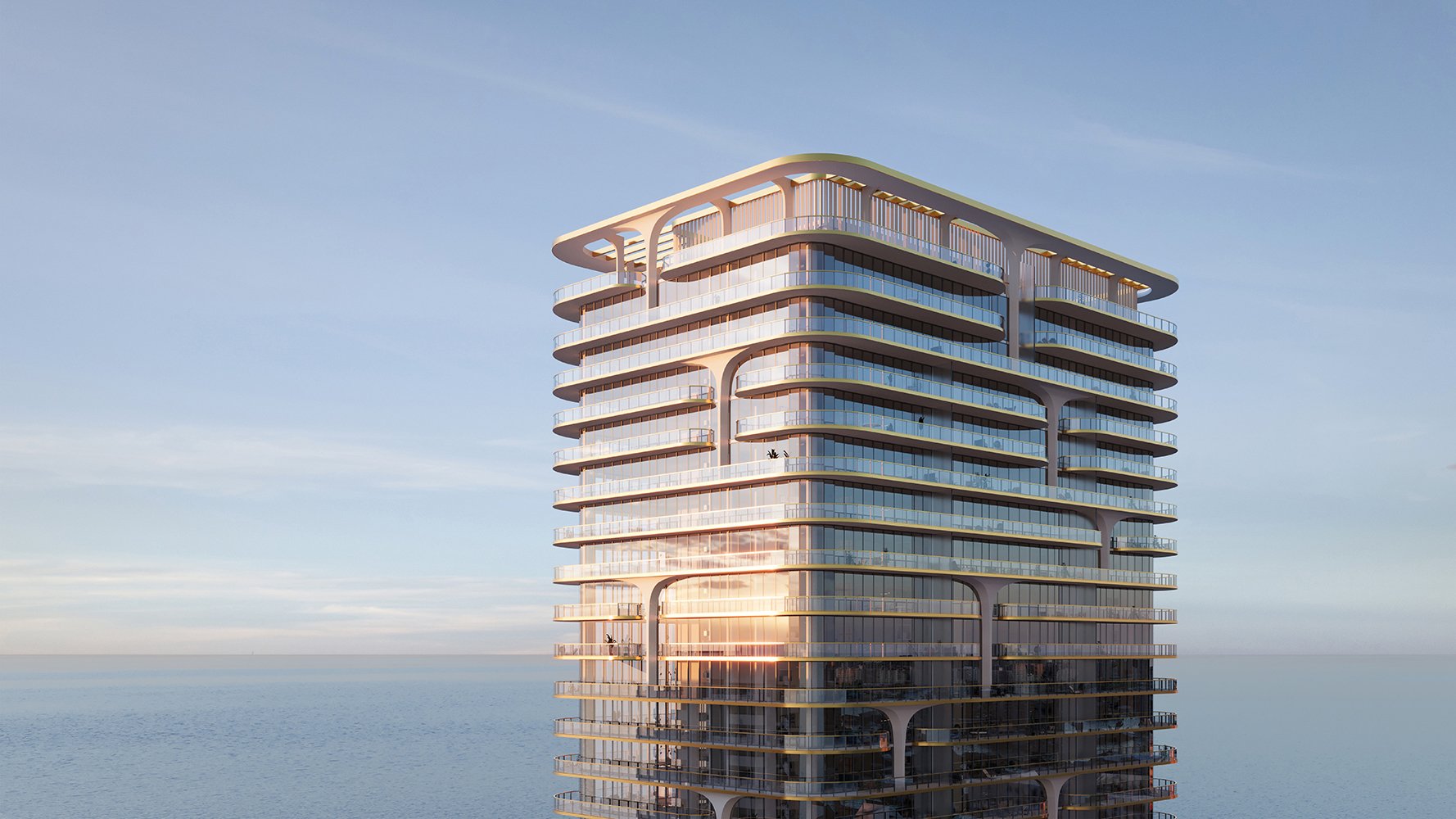
For the South Florida buyer comparing The Residences at Mandarin Oriental, Miami with Waldorf Astoria Residences Pompano Beach, the conversation should extend beyond views, amenities, and brand prestige. At the highest end of the market, daily movement becomes part of the residential experience: where the car is kept, how the driver waits, whether an EV can charge without friction, and what happens when guests, staff, valet, and security converge at the same hour.
Both properties sit within the branded-residence category, yet they occupy different market settings. One is a Miami branded-residence proposition; the other is a Pompano Beach branded-residence proposition. That distinction matters because mobility expectations are not identical across dense urban environments, waterfront leisure markets, and Broward coastal corridors. The legal and operational details should be reviewed before a buyer assumes that luxury branding alone resolves the practicalities of ownership.
The first underwriting question is not simply how many parking spaces are available. It is what legal right attaches to the residence. For The Residences at Mandarin Oriental, Miami, the available details do not verify whether parking rights are deeded, assigned, valet-only, limited common elements, separately purchasable, or handled through another structure. For Waldorf Astoria Residences Pompano Beach, the same caution applies: parking allocation and legal status should be treated as diligence items, not settled assumptions.
This is more than a technicality. Deeded parking may carry different resale implications than assigned parking. A limited common element may be tied to a unit but governed by association documents. Valet-only or managed garage systems may deliver convenience while limiting independent access for owners, family offices, staff, or security teams. If additional parking is available, buyers should confirm whether it is bundled, leased, separately purchasable, transferable on resale, or subject to association approval.
For an investment-minded buyer, the cleanest question is: what can be represented to the next purchaser with confidence? If the answer depends on a verbal conversation rather than governing documents, it belongs in the diligence file, not in the underwriting model.
EV readiness has become a prestige expectation, but it is often misunderstood. A building may have some charging infrastructure, future capacity, association rules allowing installation, or shared charging stations. Those are materially different outcomes. For The Residences at Mandarin Oriental, Miami, charger count, power level, billing structure, charger ownership, and retrofit rules are not verified here. For Waldorf Astoria Residences Pompano Beach, EV-ready stall count, resident metering, installation cost allocation, and association approval procedures also remain diligence questions.
Buyers should focus on four points. First, is charging available at the resident’s assigned or deeded space, or only in a shared area? Second, who owns the charger and pays for installation, maintenance, insurance, electricity, and upgrades? Third, does the garage have sufficient electrical capacity for a larger number of resident installations over time? Fourth, can the association regulate brand, contractor access, conduit routing, fire safety compliance, and load management?
In a new-construction or pre-construction context, it is tempting to assume the answer will be modern and seamless. The better approach is to request written confirmation of the EV pathway, including metering, billing, permitted equipment, approval timing, and the right to transfer an installation with the unit on resale.
For ultra-premium households, private-driver logistics can matter as much as spa programming or club rooms. At The Residences at Mandarin Oriental, Miami, buyers should underwrite valet procedures, driver waiting areas, garage access permissions, security screening, and pickup/drop-off curb capacity because no verified operating protocol is established here. At Waldorf Astoria Residences Pompano Beach, the equivalent review should cover arrival court design, valet and concierge coordination, staging capacity, staff access rules, and peak-hour circulation.
The Miami setting may place greater emphasis on curb choreography, building access, visitor flow, and discretion during compressed arrival windows. The Pompano Beach context may shift more attention toward coastal arrival patterns, guest vehicles, service coordination, and the way a beachfront or resort-style cadence interacts with resident privacy. Neither side should be reduced to a generic promise of valet service.
A sophisticated buyer should ask where a chauffeur waits between trips, whether drivers can access restrooms or designated waiting areas, how long a vehicle can stage near the entrance, and whether recurring staff can be pre-cleared by security. If the household uses armored vehicles, multiple SUVs, elderly-family transport, child pickups, or rotating executive assistants, those details should be discussed early.
The Residences at Mandarin Oriental, Miami carries the gravitational pull of a Miami address and brand association. Waldorf Astoria Residences Pompano Beach sits within a Broward coastal frame, where the appeal may feel more resort-oriented and residentially paced. The underwriting question is not which location is inherently superior. It is which mobility profile better fits the owner’s life.
A buyer who expects frequent airport transfers, private dining nights, drivers on call, and complex guest circulation may prioritize proven arrival protocols and valet depth. A buyer focused on seasonal residence, beach access rhythm, family arrivals, and EV convenience may weigh parking clarity and charging infrastructure more heavily. In both cases, parking rights and operating rules can affect the lived experience as much as finishes.
The diligence package should include the condominium declaration, parking exhibits, garage plans, association rules, valet policies, EV charging guidelines, budgets, insurance provisions, and any written sales-team confirmations. If a buyer is represented by counsel, these materials should be reviewed for transferability, enforcement rights, cost exposure, and operational discretion retained by the association or operator.
The most valuable answers are rarely decorative. How many spaces are included? What is the legal nature of each right? Can spaces be sold, leased, reassigned, or reserved for guests? Who decides future EV policy? Can private drivers enter the garage? What happens during peak check-in, events, storms, or high-occupancy weekends? These answers shape not only comfort, but liquidity.
Is a parking ratio verified for The Residences at Mandarin Oriental, Miami? No verified parking-space ratio is established here. Buyers should confirm included spaces through condominium documents or written sales guidance.
Is a parking ratio verified for Waldorf Astoria Residences Pompano Beach? No verified parking-space ratio is established here. Parking allocation should be handled as a diligence item before contract assumptions are made.
Are parking rights known to be deeded at either property? The legal nature of parking rights is not verified for either property. Buyers should determine whether rights are deeded, assigned, limited common elements, leased, valet-managed, or separately purchasable.
Why does transferability matter? Transferability can affect resale value and negotiating leverage. A space that clearly transfers with the residence may be easier to underwrite than a discretionary or revocable arrangement.
Are EV chargers confirmed for either residence? Specific charger counts, power levels, ownership structures, and billing systems are not verified here. EV diligence should be completed before relying on charging convenience.
What EV questions should buyers ask first? Ask whether charging can occur at the resident’s own space, how electricity is metered, who pays installation costs, and what association approvals are required.
Do private drivers need separate approval? They may, depending on building rules. Buyers should confirm staff access, security screening, waiting areas, garage permissions, and pickup protocols.
How should Miami mobility be evaluated? Focus on curb capacity, valet procedures, guest flow, security, and the ability to manage multiple arrivals discreetly during busy periods.
How should Pompano Beach mobility be evaluated? Focus on arrival court design, valet and concierge coordination, driver staging, guest parking, and peak-hour circulation within a coastal residential setting.
What is the safest underwriting posture? Treat parking, EV charging, and chauffeur logistics as document-review issues. Written confirmations are more useful than assumptions in any premium purchase.
For a tailored shortlist and next-step guidance, connect with MILLION.
If branded residences are on your mind — as a home or as an allocation — we would be glad to share what we are seeing, privately.
Begin a quiet conversation