A buyer-focused guide to evaluating contractor insurance when comparing South Florida new construction condos with resale residences, from wrap-up programs to renovation approvals.
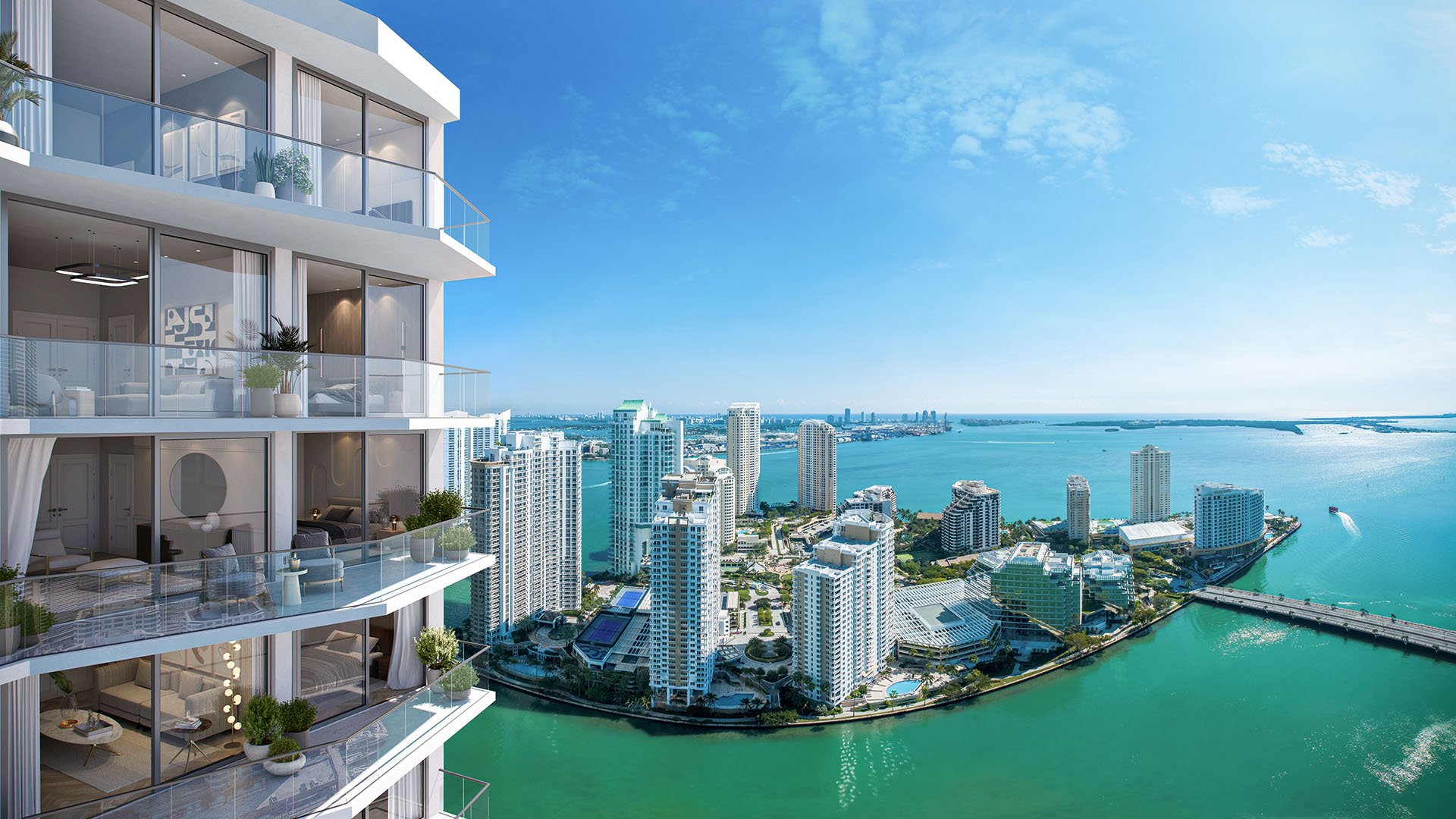
For South Florida buyers, contractor insurance is no longer a back-office detail. It is a practical measure of how risk is allocated, documented, and managed before a residence is delivered, renovated, or maintained. In a market shaped by waterfront exposure, salt air, wind events, water intrusion, concrete restoration, and increasingly complex building systems, the question is not simply whether a condo is beautiful. It is whether the parties touching the property are properly insured for the work they perform.
The comparison becomes especially important when choosing between new construction and resale condominiums. A new tower may present a polished sales gallery and a single development brand, yet the insurance structure behind the project can include a developer, general contractor, subcontractors, design professionals, consultants, and sometimes a wrap-up insurance program. A resale residence, by contrast, may look complete, but its risk profile can be tied to association-led repairs, prior renovations, balcony work, waterproofing, façade maintenance, mechanical replacements, or upcoming capital projects.
This issue often spans Brickell, Miami Beach, Sunny Isles, and other coastal submarkets, where luxury buyers expect design excellence and disciplined risk review in equal measure.
In new construction, the buyer’s first task is to understand who is responsible for what. The developer may be the public face of the project, but the general contractor typically coordinates the site, while subcontractors perform specialized work such as glazing, waterproofing, concrete, elevators, mechanical systems, electrical systems, plumbing, and finishes. Architects and engineers may carry professional liability coverage that differs from a contractor’s commercial policies.
A sophisticated buyer should ask for clarity on the project’s insurance framework. Some large developments may use owner-controlled or contractor-controlled insurance programs, often called wrap-up programs. These can consolidate certain construction-related coverage under one structure, but they do not automatically eliminate gaps. The key is to understand what is included, who is enrolled, what limits apply, what exclusions exist, and whether completed operations coverage continues after delivery.
That distinction matters because a defect may not appear during the first walkthrough. Water intrusion, façade movement, window performance, balcony drainage, and mechanical defects can surface later, particularly in coastal buildings exposed to heat, humidity, salt, and storms. The buyer is not expected to become an insurance lawyer, but the buyer’s counsel and advisors should know which policies respond to which categories of loss.
Resale diligence is different because the building already has a history. The marble may be polished and the views cinematic, but the relevant insurance questions often sit outside the apartment: Has the association overseen major repairs? Are there active or planned façade projects? Has the building performed waterproofing, concrete restoration, roof work, balcony remediation, garage repairs, or mechanical upgrades? Were the contractors insured at the time of work, and did the association retain certificates and contracts?
For the unit itself, renovation history is central. A resale residence with reconfigured plumbing, new electrical work, altered terraces, custom millwork, slab penetrations, or imported stone may require a deeper review of permits, contractor insurance, association approvals, and warranties. A poorly documented renovation can complicate future claims, resale value, and association compliance.
Buyers should also distinguish between the association’s insurance and contractor insurance. Association policies may address certain building risks, but they do not necessarily stand in for a contractor’s liability coverage. If a contractor caused damage during repairs, the relevant question may become whether that contractor carried proper insurance, whether the association required additional insured status, and whether records are accessible.
The core document is the certificate of insurance, but a certificate is only a snapshot. It should be reviewed in context. Buyers and their counsel may want to examine policy types, coverage limits, effective dates, exclusions, endorsements, additional insured language, waiver of subrogation provisions, and completed operations coverage. For major new developments, the insurance manual or wrap-up summary may be more meaningful than isolated certificates.
For resale properties, request association records relating to recent major work, especially if the building has undergone structural, façade, roof, waterproofing, or balcony-related repairs. Minutes, contracts, scopes of work, engineering correspondence, permits, and proof of contractor insurance can help establish whether the building treated risk management as a discipline rather than a formality.
On unit renovations, the buyer should request contractor names, permits, approvals, warranties, and insurance certificates tied to the actual work. If the seller cannot produce them, that does not automatically end the conversation, but it should influence negotiations, inspection scope, and risk tolerance.
A clean comparison starts with responsibility. In new construction, ask who stands behind delivery, defects, punch-list items, and post-closing claims. In resale, ask who performed past work and who will perform future repairs. The answer should not be vague.
Next, compare timing. New construction coverage may involve active construction policies, completed operations provisions, warranties, and developer obligations that transition after closing. Resale coverage depends on historical documentation and current association procedures. A building that has already completed important projects may be attractive, but only if the records support the quality and insured status of the work.
Then compare exclusions. Insurance policies can be limited by exclusions for certain defect categories, water intrusion scenarios, professional services, faulty workmanship, mold, environmental conditions, or storm-related losses. Buyers should not assume that the presence of insurance means every concern is covered.
Finally, compare governance. A well-run association tends to require licensed and insured contractors, formal approvals, documented scopes, and consistent recordkeeping. A new development with experienced construction oversight and clear insurance architecture may offer comfort, but only if the documents support the presentation.
Contractor insurance is particularly relevant along the coast because buildings here face a demanding physical environment. Wind, salt, humidity, storm surge, corrosion, and water migration can expose weak workmanship. Glass systems, terrace assemblies, waterproofing membranes, roof systems, drainage, parking structures, and mechanical equipment all require careful installation and maintenance.
The region’s luxury condo buyer is also more likely to pursue customization. Even a turnkey residence may become a construction site after closing, with designers, millworkers, lighting specialists, stone installers, audio-visual teams, and smart-home integrators entering the unit. Each party should have appropriate insurance, and the association may require specific coverage before approving access.
This is where elegance and discipline meet. The finest residence can be undermined by a contractor who lacks adequate coverage, a scope that is not clearly documented, or an association process that relies on informal assurances.
Before signing or releasing significant deposits, ask whether the project or building has a centralized construction insurance program, who administers it, and how claims are handled. Ask whether subcontractors are enrolled or separately insured. Ask how long completed operations coverage remains available after substantial completion.
For resale, ask for recent association project records and whether any structural, façade, waterproofing, roof, garage, terrace, or mechanical work is pending. If assessments or capital projects are being discussed, insurance diligence should be part of the financial conversation.
For unit renovations, ask whether prior work was permitted, approved by the association, and performed by insured contractors. If future renovation is part of the purchase rationale, confirm the building’s contractor rules before closing. Some luxury buildings impose strict requirements for insurance limits, working hours, elevator protection, noise control, debris removal, and indemnity.
The goal is not to eliminate all construction risk. That is impossible in any meaningful property purchase. The goal is to determine whether risk has been professionally managed, whether insurance responds to the right parties and time periods, and whether the building’s records are strong enough to support confidence.
In new construction, a buyer is evaluating the promise of delivery. In resale, the buyer is evaluating the evidence of stewardship. Both can be excellent paths into South Florida luxury ownership, but they require different forms of diligence.
For the ultra-premium buyer, contractor insurance should sit beside architecture, view corridor, finish quality, service culture, reserves, and governance. It is not the most glamorous part of the acquisition, but it is often one of the most revealing.
Is contractor insurance more important in new construction or resale? It matters in both. New construction focuses on delivery and defect risk, while resale focuses on past work, association projects, and future renovations.
What is a wrap-up insurance program? It is a centralized construction insurance structure that may cover enrolled parties on a project. Buyers should confirm what is included, what is excluded, and how long coverage continues.
Does the condo association’s insurance cover contractor mistakes? Not always. Contractor liability coverage is separate from association property coverage and should be reviewed on its own terms.
What documents should a buyer request for a resale condo? Ask for association records on major work, contractor certificates, permits, approvals, scopes of work, and any available warranties.
Why are coastal buildings especially sensitive to workmanship? Salt air, wind, water exposure, humidity, and corrosion can reveal defects in waterproofing, façades, balconies, windows, and mechanical systems.
Should a buyer review insurance before or after inspection? Ideally, before the inspection period ends. Insurance records can help guide what inspectors, engineers, and counsel should examine more closely.
Can a beautifully renovated unit still carry insurance risk? Yes. High-end finishes do not prove that work was permitted, approved, or performed by insured contractors.
What does completed operations coverage mean? It generally relates to claims arising after the contractor’s work is finished. Buyers should have counsel review duration, limits, and exclusions.
Should future renovation plans affect the purchase decision? Yes. A building’s contractor requirements, approval process, and insurance standards can influence cost, timing, and feasibility.
Who should review contractor insurance documents? A real estate attorney, insurance advisor, and qualified construction professional can help interpret coverage, exclusions, and project-specific risk.
When you're ready to tour or underwrite the options, connect with MILLION.
If branded residences are on your mind — as a home or as an allocation — we would be glad to share what we are seeing, privately.
Begin a quiet conversation