A buyer-focused guide to evaluating aging-in-place design in Hillsboro Beach residences, from entry sequences and bathrooms to service access, renovation flexibility, and long-term comfort.
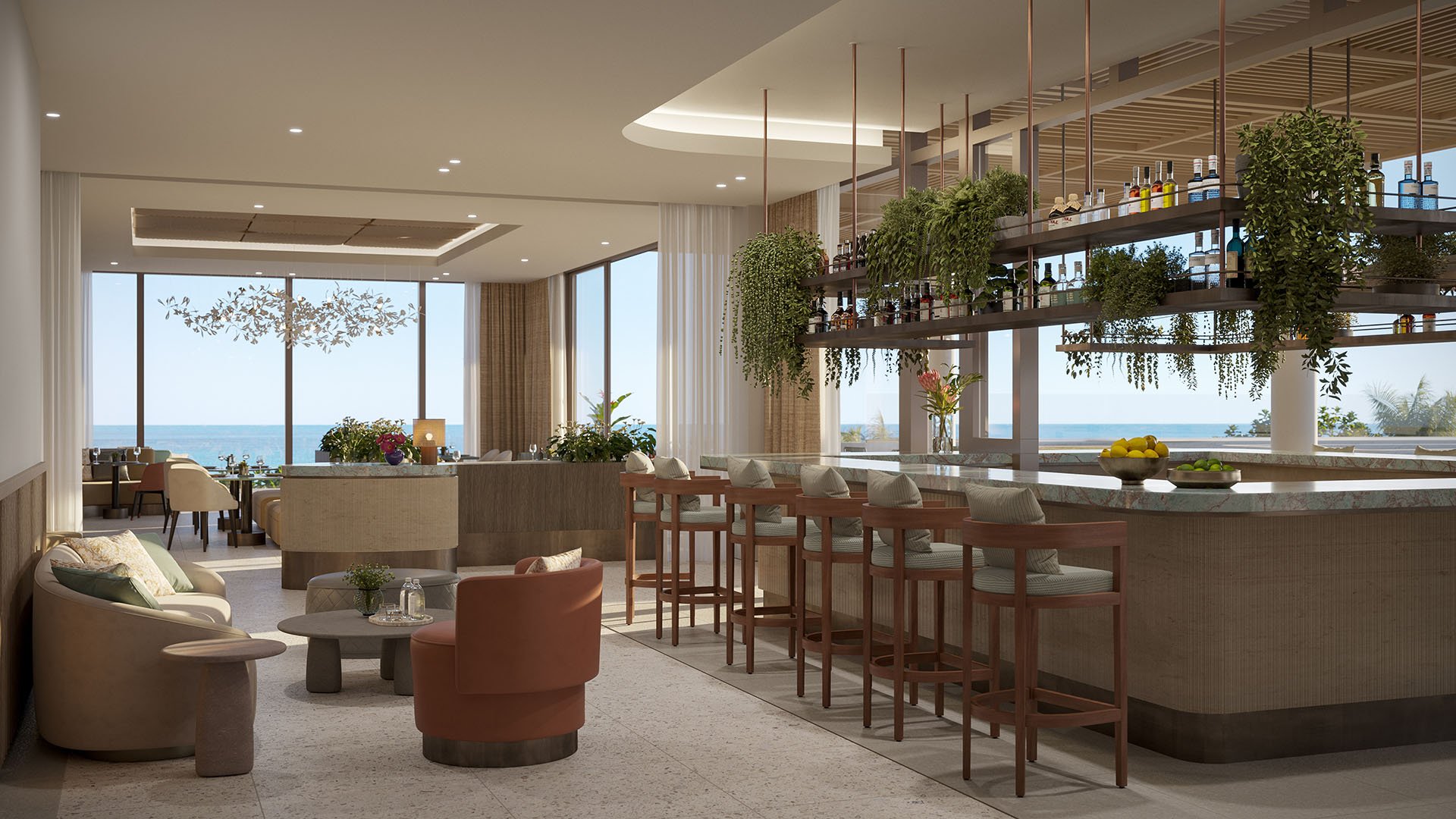
Aging-in-place design is not a concession to time. In the best South Florida residences, it is a form of architectural intelligence: circulation that feels effortless, rooms that remain useful as needs change, and details that protect independence without feeling clinical. For buyers considering Hillsboro Beach, the question is not simply whether a residence looks beautiful on the first visit. The more refined question is whether it can remain beautiful, safe, and dignified through many seasons of ownership.
That distinction matters in a market where buyers may be weighing a primary residence, a second home, or a future full-time coastal retreat. The residence that photographs best is not always the one that lives best. A smart evaluation begins with the body: how one enters, turns, reaches, opens, showers, cooks, rests, and receives care if needed. The goal is not to predict every eventuality. It is to buy a home with enough grace, space, and adaptability to support a long horizon.
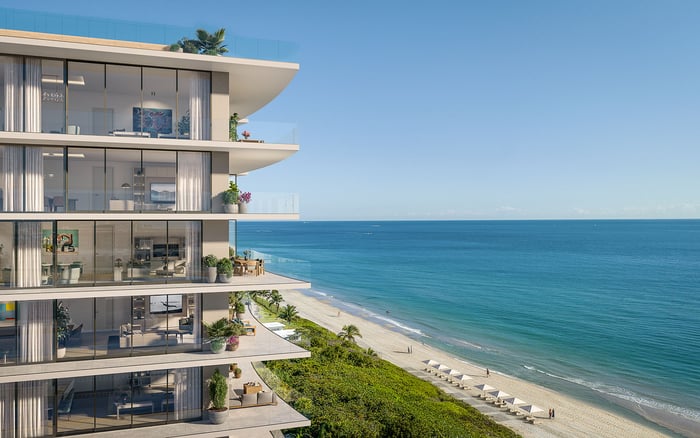
For a local reference point, buyers may naturally examine Rosewood Residences Hillsboro Beach as part of a broader conversation about coastal luxury and long-term livability. The point is not to reduce a residence to a checklist. It is to understand whether its design choices make daily life easier without sacrificing the pleasure of place.
The first test is the arrival. Before focusing on the view, study the path from car to front door. Are transitions level, intuitive, and sheltered enough for groceries, luggage, guests, or a mobility device? Does the residence allow a graceful pause near the entry, with space for a bench, console, or discreet storage? Can doors be opened without awkward maneuvering?
In condominium settings, the route matters beyond the unit itself. Consider lobby circulation, elevator proximity, corridor widths, parking access, package retrieval, and the distance to amenities. In a single-family context, examine driveway slope, threshold conditions, exterior lighting, and the relationship between parking and the main living level. A residence that feels simple to enter today will feel even more valuable when comfort, weather, or assistance become part of the equation.
Buyers often begin with shorthand such as Hillsboro Beach, oceanfront, beach access, and new construction. Those labels can be useful, but they do not replace a physical walkthrough focused on daily movement. The most elegant address still needs to work at walking pace.
Aging-in-place design rewards floor plans that are calm, legible, and forgiving. Look for primary suites that do not require constant stairs, living areas with generous clearances, and room relationships that allow privacy without isolation. A guest room, study, or den with access to a full bath can become a flexible asset over time.
Pay attention to pinch points. Narrow passages, tight powder rooms, decorative level changes, heavy doors, and crowded kitchen islands may not bother a buyer during a short tour, but they can become daily irritants. The most successful luxury residences make movement feel natural. They avoid drama where the body needs ease.
When comparing neighboring coastal markets, it can be helpful to study how different projects present plan logic and lifestyle positioning. A buyer looking beyond Hillsboro Beach might compare residences such as Armani Casa Residences Pompano Beach or Four Seasons Hotel & Private Residences Fort Lauderdale to sharpen the eye. Even if the final choice remains Hillsboro Beach, comparison helps reveal what feels intuitive and what feels merely impressive.
No room reveals long-term planning more clearly than the bathroom. Look past stone selection and fixture brand. Study the shower entry, the threshold, the size of the wet area, the placement of controls, and the possibility of adding discreet support later. A curbless or low-threshold shower, ample turning space, and balanced lighting can make a bathroom feel both serene and resilient.
Vanities deserve equal scrutiny. Can grooming be done while seated if necessary? Is storage reachable without excessive bending? Are mirrors and lighting practical for different heights and abilities? Does the bath have room for assistance without feeling cramped? These are not purely medical questions. They are questions of dignity.
Ask early whether future modifications are permitted and how they would be handled. In a condominium, association rules, plumbing locations, waterproofing standards, and contractor access may shape what can be changed. In a house, structure and slab conditions may matter. The best time to understand these constraints is before closing, not after a need emerges.
The kitchen should support refined living without demanding athleticism. Evaluate reach heights, appliance placement, cabinet access, counter continuity, and lighting. A beautiful kitchen with heavy upper storage and awkward appliance doors may not serve a long-term owner as well as a quieter, better-composed design.
Terraces and outdoor rooms deserve the same discipline. Thresholds, door weight, drainage, shade, seating depth, and night lighting all affect use. A terrace that is difficult to access becomes decorative. One that is easy to step onto, furnish, and enjoy becomes part of the daily rhythm.
For buyers comparing Pompano Beach or Fort Lauderdale alternatives, properties such as The Ritz-Carlton Residences® Pompano Beach can be useful reference points for studying how coastal residences balance indoor and outdoor living. Again, the exercise is not about imitation. It is about training the eye to see comfort as a premium feature.
Aging in place often depends on what happens behind the scenes. Can deliveries, housekeeping, maintenance, or future care support occur discreetly? Is there a service entry, a secondary bedroom, or a flexible space that could accommodate help without compromising the owner's privacy? Does the building or property make everyday logistics simple?
Storage is another underestimated luxury. Space for medical equipment, seasonal items, luggage, linens, and household supplies can become important over time. So can laundry placement, trash access, mail retrieval, and elevator reliability in a multifamily setting. These details may lack glamour, yet they shape whether a residence feels effortless.
Buyers should also consider acoustics and lighting. Quiet bedrooms, glare control, layered illumination, and easy nighttime navigation can make a home more restful. Aging-in-place design is not only about avoiding obstacles. It is about reducing friction in the background of life.
Before falling in love with finishes, understand what can be adapted. Ask whether doors can be widened, flooring can be replaced, showers can be reworked, thresholds can be softened, and smart-home systems can be expanded. In a luxury purchase, the ability to refine over time can be more valuable than a perfect decorative scheme on day one.
This does not mean buying a compromised home. It means recognizing that the strongest residence has both presence and pliability. It can host a dinner beautifully, welcome grandchildren easily, and support a quieter future without losing its character.
Aging-in-place design in Hillsboro Beach is ultimately about stewardship. The right residence allows owners to stay close to the water, to familiar rooms, to chosen rituals, and to the life they have built. That is a rare form of luxury: not louder, but more enduring.
What is aging-in-place design? It is design that helps a home remain comfortable, safe, and functional as an owner’s needs evolve over time.
Should aging-in-place features look clinical? No. In luxury residences, the best features are integrated discreetly through proportion, lighting, circulation, and material choices.
What should I inspect first in a Hillsboro Beach residence? Start with the arrival sequence, including parking, thresholds, elevators, corridors, and the path into the main living area.
Why are bathrooms so important? Bathrooms combine water, movement, privacy, and balance, making them one of the most important areas for long-term comfort.
Is a single-level floor plan always better? It is often simpler for long-term living, but the quality of circulation, room placement, and access matters just as much.
Can a beautiful condo be difficult to age in place? Yes. Tight halls, raised thresholds, limited shower access, or restrictive renovation rules can reduce long-term flexibility.
Should I ask about future renovations before buying? Yes. Understanding association rules, structural limits, and permitted modifications before closing can prevent costly surprises.
How important is terrace access? Very important if outdoor living is central to the purchase. Door weight, thresholds, shade, and seating depth all matter.
Do smart-home systems help aging in place? They can, especially for lighting, shades, climate, entry access, and security, provided they are intuitive and reliable.
What is the main principle for buyers? Choose a residence that feels elegant today and adaptable tomorrow, with comfort treated as a core luxury feature.
When you're ready to tour or underwrite the options, connect with MILLION.
If branded residences are on your mind — as a home or as an allocation — we would be glad to share what we are seeing, privately.
Begin a quiet conversation