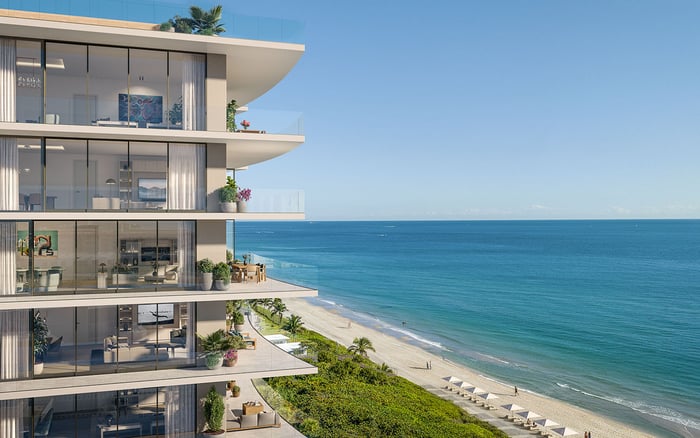
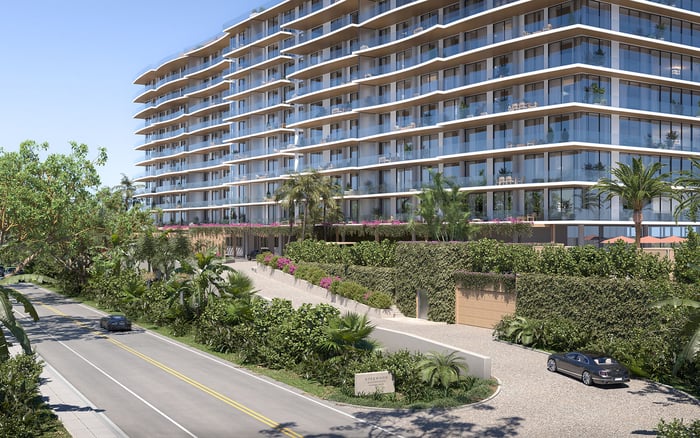
A discreet buyer’s guide to evaluating seasonal access, causeway timing and lifestyle fit at Rosewood Residences Hillsboro Beach and nearby coastal alternatives.
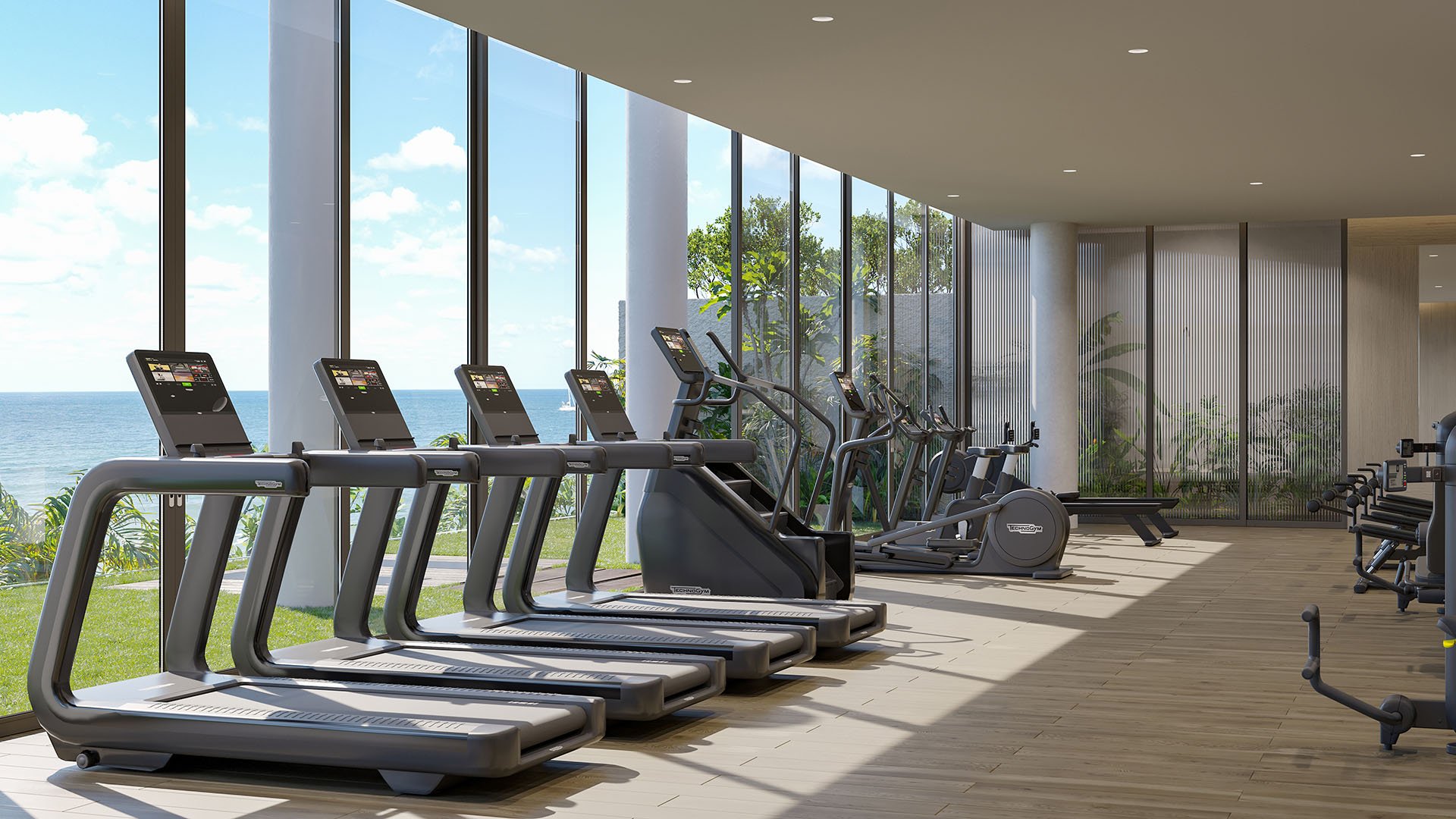
For the seasonal buyer, a coastal residence is not simply a view, a floor plan or a branded service proposition. It is a choreography of arrival and return: the airport run, the dinner reservation, the school visit, the marina appointment, the quick errand that becomes less quick when the island is full. At Rosewood Residences Hillsboro Beach, the appeal is closely tied to the quieter, more residential character of Hillsboro Beach. That privacy is part of the allure, but it also makes access discipline part of the ownership equation.
Causeway bottlenecks are not a reason to dismiss a barrier-island purchase. They are a reason to buy with precision. Seasonal owners tend to concentrate visits around holidays, long weekends and prime winter months, which means routes that feel effortless on a September weekday can feel more deliberate at the height of season. The question is not whether traffic exists. The question is whether the access pattern supports the way you actually live.
For search-minded buyers, the property sits at the intersection of Hillsboro Beach, oceanfront, second-home and beach-access priorities within Broward. Those terms matter because they describe a lifestyle category where serenity, sand and controlled density often carry as much value as square footage.
Hillsboro Beach has a particular kind of luxury: understated, residential and coastal without the constant public theater of larger resort corridors. That discretion is a major draw for buyers who want the ocean as a daily backdrop rather than a social stage. It can feel worlds apart from denser urban waterfronts, even when practical necessities remain within regional reach.
This is the trade seasonal buyers should understand. A quieter shoreline can mean a more measured approach to access. Restaurants, airports, private aviation, shopping, golf, physicians and family visits may require crossing key routes at moments when many others are doing the same. The most satisfied buyers are not surprised by this rhythm. They have already tested it.
That does not make Hillsboro Beach inconvenient. It makes it specific. A residence that functions beautifully for a couple arriving Thursday evening and leaving Monday morning may be evaluated differently by a family hosting guests, coordinating drivers and moving frequently between coastal towns. Lifestyle mapping should come before contract emotion.
The most revealing due diligence is experiential. Visit the property at the same time of day you expect to use it. If you will arrive from the airport on Friday afternoon, make that drive. If you plan to dine south or north during season, test those departures. If a driver, house manager or family member will handle most movements, include them in the review as well.
Buyers often tour residences under ideal conditions: mid-morning, clear weather, light traffic and a sales schedule designed for comfort. That is useful, but incomplete. A second visit during a busier seasonal window can reveal whether the approach feels graceful or strained. Notice not only the total travel time, but also the psychological texture of the trip. Is the route intuitive? Are there alternative paths? Does the final arrival feel calming enough to justify the passage?
For many seasonal owners, the answer may still be yes. The point is to make that yes informed. At this level, inconvenience is not measured only in minutes. It is measured in how often those minutes interrupt the life the buyer imagined.
One of the advantages of the South Florida luxury market is that buyers can choose between distinct forms of coastal living rather than a single template. Hillsboro Beach speaks to privacy and residential quiet. Pompano Beach is developing its own new luxury vocabulary, with branded and lifestyle-driven residences such as Armani Casa Residences Pompano Beach and W Pompano Beach Hotel & Residences offering a different relationship between beach, dining and amenity energy.
Fort Lauderdale, by contrast, often appeals to buyers who want a broader urban waterfront ecosystem, with marinas, restaurants and cultural conveniences more closely layered into daily life. Residences such as Auberge Beach Residences & Spa Fort Lauderdale and Four Seasons Hotel & Private Residences Fort Lauderdale represent a more established resort-residential cadence, where access considerations may feel different because the surrounding environment is more active.
None of these choices is universally superior. They serve different temperaments. The Hillsboro Beach buyer is often seeking a quieter threshold between private home and ocean. The Fort Lauderdale buyer may accept more activity in exchange for convenience and urban waterfront options. The Pompano buyer may be drawn to an evolving beach district. Causeway analysis helps separate romance from fit.
The best access questions are practical and personal. How often will you be in residence during peak season? Will you host extended family? Do you expect to drive yourself, rely on a chauffeur or keep a car staged locally? Are your preferred clubs, restaurants and medical providers north, south or inland? Will airport transfers be frequent or occasional?
A residence can be exquisite and still be wrong for a buyer whose weekly routine fights the geography. Conversely, a property with a slightly more deliberate approach can be ideal for someone who values quiet once they arrive. The same route that frustrates a highly scheduled owner may feel perfectly acceptable to one who settles in for longer stays and moves less often.
Seasonal buyers should also consider guest behavior. Visitors are less tolerant of local nuance because they do not yet understand the rhythm. If your home will become the gathering place for family and friends, access should be reviewed through their eyes as well. The elegance of a beach residence is measured partly by how effortlessly it receives people.
Access friction is often discussed only as a negative. In certain coastal enclaves, it is also part of the privacy equation. Limited routes can discourage casual traffic, reduce the sense of pass-through activity and help preserve a more residential atmosphere. Buyers who prioritize calm often understand this intuitively, even while they test the practical details.
The nuance is important. A bottleneck that occasionally slows arrivals may be acceptable if it contributes to the very quiet that makes the address desirable. A bottleneck that consistently interrupts daily life may not be. The distinction is personal, and it depends on how the owner uses the home.
At Rosewood Residences Hillsboro Beach, the decision should be framed less as a commute question and more as an ownership rhythm question. If the residence is a retreat, the journey may feel like a threshold. If it is expected to function as a high-frequency operating base, the buyer should study the pattern more carefully.
Before finalizing a seasonal purchase, buyers should create a simple access profile. Identify the three routes they will use most often, the two times of day they are most likely to travel and the seasonal weeks when they expect to be in residence. Then test those scenarios in real conditions.
It is also wise to speak with the people who will support the home: drivers, household staff, family office representatives and local service providers. Their observations can be more operational than emotional. They will know whether deliveries, airport transfers and guest arrivals can be handled smoothly, and whether the household needs protocols during peak periods.
Finally, evaluate the emotional payoff. When you arrive, does the setting immediately repay the effort? Does the oceanfront privacy feel restorative? Does the residence simplify your life once you are inside the gate or lobby? Luxury real estate is not frictionless by default. The best properties make the friction feel worthwhile.
Should seasonal buyers worry about causeway bottlenecks near Rosewood Residences Hillsboro Beach? They should evaluate them carefully, not fear them automatically. The right answer depends on travel frequency, timing and lifestyle expectations.
Is Hillsboro Beach better for quiet living than a busier beach corridor? It may suit buyers who prioritize privacy and a more residential coastal mood. Buyers wanting constant walkable activity may prefer a more urban waterfront setting.
How many times should I visit before deciding? At least one visit should mirror your real seasonal routine. A second visit during a busier time can provide a more honest sense of access.
Should I test airport transfers before purchasing? Yes, especially if you expect frequent arrivals and departures. Test the route at the same day and time you are likely to travel.
Can access friction be a positive for luxury buyers? Sometimes. A more controlled approach can help preserve privacy and reduce casual pass-through activity.
Is Rosewood Residences Hillsboro Beach mainly a second-home decision? For many buyers, it will be evaluated as a seasonal or second-home purchase. The right fit depends on how long and how often the owner plans to stay.
What should families consider before buying? Families should consider guest arrivals, school visits, dining patterns and medical access. Convenience should be tested through the household’s real weekly rhythm.
How does Broward compare with Miami for seasonal buyers? Broward can offer a quieter coastal profile in certain areas. Miami may offer more urban intensity, depending on the neighborhood.
Should I compare Pompano and Fort Lauderdale alternatives? Yes, if you are still defining your preferred balance of privacy, amenity energy and access. Nearby coastal corridors can feel very different in daily use.
What is the most important question before committing? Ask whether the arrival pattern supports the life you want after you unlock the door. If the answer is yes, the route becomes part of the ritual.
For a tailored shortlist and next-step guidance, connect with MILLION.
If branded residences are on your mind — as a home or as an allocation — we would be glad to share what we are seeing, privately.
Begin a quiet conversation