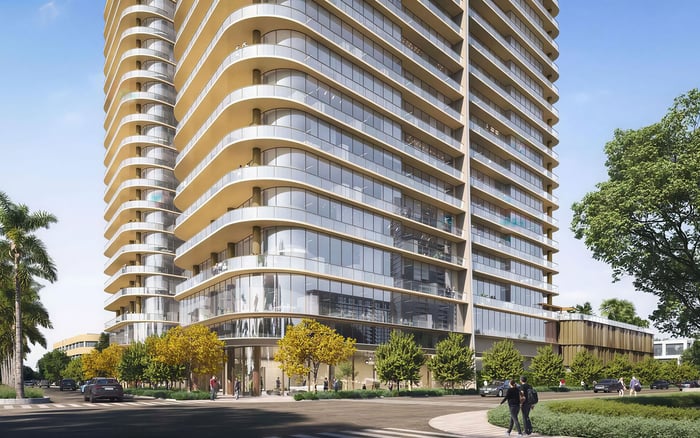
A practical guide for out-of-state buyers purchasing a South Florida preconstruction condo, from contract review and escrow protection to remote closing, taxes, insurance, and ownership structure.

Buying a preconstruction condominium in South Florida from another state is entirely workable, but it should never feel casual. Distance is not the principal risk. The real risk is losing control of deadlines, documents, deposits, and assumptions before the buyer has assembled the right local team.
For a high-net-worth purchaser, the process should begin with a private brief: desired use, holding period, preferred exposure, financing posture, ownership entity, risk tolerance, and exit strategy. A second-home buyer planning to spend winters in Miami Beach may evaluate carrying costs differently from an investment buyer focused on long-term rental performance in Brickell. The objective is to make the purchase feel elegant while running the diligence like an acquisition.
For a clean internal brief, label the search as preconstruction, new construction, investment, second home, Brickell, and Miami Beach before comparing buildings. Those categories shape everything from timing and lifestyle fit to tax planning and financing conversations.
Out-of-state buyers should have a Florida-licensed buyer’s broker, a Florida condominium attorney, a lender or private banker if financing is involved, a tax advisor, an insurance advisor, and a closing or title team. The broker helps assess market fit and project context. The attorney focuses on contract language and statutory protections. The lender tests whether the project, not just the borrower, meets financing standards.
License verification is a simple but important step. A remote buyer should confirm that anyone advising on the transaction is properly licensed before sensitive documents or deposits are exchanged.
The attorney should be engaged before the purchase agreement is signed, not after. In preconstruction, the buyer is committing to a future residence based on plans, disclosures, budgets, timelines, and contractual rights. A refined sales gallery can be persuasive, but the legal documents govern the purchase.
Florida preconstruction condominium sales are governed heavily by the state condominium statute, and required project documents are not background reading. They are central diligence materials.
For developer sales, Florida law generally gives a buyer 15 days to cancel after signing the purchase agreement and receiving the required condominium documents. That right must be exercised by written notice. For a remote buyer, the practical rule is simple: once the contract is signed and the documents are delivered, calendar the deadline, confirm how notice must be sent, and keep proof of delivery.
Developer contracts are required to contain warning language advising that the agreement is voidable for 15 days after receipt of the required documents. The buyer should not assume that verbal reassurance, travel schedules, or delayed attorney review will extend that window. If the review is not complete before the deadline, the buyer must make a decision based on the rights actually available.
For residential condominium projects with more than 20 residential units, Florida law requires a prospectus or offering circular with prescribed disclosures. The document package can include the declaration, articles, bylaws, rules, management contracts, estimated operating budget, question-and-answer sheet, and other project documents.
These materials define the future operating environment of the building. Review use restrictions, leasing rules, pet policies, parking rights, storage rights, alteration approvals, association powers, budget assumptions, reserve obligations, insurance responsibilities, and the developer’s retained rights. A buyer purchasing for seasonal use should scrutinize access, guest policies, and owner services. A buyer contemplating rental income should focus on leasing restrictions and association approvals.
The estimated budget deserves more attention than it often receives. Florida condominium associations must address structural integrity reserve studies and reserve funding under statutory rules, and milestone-inspection requirements now apply to certain condominium and cooperative buildings. Even in a new tower, long-term structural maintenance and reserve planning matter because today’s budget becomes tomorrow’s ownership experience.
Deposit protection is one of the most important issues in a precompletion condo purchase. Florida law requires buyer deposits up to 10 percent of the sale price in precompletion condominium sales to be held in escrow. Payments above 10 percent must be held in a special escrow account, though the contract may allow the developer to use those excess funds for actual construction and development costs.
That distinction is critical. The buyer should ask how much is due at contract, what is due at subsequent milestones, where deposits are held, when any funds may be released, and what remedies exist if statutory escrow requirements are not followed. If the developer fails to comply with escrow requirements for precompletion condo sales, the purchase contract is voidable by the buyer.
The contract should also state the developer’s estimated completion date and the date by which the buyer may cancel if construction has not been completed. A remote buyer should not rely on informal construction commentary. Timeline rights belong in the contract.
South Florida ownership costs are not limited to the purchase price and association dues. Florida documentary stamp tax applies to deeds and other written obligations to pay money, so transfer-tax and mortgage-tax estimates should be confirmed with the closing agent before the buyer locks the capital plan.
Property taxes should be modeled early. Miami-Dade County offers an online property tax estimator, and buyers in other counties should request similar guidance from the local property appraiser or closing team. Florida’s homestead exemption may reduce taxable value for qualifying permanent residents, but it is not automatic and must be applied for through the property appraiser.
Insurance also requires advance review. Buyers should check flood-zone information for the project site and ask the insurance advisor to explain building coverage, owner coverage, wind considerations, deductibles, and potential lender requirements. For coastal South Florida, insurance is a diligence item, not an afterthought.
Florida permits online notarization under statutory rules, which can help an out-of-state buyer execute certain closing documents remotely when the title company and lender allow it. The qualifying phrase matters. Some documents, lenders, title underwriters, or ownership structures may still require specific execution procedures.
Before signing, ask whether the transaction can close remotely, whether original signatures are required, whether an online notary is acceptable, how funds must be wired, and how identity verification will be handled. Wire instructions should be confirmed through a trusted, verified channel because luxury real estate closings are attractive targets for fraud.
Financing buyers should compare standardized loan estimates across lenders, including interest rate, monthly payment, closing costs, taxes, insurance, and other loan terms. Condo financing can depend on project status, reserves, litigation, insurance, investor concentration, and lender approval standards. A buyer may be personally strong, but the building still needs to satisfy the lender.
Some buyers prefer individual ownership. Others use a trust, limited liability company, or other planning structure. The right answer depends on tax, estate, privacy, liability, financing, and resale considerations.
Entity and trust purchases can create additional documentation, lender review, tax analysis, and reporting considerations. Federal transparency rules for certain non-financed residential transfers to legal entities and trusts may also affect how a transaction is documented. If the future resale may involve a non-U.S. seller, federal withholding rules can become relevant as well.
The ownership structure should be decided before contract execution whenever possible. Changing the buyer name or assigning the contract later may require developer approval, legal review, additional documentation, or fees.
Can I buy a South Florida preconstruction condo without flying in? Yes, many steps can be handled remotely, but you should confirm signing, notarization, financing, and closing procedures with your attorney, lender, and title team.
How long do I have to cancel after signing a developer contract? Florida developer sales generally provide a 15-day cancellation period after signing and receiving required condominium documents, with cancellation made by written notice.
What documents should my attorney review? The review should include the contract, declaration, bylaws, rules, management agreements, estimated budget, question-and-answer sheet, and required offering materials.
Are my preconstruction deposits protected? Deposits up to 10 percent of the purchase price must be held in escrow, while amounts above 10 percent have special escrow rules and may be usable for construction if the contract allows.
What completion date should I rely on? Rely on the estimated completion date and outside cancellation date stated in the contract, not informal statements about construction progress.
Can I close with online notarization? Florida permits online notarization under statutory rules, but the title company, lender, and document type must allow the remote process.
Should I finance or pay cash? Compare liquidity, loan terms, project approval requirements, taxes, insurance, and opportunity cost before deciding, especially in a preconstruction timeline.
Do I need to review flood risk for a high-rise condo? Yes, flood-zone and coastal-risk information can affect insurance, lender expectations, and long-term ownership planning.
Does Florida homestead apply to a second home? Homestead benefits are generally tied to qualifying permanent residence status and require an application through the property appraiser.
Can I buy through an LLC or trust? Often, but the structure should be reviewed for tax, financing, estate planning, reporting, and developer-approval implications before contract signing.
When you're ready to tour or underwrite the options, connect with MILLION.
If branded residences are on your mind — as a home or as an allocation — we would be glad to share what we are seeing, privately.
Begin a quiet conversation