A luxury buyer’s guide to evaluating guest-suite strategy for extended family visits in South Florida, with a focus on privacy, circulation, wellness, storage, and long-stay comfort.
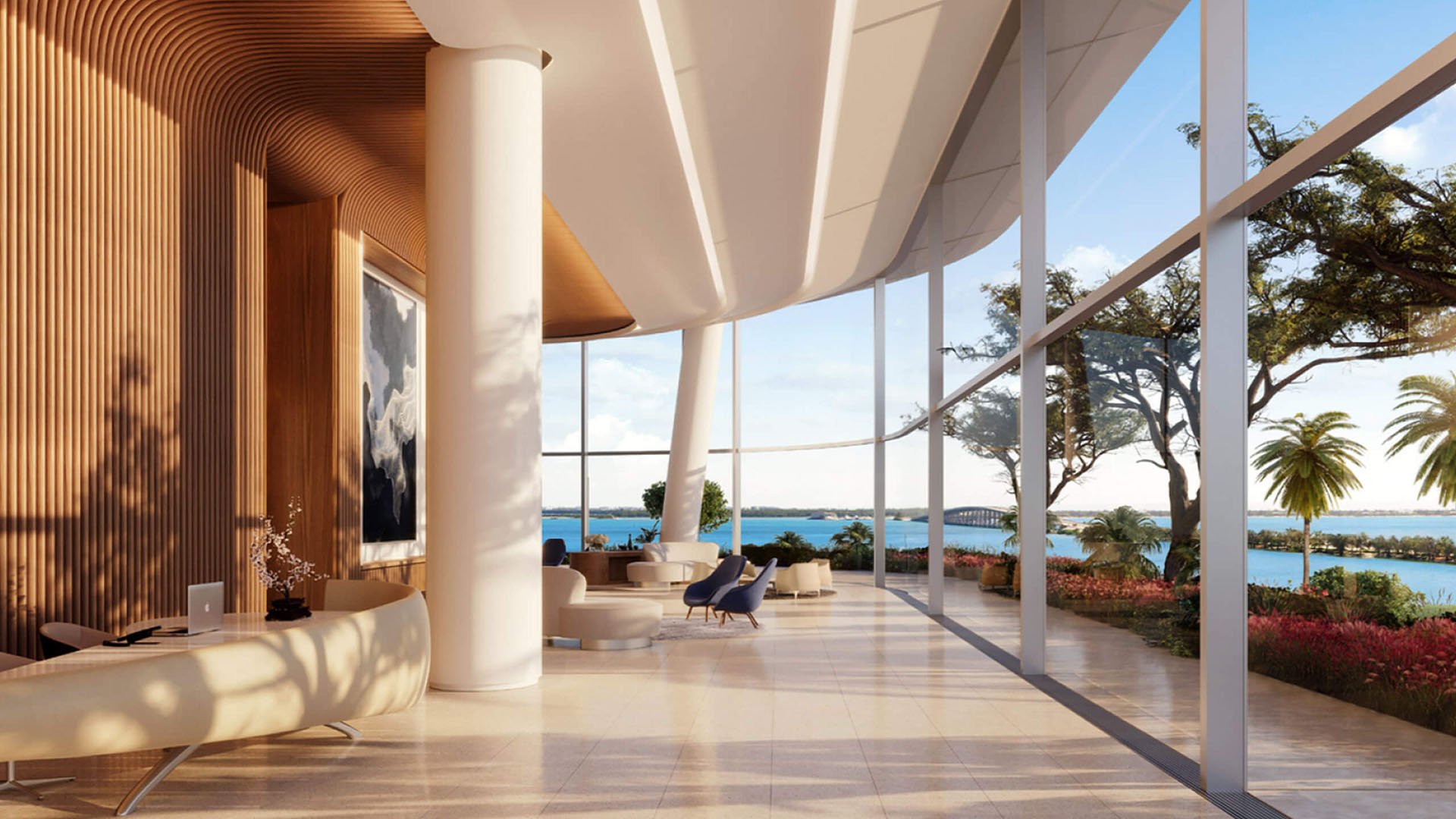
A guest room is easy to admire during a showing. A guest suite is truly tested only when family settles in for two or three weeks and daily rhythms begin to overlap. For South Florida buyers, that distinction matters. The right layout preserves ease, privacy, and household calm. The wrong one can make even a large residence feel crowded.
When family stays for longer stretches, the suite should be judged less as a hospitality gesture and more as a secondary living environment. That means looking past finishes and asking whether the space can support morning routines, downtime, work calls, laundry, and the small habits that turn a visit into temporary cohabitation.
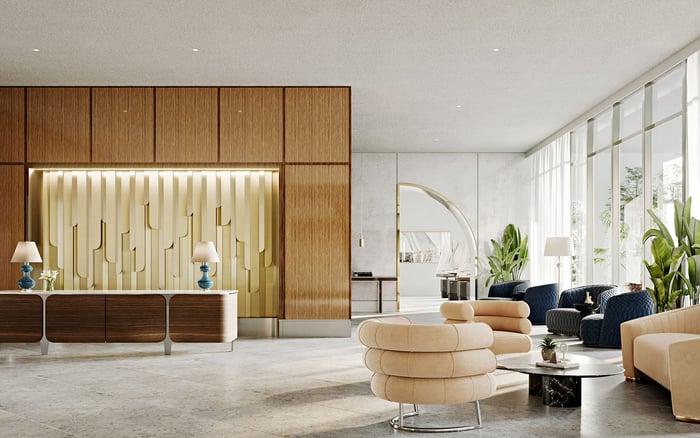
This is especially relevant in residences designed for seasonal use, multigenerational living, or frequent hosting. In projects such as 2200 Brickell or Alina Residences Boca Raton, buyers often think carefully about flow, privacy, and how guest accommodations perform beyond a long weekend. The best homes anticipate that a parent, adult child, or visiting in-laws may want autonomy without complete separation.
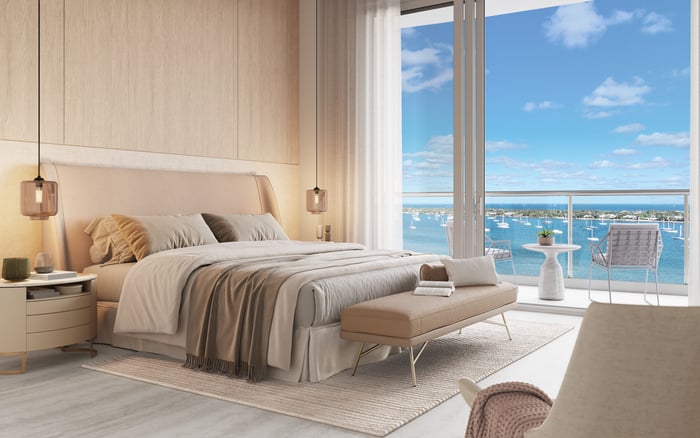
For extended stays, the most effective suites read as a zone, not a single room. A bedroom with a nice bath may work for three nights. For three weeks, most households need a cluster of functions: sleeping, dressing, bathing, sitting, and ideally some degree of beverage or snack preparation.
As you tour a residence, assess whether the guest area has psychological separation from the primary suite and main entertaining spaces. A long corridor, vestibule, den, or pocket door can make a meaningful difference. Even in a condominium, a split-bedroom plan can outperform a larger but less disciplined layout.
The strongest configurations often include a sitting area or flex space that lets guests retreat without defaulting to the bed. That is why more private floor plans at Vita at Grove Isle feel especially relevant for buyers who host family often. Separation is not about formality. It is about preserving dignity for everyone in the home.
Many luxury buyers focus first on suite size. In practice, circulation matters just as much. If guests must cross the kitchen each morning, pass the family room to reach the terrace, or move through children's areas to access laundry, the suite will feel exposed no matter how generous the dimensions.
Study the path from guest suite to the front door, elevator lobby, powder room, outdoor spaces, and parking. If the route constantly intersects with the household's busiest zones, friction rises quickly during longer stays. In single-family homes, a detached casita, poolside pavilion, or first-floor suite with its own entrance can solve this elegantly. In condominiums, the equivalent is a split plan with elevator foyers, secondary hallways, or dual-wing layouts.
Sound control is another subtle differentiator. Ask where the suite sits relative to media rooms, kitchens, service corridors, and mechanical equipment. A guest room beside a pantry may look fine in daylight and feel fatiguing by day four. Buyers in Miami Beach, Boca Raton, and Palm Beach who entertain regularly often find that acoustic privacy is one of the most valuable luxuries a floor plan can offer.
A successful long-stay suite should reduce dependency on the main household. The more functions guests can manage comfortably on their own, the smoother the experience.
Start with the bath. Double vanities are helpful, but usable storage matters more. A beautiful bath with nowhere to place medicine, cosmetics, or extra towels becomes inconvenient quickly. Closet depth matters as well. Guests staying for weeks need more than decorative hanging space. They need drawers, luggage storage, and room for garments that suit dinners, beach days, fitness, and travel.
Laundry is often the dividing line between a pleasant suite and an overworked one. Direct access to a washer and dryer, whether in-suite or very nearby, changes the feel of a long visit entirely. So does a small refreshment point: an undercounter refrigerator, sink, coffee setup, or discreet bar area can keep the suite from feeling dependent on the main kitchen.
For residences in areas like Brickell or Coconut Grove, where buyers may host adult children working remotely or parents staying through a season, a desk nook or true flex room deserves more attention than many buyers initially give it. In a project such as Una Residences Brickell, the appeal is not simply luxury finish. It is the possibility of daily living that feels composed rather than improvised.
The ideal guest-suite strategy depends on who is coming and how they live. Parents in their seventies have different needs than a daughter returning from college, a family with small children, or international relatives staying through the holidays.
For older guests, prioritize elevator access, a walk-in shower, minimal thresholds, nighttime lighting, and proximity to the main living areas without sacrificing quiet. For families with children, the better solution may be a suite adjacent to a secondary bedroom, media room, or bunk space so that parents can maintain a separate sleeping zone while staying close to their children.
If you host adult children or relatives who work remotely, independence becomes the key metric. They will value strong privacy, a place to take calls, and the ability to wake, snack, and move through the home without feeling observed. In Fort Lauderdale and Aventura residences, this often means favoring floor plans with an extra den over a formally oversized dining room that sees little daily use.
Not every buyer needs a fully autonomous guest wing. The goal is to match the suite strategy to your real pattern of use while protecting future appeal. In South Florida, homes that support multigenerational living often hold broad buyer interest because they can adapt to family stays, live-in staff, wellness routines, or a private office suite.
That said, too much specialization can limit flexibility. A detached suite with a full kitchen may be brilliant for your household but less useful if it compromises the main plan. The best layouts preserve optionality. A guest zone should be able to function later as a family suite, office, wellness room, or private retreat.
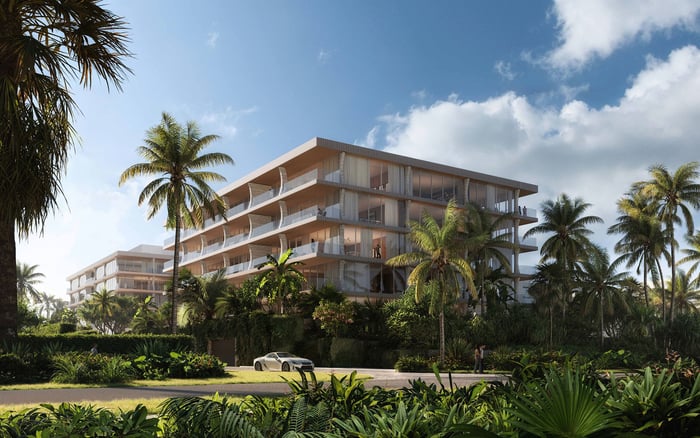
This is where certain newer luxury projects distinguish themselves. In The Ritz-Carlton Residences® West Palm Beach, or similarly considered waterfront offerings, buyers are often drawn to plans that can absorb shifting family needs over time. A refined guest strategy is not excess. It is insurance against changing lifestyles.
During a tour, walk the residence as if family has already arrived. Where do suitcases go on day one? Where are guests making coffee on day three? Where do they take a private phone call on day five? By the second week, are they still comfortable, or simply being polite?
Open every closet. Stand in the hall outside the suite and listen. Check whether the bathroom feels genuinely private. Ask whether laundry is convenient without crossing the entire home. Sit in the guest area during daylight and then imagine it at night. Does the layout create autonomy, or only the appearance of it?
The most valuable guest suites do not announce themselves with theatrics. They quietly remove stress. They allow closeness without crowding, generosity without performance, and family time that remains elegant deep into the stay.
What makes a guest suite suitable for a multiweek stay? A true long-stay suite should support sleeping, storage, privacy, bathing, and some degree of independent daily routine.
Is a larger bedroom enough for extended family visits? Not usually. Separate sitting space, better storage, and easier circulation often matter more than additional bedroom square footage.
Should a guest suite have its own entrance? If possible, yes for frequent or lengthy stays. In condos, a split-bedroom layout can deliver a similar sense of independence.
How important is laundry access near the suite? Extremely important. For stays measured in weeks, nearby laundry meaningfully improves comfort and reduces household disruption.
Do older family members need a different suite layout? Yes. Step-free access, a walk-in shower, good lighting, and shorter routes through the home are all worth prioritizing.
Is a kitchenette necessary in a luxury guest suite? Not always, but a small beverage or refreshment area is highly useful when guests stay beyond a weekend.
What hurts guest-suite performance most? Poor circulation is a common issue. If guests must pass through the home's busiest spaces constantly, privacy erodes quickly.
Can a guest suite also improve resale appeal? Yes. Flexible guest zones can appeal to buyers seeking multigenerational living, office space, or private retreat options.
Are detached guest houses always better? No. They are excellent for privacy, but only if they do not compromise convenience, supervision, or the main home's flow.
How should buyers compare two different guest-suite layouts? Compare them by autonomy, storage, acoustics, laundry access, and everyday movement rather than by finishes alone.
If you'd like a private walkthrough and a curated shortlist, connect with MILLION.
If branded residences are on your mind — as a home or as an allocation — we would be glad to share what we are seeing, privately.
Begin a quiet conversation