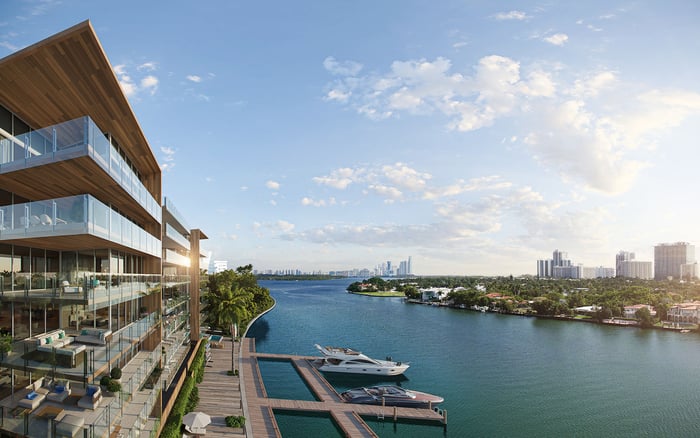
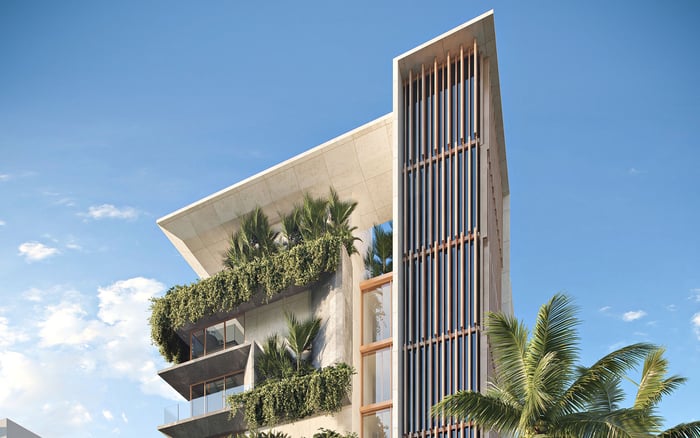
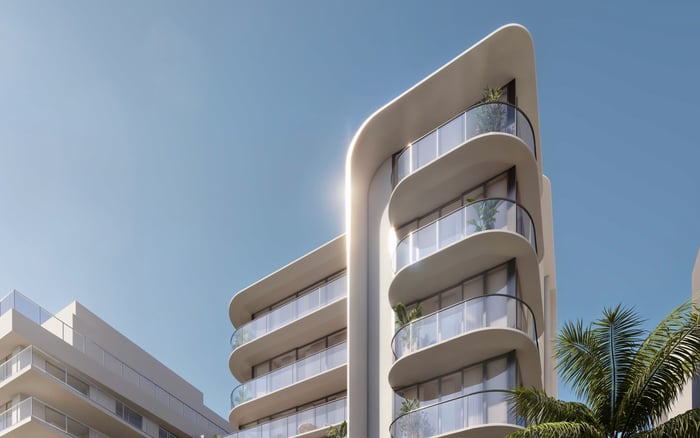
A discreet buyer’s analysis of La Maré Bay Harbor Islands, where the real privacy question around recovery-room living is less about atmosphere and more about ownership, access, control, and governance.
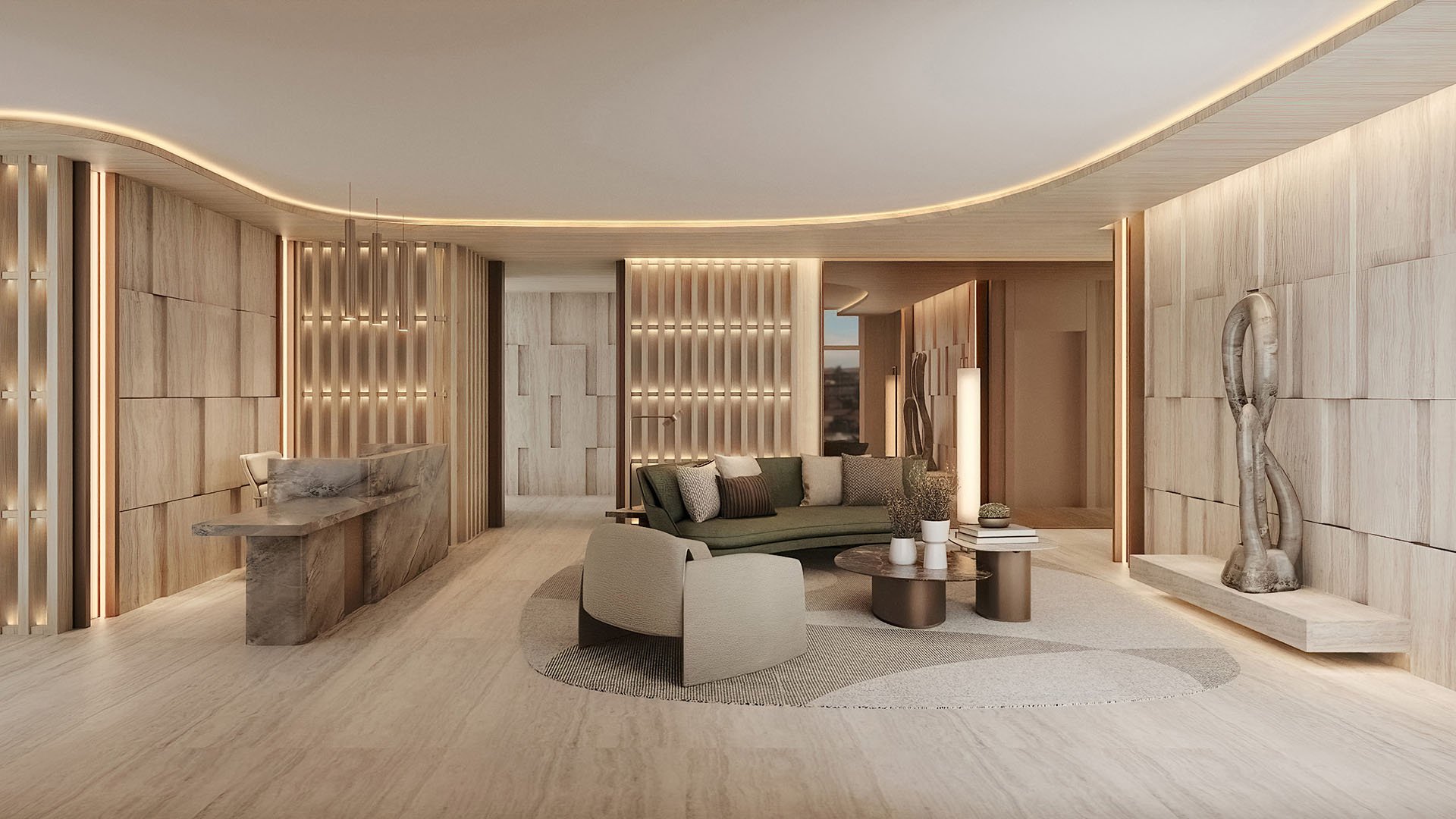
La Maré Bay Harbor Islands sits in a market where luxury buyers are no longer satisfied by beautiful finishes alone. They are asking quieter, sharper questions about control. Who can enter a recovery-oriented space? Who manages access? Who preserves discretion when a resident is using a wellness room after travel, training, treatment, or a long day in the sun?
That is the ownership question behind recovery-room privacy. In high-end residential design, privacy is often described through materials: soft lighting, buffered walls, separate entries, acoustic calm, and serene proportions. Those details matter, but they are not the full answer. A recovery room may feel private in a rendering, yet its true privacy depends on the legal and operational framework around it.
For buyers considering La Maré Bay Harbor Islands, the more useful lens is not simply whether a wellness space looks exclusive. It is whether exclusivity is embedded in ownership rights, association rules, reservation protocols, staff procedures, and the daily rhythm of the property.
The ultra-premium buyer understands that privacy is a system. A door is only as private as the policy governing who holds access. A wellness room is only as discreet as the procedures controlling scheduling, cleaning, guest use, service-provider entry, and recordkeeping. In that sense, recovery-room privacy is less an amenity feature than a governance feature.
This distinction is especially important in Boutique residential buildings, where intimacy can work in two directions. A smaller residential environment may feel calmer and more personal, but it can also make usage patterns more visible if operations are not carefully structured. The best version of privacy is not just fewer people. It is fewer ambiguities.
Buyers should ask how any recovery-oriented amenity is classified. Is it a common element, a limited common element, a reservable private space, or part of an individual residence? Each answer creates a different privacy profile. A common space may be beautifully appointed, yet subject to broader resident access. A limited-use area may create a more controlled experience. A private in-residence feature may offer the strongest discretion, while shifting maintenance and customization responsibility to the owner.
The most elegant diligence begins with documents, not decoration. A buyer evaluating La Maré Bay Harbor Islands should review the condominium documents, rules and regulations, amenity-access language, guest policies, service-provider protocols, and any provisions affecting health, wellness, or recovery uses. The goal is to understand the difference between lifestyle intention and enforceable rights.
New-construction buyers should be particularly attentive to how promised spaces are ultimately delivered and operated. In the pre-completion phase of any luxury property, language can be aspirational. The finished ownership experience is shaped by recorded documents, association governance, management decisions, and house rules that may evolve over time.
The key questions are practical. Can residents reserve a room in advance? Are guests permitted? Can outside wellness professionals enter? Is there a sign-in procedure? Are cameras present in approach corridors? Who cleans the space, and when? Are usage logs visible to management staff? How are disputes handled if two residents want the same private window?
None of these questions diminishes the romance of the residence. They refine it. At this tier, the true luxury is not merely access to wellness. It is the ability to recover, reset, and retreat without feeling observed.
Bay Harbor Islands can appeal to buyers who want a residential setting near the broader Miami Beach and Bal Harbour orbit, while preserving a more measured pace. The island environment rewards understatement. It is not only about arrival. It is about the quality of return.
That context gives the recovery-room privacy question added weight. A Waterview residence in this setting may offer calm through outlook, light, and separation from denser urban movement. Yet privacy is never only visual. A buyer who values wellness as part of daily life should consider how sound, circulation, elevator patterns, staff access, and amenity adjacency shape the experience.
The Bay Harbor buyer may already own in other markets, use the residence seasonally, or split time between homes. For a Second-home owner, the ability to arrive after a flight and move directly into a protected wellness routine can be as important as a dramatic terrace or a formal entertaining space.
La Maré Bay Harbor Islands therefore belongs in a broader conversation about how South Florida luxury is evolving. The market is moving from spectacle toward personal infrastructure. Pools, spas, fitness rooms, saunas, treatment areas, and recovery spaces are not simply amenities. They are lifestyle utilities for owners who value performance, longevity, privacy, and control.
The comparison should be disciplined. Buyers should avoid ranking properties only by the number of wellness features advertised. More amenities do not automatically create more privacy. In some cases, fewer, better-governed spaces can provide a more refined ownership experience than a large amenity program with heavy traffic.
When comparing La Maré Bay Harbor Islands with other luxury residences, focus on three layers. The first is physical design: location of wellness areas, approach routes, acoustic separation, elevator proximity, and whether spaces feel naturally shielded. The second is legal classification: what is owned privately, what is shared, what is restricted, and what can be changed by association action. The third is operational culture: how management handles discretion, scheduling, guest access, staff training, and resident expectations.
This is where sophisticated buyers separate marketing from lived reality. A recovery room may be visually serene, but if access is casual, scheduling is unclear, or guest policies are loose, the privacy value is diluted. Conversely, a more modestly scaled wellness space can feel deeply luxurious if it is controlled, quiet, and predictable.
Buyers should also consider resale logic. Privacy that is documented and operationally credible can become a meaningful differentiator. The future buyer will likely ask the same questions: Can I actually use this space discreetly? Is the experience protected? Does the building culture understand confidentiality?
The essential question is simple: does the owner merely enjoy access, or does the owner hold meaningful control?
Access is pleasant. Control is valuable. In South Florida’s luxury market, where buyers increasingly treat the home as a private wellness platform, that distinction can influence both daily satisfaction and long-term desirability. La Maré Bay Harbor Islands invites that conversation because the language of recovery, retreat, and privacy now sits at the center of modern residential decision-making.
A beautiful room can soothe the senses. A well-structured ownership framework protects the experience. For the discreet buyer, that is the difference between an amenity and an asset.
What is the main privacy issue for recovery-room living at La Maré Bay Harbor Islands? The central issue is whether privacy is supported by ownership rights, access rules, and daily operations, not just by design.
Why does ownership structure matter for a wellness or recovery room? Ownership structure determines who can use the space, how access is controlled, and whether the experience can remain discreet.
Is a private in-residence recovery space different from a shared amenity? Yes. A private in-residence space usually offers stronger personal control, while a shared amenity depends heavily on building rules and management.
What should buyers review before purchasing? Buyers should review condominium documents, house rules, amenity policies, guest-access terms, and service-provider procedures.
Does Boutique scale automatically mean more privacy? Not automatically. Boutique scale can support privacy, but only if circulation, access, scheduling, and operations are carefully managed.
Why is Bay Harbor Islands relevant to this discussion? The area’s quieter residential character can make discretion a meaningful part of the value proposition for luxury buyers.
How should Second-home owners think about recovery-room privacy? Second-home owners should focus on arrival privacy, staff access, predictable scheduling, and the ability to maintain routines without friction.
Can New-construction buyers rely on marketing language alone? No. New-construction buyers should confirm how spaces are legally classified and how access will be governed once the building is operating.
Does a Waterview setting guarantee privacy? No. A Waterview can enhance calm and atmosphere, but true privacy also depends on sound, circulation, access, and management protocols.
What is the best way to shortlist comparable options for touring? Start with location fit, delivery status, and daily lifestyle priorities, then compare stacks and elevations to validate views and privacy.
For a confidential assessment and a building-by-building shortlist, connect with MILLION.
If branded residences are on your mind — as a home or as an allocation — we would be glad to share what we are seeing, privately.
Begin a quiet conversation