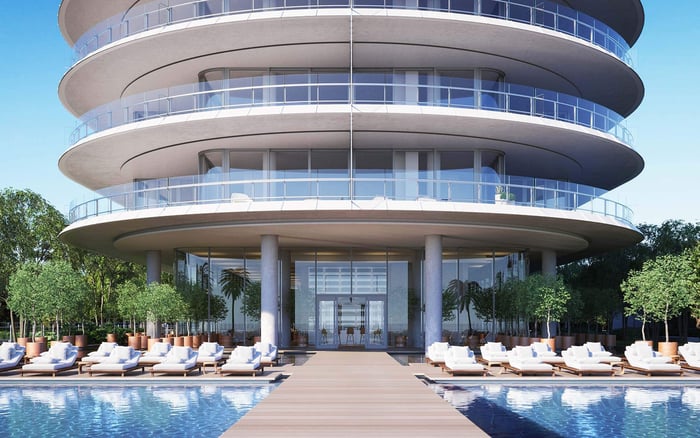
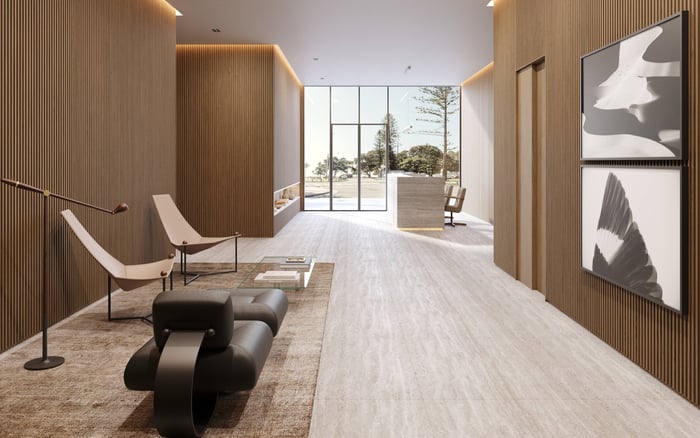
For high-net-worth buyers, the question of primary residence status can turn Coconut Grove from a lifestyle preference into a strategic home-base decision.
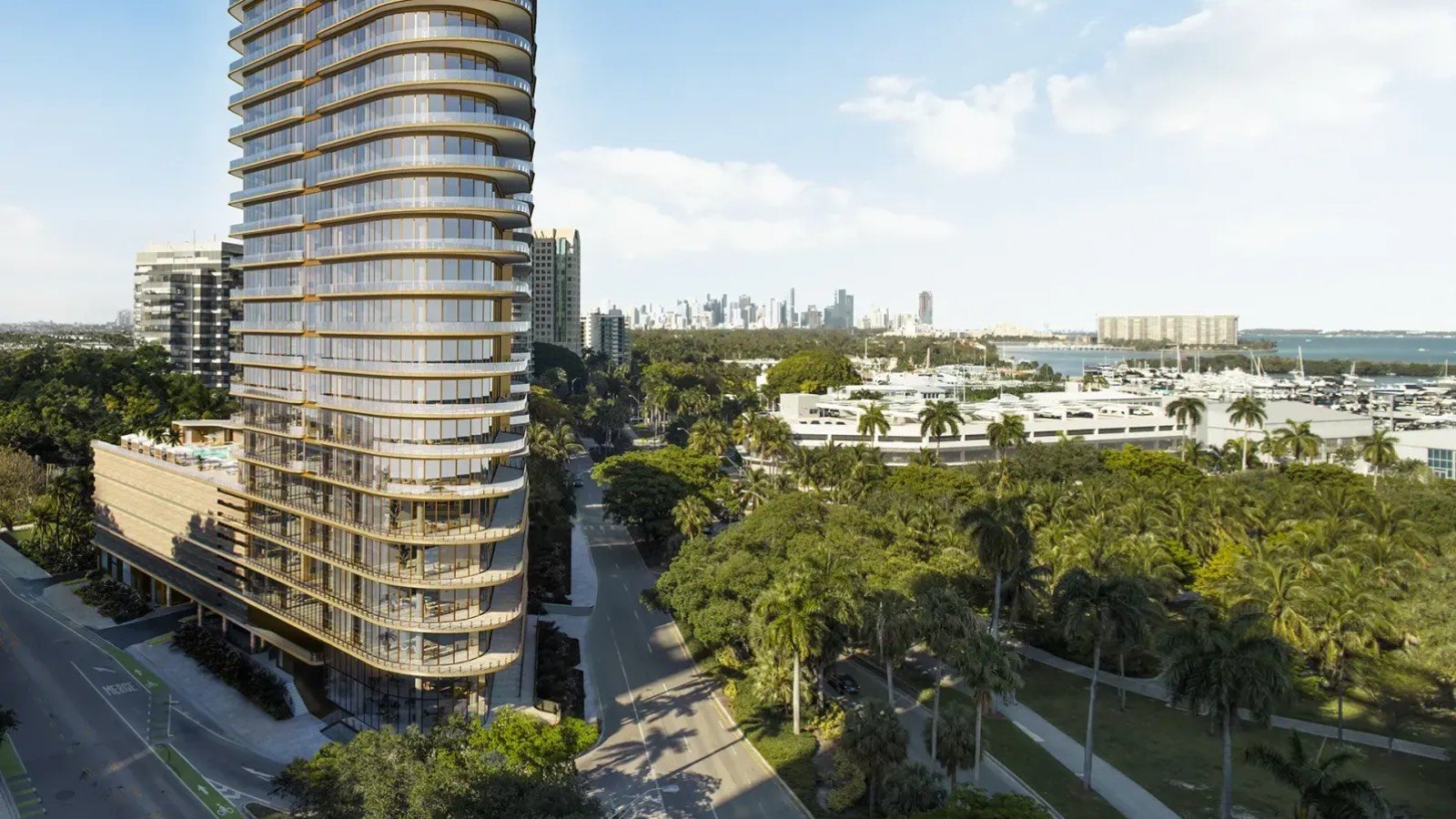
For many affluent buyers, the decision to buy in Coconut Grove begins as a lifestyle conversation and quickly becomes a question of personal architecture. Where will the family actually live? Which address will function as the operational center of life in South Florida? How often will the home be occupied, and with what level of permanence?
Those questions matter because primary residence status is not merely a mailing preference. It shapes how buyers think about timing, privacy, school calendars, professional routines, estate planning conversations, and the emotional threshold for committing to a neighborhood. In Coconut Grove, the question is especially nuanced. The area has long appealed to buyers who want Miami without feeling absorbed by Miami at every hour of the day.
A buyer considering primary residence status often evaluates Coconut Grove differently than a buyer seeking a seasonal retreat. The primary-home buyer tends to scrutinize the cadence of daily life: morning routines, quiet streets, access to dining, wellness habits, family logistics, and the ability to host without feeling on display. The result is a more exacting search, and often a more decisive one.
Coconut Grove invites a particular kind of commitment. It is not typically chosen for spectacle alone. Its appeal is grounded in atmosphere: residential scale, a sense of greenery, a village-like rhythm, and a softer relationship to Biscayne Bay than many denser urban districts.
For buyers asking whether South Florida should become their primary residence, that tone can be persuasive. A primary home must perform across ordinary days, not only during holiday weeks or winter visits. It must feel composed on a Tuesday morning and effortless on a Saturday evening. Coconut Grove’s value proposition sits precisely in that daily usability.
This is where lifestyle becomes more than a marketing word. Buyers who intend to live in South Florida full time often care less about one dramatic feature and more about how the entire environment supports continuity. They want a neighborhood that can absorb family life, professional demands, guests, pets, wellness routines, and privacy without requiring constant negotiation.
Primary residence status is ultimately a personal and professional advisory matter. Buyers should coordinate with tax, legal, and wealth advisors before making any formal decision. Yet the real estate search often reveals intent before any paperwork does.
If a buyer is choosing where to keep personal effects, where to host family milestones, where to enroll children, where to receive guests, and where to structure daily routines, the property selection becomes part of a broader residency conversation. In Coconut Grove, that can shift attention toward residences that feel less transient and more enduring.
The key distinction is use. A home planned for primary residence status should be judged by a higher standard of livability than a lock-and-leave second home. Floor plan efficiency, outdoor space, building culture, service style, parking comfort, storage, and the feeling of arrival all become central. The question is not only whether the residence impresses. The question is whether it supports the way the buyer wants to live most of the year.
New-construction options in Coconut Grove can appeal to buyers who want a cleaner transition into South Florida. For those weighing primary residence status, the attraction is often practical as much as aesthetic: modern layouts, current building systems, contemporary service expectations, and a more predictable ownership experience.
A buyer considering Four Seasons Residences Coconut Grove, for example, may be thinking not just about the name on the building, but about whether a branded residential environment can simplify full-time living. Similarly, Mr. C Tigertail Coconut Grove may enter the conversation for buyers who want the Grove address with a more hospitality-inflected residential sensibility.
The decision becomes less about chasing inventory and more about matching ownership style to residency intent. Some buyers want the reassurance of service. Others want discretion, smaller scale, or a residence that feels closer to a private home. In each case, the primary residence question clarifies what matters.
The full-time test is simple: would this home still feel right after the novelty fades? Coconut Grove often performs well in that thought exercise because its appeal is layered. It offers a setting that can feel cultivated without feeling ceremonial.
For families, privacy may outweigh skyline drama. For executives, the ability to move between home, meetings, airport access, dining, and wellness routines without friction may become decisive. For collectors, hosts, and design-minded buyers, the residence must also have enough architectural dignity to hold art, furniture, and entertaining rituals with ease.
That is why properties such as Park Grove Coconut Grove remain relevant in primary-home conversations. Buyers are not merely choosing a unit; they are choosing how public or private their Miami life should feel. In Coconut Grove, that balance is often more important than maximal visibility.
Waterfront property has a distinct role in South Florida decision-making, but primary residence buyers tend to approach it with discipline. The view matters, of course, but so do exposure, privacy, maintenance expectations, circulation, and the home’s ability to feel calm in every season.
Coconut Grove’s relationship to the water is part of its identity, yet many buyers are equally drawn to its mature residential texture. The best decisions often come from weighing both: the desire for a connection to the bay and the need for a neighborhood that supports daily life.
That is one reason buyers also study wellness-oriented and boutique concepts such as The Well Coconut Grove. For a primary residence, health, recovery, convenience, and emotional ease can carry as much weight as views. A second home can be theatrical. A primary home must be restorative.
Once a buyer frames Coconut Grove as a potential primary base, the search usually becomes more focused. The buyer begins to eliminate properties that would be enjoyable for short stays but inconvenient for daily living. The home must be resilient enough for family schedules, guests, remote work, household staff, vehicles, deliveries, and quiet evenings.
This also affects negotiation psychology. A buyer seeking a primary residence is often less speculative and more personal. They may move decisively when a property aligns with their life plan, but they may also be less willing to compromise on fundamentals. Light, privacy, storage, building culture, and the emotional feeling of home become difficult to substitute.
In Coconut Grove, that selectivity is appropriate. The neighborhood rewards buyers who understand what they are trying to build: not only a South Florida address, but a life in South Florida.
Choosing primary residence status is never just a real estate box to check. It is a statement of intent. For buyers considering South Florida, Coconut Grove offers a compelling proposition because it supports both sophistication and continuity. It can accommodate the buyer who wants Miami access without surrendering the privacy and texture of a true residential enclave.
The strongest purchase decisions begin with a clear answer to one question: will this be the place life is organized around? If the answer is yes, Coconut Grove deserves to be evaluated with the seriousness of a primary-home market, not the casual lens of a seasonal purchase.
Does primary residence status change what I should buy in Coconut Grove? It can. Buyers planning a primary home usually place more weight on daily livability, privacy, storage, service, and neighborhood rhythm.
Should I decide primary residence status before shopping? You do not need every advisory detail finalized, but you should know whether the home is intended for full-time life or seasonal use.
Is Coconut Grove better for full-time living than a second home? Coconut Grove can work for both, but its residential scale often resonates with buyers seeking a more permanent South Florida base.
Why do advisors matter in this decision? Primary residence status can involve tax, legal, and estate considerations, so buyers should coordinate with qualified professionals before acting.
What should I prioritize in a primary residence search? Focus on floor plan, privacy, storage, outdoor space, service culture, parking, neighborhood fit, and the home’s long-term comfort.
Do branded residences make sense for primary use? They can, especially for buyers who value service, consistency, and a more managed ownership experience.
Are boutique buildings better for privacy? Sometimes, but privacy depends on design, building culture, circulation, and the specific residence rather than size alone.
How should I compare Coconut Grove with Brickell or Miami Beach? Think in terms of daily rhythm. Coconut Grove often appeals to buyers who want Miami access with a calmer residential setting.
Is waterfront always the best choice for a primary home? Not necessarily. Waterfront appeal should be balanced with privacy, convenience, exposure, and the practical needs of everyday living.
When should I involve a real estate advisor? Early. A knowledgeable advisor can help translate residency intent into the right building, floor plan, and neighborhood strategy.
For a discreet conversation and a curated building-by-building shortlist, connect with MILLION.
If branded residences are on your mind — as a home or as an allocation — we would be glad to share what we are seeing, privately.
Begin a quiet conversation