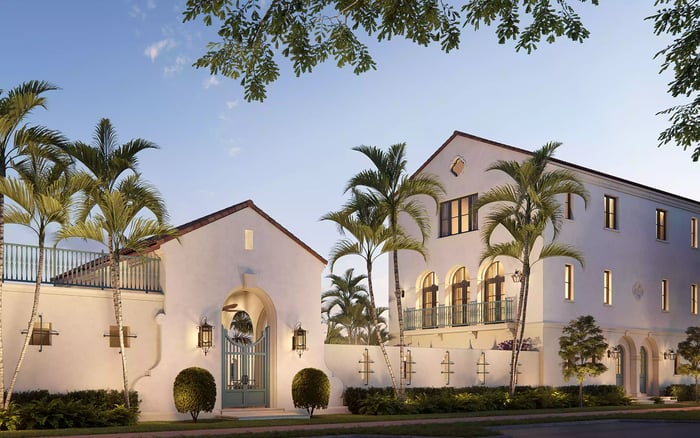
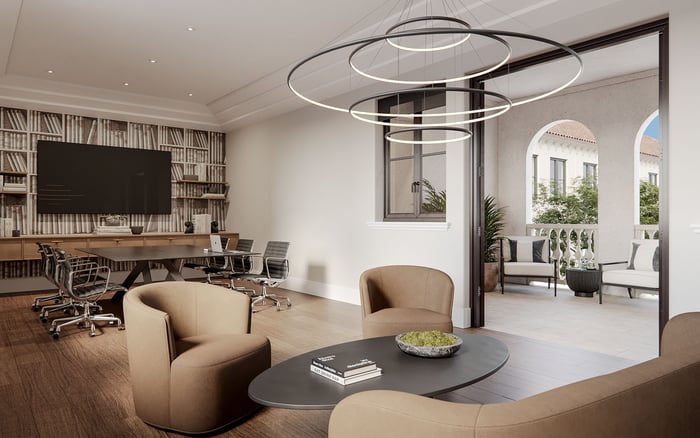
A discreet guide to how international school admissions season can influence luxury-home priorities in Coral Gables, from commute rhythm and study space to privacy, flexibility, and resale logic.
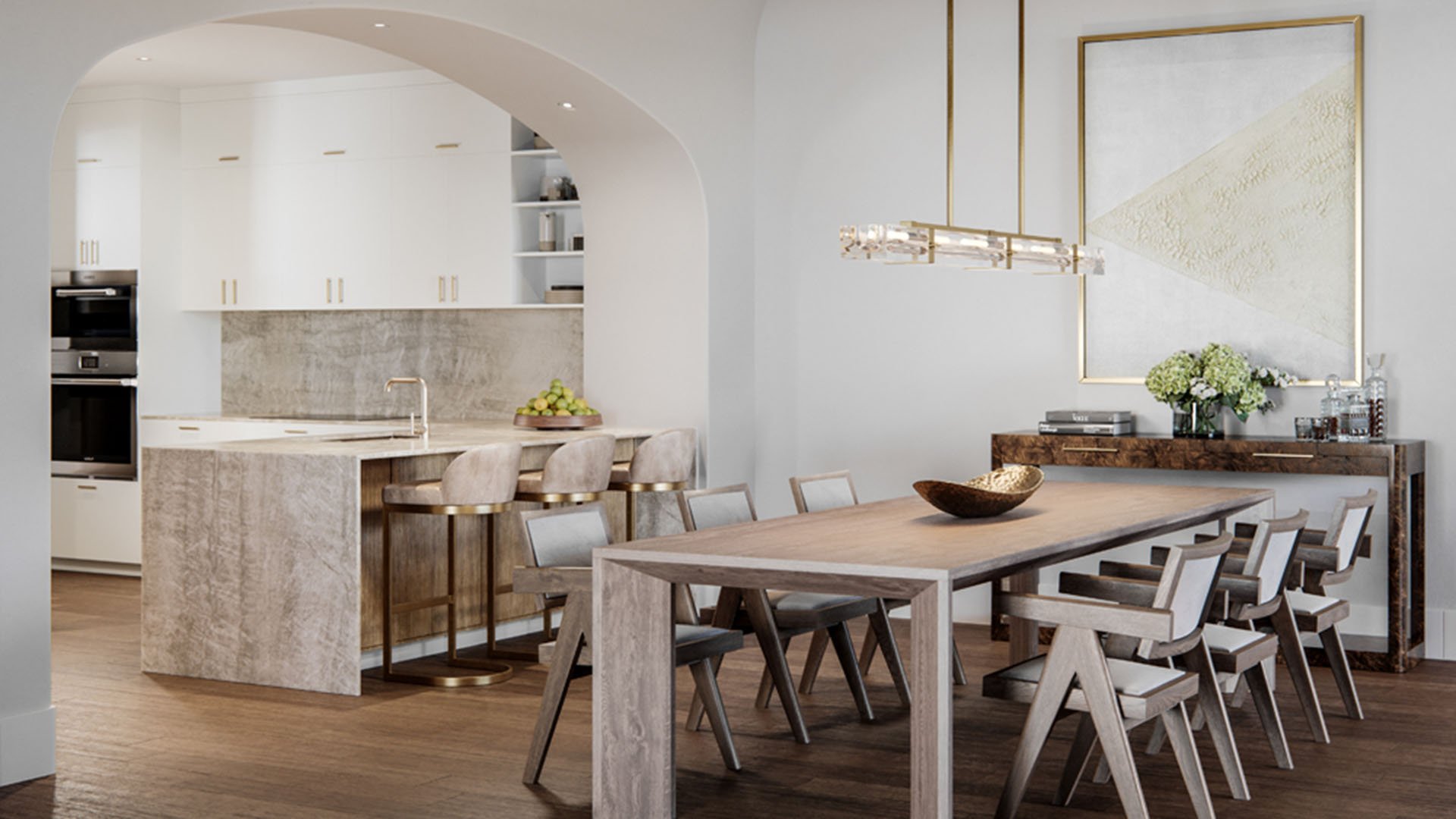
For globally mobile families, the home search in Coral Gables often begins with architecture, scale, gardens, and privacy. Then admissions season arrives, and the brief becomes more exacting. The question is no longer simply which residence feels most beautiful. It becomes which address can support a child’s daily rhythm, a parent’s travel calendar, tutoring blocks, interviews, activities, and the quieter pressures of transition.
That shift can be subtle, but decisive. A home with cinematic entertaining spaces may lose ground to one with better morning circulation, calmer bedrooms, or a study area removed from household noise. A larger estate may be reconsidered if the school run becomes unpredictable. A condominium may rise in appeal if it provides a secure, low-maintenance base during a period when family attention is focused on applications, assessments, and adjustment.
In this sense, admissions season acts as a luxury filter. It separates desire from utility without diminishing either. The strongest Coral Gables purchase is still elegant and emotionally resonant, but it also performs under the ordinary strain of weekdays.
Private-school planning is not just an educational exercise. It is a residential planning exercise with lasting implications for how a family experiences South Florida. The best home is rarely selected by distance alone. More relevant is the lived pattern: how many turns separate the driveway from the daily route, whether a parent can make a morning meeting after drop-off, and whether older children can move between school, sport, language tutoring, and home without every hour becoming a negotiation.
For a Coral Gables search, this is where buyers often become more disciplined. They begin to weigh shaded streets, garage access, guest parking, household staff logistics, package security, and the ability to host visiting relatives during school visits or holidays. A polished residence that cannot absorb these practical demands may feel less luxurious over time.
The most refined buyers also consider emotional infrastructure. International relocation can be exhilarating, but it can also be disruptive. A home that offers calm routines, private outdoor space, and dependable zones for homework and rest may be more valuable than another bedroom used only occasionally.
Before school conversations begin, a family brief might emphasize formal entertaining, wine storage, waterfront views, or dramatic ceiling heights. After campus visits, the brief often becomes more granular. Parents ask where a child will decompress after a long day. They ask whether the kitchen can support breakfast at different times. They ask whether a home office is acoustically separate enough for overseas calls while children are studying.
This is not a retreat from luxury. It is luxury becoming more intelligent. In admissions season, the ideal residence protects family bandwidth. Flexible rooms matter because school placement is not always perfectly predictable. One child may need a quiet academic environment; another may need space for music, art, or athletics. A guest suite may become essential if grandparents or advisors are part of the transition period.
Storage also becomes more important than it sounds. Uniforms, sports equipment, instruments, books, luggage, and seasonal wardrobes require order. The difference between a beautiful home and a beautiful home that functions is often found in these unglamorous details.
Coral Gables appeals to many luxury buyers because it can offer a residential mood that feels composed, established, and family-oriented without sacrificing access to Miami’s broader cultural and business life. During admissions season, that balance becomes central. Families are not only buying walls and finishes. They are buying a weekly map.
Residences such as Ponce Park Coral Gables can enter the conversation for buyers who want a Coral Gables base with a more lock-and-leave frame of mind. The Village at Coral Gables speaks to a different kind of aspiration, one that values neighborhood texture, human scale, and a sense of residential continuity. For families comparing condominium convenience with the character of a more grounded setting, Cora Merrick Park provides another Coral Gables reference point.
Some families also keep a Coconut Grove alternative in view, particularly when the daily map includes activities, work, or social ties beyond Coral Gables. A project such as Four Seasons Residences Coconut Grove may be considered by buyers who want service, privacy, and a residential setting that still feels closely connected to the same family-life priorities.
Admissions season can sharpen the choice between single-family homes, townhomes, and serviced condominium living. A single-family home may offer greater autonomy, outdoor space, and a stronger sense of permanence. It can also require more management, especially for families who travel frequently or are still settling into Miami.
A condominium or villa-style residence may reduce friction. Security, maintenance, arrival experience, and amenity access can matter when parents are juggling school meetings, business obligations, and international travel. For some families, the ability to close the door and leave for a week without orchestrating a household is not a convenience. It is the central luxury.
The right answer depends on the family’s stage. Younger children may place a premium on play space and proximity. Older students may need independence, privacy, and quiet. Parents may need a residence that can host school community gatherings without feeling exposed. The admissions-year mindset asks buyers to imagine not only the first semester, but the full arc of family life in the home.
A disciplined search begins with three scenarios. First, the preferred school admits the child and the commute is straightforward. Second, another excellent school becomes the right fit, changing the daily route. Third, siblings have different needs, requiring a home that does not overcommit to one campus pattern.
From there, buyers can rank priorities with uncommon clarity. Morning reliability should sit near the top. So should study space, privacy from entertaining areas, bedroom separation, and the ability to accommodate guests without disrupting children. Outdoor space is valuable, but its usefulness should be judged by how it supports daily life rather than how it photographs.
Resale logic also deserves attention. A residence that solves family logistics elegantly may remain desirable to the next globally mobile buyer. The most resilient homes are often those that combine beauty with adaptability: a floor plan that can evolve, a location that serves multiple routines, and a level of finish that feels timeless rather than theatrical.
Admissions season is therefore not a detour from the luxury search. It is one of the clearest ways to understand what luxury must do.
When should a family begin aligning the home search with school admissions? As early as possible. Even before final school decisions, buyers can test likely commute patterns and household needs.
Should school proximity outweigh the quality of the residence? Not automatically. The best choice balances daily ease with privacy, floor plan quality, and long-term residential value.
Is Coral Gables better suited to houses or condominiums for school-focused buyers? Both can work. The decision depends on a family’s need for outdoor space, service, maintenance simplicity, and privacy.
How can international buyers plan if school placement is not final? They should avoid overcommitting to one route and prioritize locations that preserve flexibility across several daily patterns.
What home features matter most during admissions season? Quiet study areas, bedroom separation, efficient parking, storage, staff functionality, and calm morning circulation matter most.
Do older children change the residential priorities? Yes. Older students often need more privacy, stronger study zones, and easier access to activities and peer networks.
Can a lock-and-leave residence suit a family with school-age children? Yes, especially for families with frequent travel or a desire to reduce household management during the school year.
Should buyers consider neighboring areas during the search? Yes. Nearby alternatives can preserve lifestyle quality if the school route or family routine changes.
How important is guest space for relocating families? It can be very important. Visiting relatives, tutors, or advisors may become part of the transition into a new school year.
What is the biggest mistake buyers make during admissions season? They focus on the first acceptance rather than the full family routine that will follow after move-in.
For a tailored shortlist and next-step guidance, connect with MILLION.
If branded residences are on your mind — as a home or as an allocation — we would be glad to share what we are seeing, privately.
Begin a quiet conversation