Coconut Grove’s 2026 luxury market is increasingly shaped by families who view private school proximity as a daily-life asset, not merely a map point.
In Coconut Grove, proximity has become a luxury amenity in its own right. For the $3M+ buyer evaluating 2026 options, the conversation is less about any single feature and more about the architecture of the week: the morning drive, the after-school transition, the ability to host without friction, the option to work privately from home, and the quiet confidence that daily life can unfold within a well-defined radius.
Private school access sits at the center of that radius. It does not replace waterfront, design, privacy, or pedigree, but it sharpens the value of each. A residence that helps a family reduce time in the car, protect evening routines, and remain close to cultural, dining, and boating touchpoints can feel materially more valuable than a larger property that adds logistical drag. In practical search language, this is a Coconut Grove, private school, single-family homes, and new-construction conversation, even when the final purchase is a serviced residence.
That is why Coconut Grove’s luxury demand feels different from more purely seasonal markets. It is driven by families making lifestyle commitments, not only by occasional-use buyers. The most competitive homes and residences are those that make school-year living elegant, private, and resilient.
At the ultra-premium level, buyers are not only comparing square footage. They are comparing control. Private school proximity gives families a greater command of the daily schedule, especially when both parents travel, work hybrid schedules, or manage multiple children with different activities.
This creates a premium for properties that simplify transitions. A home near established school corridors may support a calmer morning. A condominium with valet, security, wellness amenities, and flexible guest space may make the afternoon easier. The core value is not merely distance. It is predictability.
For that reason, private school proximity often acts as a filter before buyers even begin debating finishes. A spectacular home can be eliminated if it creates a difficult school-day pattern. Conversely, a more compact or more vertical residence can remain highly attractive if it places the family inside a practical lifestyle loop.
The strongest Coconut Grove searches tend to begin with a family thesis. Buyers want bedrooms that can adapt as children grow, workspaces that do not intrude on family areas, kitchens that function for both weeknight routines and catered entertaining, and outdoor spaces that feel private rather than ornamental.
Security matters as well, but discreetly. Families want a sense of enclosure without living behind a fortress. They want arrival sequences that feel calm, not theatrical. They want service access, storage, parking, and everyday convenience handled gracefully.
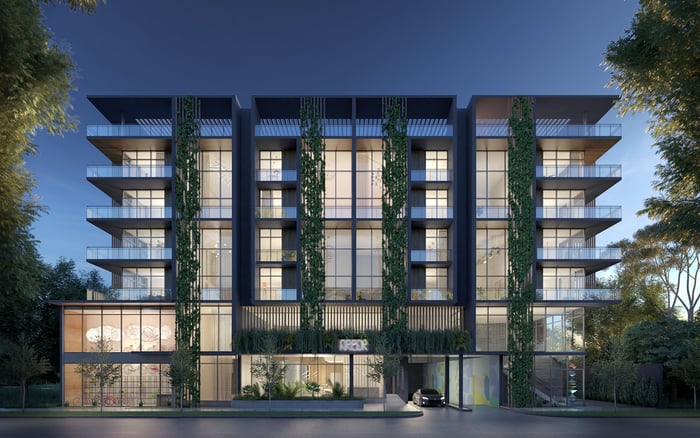
This is where the Grove’s newer residential offerings become relevant. Arbor Coconut Grove speaks to buyers who want a more intimate residential scale while remaining connected to the neighborhood’s village rhythm. For families comparing condominium living with single-family ownership, that balance can be compelling: less maintenance, more lock-and-leave ease, and a location that supports school-year movement.
Single-family homes remain central to Coconut Grove’s prestige, particularly for buyers who require private gardens, pools, larger entertaining zones, or a more conventional family footprint. Yet the condo alternative is gaining credibility among affluent families who place a high value on service and simplicity.
The appeal is clear. A full-service residence can reduce the burden of ownership while preserving access to the Grove’s low-rise, tropical character. Parents who travel frequently may prefer staffed buildings, secure arrival, amenity floors, and professionally managed common areas. Grandparents or second-home buyers may also favor residences that allow them to remain near family and schools without assuming the responsibilities of a standalone estate.
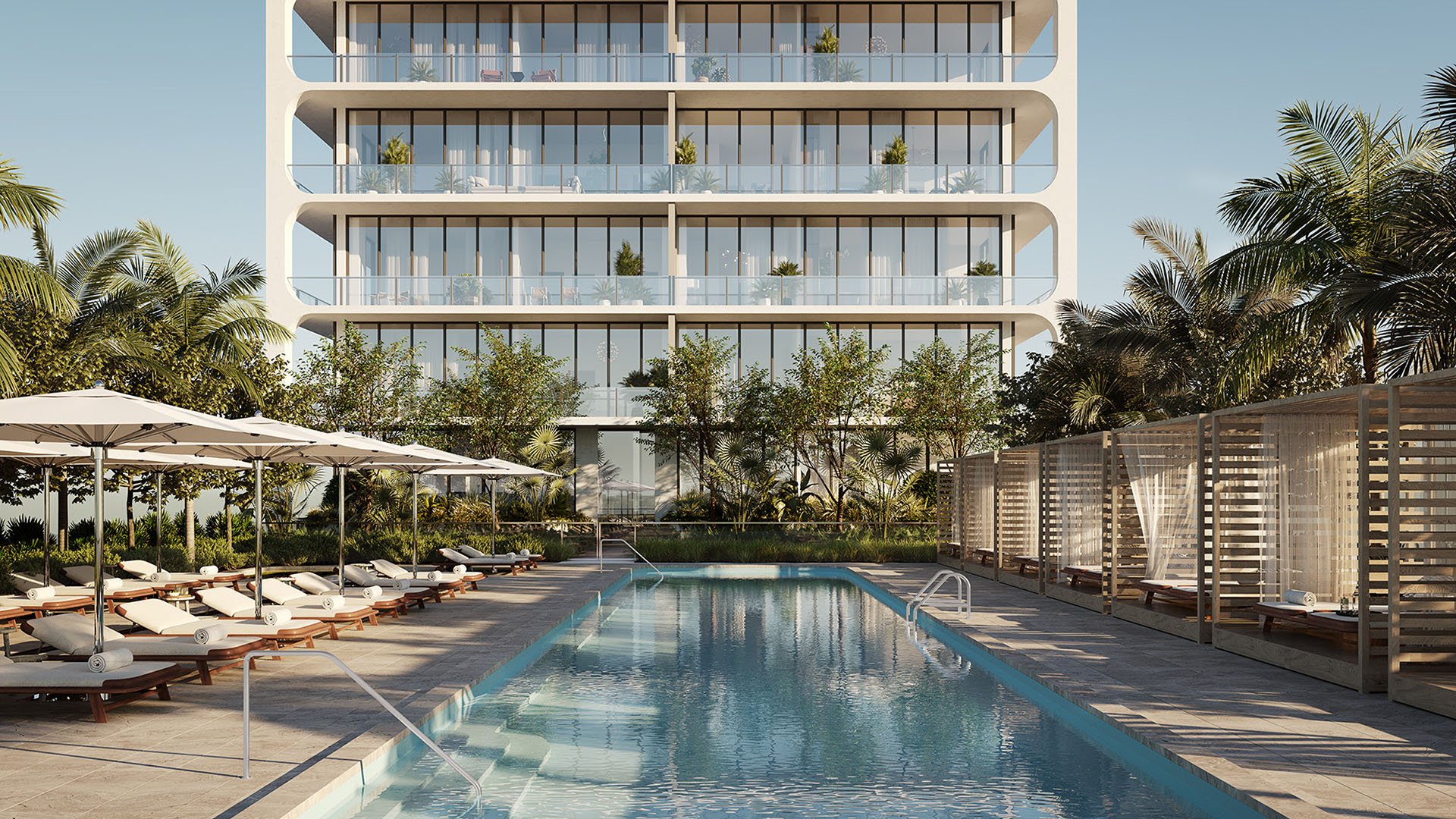
Projects such as Four Seasons Residences Coconut Grove are part of this broader evolution. The buyer is not abandoning the Grove’s residential identity. The buyer is asking for that identity to be delivered with hospitality-level ease, stronger privacy protocols, and a more polished ownership experience.
The school-driven buyer is often wellness-driven as well. The most desirable 2026 residences will not simply offer a gym or pool. They will support a healthier week: natural light, quiet bedrooms, shaded outdoor space, access to walking routes, and layouts that allow the home to move naturally from breakfast table to homework zone to evening entertaining.
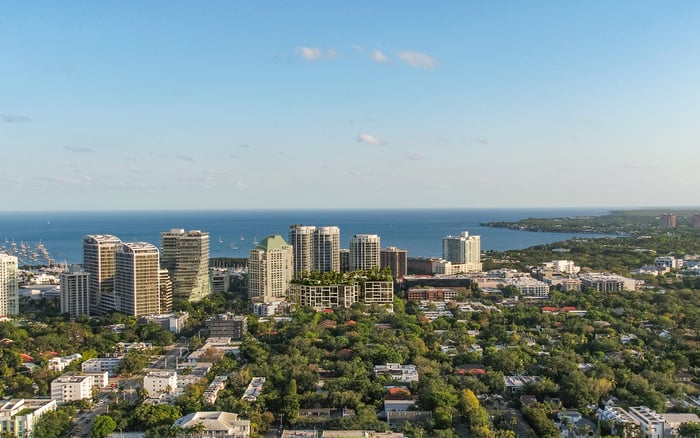
The Grove’s tropical canopy and village texture are meaningful here. Families are drawn to the sense that children can grow within a neighborhood that feels layered, mature, and human in scale. It is not a purely vertical lifestyle, nor is it a purely suburban one. It is a hybrid: cosmopolitan enough for sophisticated buyers, relaxed enough for daily family life.
That positioning gives projects such as The Well Coconut Grove a natural audience. Wellness is no longer a decorative amenity category. For private-school families, it becomes part of the routine, from recovery after travel to calm spaces before the school day begins.
A smart Coconut Grove purchase in 2026 should be evaluated through three lenses: daily utility, scarcity, and exit logic. Daily utility asks whether the residence genuinely improves the family’s schedule. Scarcity asks whether the property offers something difficult to replicate, such as privacy, architectural quality, service, outdoor space, or a coveted Grove setting. Exit logic asks whether the next buyer will understand the same value proposition quickly.
Private school proximity strengthens all three when the property itself is strong. It broadens the buyer pool to include families who are less speculative and more needs-based. It can also make a residence feel less replaceable, because families do not simply buy a home. They buy a workable orbit.
The same principle applies to boutique-scale opportunities such as Opus Coconut Grove and design-forward concepts like Ziggurat Coconut Grove. Buyers will judge them by the elegance of the architecture, but also by how seamlessly they fit into the school-year calendar.
The first step is to define the family’s real week, not the idealized one. Where are the schools? Where are the activities? Which parent does morning drop-off? How often does the family entertain? Is the residence intended for full-time use, seasonal use, or a transitional period before a larger estate?
From there, buyers should compare property types without prejudice. A single-family home may provide unmatched autonomy, but it may also require more management. A new residence may trade private land for service, security, and efficiency. A boutique building may offer intimacy, while a larger branded residence may offer deeper staffing and amenities.
The winning choice is the one that preserves the family’s time while holding architectural and neighborhood relevance. In Coconut Grove, that combination is exactly what keeps $3M+ demand focused and emotionally durable.
Why is private school proximity important in Coconut Grove’s luxury market? It reduces daily friction for families and makes the home feel more aligned with the school-year routine.
Does proximity alone make a property more valuable? No. It matters most when paired with privacy, design quality, strong layouts, and a desirable Grove setting.
Are $3M+ buyers focused only on single-family homes? No. Many still prefer single-family homes, but serviced residences are increasingly considered for convenience.
How should families compare a condo with a house? Compare time, maintenance, privacy, outdoor space, security, and how each option supports weekday logistics.
Is new construction especially relevant for 2026 buyers? Yes, because many buyers want modern layouts, wellness features, secure access, and lower maintenance demands.
What makes Coconut Grove different from other Miami luxury areas? Its canopy, village scale, family orientation, and access to daily necessities create a distinctive residential rhythm.
Should buyers prioritize school distance over waterfront or views? The right answer depends on lifestyle, but families often place daily convenience ahead of occasional-use features.
Can a boutique building work for families with children? Yes, if the layout, storage, arrival experience, and common areas support real family routines.
What should investors watch in the private-school buyer segment? Look for properties with broad family appeal, practical layouts, and a location that remains useful over time.
When should 2026 buyers begin evaluating Coconut Grove options? Early planning helps align property searches with school calendars, financing decisions, and move-in timing.
If you'd like a private walkthrough and a curated shortlist, connect with MILLION.
If branded residences are on your mind — as a home or as an allocation — we would be glad to share what we are seeing, privately.
Begin a quiet conversation