Coconut Grove and Coral Gables are side by side on Biscayne Bay yet offer very different answers to the question of where to own in Miami. This MILLION Luxury editorial compares estate home inventory, canal and bayfront access, serviced residences and school ecosystems so buyers can see which neighborhood fits their priorities. From Coconut Grove's lush, bohemian village streets to Coral Gables classical boulevards and canals, the focus is on practical lifestyle choices for families, boaters and long term investors.
Coconut Grove and Coral Gables sit side by side along Biscayne Bay, yet for affluent buyers they feel like two very different answers to the same question: what does a perfect Miami address look like. One leans toward lush, bohemian bayfront living; the other, toward classical streets, canals and structured elegance. Both are deeply residential, secure and family driven, with coveted access to marinas, parks and high performing schools.
On a map, their boundaries blur. In day to day life, the contrast is clear. Coconut Grove is a leafy waterfront enclave where winding lanes disappear under a tropical canopy and estate homes hide behind dense foliage. Coral Gables is a planned 'City Beautiful', with orderly boulevards, Mediterranean architecture and a network of canals feeding private docks. From a property strategy standpoint, the decision is less about price point and more about lifestyle, architecture and how close you want your boat, your children's classrooms and your favorite restaurants to be.
For many buyers comparing Coconut-grove and Coral-gables in online searches, the starting question is simple: do you imagine yourself in low key, village style Coconut Grove or on the manicured, country club streets of Coral Gables. This editorial from MILLION Luxury focuses on the segment where both neighborhoods truly excel, from large single-family-homes and gated compounds to serviced residences that rival five star hotels.
Coconut Grove is Miami's oldest neighborhood and also one of its greenest. Streets twist organically rather than following a grid, shaded by massive banyans and live oaks. The result is a rare level of privacy; many estate homes are barely visible from the road, set behind stone walls and mature landscaping. For a buyer who values discretion and a sense of retreat without leaving the city, the Grove feels less like a suburb and more like a garden estate district at the edge of downtown.
Architecturally, variety is part of the appeal. Historic cottages and 1920s villas sit beside contemporary glass and concrete pavilions, yet the overarching mood is warm and residential. Deep setbacks and generous lot sizes allow for real outdoor programs: resort pools, guest houses, pickleball courts and shaded play lawns. New construction focuses on light filled interiors that open to gardens and bay breezes, often with floor plans tailored to multigenerational living or work from home flexibility.
Water defines the Grove lifestyle even when a property is not directly on the bay. The shoreline is lined with parks, yacht clubs and public marinas, so a resident can live several streets inland yet still be on the water in minutes. Rather than a backyard canal, owners typically secure a slip at a nearby facility and treat the Marina or yacht club as an extension of home. For active boaters and sailors, the ability to move quickly from the office to the bay is a major advantage.
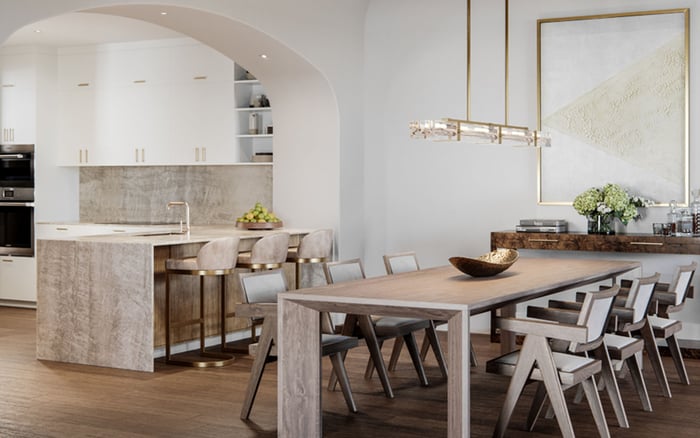
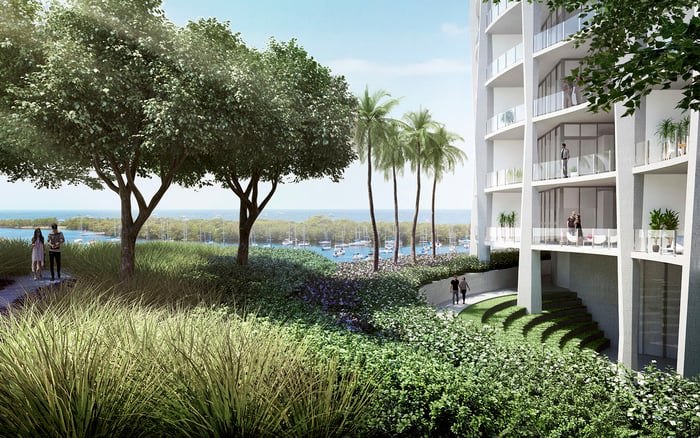
The condominium and branded residence market in Coconut Grove has also matured dramatically. On the bayfront, developments such as Park Grove Coconut Grove offer tower and villa style residences with panoramic views, extensive amenities and architecture by internationally known design teams. A few blocks away, Four Seasons Residences Coconut Grove blends hotel level services with private ownership, allowing residents to step from a leafy residential street into a full service urban resort. Together, these projects give buyers who do not need full scale estates a way to plug into the Grove lifestyle with lock and leave convenience.
Day to day, Coconut Grove behaves like a compact, walkable village. Sidewalk cafes, independent boutiques and small neighborhood markets cluster around the center, while waterfront paths and shaded parks make it easy to live outdoors almost year round. The atmosphere is relaxed but far from sleepy, and security is a clear priority. For families, the combination of quiet residential streets, strong community engagement and proximity to the bay is a major driver of demand.
If Coconut Grove is a tropical village, Coral Gables is its refined counterpart. Conceived as a master planned city in the 1920s, it was laid out with broad boulevards, formal gateways and a strong design code focused on Mediterranean inspired architecture. Stately banyans frame the streets; many homes present formal facades with stone details, terraces and sweeping driveways. The impression is orderly, timeless and highly curated.
Estate properties in Coral Gables tend to be generous in both scale and frontage. Grand residences occupy corner lots and long canal edges, often with double height entries, symmetrical facades and classic detailing that speaks to long term value rather than short term trend. Buyers who enjoy a traditional aesthetic or who plan to hold a property for decades often gravitate to these streets, where neighborhood character is preserved by zoning and design review.
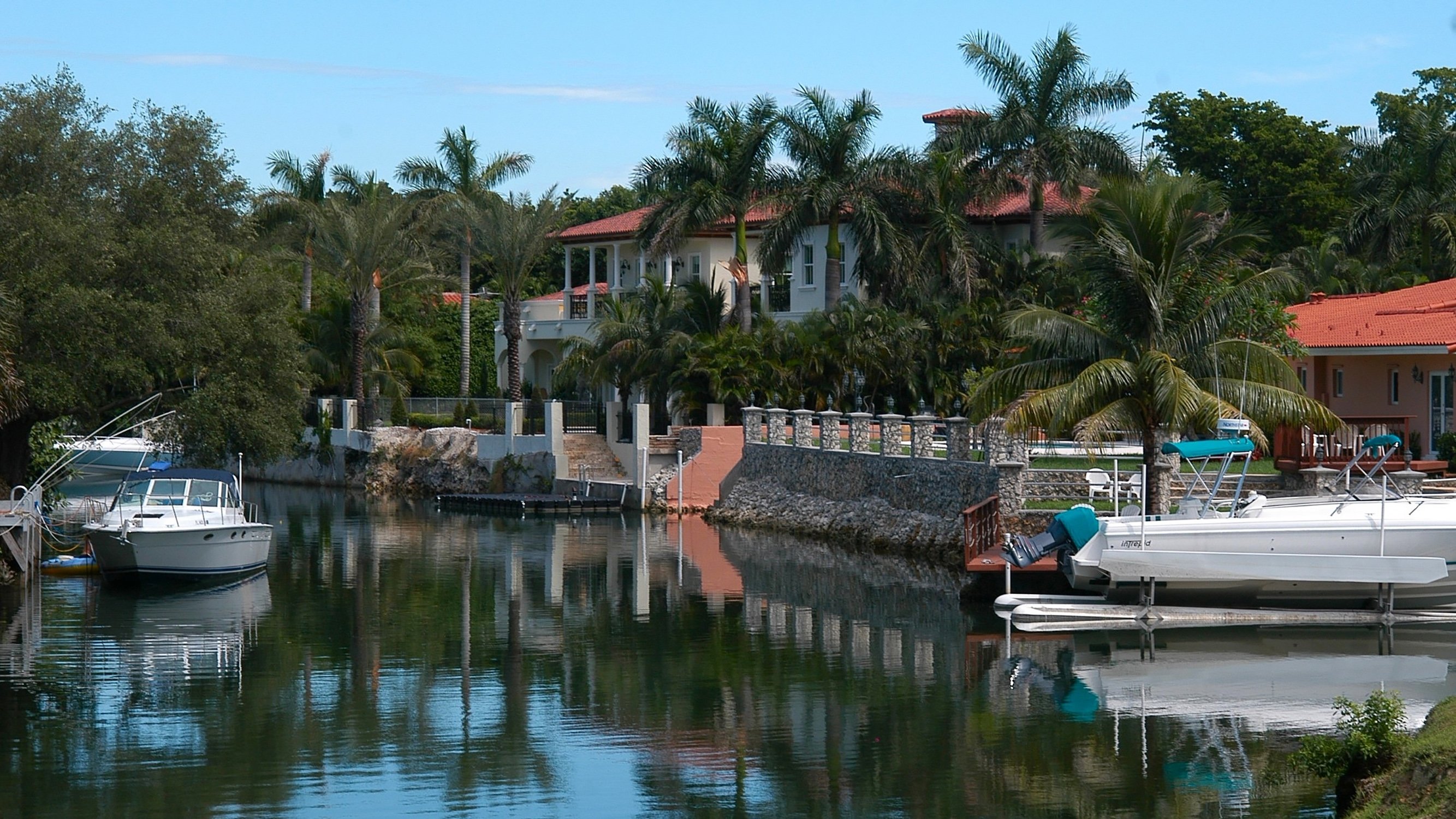
Crucially, much of Coral Gables top tier housing stock is aligned with water. Planned canals and lagoons pull Biscayne Bay deep into the city, allowing many homes to host substantial docks and lift systems directly behind the house. For owners of larger yachts, this can be decisive. Leaving the harbour means walking across a tiled terrace, stepping aboard and cruising through sheltered waterways toward open water. The sense of living within a true boating city is strong.
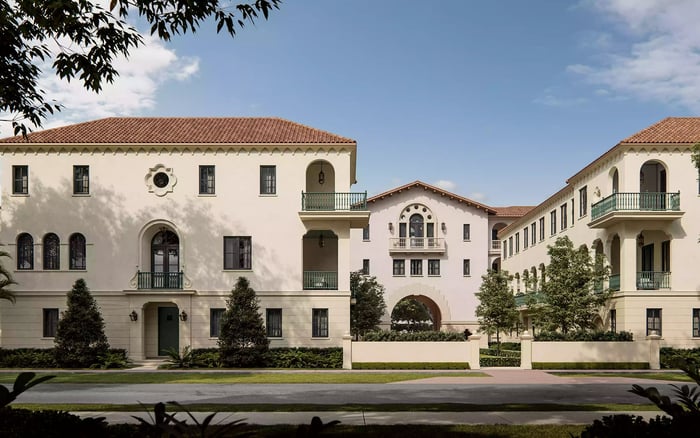
At the same time, Coral Gables has its own answer to low rise luxury living. Townhome and boutique condo projects such as The Village at Coral Gables sit near the historic center, combining classical architecture with private gardens, garages and elevator access. For buyers who want Coral Gables architectural coherence but prefer newer construction and a lock up lifestyle, these projects can be a compelling alternative to a full scale estate.
Beyond the residential streets, the city amenities are distinctly urban. Miracle Mile and the surrounding blocks host restaurants, galleries and specialty retail that serve both locals and a global visitor base. Private golf and tennis clubs, cultural institutions and long established professional offices give Coral Gables a self contained feeling. Many residents live, work and socialise entirely within city limits, which supports a community that feels both international and long rooted.
For buyers focused on waterfront living, the most important distinction between Coconut Grove and Coral Gables is how close the water comes to the front door. In the Grove, the bay is broadly accessible through parks and marinas, but only a limited number of estates sit directly on the shoreline. Residents who keep boats typically hold membership at a yacht club or lease slips at nearby facilities, treating the neighborhood marinas and sailing centers as their waterfront base.
In Coral Gables, water is physically integrated into the residential fabric. Planned canals run behind many of the finest homes, so private docks and seawalls are part of the architectural language. This favors larger vessels and owners who prioritise the ability to move from kitchen to cockpit without leaving the property line. For frequent boaters or owners of significant yachts, the convenience and shelter of these canals can outweigh the romance of direct bay views.
The Grove tends to feel more casual and walkable. Families move between shaded sidewalks, parks and cafes with little need for a car, particularly within the core. Coral Gables, while increasingly walkable in its downtown, still leans toward a more traditional pattern of driving between home, club and office. Both areas offer excellent access to the wider city and airport, with manageable commute times to Brickell, Downtown and the Design District.
From a lifestyle perspective, Coconut Grove appeals to buyers who prioritise proximity to the water, a strong sailing culture and a slightly more relaxed social calendar. Coral Gables feels tailored to those who prefer classic architecture, formal entertaining and canal based boating. Many clients of MILLION Luxury evaluate both, then anchor their decision in where they see themselves spending a Sunday afternoon, whether that is on a regatta course or at a long lunch overlooking a golf course.
Education is a central driver for both neighborhoods, and it is here that Coconut Grove and Coral Gables function less as competitors and more as a single ecosystem. The area is home to some of Miami's most respected Private-school options, including selective day schools and established parochial institutions, alongside high performing public programs. For many families relocating from other global cities, the ability to secure a place at a leading school within a fifteen minute drive of home is decisive.
Coconut Grove has a long association with academic life, hosting several prestigious campuses within or just beyond its boundaries. Morning traffic here often consists of school carpools threading through tree lined streets, then rolling past the bay on the way to class. Families value the ability to combine serious academics with an outdoor childhood, where after school activities can be on the water or in the park as easily as in a classroom.
Coral Gables complements this with an equally strong educational network, from early years through university level. The city residential streets sit within reach of respected independent schools and magnet programs, yet day to day life remains calm and residential. For parents who appreciate a more traditional, suburban tone around school runs, Coral Gables holds particular appeal.
Both neighborhoods rate highly on perceived safety, with active local policing, gated properties and engaged homeowner associations. Parks, playgrounds and youth sports are part of the fabric of daily life. As a result, families rarely have to compromise between sophistication and practicality; children grow up in environments that feel both secure and culturally rich.
From an investment perspective, demand for quality housing in both Coconut Grove and Coral Gables has been consistently strong. Limited land, mature landscaping and a deep pool of end users provide a structural underpinning for pricing. Well located single-family-homes and best in class condominium residences in each neighborhood have tended to perform resiliently through market cycles, particularly when they combine good architecture, functional floor plans and proximity to water or schools.
What type of buyer is best suited to Coconut Grove?
Coconut Grove is ideal for buyers who want a lush, informal setting close to Biscayne Bay, value privacy and prefer an active outdoor lifestyle centred on parks, marinas and village style dining.
Who should prioritise Coral Gables instead?
Coral Gables fits buyers who favour classical architecture, canal based boating and a more structured, country club rhythm to daily life, with strong services and civic amenities wrapped into a single city.
How do estate home price points compare between the two areas?
At the top end, pricing is broadly comparable, with premium paid in both neighborhoods for prime waterfront, renovated historic properties and new construction on oversized lots. Micro location and architecture often matter more than the postcode itself.
Which neighborhood is stronger for families focused on schools?
Both areas sit within one of Miami's most sought after school catchments and share access to many of the same institutions. The better choice typically depends on your preferred school and commute pattern rather than on a clear academic ranking.
How can MILLION Luxury help me refine my decision between these neighborhoods?
Advisors at MILLION Luxury can curate on the ground tours of estate streets, canal communities and key residences such as Park Grove Coconut Grove and The Village at Coral Gables, helping you experience the contrasts directly before committing to a purchase.
If branded residences are on your mind — as a home or as an allocation — we would be glad to share what we are seeing, privately.
Begin a quiet conversation