A discreet buyer’s guide to evaluating construction staging near a pre-construction residence, with practical questions on access, noise, safety, views, amenities, and contract strategy.
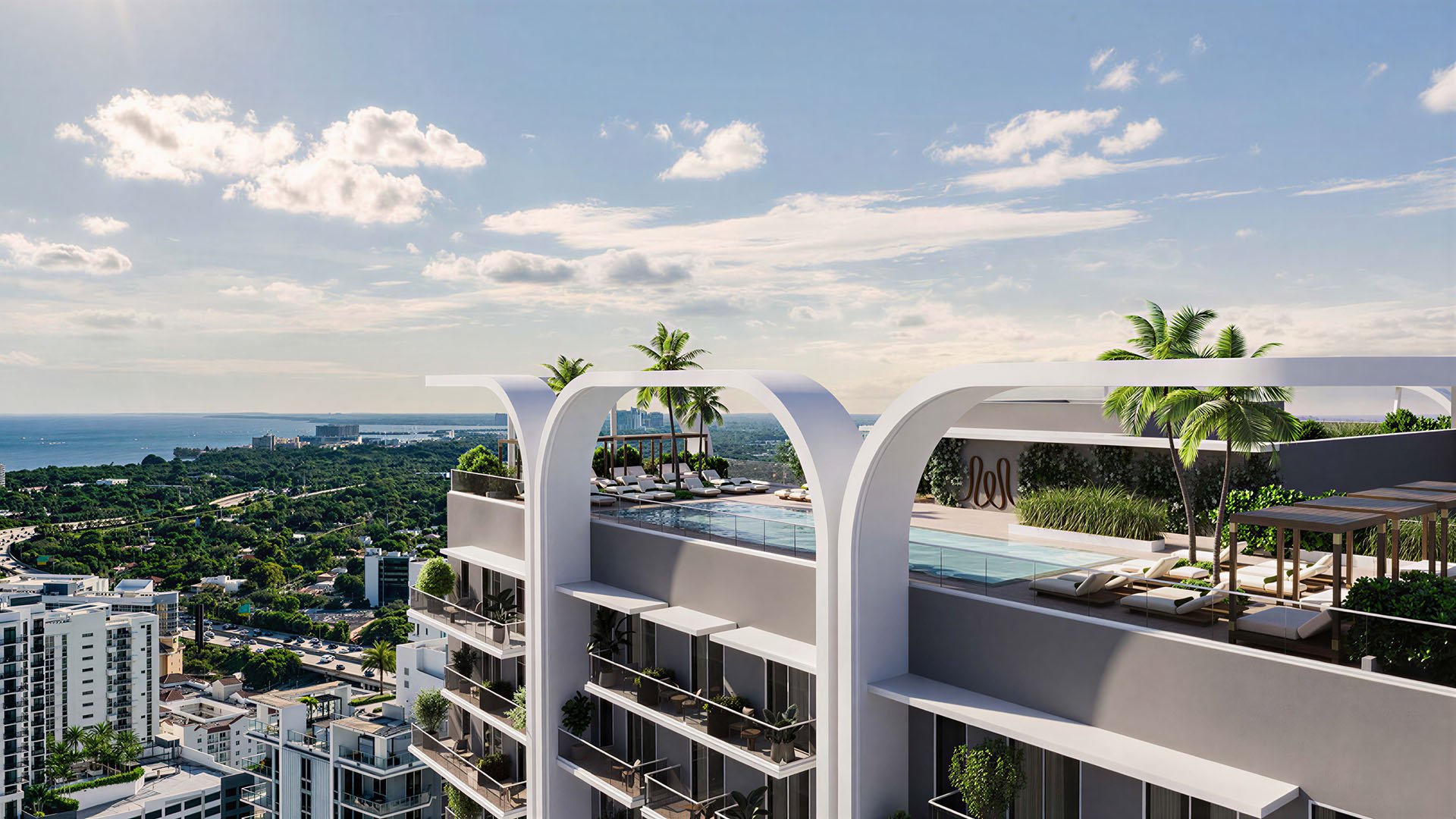
Pre-construction buyers often focus on floor plans, finish packages, views, deposit structure, and delivery timing. Each is essential. Yet the experience of living in or near a developing site can be shaped just as meaningfully by construction staging: the practical choreography of cranes, hoists, laydown areas, material storage, worker access, temporary fencing, traffic control, and phased amenity openings.
For a luxury buyer, staging is not merely a construction concern. It is a privacy concern, a hospitality concern, and, at times, an investment concern. The question is not simply whether a residence will be beautiful at completion. The more refined question is how gracefully the building, block, or immediate neighborhood will function during the months when construction activity remains visible.
This matters across South Florida’s most coveted markets. In Brickell, where buyers may compare urban residences such as 2200 Brickell, the issue may be curb access and delivery routes. In waterfront Miami Beach settings near projects such as The Perigon Miami Beach, buyers may focus on view corridors, quiet hours, and arrival sequence. The details differ by site, but the discipline is the same: ask early, ask specifically, and ask in writing when the answer affects your use of the home.
Every active construction site needs space to breathe. Materials must arrive, equipment must turn, trucks must queue, and workers must enter safely. The first question for a buyer is direct: where will all of that happen in relation to my future residence?
Ask to see the staging plan, even if it is described as preliminary. Look for the location of temporary gates, fencing, loading zones, dumpsters, hoists, cranes, security posts, and any areas reserved for material storage. Then place your chosen residence within that map. A line on a plan can become the difference between a serene morning arrival and a daily negotiation with construction traffic.
For upper-floor buyers, staging may seem less relevant, but it can still shape the experience. A balcony overlooking a temporary laydown area, a driveway beside a truck route, or an elevator lobby near an active service corridor can alter the feel of a home before the final polish is in place. Ask which staging elements are expected to remain longest and which are scheduled to move as the project advances.
In Sunny Isles, where vertical construction and waterfront positioning can make site logistics highly visible, a buyer evaluating Bentley Residences Sunny Isles should consider not only the completed skyline presence, but also how deliveries, lane access, and resident circulation may be handled before every surrounding condition is resolved.
The most practical staging questions are often the most revealing. Ask what hours construction activity is expected to occur, how noisy work will be managed, and whether certain activities are likely to be concentrated in specific phases. Avoid vague assurances. A polished sales environment may describe the process as professionally managed, but a buyer should still understand the mechanics.
Key questions include: Will resident and construction entrances be separated? Will valet, rideshare, and private drivers have protected access during active work? Will sidewalks, porte-cochere areas, garage entries, or service drives be rerouted at any stage? If you intend to occupy early, ask whether move-ins, furniture deliveries, art installation, and contractor access for your own residence will conflict with broader site operations.
Noise deserves equal precision. Not all construction noise is the same. Structural work, façade installation, interior build-out, paving, and landscape installation each create different rhythms. Ask whether particularly disruptive work is expected after initial closings begin. Also ask how residents will be notified before major activities. The most elegant buildings tend to manage inconvenience through communication, not surprise.
For buyers considering Fort Lauderdale waterfront living near St. Regis® Residences Bahia Mar Fort Lauderdale, staging questions may also include marina-area circulation, guest arrival patterns, and how residential privacy is preserved while public-facing or hospitality-adjacent environments are still being completed.
New construction rarely turns from construction site to finished sanctuary in one instant. Even after residential closings begin, some elements may still be in progress. A buyer should ask which amenities, approaches, landscape areas, back-of-house routes, and service functions will be complete at the time of first occupancy.
The pool is a useful example. If a pool deck, spa area, fitness space, club room, or private dining area is central to your lifestyle, ask whether it is expected to be available when you close. If not, ask what interim arrangements, if any, are anticipated. Do not assume that a beautifully rendered amenity is operational on day one.
Also ask about vertical circulation. Will all elevators be available for residents, or will some remain dedicated to construction or punch-list activity? Will service elevators be reserved at certain times? How will building staff separate resident hospitality from contractor movement? These questions are especially important for buyers who value discretion, security, and seamless hosting.
View impacts should be addressed with similar care. Temporary cranes, screens, fencing, adjacent work, or neighboring construction can affect the experience of a terrace or principal suite during a particular phase. The answer may not change your decision, but it may change your timing, negotiation posture, or expectations for early occupancy.
Staging is not only a lifestyle topic. It belongs in the buyer’s broader advisory conversation with counsel, representation, and project contacts. Ask which staging-related statements are informational and which can be documented. If an answer affects your willingness to close early, occupy immediately, lease the residence, or host guests, treat it as material to your decision-making.
A sophisticated buyer should separate three categories. First, conditions that are temporary and tolerable, such as a short rerouting of an entrance. Second, conditions that are temporary but meaningful, such as limited amenity access or recurring noise during business hours. Third, conditions that may affect value perception, privacy, or rental appeal for a longer period.
Pre-construction purchasing always involves a measure of trust. The goal is not to eliminate every inconvenience. The goal is to know what kind of inconvenience may occur, how it will be managed, and whether the final residence justifies the path required to reach it. In the best cases, transparent staging conversations deepen confidence because they show that the development team has considered the buyer’s lived experience, not just the building’s completion date.
What is construction staging near a pre-construction residence? It is the planned placement and movement of construction equipment, materials, workers, access points, fencing, and temporary site functions around a developing property.
Why should a luxury buyer ask about staging before signing? Staging can affect privacy, access, noise, views, amenity timing, and the comfort of early occupancy.
Should I ask for a written staging plan? Yes. Request the most current plan available and clarify whether it is preliminary, updated by phase, or subject to municipal and construction changes.
What access questions matter most? Ask whether resident entrances, valet areas, garage access, delivery routes, and service corridors will be separated from construction activity.
Can staging affect my view? Temporarily, yes. Cranes, screens, fencing, nearby work, and material areas can influence the view experience before final completion.
How should I evaluate noise risk? Ask about expected work hours, the noisiest phases, resident notification procedures, and whether disruptive activity may continue after closings begin.
Will all amenities be ready when I close? Not always. Ask which amenities are expected to be complete at first occupancy and whether any interim arrangements are planned.
Does staging matter if I do not plan to move in immediately? Yes. It can still affect leasing, resale perception, furniture installation, inspections, and the timing of personal use.
Who should review staging answers with me? Your real estate advisor and counsel should help assess whether the answers affect timing, contract terms, or your closing strategy.
What is the most important question to ask? Ask what the day-to-day resident experience will look like during each remaining phase, not only what the completed building will become.
When you're ready to tour or underwrite the options, connect with MILLION.
If branded residences are on your mind — as a home or as an allocation — we would be glad to share what we are seeing, privately.
Begin a quiet conversation