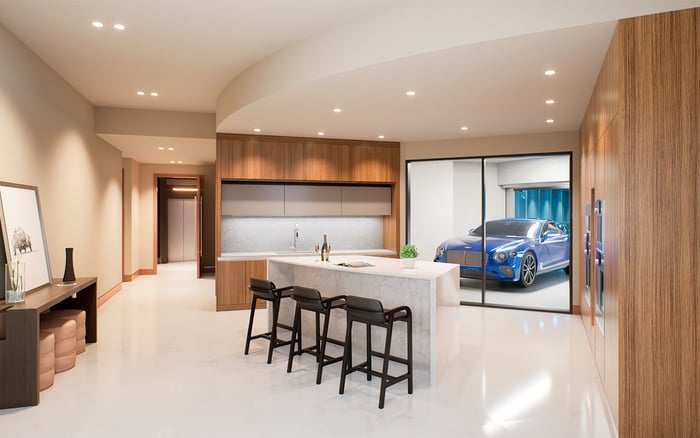
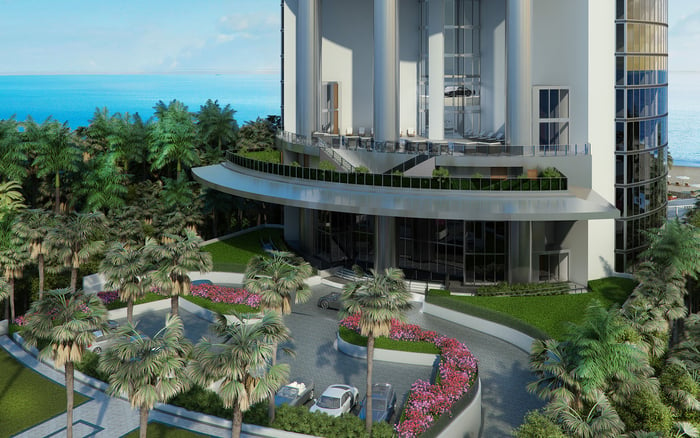
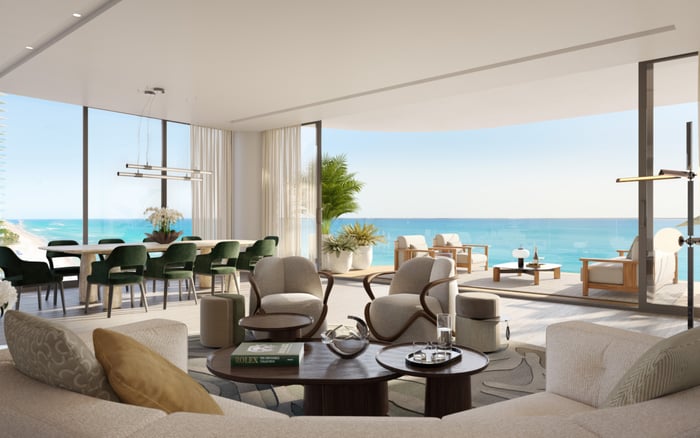
A buyer-focused guide to evaluating generator coverage, backup power priorities, and due diligence questions before purchasing luxury real estate in Sunny Isles Beach.
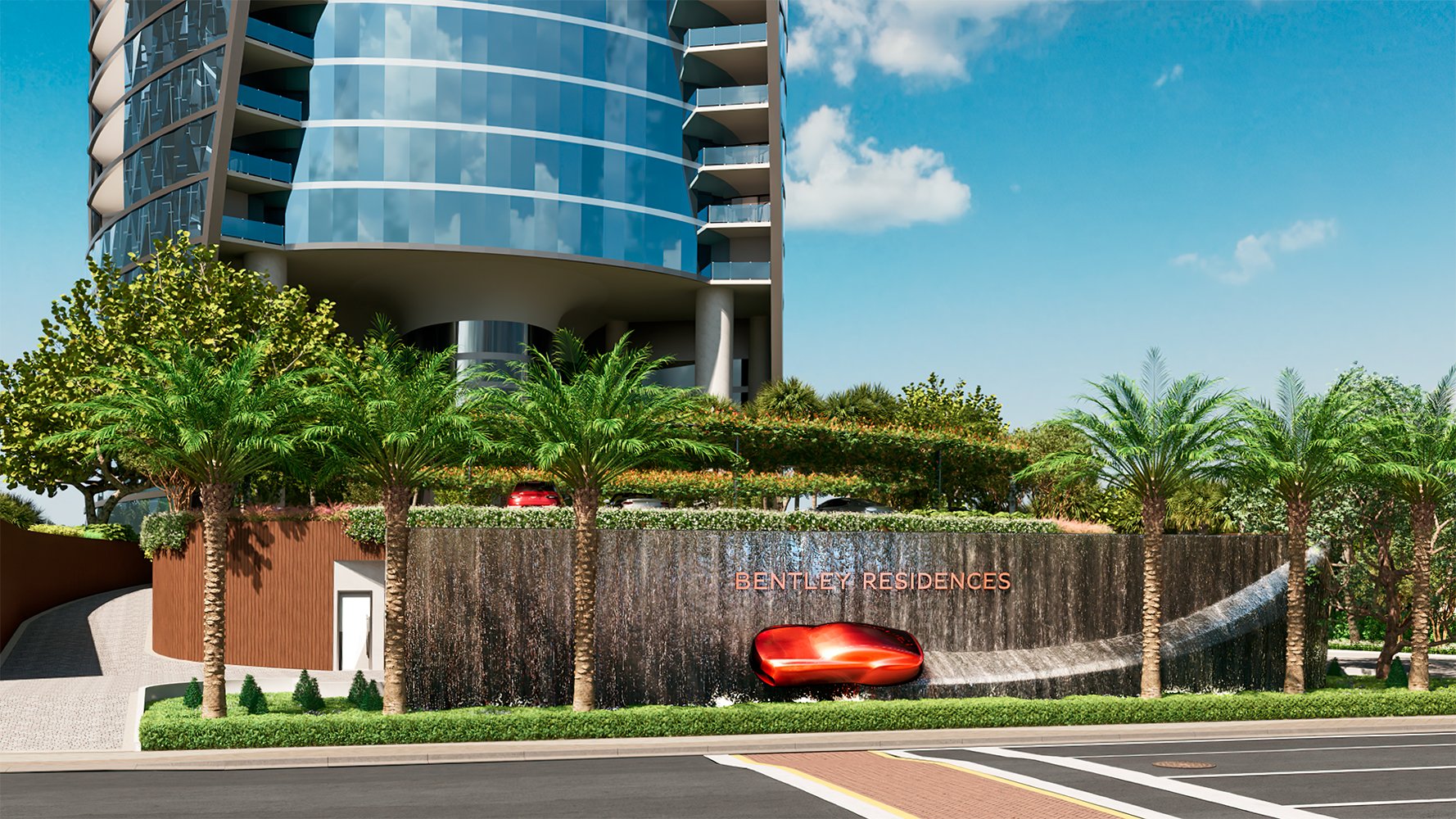
In Sunny Isles Beach, the view often makes the first impression. The more consequential questions come later, when a serious buyer studies how a building performs when conditions are less than ideal. Generator coverage belongs in that deeper review. It is not glamorous, but in a coastal high-rise residence, it can shape the ownership experience during a power interruption.
For the ultra-premium buyer, the issue is not simply whether a building has a generator. The sharper question is what the generator actually supports. Backup power may serve life-safety systems, select elevators, lobby lighting, garage access, water pressure equipment, cooling for limited common areas, or certain in-unit functions. Those distinctions matter. A residence can feel very different if the backup plan preserves vertical mobility, basic comfort, communications, and security in a coordinated way.
This is especially relevant when comparing oceanfront and new-construction residences, where buyers may assume that modern design automatically means comprehensive resilience. Assumptions are not a substitute for documents, engineering explanations, and a clear conversation with the building team.
The first question should be direct: what is covered when normal utility power is interrupted? Ask for the answer in plain categories. Which elevators operate? Are corridors, stairwells, lobby areas, access controls, fire systems, pumps, cooling systems, and garage gates supported? Does coverage extend to any private-residence circuits, or is it limited to common and life-safety areas?
In the Sunny Isles market, where many purchasers compare resort-caliber towers and full-service residences, the definition of backup power can vary meaningfully from one building to another. A buyer touring Bentley Residences Sunny Isles, St. Regis® Residences Sunny Isles, or another branded tower should still ask the same technical questions. Brand, architecture, and hospitality do not replace mechanical due diligence.
Request a simple written summary from the seller, developer representative, property manager, or association, depending on whether the purchase is new development or resale. If the answer is vague, keep asking until the coverage map is clear.
Some buyers are surprised to learn that backup power for a building does not necessarily mean backup power inside each private residence. If in-unit coverage exists, ask which circuits are included. Refrigeration, selected lighting, internet equipment, air-conditioning components, medical equipment, security systems, motorized shades, and appliance panels may each be treated differently.
If the residence does not receive backup power, the next question is whether an owner may install supplemental systems, and under what restrictions. In a condominium, individual equipment is typically subject to association rules, architectural review, structural limits, noise standards, ventilation requirements, permitting, and insurance considerations. Never assume that a private battery, portable generator, or other supplemental solution is allowed.
For large residences, penthouses, and homes with complex automation, ask whether backup power has been coordinated with smart-home systems. A generator may preserve electricity to certain panels, but the home still needs a practical sequence for networking, access control, cooling priorities, and restart protocols.
Coverage is only one part of the question. Duration is the other. Ask how long the generator is intended to operate under anticipated load, what fuel source it uses, and how refueling is handled if an interruption is prolonged. Buyers should understand whether fuel storage is on site, how it is monitored, and who is responsible for vendor coordination.
Also ask whether the stated duration assumes full load or a reduced operating profile. In practice, a building may prioritize certain systems and shed others to preserve capacity. That can be entirely reasonable, but it should be understood before closing.
Luxury ownership is about predictability. A buyer considering The Ritz-Carlton Residences® Sunny Isles or The Estates at Acqualina Sunny Isles may be focused on privacy, service, and finish quality, yet backup-power planning belongs to the same standard of discretion. The most elegant building experience is the one that remains orderly when the city around it is less orderly.
A generator is not a promise unless it is maintained. Ask how often the system is tested, whether testing occurs under load, who services it, and how maintenance records are kept. Buyers should also ask whether recent inspections, repair recommendations, or deferred maintenance items exist.
In a condominium, governance matters. Generator maintenance is usually part of the broader building budget. Ask whether reserves, service contracts, and replacement planning are addressed in association materials. If the system is nearing a major service interval, the cost may appear in future budgets or assessments.
For resale purchases, ask for meeting minutes and association disclosures where available. You are not looking for drama. You are looking for evidence of a building culture that takes infrastructure seriously.
In a high-rise, vertical movement is often the most visible part of generator coverage. Ask how many elevators are expected to operate, whether service elevators are treated differently, and whether emergency personnel have separate access protocols. A building with multiple elevator banks may have a more complex answer than a buyer expects.
Water pressure is another key subject. Ask whether domestic water pumps, fire pumps, and related systems are backed up, and whether there are floors where performance could vary. Access control also deserves attention. Garage gates, fob systems, front-desk equipment, security cameras, package rooms, and amenity doors may not all be treated the same way.
Communications are equally important. If cellular service is inconsistent during an interruption, a buyer may rely on building internet, Wi-Fi calling, or private networking. Ask what systems are backed up and for how long.
For pre-construction or under-construction purchases, ask to review the backup-power narrative in the offering materials and technical specifications available to buyers. Ask when final commissioning occurs, whether the generator system will be tested before turnover, and how owners will be educated on emergency protocols.
For existing buildings, the conversation shifts from design intent to operating history. Ask whether the system has performed as intended during prior interruptions, whether repairs were required, and whether any improvements are planned. A mature building with disciplined maintenance can be highly compelling, while a newer building still deserves verification.
When evaluating Jade Signature Sunny Isles Beach or other established Sunny Isles residences, the right question is not whether the tower feels luxurious on a calm afternoon. It is how clearly the building can explain its continuity plan.
Before writing an offer, include generator coverage in your diligence checklist. Ask for the coverage summary, maintenance history, testing protocol, fuel plan, elevator plan, water-system plan, and any owner restrictions on supplemental power. If the purchase is significant, consider having a qualified professional review the answers with you.
Your contract strategy should also reflect the issue. If backup power is material to your decision, make sure the appropriate review period gives you time to examine association documents, developer materials, inspection notes, and rules. Verbal comfort is useful, but luxury buyers should rely on written clarity.
Generator coverage will rarely be the reason someone falls in love with a residence. It may, however, be one of the reasons an owner remains confident after closing. In Sunny Isles Beach, where daily life is shaped by height, water, service, and privacy, resilient infrastructure is part of the quiet architecture of value.
Does every luxury condo in Sunny Isles Beach have generator coverage? Do not assume coverage is identical across buildings. Ask what systems are supported and request the answer in writing.
Is backup power usually available inside the private residence? It depends on the building and electrical design. Confirm whether any in-unit circuits are included or whether coverage is limited to common areas.
Which systems should I ask about first? Prioritize elevators, water pressure, life-safety systems, access control, security, cooling, communications, and garage access.
How important is generator duration? Very important. A system that supports key functions for a limited period is different from one planned for longer operating continuity.
Should I ask about fuel storage and refueling? Yes. Fuel type, storage, monitoring, and refueling logistics help determine how practical the backup plan is during a longer interruption.
Can I install my own backup power system in a condo? Only if the association rules, building design, permitting, and safety requirements allow it. Always confirm before relying on that option.
Do branded residences automatically offer better generator coverage? Not necessarily. Service quality and mechanical coverage are separate questions, so review the actual building specifications.
Should generator maintenance records be reviewed before closing? Yes. Testing routines, service records, and budget planning can reveal how seriously the building treats infrastructure.
Is this more important for penthouses and large residences? Often, yes. Larger homes may have more complex lighting, cooling, automation, and access needs that require closer review.
Who should help me evaluate the answers? A knowledgeable real estate advisor, inspector, attorney, and qualified building-systems professional can help interpret the documents.
For a confidential assessment and a building-by-building shortlist, connect with MILLION.
If branded residences are on your mind — as a home or as an allocation — we would be glad to share what we are seeing, privately.
Begin a quiet conversation