A buyer-focused look at why low-emitting finishes, transparent product documentation, moisture control, and post-occupancy indoor-air performance define credible wellness in South Florida luxury residences.
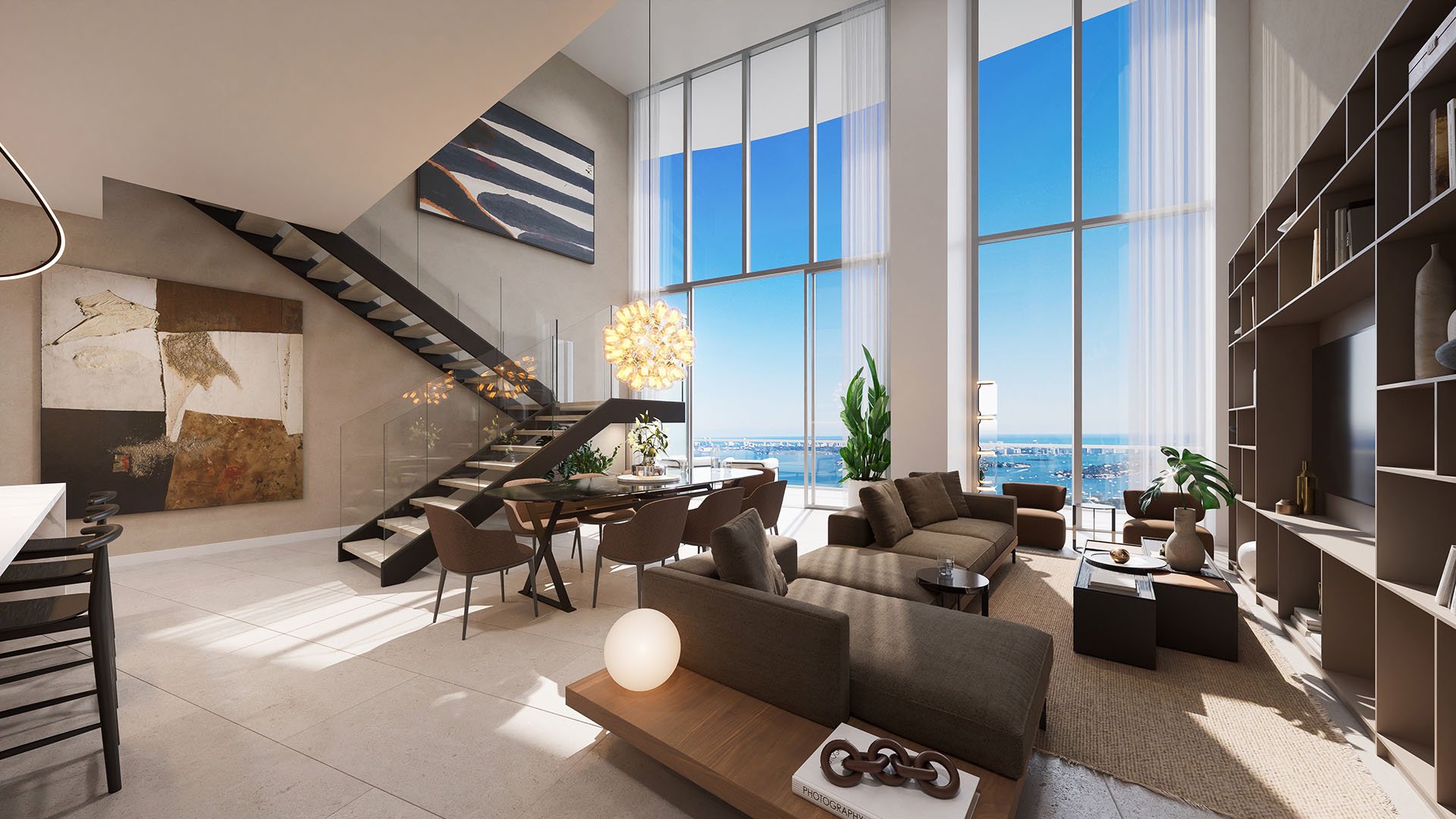
Wellness has become one of the most polished words in luxury real estate. It appears beside spa suites, cold plunges, meditation gardens, treatment rooms, and curated scent programs. Those amenities can enrich daily life, but they do not prove that a residence is healthier. The more serious test begins before a buyer ever sees the finished lobby: with the paints, coatings, adhesives, sealants, composite woods, flooring, cabinetry, and fabrics that shape the indoor environment.
Nontoxic finishes matter because luxury residences are lived in closely and intensively. Bedrooms, closets, kitchens, dressing rooms, and media rooms can hold occupants for long stretches of the day. Indoor levels of volatile organic compounds can be materially higher than outdoor levels, which makes material selection more than a design preference. It becomes part of the home’s exposure profile.
For MILLION readers evaluating South Florida residences, the distinction is clear: amenity marketing is experiential; real wellness is documented, specified, and maintained.
Volatile organic compounds, often shortened to VOCs, can be emitted by everyday building and interior products, including paints, paint strippers, wood preservatives, cleaners, disinfectants, air fresheners, stored fuels, hobby products, and dry-cleaned clothing. In a luxury residence, the relevant concern is rarely one dramatic source. It is the cumulative effect of many layers: millwork, lacquers, wallcovering adhesives, engineered wood, flooring systems, upholstery, cabinetry interiors, and cleaning protocols.
Reported effects from VOC exposure include irritation of the eyes, nose, and throat; headaches; nausea; loss of coordination; and impacts involving the liver, kidney, and central nervous system. A buyer does not need to be alarmist to take that seriously. The point is due diligence. If a residence is positioned as wellness-forward, its finish schedule should be able to withstand questions about emissions and contents.
Formaldehyde is another reason the conversation must move beyond adjectives. It can be released from pressed-wood products, glues, adhesives, permanent-press fabrics, paints, coatings, lacquers, and some insulation materials. Composite wood products sold or imported in the United States are subject to formaldehyde emission standards under TSCA Title VI, including hardwood plywood, medium-density fiberboard, and particleboard. For custom closets, kitchen systems, and built-ins, that is not a technical footnote. It is central to how a beautiful room performs.
The most credible nontoxic-finish claims are tied to recognized emissions testing, product disclosures, or certification systems. Generic language such as “natural,” “clean,” “eco,” or “green” is not enough. Broad environmental claims can invite misunderstanding because buyers may interpret them as much wider promises than the materials can support.
A stronger specification package points to chamber-tested emissions, verified low-emitting products, and transparent declarations of product contents. The CDPH Standard Method is widely used to evaluate VOC emissions from indoor building materials and furnishings. UL GREENGUARD Certification tests products for chemical emissions to help identify items that support healthier indoor environments. LEED v4.1’s Low-Emitting Materials credit covers categories that directly shape a residence: paints, coatings, adhesives, sealants, flooring, composite wood, ceilings, walls, insulation, and furniture.
WELL v2 also gives buyers a useful vocabulary. Its Air concept includes air quality, ventilation, source control, filtration, and ongoing monitoring. Its Materials concept addresses hazardous ingredient reduction, product transparency, VOC restrictions, and safer material selection. These frameworks separate genuine indoor-environment strategy from mood lighting and a eucalyptus towel.
For product transparency, Declare labels disclose where a product comes from, what it is made of, and where it goes at end of life. Health Product Declarations provide a format for disclosing building-product contents and associated health information. These tools are not glamorous, but in the luxury market they are increasingly part of the new discretion: evidence quietly sitting behind the design.
Indoor air quality is often discussed through machines: filtration, purifiers, sensors, and fresh-air systems. Those can be valuable. Yet the first move is source control, which means reducing pollutants at the material and product level before they enter the residence. Ventilation improvements and air cleaners can help, but removing or limiting pollutant sources is usually the most effective strategy.
That hierarchy matters for owners who expect permanence. A residence with exquisite stone, custom millwork, and museum-grade lighting should not need to compensate for high-emitting finishes with a visible apparatus of correction. The quietest form of wellness is a specification that performs from the beginning.
This is also where luxury developers can distinguish themselves. A buyer should be able to ask whether interior paints and coatings are low-emitting, whether adhesives and sealants were selected for VOC performance, whether composite woods comply with formaldehyde requirements, whether flooring and cabinetry have product documentation, and whether cleaning products align with safer ingredient criteria. The answer should not be a mood board. It should be a submittal trail.
In South Florida, nontoxic finishes cannot be separated from moisture control. Humidity, condensation, leaks, and poor dehumidification can undermine otherwise thoughtful material choices. Controlling moisture is key to controlling mold, and mold exposure can contribute to symptoms such as stuffy nose, sore throat, coughing, wheezing, burning eyes, and skin rash, with more serious concerns for people with asthma or weakened immune systems.
This is why a wellness residence in Miami or Palm Beach must be understood as a system. Low-emitting paint is beneficial, but it is not enough if wall assemblies, ventilation, HVAC commissioning, or dehumidification are poorly managed. Indoor air construction specifications connect low-emission materials with moisture control, pest barriers, HVAC practices, and combustion safety. The lesson for buyers is that wellness is not one product category. It is coordination.
For buyers comparing Brickell, Miami Beach, Palm Beach, oceanfront, new-construction, and pre-construction opportunities, the questions should travel with them from sales gallery to private showing. What is behind the surface? How is moisture handled? Which finishes were specified because they tested well, and which were chosen because they photographed well?
The most useful questions are specific without being combative. Ask whether the residence or building has a low-emitting materials standard for paints, coatings, adhesives, sealants, flooring, composite wood, and furniture. Ask whether the team can provide product certifications, emissions-test documentation, Health Product Declarations, Declare labels, or equivalent disclosures. Ask how post-construction air flushing, ventilation, and filtration are handled before occupancy.
For custom work, ask the same questions again. A developer may specify low-emitting base finishes, while a private owner later introduces high-emitting millwork, lacquered panels, specialty wallcoverings, or heavily treated fabrics. In ultra-luxury real estate, the final ten percent of personalization can materially affect the indoor environment.
Buyers should also look at operations. Cleaning products, fragrance systems, pest control practices, and maintenance routines can introduce chemicals after delivery. Safer ingredient evaluation gives owners and property teams a more objective benchmark than vague green product language. In a staffed residence, these standards should become part of the household manual, not an afterthought.
The next generation of luxury buyers is unlikely to abandon visible wellness amenities. They still want serenity, spa access, fitness, and restorative design. But the premium will increasingly belong to residences where those experiences are backed by measurable indoor performance.
A nontoxic finish strategy does not require aesthetic compromise. It asks designers, developers, and owners to be more exacting. The best interiors will still use rich materials, layered textures, and bespoke craftsmanship. They will simply demand that beauty be accompanied by emissions discipline, product transparency, and moisture resilience.
That is the difference between wellness as atmosphere and wellness as asset quality. One sells a feeling. The other protects the private environment where life actually unfolds.
What makes a finish genuinely low-emitting? A credible low-emitting finish is supported by emissions testing, recognized certification, or product disclosure, not just broad marketing language.
Are natural materials always safer indoors? Not necessarily. A material described as natural can still involve adhesives, coatings, treatments, or installation products that affect indoor air quality.
Why are VOCs important in luxury residences? VOCs can come from many interior products, and indoor levels can be meaningfully higher than outdoor levels, making finish selection a daily exposure issue.
What should buyers ask about cabinetry and millwork? Ask about composite wood compliance, formaldehyde emissions, adhesives, lacquers, and whether product documentation is available.
Is filtration enough to make a residence healthy? Filtration can help, but source control is usually the stronger first step because it reduces pollutants before they enter the indoor environment.
Which documentation is useful for finish due diligence? Useful proof includes emissions testing, GREENGUARD-style certification, LEED or WELL materials documentation, HPDs, and Declare labels.
Why does humidity matter in South Florida wellness design? Humidity and moisture can support mold growth, so dehumidification, ventilation, and envelope performance are part of a healthy-material strategy.
Can custom interiors weaken a wellness specification? Yes. Later additions such as millwork, wallcoverings, upholstery, or specialty finishes can introduce emissions if they are not specified carefully.
Should buyers request post-occupancy air testing? For high-value residences, post-occupancy indoor-air testing can provide an additional layer of confidence after construction and furnishing.
Does nontoxic design limit luxury aesthetics? No. It simply requires more disciplined specification so refined materials, craftsmanship, and indoor performance work together.
To compare the best-fit options with clarity, connect with MILLION.
If branded residences are on your mind — as a home or as an allocation — we would be glad to share what we are seeing, privately.
Begin a quiet conversation