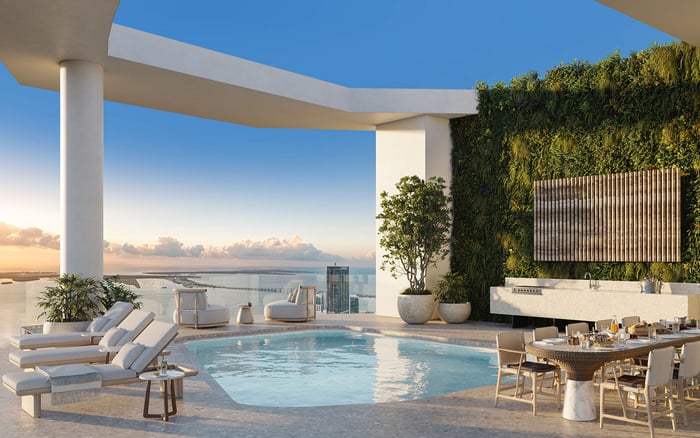
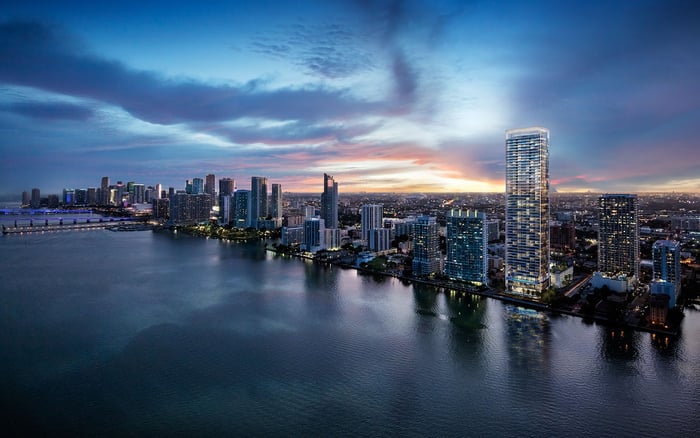
A discreet, buyer-oriented examination of Midtown Miami through the operational lens that matters in South Florida luxury: marina planning, guest arrival, and back-of-house separation.
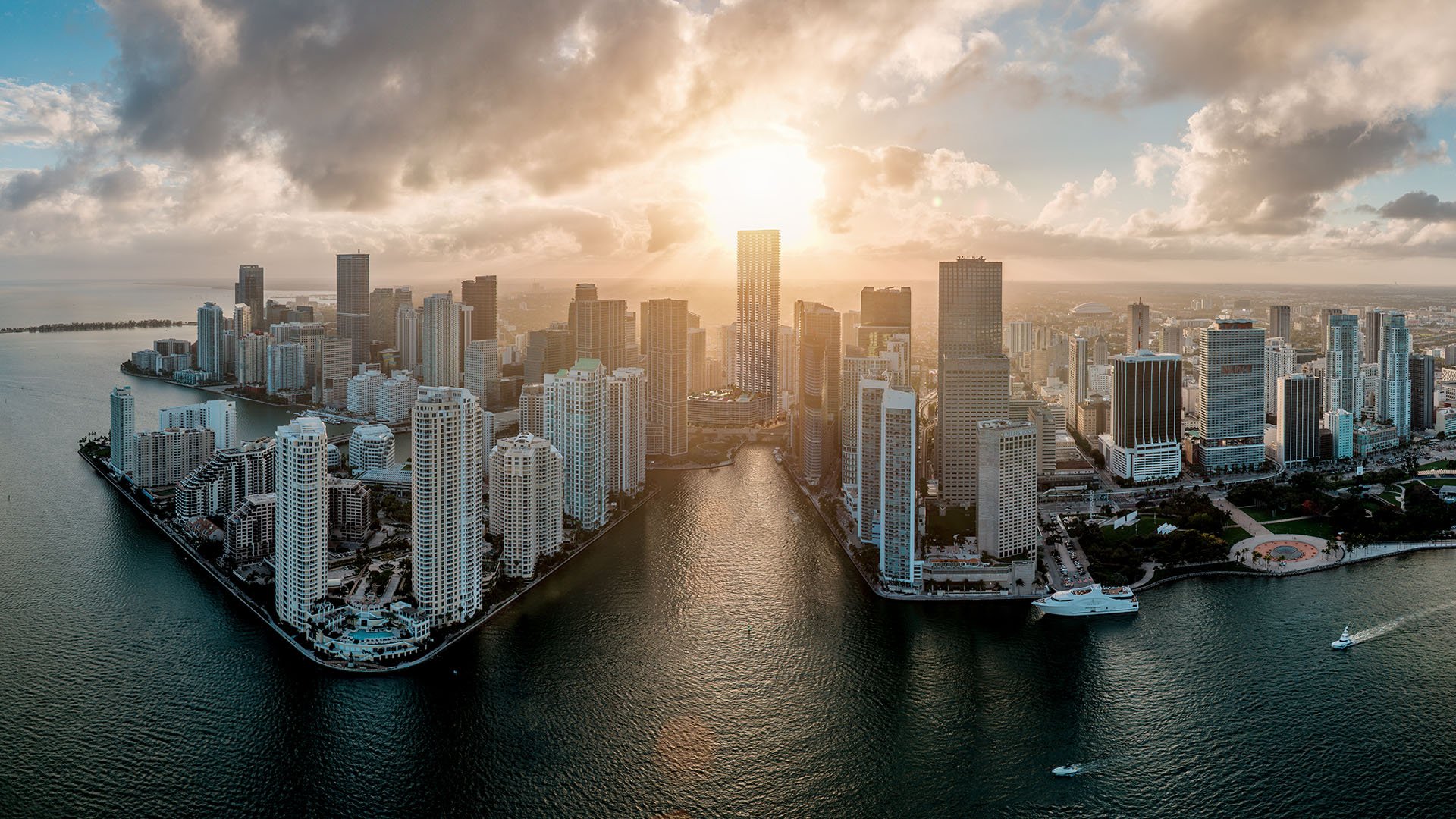
In South Florida, luxury real estate is no longer judged only by views, finishes, or the drama of an arrival lobby. The more sophisticated question is operational: how does the address perform on a Friday evening, when guests are arriving, luggage is moving, staff is coordinating, dinner is being delivered, and a yacht weekend depends on precise timing rather than theatrical inconvenience?
That is the lens through which Midtown Miami becomes more interesting. Its answer to the South Florida equation of marina planning, guest arrival, and back-of-house flow is not to force every desire through one threshold. Instead, the strongest urban residences separate functions into layers. Daily living, social arrival, marine access, household service, and private retreat do not need to collide. They need to be choreographed.
For high-net-worth buyers, this matters because friction is expensive. A beautiful residence that forces owners, guests, drivers, deliveries, and service providers through the same sequence can feel less private over time. A quieter address with cleaner circulation can live better. Midtown Miami’s appeal, in this reading, is less about spectacle and more about the discipline of flow.
The South Florida buyer often wants access to the water, but not every owner wants the operational exposure that comes with living directly on top of marine activity. Marina logistics should be considered a mobility layer, not necessarily a residential amenity that must be attached to the building.
That distinction matters. Yacht days involve provisioning, crew coordination, vehicle timing, weather awareness, guest communication, and often a change of wardrobe or luggage. The best residential strategy is not always to compress those functions into the building. It may be to choose a home base where urban services, drivers, storage decisions, and personal routines can be managed cleanly before the marine component begins.
In practice, buyers should ask how the residence supports the moments before and after boating. Is there a graceful place for a car to wait? Can luggage be transferred without crossing the main social lobby? Is there enough discretion for staff movement? Can guests be received without announcing the owner’s full itinerary to everyone in the building? The marina itself is only one part of the experience. The residence must perform as the command center.
A luxury building reveals itself at arrival. Not in the brochure image, but in the sequence. The question is whether guests, residents, drivers, vendors, and building staff have a logical order of movement.
For owners who entertain, guest arrival is not decorative. It is a social instrument. A clear porte cochere, a lobby that feels composed rather than crowded, and elevator access that respects privacy can define the tone of an evening before the residence door opens. When that sequence is compromised, even extraordinary interiors can feel less serene.
Buyers comparing Wynwood, Edgewater, Downtown, and Brickell often focus on skyline, restaurant access, and neighborhood energy. Those are valid considerations, but the more enduring question is how the building absorbs activity. A residence that can welcome guests without blurring the boundary between public and private life is better suited to long-term ownership.
This is where Midtown Miami’s urban logic becomes a luxury advantage. It allows a buyer to think in systems rather than isolated amenities. The home is one layer. The driver plan is another. The dinner reservation, the art event, the marine departure, and the quiet return all become part of one controlled pattern.
Back-of-house design is rarely the headline, but it is often the reason a residence feels calm. Deliveries, maintenance, housekeeping, pet care, catering, and move-ins require pathways that do not intrude on the owner experience. When those pathways are poorly conceived, the building feels busy even when it is visually polished.
The strongest luxury buildings understand that service should be present but not performative. Staff should be able to work efficiently. Packages should not dominate the lobby. Catering should not compete with evening arrivals. Contractors should not become part of the social atmosphere. These are not minor details; they are the infrastructure of discretion.
For a new-construction buyer, the review should go beyond finishes and amenity renderings. Ask how service elevators connect to residential floors. Ask whether loading and deliveries have a clear protocol. Ask how valets, security, and property management coordinate peak moments. In the best buildings, residents rarely think about these systems because the systems work.
Midtown Miami, considered through this operational lens, speaks to owners who value control over display. It is a setting for buyers who want access to the city’s social and cultural gravity while preserving a private domestic rhythm.
A polished sales presentation can make almost any property appear seamless. The buyer’s task is to test the choreography. Start with arrival at different times of day. A building may feel serene in the morning and compressed in the evening. Observe how cars queue, how doors are staffed, and whether the transition from curb to elevator feels intuitive.
Next, separate the owner journey from the guest journey. Residents need consistency; guests need clarity. If guests require repeated explanation, the building may not be as effortless as it appears. If residents must share key access points with routine service movement, privacy can erode.
Then study the building’s service life. Where do deliveries land? How is catering handled? What happens when multiple residents host on the same evening? How are pets moved through the property? How does the building manage a high-volume holiday weekend? These questions are especially relevant in South Florida, where seasonal occupancy can intensify operational pressure.
Finally, consider how marina-related days will actually unfold. A buyer who boats regularly should map the entire day, from residence departure to return. The ideal home does not need to perform every marine function, but it should reduce the number of visible handoffs. Luxury is the feeling that the day has been arranged before anyone asks.
The most refined buyers are often not chasing the loudest address. They are looking for a residence that supports a particular life: spontaneous dinners, cultural proximity, private transportation, guest hosting, wellness routines, and occasional marine departures without unnecessary exposure.
Midtown Miami fits that conversation because it allows buyers to prioritize operational intelligence. It is not simply a question of where the pool is, how large the lounge feels, or how dramatic the façade appears. The deeper question is whether the address can remain elegant under pressure.
That is the difference between amenity and infrastructure. Amenities are seen. Infrastructure is felt. A buyer may notice the amenity deck on day one, but over years of ownership, the service elevator, garage sequence, loading procedure, staff professionalism, and guest arrival pattern will shape the quality of life more profoundly.
For South Florida’s ultra-premium audience, that is where Midtown Miami’s argument becomes compelling. It reframes luxury as orchestration. The residence does not need to be a marina, a hotel, a members’ club, and a logistics hub all at once. It needs to know which functions to reveal, which to conceal, and which to coordinate quietly.
MILLION reads Midtown Miami through the lens of liveability under real conditions. A home should not only photograph beautifully; it should receive guests gracefully, protect household privacy, support service movement, and connect to the broader South Florida lifestyle without turning every outing into an operational event.
For buyers evaluating this market, the highest-value question is simple: does the property make life feel easier as the calendar becomes fuller? If the answer is yes, the residence may have a sophistication that is not immediately visible, but is deeply valuable.
Does Midtown Miami need an on-site marina to support a boating lifestyle? No. Many buyers can treat marina access as a separate mobility layer while choosing a residence for privacy, service flow, and urban convenience.
What should buyers examine first when assessing guest arrival? Start with the curb-to-elevator sequence. The arrival should feel intuitive, calm, and protected from routine building operations.
Why is back-of-house flow important in luxury real estate? It determines whether deliveries, staff, catering, and maintenance remain discreet. Strong service circulation preserves the residential atmosphere.
How does marina planning affect a non-waterfront residence? It affects timing, storage, driver coordination, luggage movement, and guest experience. The home should support the day even if the dock is elsewhere.
Is Brickell the only urban choice for this kind of buyer? No. Brickell is one reference point, but buyers also compare other urban settings based on privacy, access, building operations, and lifestyle rhythm.
Why do buyers compare Midtown Miami with Edgewater? Edgewater often enters the conversation for buyers who want an urban lifestyle with strong access patterns. The final decision depends on daily flow.
Does Downtown offer the same kind of operational convenience? Downtown can appeal to buyers seeking urban energy, but each building should be tested individually for arrival, service, and privacy design.
Why is Wynwood relevant to the Midtown Miami conversation? Wynwood is part of the broader lifestyle map for many buyers who value dining, culture, and creative energy near their residential base.
What is the most overlooked question during a luxury condo tour? Ask how the building functions during peak hours. A residence must be evaluated when traffic, guests, deliveries, and staff movement overlap.
What defines true discretion in a South Florida residence? True discretion is the ability to host, travel, receive service, and return home without unnecessary visibility or operational friction.
To compare the best-fit options with clarity, connect with MILLION.
If branded residences are on your mind — as a home or as an allocation — we would be glad to share what we are seeing, privately.
Begin a quiet conversation