Miami Open season can clarify what luxury buyers want most in Bay Harbor Islands: privacy, arrival ease, wellness, adaptable layouts, and a residential pace that feels composed before and after major events.
The Miami Open does more than fill a social calendar. For luxury-home buyers, it becomes a temporary stress test for how well a residence supports movement, privacy, recovery, hospitality, and ease. In Bay Harbor Islands, where buyers often seek a quieter residential rhythm within reach of the wider Miami lifestyle, tournament season sharpens the distinction between a beautiful home and a genuinely livable one.
This is especially true for clients who use South Florida as both a primary base and a seasonal retreat. A residence must feel serene on a normal Tuesday, yet still perform when guests arrive, dinners run late, cars come and go, and the next morning requires calm. The result is a more exacting buyer, one who sees luxury less as ornament and more as control over time, space, and exposure.
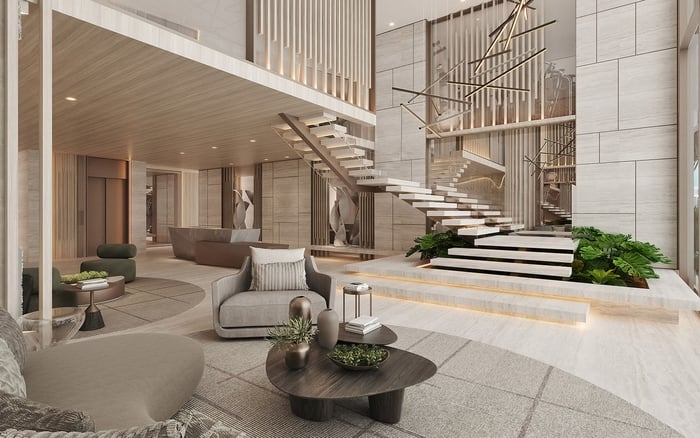
For many buyers, the first priority is not the view. It is the return home. Event weeks reveal whether a building remains gracious under pressure: how arrivals are handled, whether lobbies feel composed, and whether the transition from public energy to private life is immediate.
That is why boutique scale can be compelling in Bay Harbor Islands. A buyer considering Alana Bay Harbor Islands may be thinking not only about architecture or finishes, but about the emotional value of returning to a residence that feels personal, discreet, and unhurried. In a market where branded spectacle often competes for attention, restraint can be a luxury language of its own.
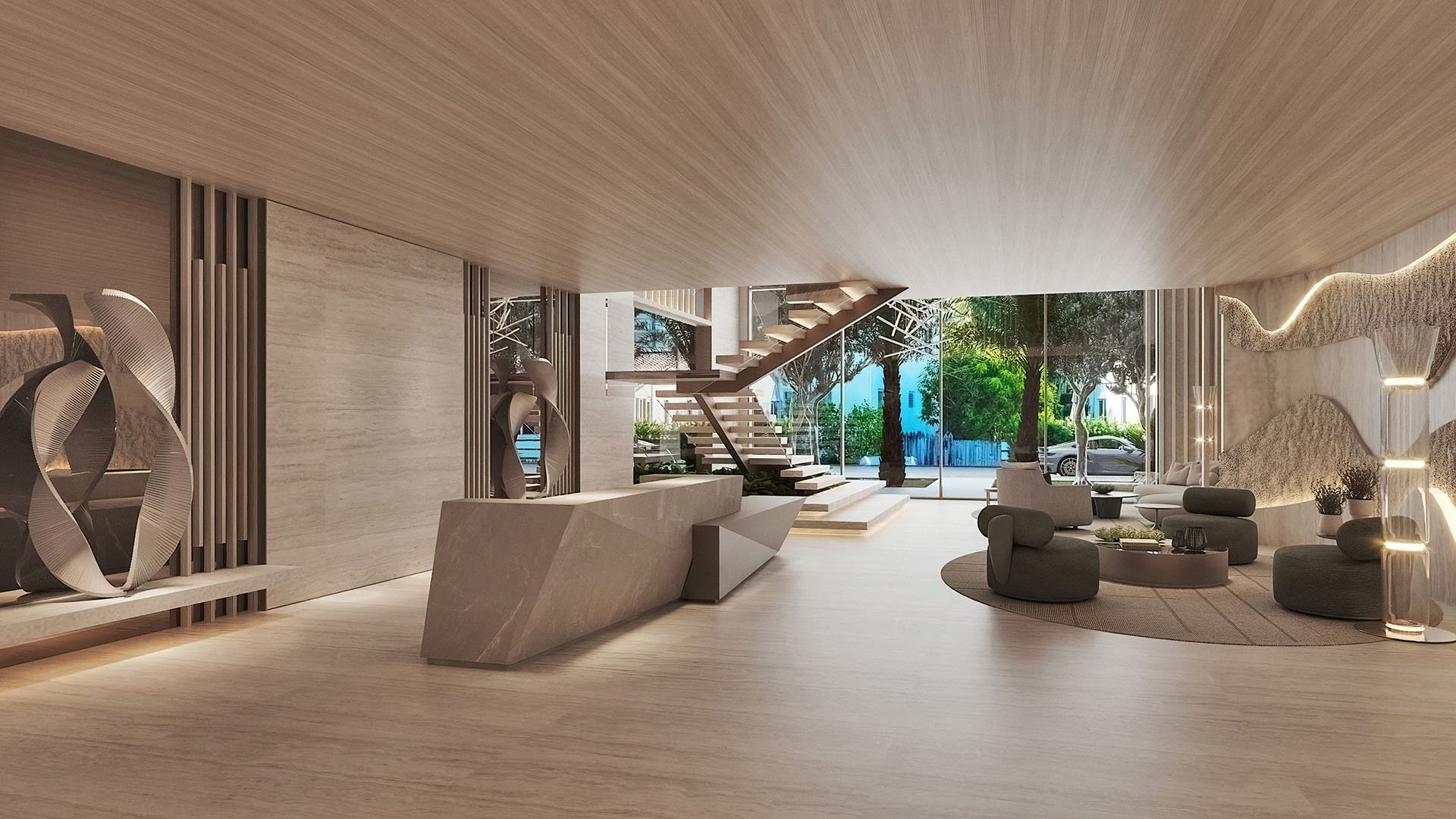
The best homes for event-season living make arrival feel choreographed without feeling theatrical. Covered entry sequences, clear guest handling, intuitive parking, secure access, and a lobby that does not become a stage all matter. These details rarely dominate an early sales conversation, but they often determine long-term satisfaction.
The Miami Open is a reminder that even the most private buyers still want access to cultural and sporting moments. The question is how much of that energy should follow them home. In Bay Harbor Islands, the answer is usually: only by invitation.
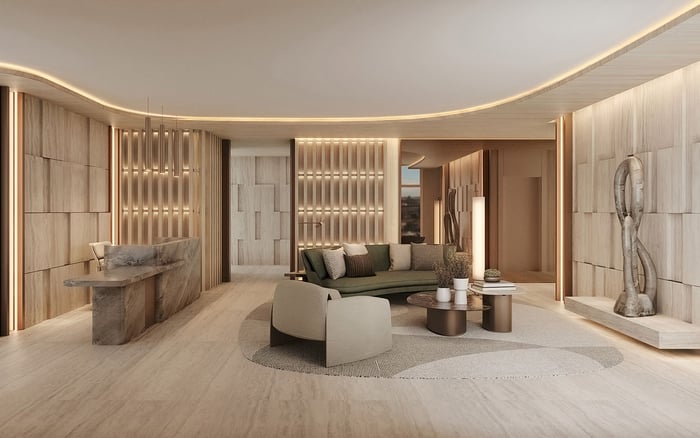
Privacy now extends beyond secure elevators and controlled entries. It includes acoustic separation, thoughtful bedroom placement, terraces that feel usable rather than exposed, and amenity spaces that do not require residents to perform sociability. A residence should allow its owner to host beautifully, then disappear completely.
This is where projects such as Bay Harbor Towers enter the conversation for buyers comparing the feel of different buildings in the neighborhood. The priority is not merely having amenities. It is achieving the right balance between shared polish and private retreat.
For ultra-premium clients, discretion is not anti-social. It is the condition that makes hospitality more enjoyable. Guests can be welcomed generously, while the owner still controls the tone, scale, and duration of the experience.
Tennis season also reinforces a broader shift in residential priorities: wellness must be embedded into daily life, not treated as an occasional indulgence. Buyers increasingly look for homes that support sleep, movement, recovery, nutrition, and quiet routines.
In Bay Harbor Islands, that may translate into flexible rooms for stretching or training, spa-like bathrooms, generous closets for active wardrobes, and kitchens designed for both private dining and simple recovery meals. The desire is not necessarily for more space, but for more intentional space.
A wellness-oriented buyer looking at The Well Bay Harbor Islands is likely responding to a larger lifestyle question: can the home help preserve energy during a demanding social season? The most sophisticated answer is subtle. Natural light, calm materials, outdoor air, and rooms that allow the day to slow down can matter as much as any formal amenity.
Wellness also affects how buyers evaluate noise, circulation, and storage. A beautiful residence can lose its appeal if luggage, sports gear, deliveries, and guests all collide in the same zones. The strongest layouts give every part of life a place to land.
Tournament weeks often bring visiting family, friends, and business contacts. That makes adaptability a central luxury-home priority. Buyers want guest accommodations that feel gracious but not disruptive. They want work areas that can remain private while the rest of the home is active. They want terraces and living rooms that can shift from quiet breakfast to evening gathering without requiring a full reset.
Residences tied to the Bay Harbor Islands lifestyle, including La Maré Bay Harbor Islands, naturally sit within this discussion because buyers are evaluating how a home supports multiple modes of use. The ideal plan is neither overly formal nor overly casual. It allows a household to expand and contract with elegance.
This is one reason secondary bedrooms, dens, service areas, and powder rooms deserve close attention. These spaces may not carry the glamour of a primary suite, but they determine whether a residence feels effortless when occupied by more than its owners.
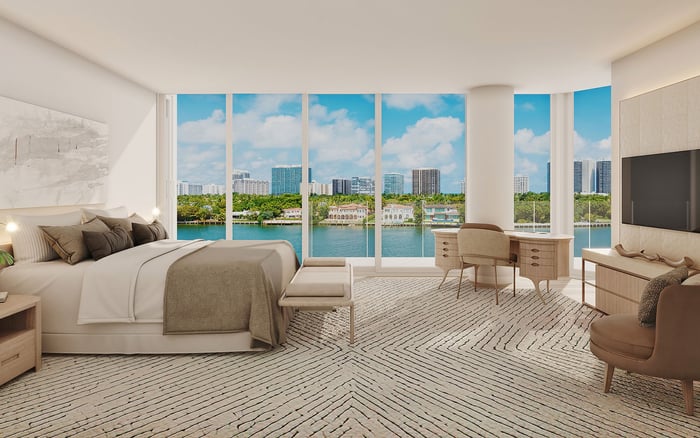
Even when no specific view is required, buyers in Bay Harbor Islands often respond to the emotional promise of openness. After the intensity of a major event, a home should offer visual relief. Terraces, well-proportioned living areas, and a sense of air can shift the mood of an entire day.
The key is usability. A terrace that looks impressive but feels exposed or narrow will not serve the same purpose as one that encourages morning coffee, private conversation, or a quiet hour after dinner. Similarly, wide living areas may matter more than sheer square footage if they allow movement, seating, and entertaining to feel natural.
A buyer touring Onda Bay Harbor may frame the decision around this balance: how does the residence feel when the city is animated, but the owner wants calm? The most compelling homes do not compete with Miami’s energy. They edit it.
The lasting influence of Miami Open season is not that every buyer becomes a tennis enthusiast. It is that an event of this scale clarifies what a home must do. It must receive guests without strain, protect privacy without feeling closed, support wellness without effort, and offer access without sacrificing serenity.
For Bay Harbor Islands buyers, that creates a practical checklist. Study arrival sequences. Walk the amenity areas as if the building is busy. Consider where guests will sleep, where luggage will go, where work calls can happen, and where the household can retreat. Ask whether the residence feels calm only when empty, or whether it can remain calm when life is fully in motion.
The most durable luxury-home priorities are rarely loud. They are the ones that make the owner feel prepared, rested, and composed. Miami Open season simply makes those priorities easier to see.
Why can Miami Open season influence Bay Harbor Islands home priorities? It highlights how a residence handles access, guests, privacy, recovery, and daily routine during a busier social period.
Is Bay Harbor Islands better suited to quiet luxury buyers? It can appeal to buyers who want a composed residential setting while remaining connected to Miami’s broader lifestyle calendar.
What should buyers evaluate first during event season? Arrival experience, building privacy, guest flow, and the ability to return home to a calm environment should come first.
Do amenities matter more during Miami Open weeks? Amenities matter when they support real routines, such as wellness, hosting, recovery, and discreet social use.
Why is privacy so important for luxury buyers in Bay Harbor Islands? Privacy allows owners to enjoy major events and social moments without bringing public energy into the home.
Are flexible layouts more valuable than extra square footage? Often, yes. A well-planned den, guest room, or service area can make a residence feel more effortless than unused space.
How should buyers think about terraces? Terraces should be judged by comfort, proportion, exposure, and real daily usability, not just by appearance.
Can wellness features affect long-term resale appeal? Wellness-ready design can broaden appeal because it supports daily living, seasonal use, and guest comfort.
Should second-home buyers prioritize lock-and-leave convenience? Yes. A seasonal residence should feel secure, manageable, and easy to re-enter after time away.
What is the main takeaway for Bay Harbor Islands buyers? Choose a residence that feels calm under pressure, not only beautiful during a quiet showing.
When you're ready to tour or underwrite the options, connect with MILLION.
If branded residences are on your mind — as a home or as an allocation — we would be glad to share what we are seeing, privately.
Begin a quiet conversation