A buyer-focused guide to the impact-glass questions that matter before purchasing luxury real estate in Bay Harbor Islands, from approvals and design pressures to permits, warranties and coastal maintenance.
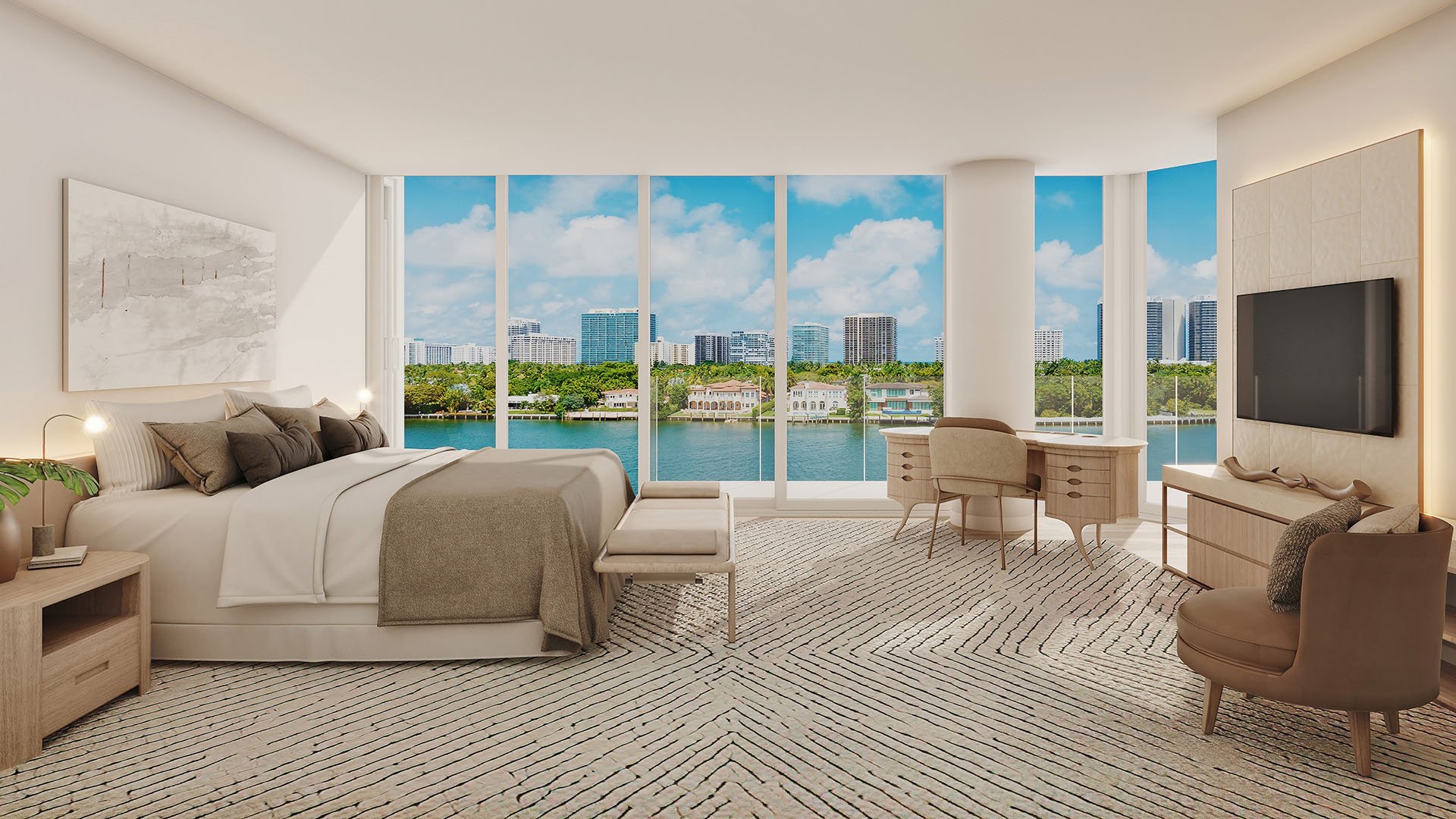
In Bay Harbor Islands, glass is not merely a material for framing views. It is part of the building envelope, part of daily comfort and part of the risk profile that follows a residence long after closing. For luxury buyers, impact glazing deserves the same discipline applied to title, reserves, assessments and association rules.
The essential question is not simply, “Does it have impact windows?” It is, “Can you show the exact approval, tested configuration, design pressures and closed permit records for the installed systems?” That distinction matters in waterfront condominium living, where large sliders, balcony doors, glass railings and expansive window walls can define both the architecture and the vulnerability of a home.
A Bay Harbor search often begins with lifestyle: proximity to Bal Harbour, quiet streets, water views and boutique scale. Yet when comparing residences such as Alana Bay Harbor Islands or established addresses nearby, the strongest buyers also ask for the technical file behind the glass.
Every exterior window, sliding door, balcony door, storefront, curtain wall and glass railing system should be traceable to a Miami-Dade Notice of Acceptance number or a Florida Product Approval number. A brand name alone is not enough. Product approvals are tied to specific combinations of glass, frame, mullion, anchor and installation details.
Luxury buyers should be precise here. Ask whether the approval covers the exact system installed in the residence, not a related product in the same manufacturer’s catalogue. Confirm that the glass thickness, interlayer, frame material, mullion configuration, anchoring schedule and maximum tested size match what is actually in place. If a residence has oversized sliders or unusually wide openings, verify that those dimensions do not exceed what the approval allows.
For buyers evaluating Bay Harbor Towers or other Bay Harbor Islands condominiums, this document request is not adversarial. It is a standard part of understanding whether the building envelope supports the lifestyle being purchased.
Design pressure is one of the most important phrases in impact-glass diligence. It describes the pressures an opening is approved to resist, with positive and negative values reflecting wind loading from different directions. A product that works for one opening may not be appropriate for another, particularly on corner lines, high floors, exposed waterfront elevations and penthouse homes.
Ask for the approved design pressures for each relevant opening. Then ask whether those values were compared with the unit-specific wind-load requirements under the code edition that governed the permit. Code cycles can change, and a renovation completed years after original construction may have been reviewed under a different standard than the initial building.
This is especially important for homes where the architectural promise is transparency. At boutique projects such as La Maré Bay Harbor Islands, or in any residence with broad terrace openings, buyers should examine large glass doors with the same scrutiny they apply to fixed windows.
Impact glass performance depends on the full tested assembly. Ask for the laminated-glass makeup, including glass thickness, interlayer type and interlayer thickness. Then look beyond the pane. Frames, mullions, tracks, rollers, locks and anchors all need to be part of the approved impact-rated system.
The logic is straightforward: glass alone does not create a compliant hurricane opening. A sliding door can be compromised by weak tracks, underspecified rollers, inadequate locking hardware or anchors that do not match the approved installation details. Ask what substrate the windows and doors are anchored into, such as concrete, masonry, steel or wood, because installation details often vary by substrate.
For large luxury openings, ask whether the system passed the relevant impact and wind-pressure testing, including large-missile impact resistance, uniform static air-pressure performance and cyclic wind-pressure performance. Hurricanes do not apply a single, orderly push. They repeatedly load and unload the exterior envelope, which is why cyclic performance matters.
In Bay Harbor Islands, much of the residential appeal is the connection to the outdoors. Terraces, water-facing living rooms and floor-to-ceiling sliders are central to the experience. They are also where buyers should slow down.
Ask whether all exterior openings are impact-rated or whether any rely on shutters, panels or other protection. Ask whether balcony doors, terrace sliders and glass railings are included in the approval package. Ask whether any replacement glass or door system was installed after original construction and, if so, whether the work was completed under a proper permit.
When touring residences such as Onda Bay Harbor, it is natural to focus on sightlines and indoor-outdoor flow. The more refined approach is to admire the view while also asking how the opening was tested, approved, anchored and maintained.
Closed permits and inspection records are essential. Request them for window, door, façade, balcony-glazing and related exterior-envelope work, especially if the unit was renovated after original construction. Post-construction substitutions can undermine assumptions embedded in the original building design, particularly when replacement products differ in size, anchoring method or rating.
Ask for manufacturer warranties, installer warranties and whether those warranties are transferable to a buyer. Request project closeout documents before contract deadlines, not after. In a competitive luxury purchase, documentation may feel unglamorous, but it is what allows a sophisticated buyer to separate confidence from assumption.
The condominium association’s maintenance posture also deserves attention. Ask whether there is a façade and window maintenance plan covering sealants, gaskets, drainage weeps, rollers, locks and water-intrusion complaints. Coastal buildings face salt-air exposure, so corrosion-resistant hardware, finishes and anchors should be part of the conversation.
Impact glazing is also a comfort decision. Ask for U-factor, solar heat gain coefficient, visible transmittance, Low-E coating and tint details. These specifications influence cooling load, glare and how interiors feel during bright South Florida afternoons. A glass wall can be beautiful and still perform poorly if it admits too much heat or creates uncomfortable glare.
Insurance is another practical dimension. Ask for wind-mitigation documentation that can be shared with insurers. Organized documentation may be useful when the buyer or owner’s representative discusses coverage.
At wellness-driven addresses such as The Well Bay Harbor Islands, the glass conversation should include resilience, light quality and daily livability. The best due diligence treats all three as connected.
Is “impact glass” enough of a description in a listing? No. Ask for the exact approval number, tested configuration, design pressures and permit records.
What approval documents should a buyer request? Request the Miami-Dade Notice of Acceptance number or Florida Product Approval number for every exterior opening.
Why do design pressures matter? They show what wind loads an opening is approved to resist, and requirements can vary by location in the building.
Are penthouses different from lower-floor units? They can be. High-floor, corner and exposed waterfront openings may require higher pressure ratings.
Should sliding doors be reviewed separately from windows? Yes. Tracks, rollers, locks, frames and anchors are part of the approved impact-rated system.
What should I ask about oversized glass doors? Confirm that the installed size does not exceed the maximum tested size in the applicable approval.
Do renovations change the due-diligence process? Yes. Replacement windows or doors should have proper permits, inspections and matching approval documentation.
Can impact glass affect interior comfort? Yes. U-factor, solar heat gain, visible transmittance, Low-E coatings and tint all influence heat and glare.
Why ask about coastal hardware? Salt air can degrade metal components, so corrosion-resistant hardware and maintenance requirements matter.
Should warranties be reviewed before closing? Yes. Confirm whether manufacturer and installer warranties transfer, and request closeout documents before deadlines.
For a confidential assessment and a building-by-building shortlist, connect with MILLION.
If branded residences are on your mind — as a home or as an allocation — we would be glad to share what we are seeing, privately.
Begin a quiet conversation