A buyer-focused editorial on why grandparent-friendly wellness spaces reveal whether a luxury residence delivers daily comfort or simply markets amenities.
In South Florida’s highest tier of residential real estate, wellness has become one of the most elastic words in the sales vocabulary. It can mean a spa, a fitness center, a meditation room, a cold plunge, a landscaped path, or simply a handsome rendering with soft lighting and stone finishes. For discerning buyers, the question is not whether wellness is present. The sharper question is whether it works for the people who will actually use it.
Grandparent-friendly wellness spaces are a useful test because they expose the difference between experience and optics. A space that supports an older family member with grace, privacy, comfort, and ease is usually better for everyone: a tired parent, a guest recovering from travel, a child walking barefoot from the pool, or an owner who wants quiet rather than performance. When wellness is designed around dignity instead of display, it becomes part of daily life.
This does not mean a residence must feel clinical or cautious. The best version is the opposite. It feels natural, beautifully edited, and almost invisible in its intelligence. Seating appears where the body wants to pause. Shade arrives before heat becomes unpleasant. Doors, thresholds, and circulation feel effortless. The wellness environment does not ask residents to adapt to it. It adapts to them.
Amenity marketing often relies on a visual checklist. A dramatic gym, a plunge pool, a treatment room, and a photogenic lounge can look compelling in a brochure. Yet the tour may reveal a different story. The walk from elevator to spa may be long or exposed. Seating may be sculptural but uncomfortable. The steam room may be beautiful but poorly integrated with cooling, changing, and resting areas. The outdoor deck may photograph well at sunset yet lack enough shade for midday use.
Real wellness is measured in sequences. How does a resident arrive? Is the path intuitive? Is there a quiet place to wait without feeling watched? Can an older guest move from water to shade to changing area without stairs, glare, or confusion? Is the environment calm enough for conversation, yet refined enough to feel like a private club?
Grandparent-friendly design also resists the idea that wellness must be extreme. Not every resident wants a strenuous training circuit or a social scene. Many want warm water, comfortable recline, filtered light, balanced acoustics, and the ability to feel restored without being put on display. In that sense, the most persuasive wellness amenity may be the one that feels least like an amenity.
A serious buyer should tour wellness spaces slowly. Do not only ask what is included. Observe how it feels to move through the spaces at a human pace. Notice whether the elevator opens into calm or commotion. Look for level transitions, generous clearances, non-slippery surfaces, shaded routes, and seating with backs and arms. Those details are not minor. They determine whether a space is used often or merely admired from a distance.
Lighting is another revealing clue. Wellness areas that depend on bright overhead light can feel harsh, especially for older residents. A layered approach, with natural light, softer evening illumination, and reduced glare, tends to feel more residential. Acoustics matter as well. A beautiful lounge that amplifies every conversation may not serve a multigenerational household. Quiet is a luxury material.
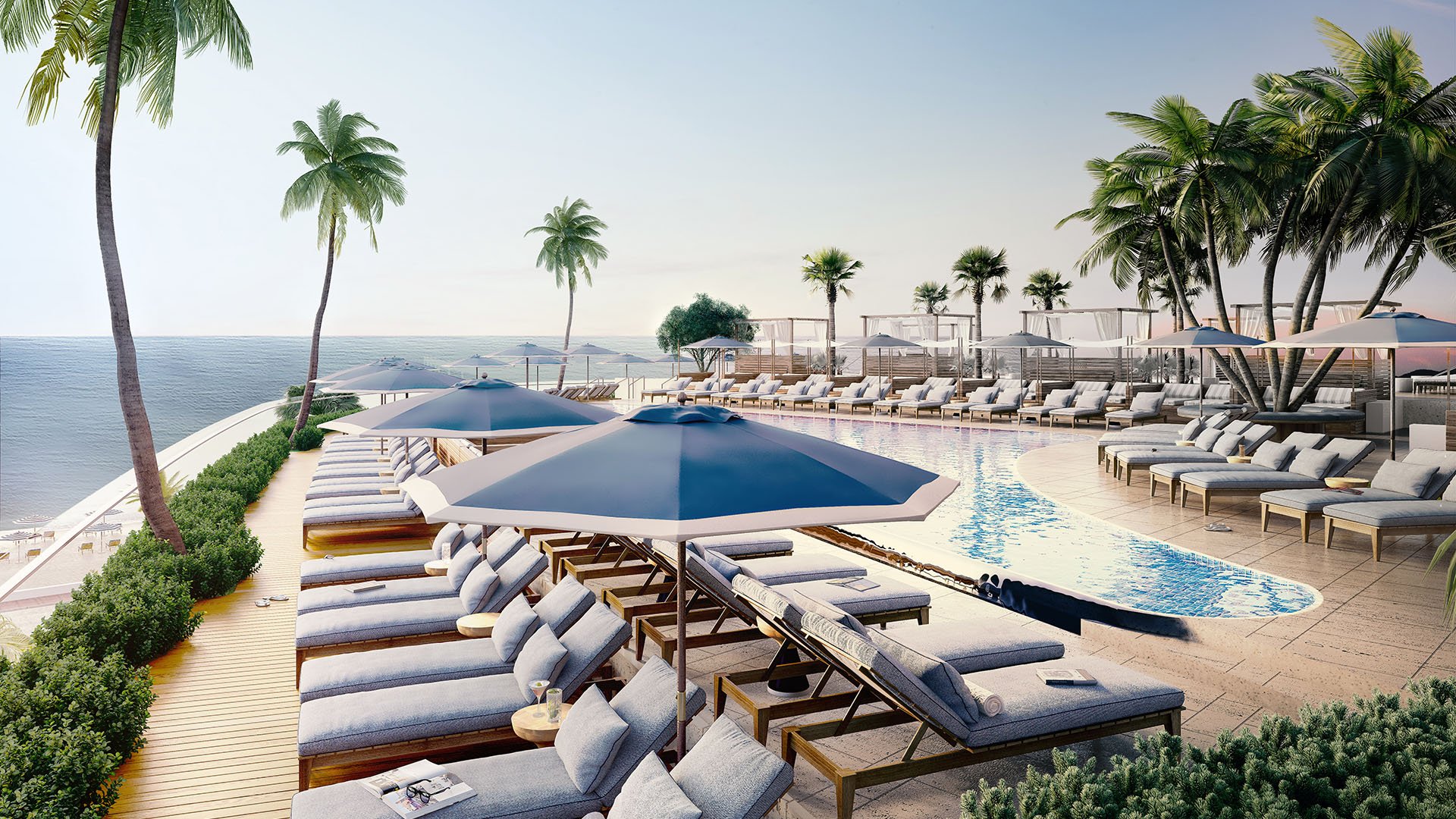
Outdoor wellness deserves particular scrutiny in South Florida. A terrace can be a sanctuary when it includes shade, airflow, comfortable seating, and a realistic relationship to sun and rain. Without those qualities, it becomes a marketing surface. The same applies to gardens, pool decks, cabanas, and waterfront paths. The design must acknowledge climate, not simply frame it.
Buyers comparing Miami Beach, Brickell, Coconut Grove, and Palm Beach lifestyles should also consider the rhythm of family visits. Some households will host grandparents for a season. Others will welcome them for weekends, school holidays, or extended stays. The best wellness spaces support each rhythm without making any guest feel like an exception.
Luxury buyers are increasingly alert to flexibility. A residence is no longer judged only by its view, finishes, or arrival sequence. It is judged by how well it supports different stages of life. A couple may buy for today’s entertaining, tomorrow’s family gatherings, and the possibility that older relatives will spend more time with them in the future. Grandparent-friendly wellness turns that possibility into an asset rather than a compromise.
The emotional value is significant. When an older family member can enjoy the spa, sit comfortably near the pool, walk safely through the garden, and retreat to a quiet lounge, the entire household relaxes. Hosts do not need to manage every movement. Guests do not need to ask for special accommodation. Good design removes social friction.
This is where discreet luxury distinguishes itself. It is not merely about adding more rooms. It is about editing the experience so that care feels gracious. A well-placed bench can be more meaningful than a larger gym. A shaded transition can matter more than a sculptural stair. A calm changing room can outperform a dramatic but impractical spa corridor.
Before being impressed by the amenity menu, buyers should ask practical questions. Who is the wellness space designed for at 8 a.m., at noon, and in the evening? Does it accommodate different ages without separating them? Can a grandparent enjoy the pool while grandchildren swim nearby? Can a resident leave a treatment and rest privately before returning home? Can family members meet without turning every wellness visit into a social performance?
Service is part of the answer. Grandparent-friendly wellness is not only architecture. It also depends on operations, maintenance, privacy, and staff sensitivity. The most beautiful space can fail if towels are inconvenient, doors are heavy, furniture is difficult to move, or rules are unclear. Conversely, a restrained amenity program can feel exceptional when every touchpoint is easy.
Buyers should also be wary of spaces that require explanation. If the wellness journey is not intuitive during a tour, it may not become intuitive after closing. True luxury rarely needs a script. It is legible through comfort.
From an ownership perspective, grandparent-friendly wellness spaces may support broader and more durable appeal. They speak to buyers who think beyond the first season of use. They recognize that households evolve, guests change, and the definition of comfort becomes more refined over time.
This is especially relevant in buildings and homes positioned as long-term lifestyle purchases. A spectacular amenity can create initial excitement, but a truly usable wellness environment can create loyalty. Residents return to spaces that make them feel better without effort. They invite family into spaces that feel safe without feeling compromised. They value design that makes aging, hosting, recovery, and relaxation feel elegant rather than awkward.
For South Florida’s ultra-premium buyer, the most convincing wellness spaces are not those with the loudest claims. They are the ones that make three generations comfortable in the same setting. That is a higher standard than amenity marketing, and a more honest definition of luxury.
What makes a wellness space grandparent-friendly? It combines easy circulation, comfortable seating, shade, calm acoustics, safe surfaces, and privacy without making the design feel medical.
Does grandparent-friendly design reduce luxury appeal? No. When handled well, it makes the environment feel more refined because comfort is integrated rather than added after the fact.
Should buyers prioritize a large spa or a usable wellness sequence? A usable sequence is usually more valuable. Arrival, changing, resting, water, shade, and return paths determine daily enjoyment.
Why is shade so important in South Florida wellness spaces? Shade helps outdoor areas remain comfortable for more residents and guests, especially around pool decks, terraces, and gardens.
Are stairs a problem in wellness areas? Stairs are not automatically a flaw, but key wellness routes should offer easy alternatives that feel equally elegant and direct.
How can buyers judge seating quality during a tour? Sit down, stand up, and notice whether the chair supports the body. Beautiful seating that is difficult to use is a warning sign.
Do acoustics matter in luxury wellness spaces? Yes. A calm sound environment can make lounges, spas, and treatment areas feel private, restorative, and more suitable for all ages.
What role does service play in wellness quality? Service determines whether the space functions smoothly through towels, cleanliness, privacy, assistance, and consistent daily operations.
Is grandparent-friendly wellness only relevant for older buyers? No. It benefits children, guests, recovering athletes, expectant parents, frequent travelers, and anyone who values ease.
What is the best way to shortlist comparable options for touring? Start with location fit, delivery status, and daily lifestyle priorities, then compare stacks and elevations to validate views and privacy.
To compare the best-fit options with clarity, connect with MILLION.
If branded residences are on your mind — as a home or as an allocation — we would be glad to share what we are seeing, privately.
Begin a quiet conversation