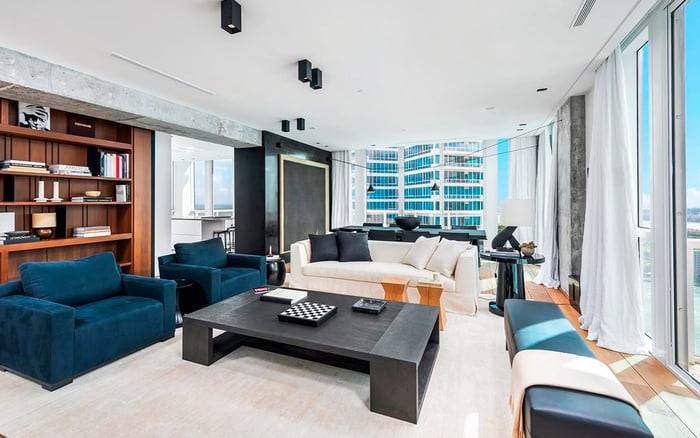
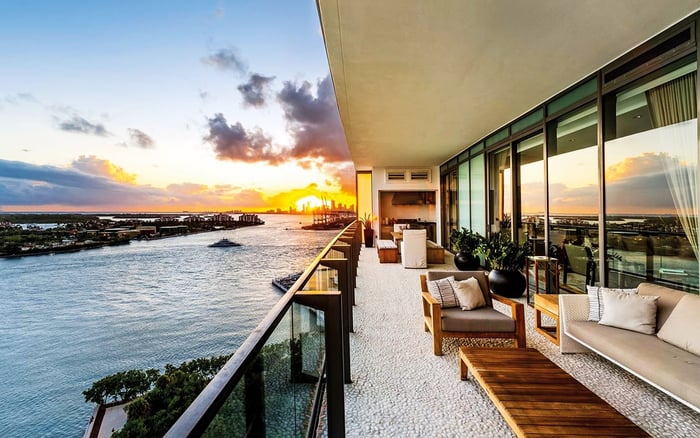
For disciplined Bay Harbor Islands buyers, the most consequential decisions often concern future competition, exact line quality, and the durability of a view. Finishes shape the first impression, but a rigorous acquisition process gives greater weight to attributes that cannot be readily changed after closing.
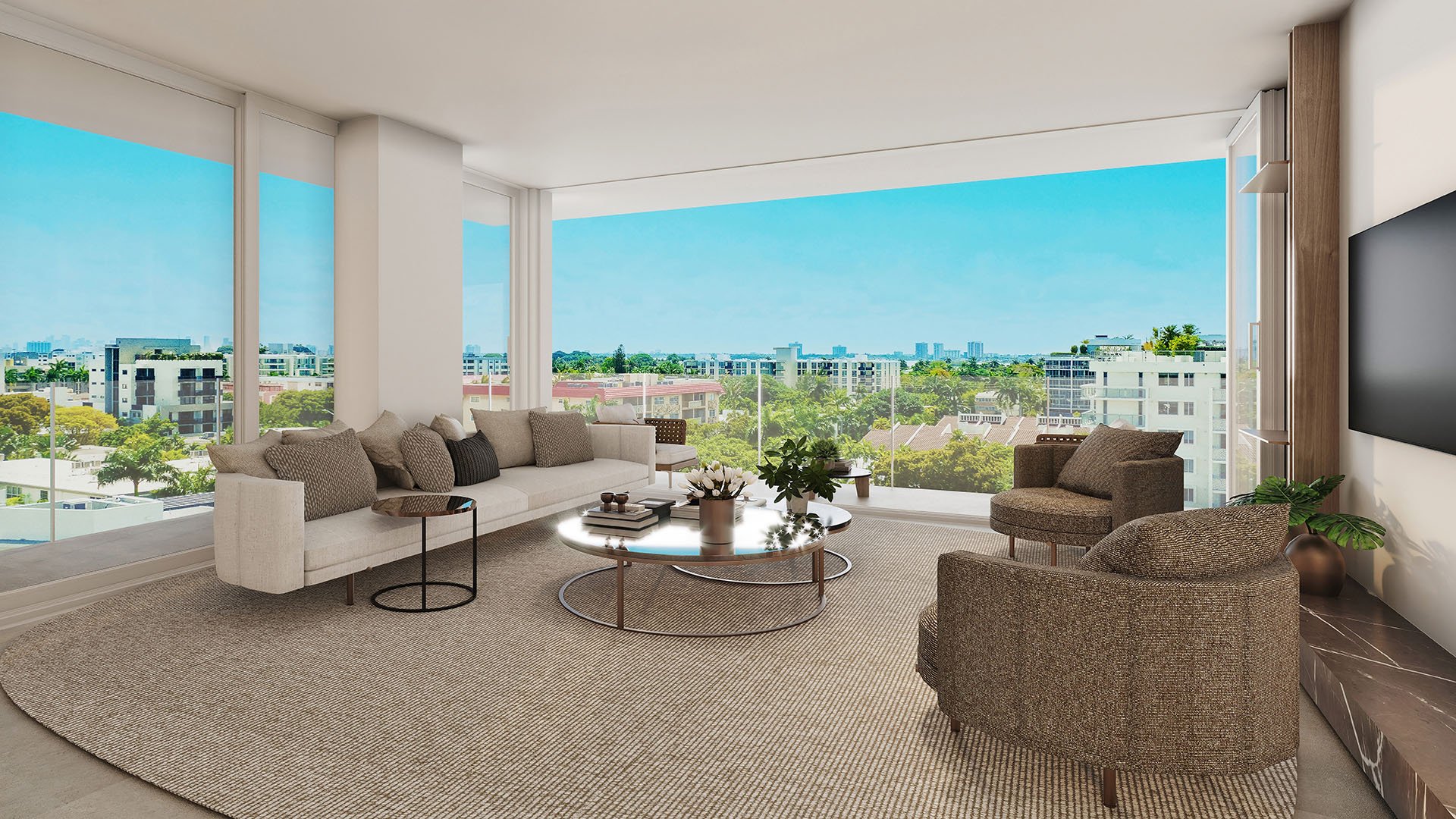
A beautifully finished residence can create immediate conviction. Stone, millwork, lighting, appliances, and carefully composed interiors make luxury tangible. Yet most can be altered, upgraded, or entirely reimagined. A line, orientation, relationship to neighboring structures, and the character of a view generally cannot.
That distinction should guide a serious acquisition strategy in Bay Harbor Islands. The disciplined buyer separates a residence into two categories: permanent attributes and replaceable ones. Permanent attributes warrant greater attention because they shape the daily experience, future differentiation, and the number of credible substitutes a later buyer may consider.
This does not make finishes irrelevant. It places them in the proper order. The strongest purchase is not necessarily the most photogenic option on the first tour. More often, it is the residence whose underlying position remains compelling long after the décor has aged.
Resale depth addresses a practical question: How many closely competing residences could confront an owner when it is time to sell? If several homes share a similar layout, elevation, exposure, and size, a future sale may invite direct comparison on price and condition. If a residence offers a harder-to-replicate combination, its competitive set may be narrower.
A proper resale review should examine both current availability and plausible future competition. Buyers should compare the exact line, not merely the building name. They should also distinguish a genuinely rare residence from one simply presented as rare.
When reviewing Alana Bay Harbor Islands, for example, the useful exercise is to map each residence under consideration against the alternatives a future purchaser might view as interchangeable. The analysis should encompass plan efficiency, exposure, elevation, outdoor space, privacy, and condition. Finishes then become an adjustment within the comparison rather than its foundation.
Two residences in the same property can deliver materially different experiences. The line determines where rooms sit, how circulation feels, what the windows frame, and whether the principal spaces receive the preferred outlook. It may also shape privacy, furnishing flexibility, and the relationship between indoor and outdoor areas.
Before being persuaded by staging, buyers should walk the plan both mentally and physically. Where does the eye travel upon entry? Does the principal living area receive the strongest exposure? Are bedrooms positioned where privacy feels natural? Can art, seating, and dining arrangements work without compromise? A generous area on paper can prove less useful than a smaller, better-resolved plan.
This plan-first discipline is equally valuable when considering Onda Bay Harbor. A property's name may define the broad search, but the exact line defines ownership. Serious buyers should request sufficient context to understand how the residence relates to other lines and what competing layouts may offer.
Waterfront positioning and a water view are distinct value propositions. One describes a relationship to the water; the other describes what is visible from specific rooms and outdoor spaces. Buyers should evaluate each independently rather than assume one guarantees the other.
View analysis is best conducted from within the residence and from multiple points in the principal rooms. Consider the seated perspective as well as the standing one. Look laterally, not only straight ahead. Note whether architectural elements, landscaping, railings, or neighboring structures dominate the frame. A compelling photograph may emphasize a narrow angle that does not reflect the everyday experience.
Durability deserves equal scrutiny. Buyers should investigate the surrounding context, ask what may change, and retain appropriate professional advisers for legal, planning, engineering, and title questions. The objective is not to predict the future with certainty, but to understand which elements of the outlook appear inherently scarce and which depend on conditions beyond the residence.
At La Maré Bay Harbor Islands, the task remains residence-specific: verify what is visible, from where, and with what degree of confidence. A view premium should follow that inquiry, not precede it.
Once the permanent attributes have been assessed, finishes can be valued more precisely. Separate cosmetic work from disruptive work. Paint and decorative lighting are fundamentally different from relocating kitchens, revising mechanical systems, or replacing extensive built-ins. Where changes are contemplated, obtain qualified estimates and account for time, inconvenience, approvals, and execution risk.
This framework prevents a renovated residence from receiving unlimited credit simply because it presents well. It also prevents an unrenovated residence with a superior line from being dismissed too quickly. For an investment-minded buyer, the essential question is whether the discount for condition adequately compensates for the work while preserving access to the stronger underlying asset.
A boutique property can sharpen this analysis because a small competitive set does not automatically create a deep market. Buyers considering The Well Bay Harbor Islands should still examine the precise residence, its alternatives, and the potential exit audience rather than rely on category labels.
The final offer should follow a clear hierarchy. First, value the line, exposure, plan, privacy, and view. Second, assess the depth of direct competition. Third, adjust for condition, renovation burden, carrying costs, and transaction-specific considerations. This creates a cleaner rationale than beginning with the asking price and negotiating by instinct.
The same discipline applies when comparing Bay Harbor Islands with Miami Beach or another South Florida luxury market. Comparable value should rest on genuinely comparable attributes, not broad prestige or surface polish. The goal is not to buy the least expensive residence. It is to avoid paying a permanent premium for a temporary advantage in finishes.
Why can line selection matter more than finishes? A line governs enduring qualities such as orientation, layout, privacy, and outlook, while many finishes can be replaced.
What does resale depth mean for a buyer? It describes the breadth of future demand and the extent of closely comparable competition a residence may face.
How should buyers compare residences in the same building? Compare exact plans, elevations, exposures, outdoor areas, privacy, condition, and views from the principal rooms.
Is a higher floor always more valuable? Not automatically. The better choice depends on the actual outlook, privacy, proportions, access, and price relationship.
How can a buyer assess view scarcity? Inspect the outlook from several positions and investigate surrounding conditions with appropriate professional guidance.
Should renovated interiors command a premium? They may justify an adjustment, but that premium should be weighed against renovation quality, personal fit, and permanent attributes.
What makes a layout resilient for resale? Efficient circulation, usable room proportions, furnishing flexibility, privacy, and strong placement of principal spaces can broaden its appeal.
Can a rare residence still be difficult to resell? Yes. Rarity alone does not establish demand, so buyers should consider the likely audience and realistic alternatives.
What should be reviewed before making an offer? Review residence-specific documents, physical condition, comparative inventory, projected work, and relevant legal or technical matters with advisers.
What is the central buying principle? Pay first for enduring position and scarcity, then make a measured adjustment for finishes and presentation.
For a discreet conversation and a curated building-by-building shortlist, connect with MILLION.
If branded residences are on your mind — as a home or as an allocation — we would be glad to share what we are seeing, privately.
Begin a quiet conversation