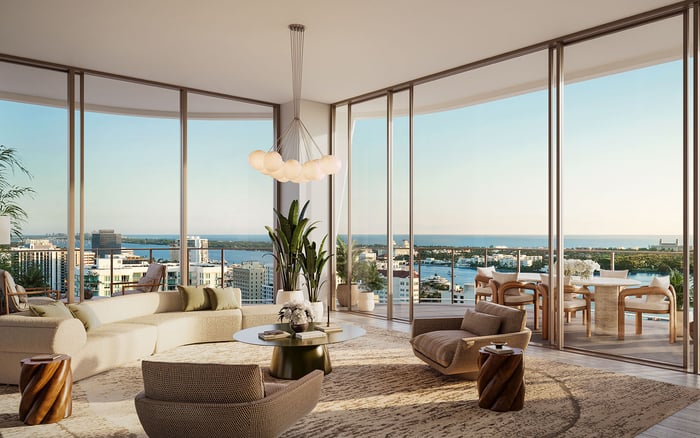
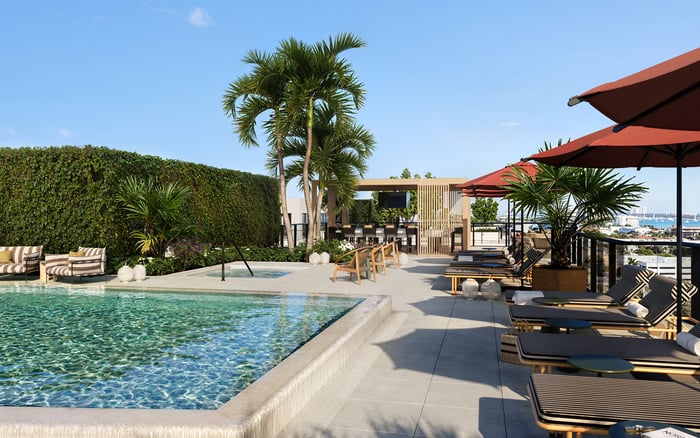
Nora House merits consideration as a focused due-diligence candidate for collectors and sustainability-minded buyers. The decisive work is verifying storage, light, humidity, materials, mechanical systems, and operating protocols before purchase.
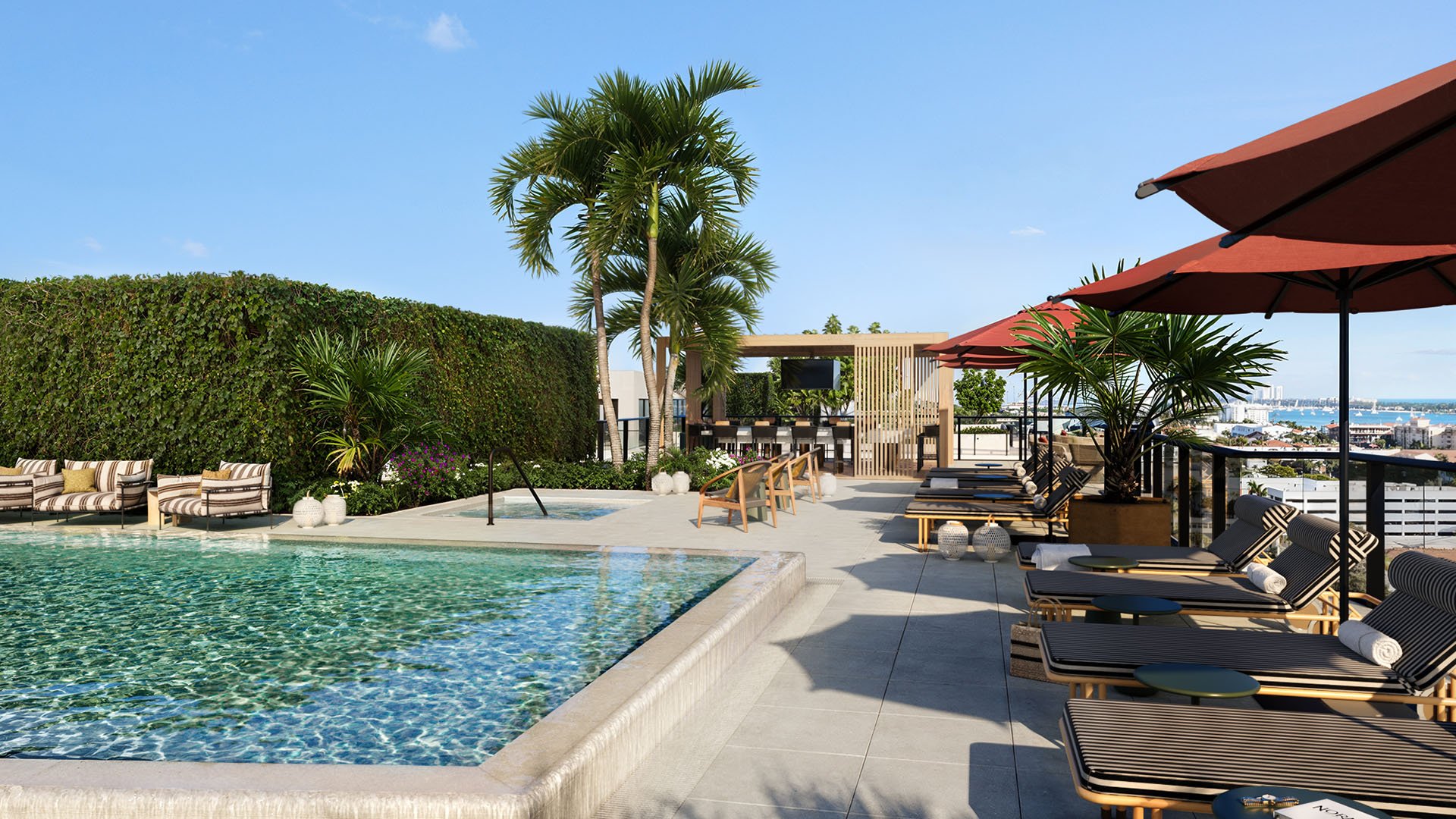
For buyers whose residence must also support a serious collection, the shortlist should begin with questions, not assumptions. Nora House West Palm Beach belongs in that initial conversation because it can be evaluated against two increasingly relevant priorities: art care and the environmental intelligence of an interior. Its inclusion is not a substitute for verification, but an invitation to conduct it rigorously.
The distinction matters. “Art storage” can describe anything from a lockable room to a professionally planned environment. “Climate-conscious” can refer to material selection, efficient systems, passive design, operating practices, or a combination of these. Discerning buyers should demand precise definitions before assigning value to either phrase.
That approach suits West Palm Beach, where the breadth of residential choice rewards disciplined comparison. The objective is not to identify the longest amenity list, but to find the home whose architecture, building systems, management procedures, and ownership costs align with how a collection will actually be held and enjoyed.
Collectors should translate their needs into a written brief before reviewing plans or specifications. Begin with the collection itself: dimensions, media, framing, sensitivity to light, preferred rotation schedule, insurance requirements, and anticipated acquisitions. A storage solution suited to sculpture may be unsuitable for works on paper, textiles, photography, or mixed media.
Ask whether any proposed storage area sits within conditioned space and how temperature and relative humidity are monitored. Review the location of plumbing lines, exterior walls, mechanical rooms, and other potential risk points. Confirm electrical continuity, access control, fire protection, leak detection, and emergency procedures. If specialized racks, cabinets, or oversized doors are required, establish whether the structure and circulation route can accommodate them.
Lighting warrants equal scrutiny. Buyers should distinguish among ambient illumination, display lighting, and conservation-minded controls. Request fixture specifications, dimming capabilities, control zones, and details of daylight exposure. UV mitigation should be documented, not inferred from the appearance of the glazing.
None of these questions presumes that Nora House provides a particular feature. Together, they define the evidence a buyer should obtain before treating the project as collection-ready.
Climate-conscious design is most meaningful when it can be traced through both construction and daily operation. For a new-construction purchase, request documentation covering glazing, insulation, air sealing, mechanical efficiency, ventilation, filtration, lighting controls, water fixtures, finish schedules, and appliance selections. Then ask how those elements work together under South Florida conditions.
Evaluate materials for durability, maintenance, indoor-air implications, repairability, and replacement cycles. A fashionable finish that requires frequent replacement may be less compelling than a quieter material with a longer useful life. Likewise, efficient equipment delivers its intended benefit only when commissioned correctly, maintained consistently, and operated with sensible controls.
This is where design and architecture intersect with ownership discipline. The strongest interior is not merely visually resolved; it makes comfort, conservation, and maintenance legible to the resident. Buyers should request operating assumptions, anticipated service requirements, warranty terms, and a clear division of responsibilities between the residence and the building.
A credible shortlist requires context. Buyers considering Nora House can assess Alba West Palm Beach using the same collection-care questions, then apply that framework to Forté on Flagler West Palm Beach. A further comparison with Mr. C Residences West Palm Beach can help distinguish project branding from the technical characteristics that matter to the buyer.
Consistency is essential. Create a scorecard covering dedicated storage potential, environmental monitoring, daylight management, security, loading and circulation, resilience planning, material transparency, mechanical controls, maintenance obligations, and modification rights. Mark each item as documented, pending, or unavailable. Do not award credit for an attractive rendering or an informal assurance.
For an investment-minded purchaser, the exercise offers another advantage. It identifies specialized improvements that may be personal to the owner and clarifies which features belong to the building, which belong to the residence, and which require separate design work. That distinction can inform budgeting, insurance conversations, and future market positioning without relying on speculative resale claims.
The most valuable review occurs before decisions become expensive to reverse. Request current plans and specifications, then engage appropriate independent advisers to assess them. An art adviser or conservator can define collection tolerances. A lighting specialist can examine exposure and controls. Mechanical and environmental professionals can determine whether the proposed systems and monitoring suit the intended use.
Governance also warrants investigation. Determine which alterations are permitted, how contractors and deliveries are handled, whether service access can accommodate large works, and which approvals apply to supplemental systems. A beautiful room may not function as intended if building rules prevent necessary modifications or installation routes are too constrained.
Finally, distinguish lifestyle preferences from conservation requirements. A boutique atmosphere, refined finishes, and discreet service may enhance daily life, but they do not independently establish environmental performance. Nora House should remain on the shortlist only if its verified documentation, physical planning, and operating framework satisfy the buyer’s brief. It is a more exacting standard-and an appropriately luxurious one.
Does Nora House have museum-standard art storage? Buyers should request written specifications and professional review before applying that description.
What should an art-storage review cover? It should address temperature, humidity, light, security, fire protection, water risk, power continuity, and access.
Is a climate-controlled room enough for valuable art? Not necessarily. Stability, monitoring, maintenance, emergency planning, and media-specific tolerances also matter.
How should buyers evaluate daylight near displayed works? Request glazing and lighting specifications, study exposure, and obtain conservation guidance for sensitive pieces.
What makes an interior climate-conscious? Look for documented performance across materials, envelope, mechanical systems, water use, controls, and operations.
Should buyers rely on renderings? No. Renderings can communicate design intent, but technical decisions should rest on plans, schedules, specifications, and contracts.
Why compare several West Palm Beach projects? A consistent comparison reveals which attributes are documented and which depend on owner modifications.
Who should review collection-related plans? Depending on the collection, buyers may consult a conservator, art adviser, lighting specialist, insurer, and mechanical professional.
What building rules can affect art installation? Alteration approvals, contractor policies, delivery procedures, elevator dimensions, service access, and working hours can all be relevant.
When should this due diligence begin? Begin before contract, while specifications, modification rights, costs, and responsibilities can still be assessed clearly.
For a discreet conversation and a curated building-by-building shortlist, connect with MILLION.
If branded residences are on your mind — as a home or as an allocation — we would be glad to share what we are seeing, privately.
Begin a quiet conversation