A discreet buyer’s framework for evaluating North Bay Village as a trophy pied-à-terre market, with focus on use case, views, building discipline, privacy, access, and resale resilience.
A trophy pied-à-terre is not purchased like a primary residence. It must perform in shorter, more concentrated intervals: a long weekend, a winter month, a family holiday, a spontaneous arrival after a late flight. In North Bay Village, the central question is not simply whether the residence is beautiful. It is whether the island supports the way a high-net-worth buyer actually intends to live.
The appeal is clear. North Bay Village sits on the mental map between Miami Beach, mainland Miami, and the broader bayfront lifestyle. Yet a trophy purchase should still be pressure-tested with discipline. The North Bay Village framework may guide a search, but ownership quality is shaped by arrival experience, water orientation, building governance, maintenance standards, privacy, and how the address feels when it is not being presented under perfect tour conditions.
For buyers accustomed to established luxury corridors, the island should be approached as a thesis. You are not only buying a residence. You are buying a rhythm, a service environment, a waterfront angle, and a future resale story.
The first exercise is personal and practical: define exactly how the residence will be used. A buyer seeking a second home for occasional escapes will evaluate storage, lock-and-leave simplicity, guest access, and staff coordination differently from someone expecting longer seasonal stays. A pied-à-terre should reduce friction. If every arrival requires complicated logistics, the residence will be admired more than used.
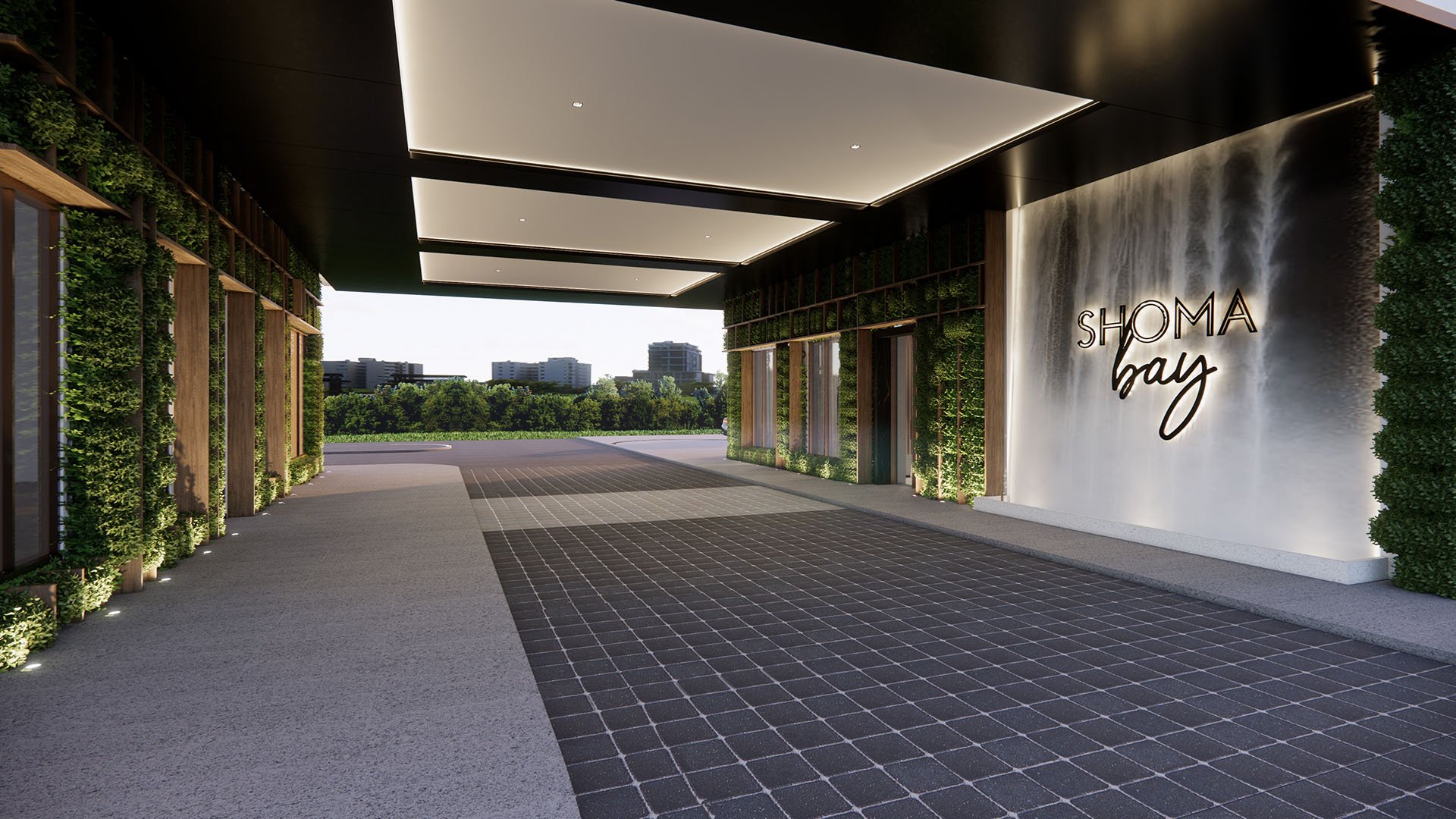
Before committing, test the full sequence. How intuitive is the drive in? How does the building receive guests? Where do packages, luggage, drivers, pets, and service providers move? Can the residence be opened, cooled, provisioned, and secured with minimal owner involvement? These questions may sound operational, but at the trophy level they become luxury questions.
A residence may have the correct finishes and still fail the owner’s cadence. The best purchase is the one that feels effortless at 10 p.m. on a Friday, not only at noon during a scheduled tour.
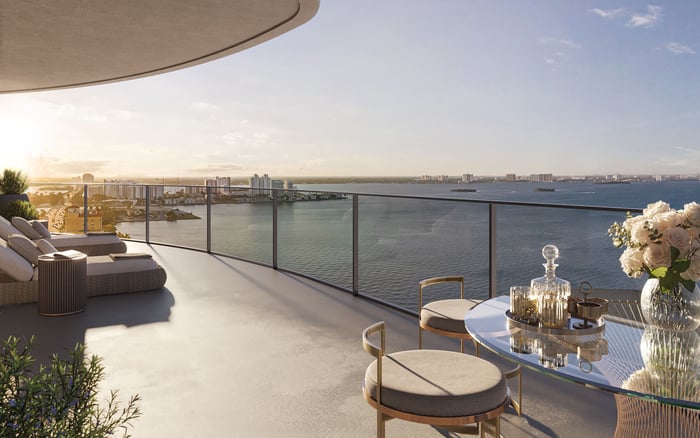
In South Florida, a view can sell the dream, but a water view must be studied with an owner’s eye. Buyers should stand in the residence at different times of day and consider glare, privacy from neighboring buildings, balcony usability, prevailing noise, and how the view changes between living areas, bedrooms, terraces, and arrival spaces.
The most desirable waterfront experience is not always the widest view. It is the view that supports daily rituals: morning coffee, evening entertaining, quiet reading, remote work, and guest impressions. For a trophy pied-à-terre, the outdoor experience should feel usable, not merely photogenic.
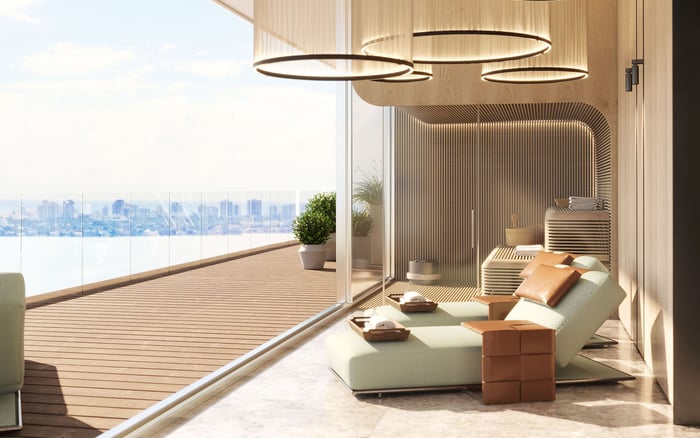
Ask whether the terrace is deep enough to function as a true room. Study sightlines from seated positions, not only from the glass. Consider whether neighboring towers, marina activity, bridge movement, or nearby rooftops affect the feeling of seclusion. A bay view should create calm, not a constant awareness of compromise.
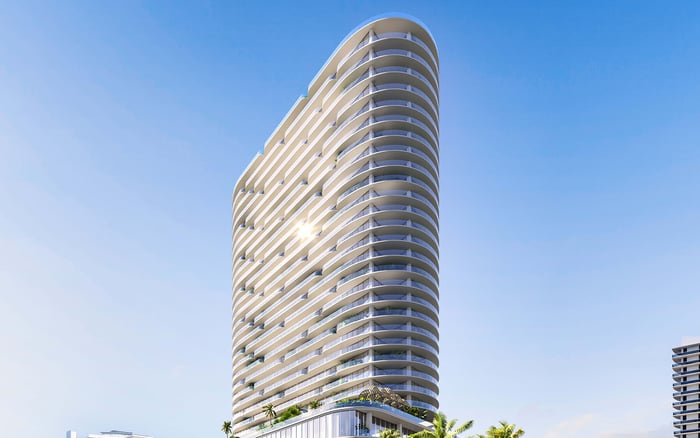
North Bay Village should be evaluated building by building. A trophy buyer should resist broad assumptions about the island and compare each residence through the lens of architecture, ownership culture, service model, parking, security, amenities, and association discipline.
When touring Continuum Club & Residences North Bay Village, the point is not only to admire the presentation. It is to ask how the project’s residential experience aligns with your desired level of privacy, hospitality, and long-term confidence. In the same way, Shoma Bay North Bay Village should be studied for how its location, circulation, amenities, and unit mix serve the way you plan to occupy the home.
A buyer considering Pagani North Bay Village should apply the same rigor: how does the building experience translate from brand impression to daily ownership? Does the residence feel discreet, intuitive, and durable? Does the service promise match the expectations of a buyer who may own in multiple cities?
A parallel review of Tula Residences North Bay Village can help clarify what matters most: boutique scale, amenity depth, view orientation, ease of access, or lock-and-leave practicality. The right comparison set prevents the buyer from overpaying for a single emotional feature.
A trophy pied-à-terre lives or dies by convenience. Buyers should visit North Bay Village during the windows in which they actually expect to use the residence: weekday mornings, weekend evenings, holiday periods, and after dinner. The goal is to experience access, sound, traffic rhythm, and the feeling of the neighborhood when it is not staged for a showing.
Privacy deserves equal scrutiny. Walk the lobby. Observe how residents and guests move through common areas. Study elevator configuration, valet flow, delivery procedures, and the level of discretion at the front desk. In a luxury residence, privacy is not only a matter of walls and glass. It is a choreography.
The island’s position can be a strength for buyers who want proximity without full immersion in the densest luxury districts. But proximity must be tested against personal habits. If you dine primarily in Miami Beach, spend days in the Design District, or keep a boat nearby, the residence should support that pattern without feeling like a compromise.
The most elegant residence can become an imperfect asset if the building is not governed well. Before buying, review association materials, reserve posture, insurance context, rental rules, pet policies, renovation procedures, guest policies, and any restrictions affecting staff, drivers, or extended family use. These details shape both enjoyment and resale.
For a trophy buyer, rental policy is not only about income. Even if the owner never rents the residence, the building’s rental culture can affect privacy, elevator traffic, wear on amenities, and the tone of ownership. Rules around renovations and combining spaces can also affect future flexibility.
Social architecture matters, too. Is the building quiet and residential, or more transient? Are amenities designed for actual use or primarily for marketing? Does the lobby feel like a private address or a public lounge? Trophy buyers often focus on finishes, but long-term satisfaction is frequently determined by the unseen etiquette of the building.
A pied-à-terre should be acquired with an exit thesis, even if the intended holding period is long. Ask what will make the residence scarce five or ten years from now. Is it the view plane, floor height, terrace scale, floor plan, parking, privacy, building brand, or a combination of these factors?
Avoid paying trophy pricing for attributes that are easily replicated. A strong view, a gracious plan, and a disciplined building can hold attention over time. Trend-driven finishes and generic amenity claims are less defensible. In an evolving market, the best residence is not simply the newest or most theatrical. It is the one whose core qualities remain legible when tastes shift.
North Bay Village can reward buyers who understand nuance. The strongest purchase will feel obvious only after the due diligence is complete: the arrival works, the view holds, the building culture fits, and the residence supports the owner’s life without explanation.
Is North Bay Village appropriate for a trophy pied-à-terre? It can be, if the buyer values bayfront living, strategic access, and a more measured residential rhythm. The key is to underwrite the exact building and use case rather than the island in general.
What should I test first during a visit? Start with arrival, parking, lobby experience, elevator flow, and the feeling of privacy. These elements reveal whether the residence will function well when you are arriving tired or hosting guests.
How important is the view? The view is central, but it should be evaluated from seated positions, bedrooms, terraces, and evening conditions. A beautiful view that lacks privacy or usability may not justify trophy pricing.
Should I compare multiple North Bay Village projects? Yes. Comparing several buildings helps separate emotional preference from durable value, especially when assessing service, scale, amenities, and waterfront orientation.
What building documents matter most? Review association rules, reserves, insurance context, rental policies, pet policies, and renovation procedures. These details influence both ownership ease and resale confidence.
Is a newer building always the better choice? Not necessarily. Newness can be attractive, but floor plan, view quality, governance, privacy, and service discipline may matter more over a long ownership horizon.
How should a buyer evaluate lock-and-leave convenience? Consider security, package handling, staff access, maintenance coordination, parking, and how easily the residence can be prepared before arrival. True convenience is operational, not cosmetic.
Do rental rules matter if I will not rent my residence? Yes. Rental culture can affect privacy, amenity wear, elevator traffic, and the tone of the building. Even non-renting owners should understand the policy environment.
What makes a pied-à-terre more resilient for resale? Scarcity of view, efficient planning, terrace usability, parking, privacy, and a respected building experience can support long-term desirability. Avoid relying only on fashionable finishes.
When should I involve an advisor? Bring in an advisor before negotiations, not after you have emotionally selected a residence. The best guidance helps compare buildings, pressure-test value, and identify hidden ownership issues.
For a discreet conversation and a curated building-by-building shortlist, connect with MILLION.
If branded residences are on your mind — as a home or as an allocation — we would be glad to share what we are seeing, privately.
Begin a quiet conversation