A discreet due diligence framework for family-office principals evaluating Bay Harbor Islands, from climate exposure and condominium governance to liquidity, privacy, lifestyle fit, and long-term stewardship.

Bay Harbor Islands is compelling because it reads quietly. It is not a loud trophy market. For a family-office principal, that discretion is central to the appeal-and exactly why the underwriting must be unusually clear. A luxury residence here should be evaluated less as a weekend indulgence and more as a multi-generational operating asset: a place with lifestyle value, governance implications, risk exposure, and eventual exit considerations.
The first question is not, “Do we love it?” The better question is, “What role will this residence play in the family system?” If it will serve as a primary home, the analysis centers on daily convenience, privacy, service routines, schools, medical access, and household staffing. If it is a second-home base, the focus shifts to lock-and-leave operations, guest protocols, ownership structure, and maintenance oversight. If it is intended as a long-hold asset for the next generation, succession planning belongs in the acquisition process before the contract is signed.
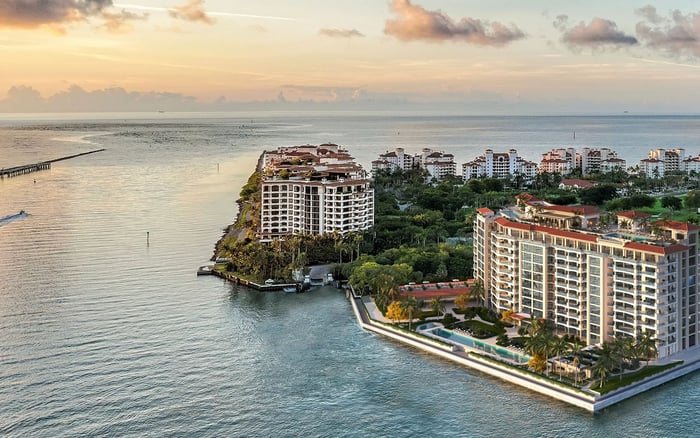
That distinction matters because Bay Harbor Islands offers different expressions of luxury. A boutique condominium such as Alana Bay Harbor Islands may appeal to a buyer seeking scale and ease, while a waterfront-oriented building profile may better suit a family that prioritizes views, calm, and a more private rhythm. The acquisition should begin with the family’s governance objectives, then move outward to property selection.
For ultra-premium buyers, climate risk is not a headline concern. It is a balance-sheet concern. Before buying, the principal’s team should request a disciplined review of flood exposure, elevation context, storm-resilience measures, mechanical placement, garage vulnerability, window and envelope condition, backup power strategy, drainage assumptions, and the building’s emergency operations protocol.
Insurance belongs in the same conversation. A polished sales presentation can make carrying costs seem secondary, but insurance availability, deductibles, exclusions, association coverage, and future premium sensitivity should be understood before lifestyle enthusiasm hardens into commitment. The point is not to predict every future scenario. It is to determine whether the property can be responsibly held through a range of market and weather conditions.
This is where a family office has an advantage. It can separate emotional desirability from operating resilience. Ask for documentation, not reassurance. Ask what has been improved, what remains exposed, what is planned, and who pays if assumptions change.
Buying into a luxury condominium is not simply buying air rights and finishes. It is entering a shared financial and governance structure. Bay Harbor Islands buyers should review budgets, reserves, maintenance history, insurance arrangements, meeting minutes, pending capital needs, litigation posture, architectural controls, rental policies, pet rules, guest access, security protocols, and the board’s decision-making culture.
The principal should know whether the association is conservative, reactive, undercapitalized, or unusually well run. A beautifully designed residence can become frustrating if the governance culture does not match the family’s standards.
Projects such as Bay Harbor Towers should be evaluated not only for design and position, but also for how the building’s ongoing stewardship supports a high-net-worth owner’s need for predictability. The same discipline applies to La Maré Bay Harbor Islands, where the question is not merely whether the residence feels rare, but whether the total ownership environment is structured for long-term confidence.
Family-office principals often have teams that can analyze private equity, credit, art, aviation, and operating businesses. Residential real estate deserves the same rigor. Building age, structural condition, major system life, façade maintenance, elevator performance, roof condition, waterproofing, seawall context where relevant, and mechanical infrastructure should be reviewed by appropriate specialists.
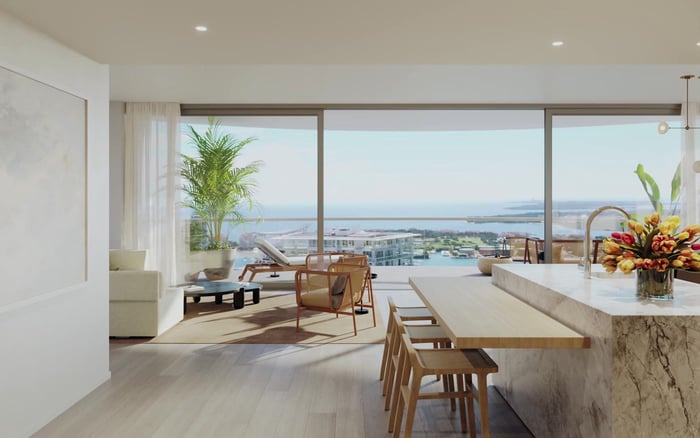
A luxury finish package can distract from the underlying asset. Marble, millwork, lighting, and views are visible. Reserve strength, waterproofing history, and mechanical redundancy are less theatrical, but often more important. The test is simple: if the residence were stripped of its staging and marketing language, would the building still satisfy the family’s risk committee?
For new construction, the diligence shifts. Review delivery risk, warranty framework, developer obligations, association turnover, operating budget assumptions, and how early ownership years may differ from stabilized years. For existing buildings, focus on inspection depth, assessment history, deferred maintenance, and the likelihood of future capital calls.
Bay Harbor Islands may not behave like larger, more liquid luxury submarkets. That can be part of its charm, but it must be acknowledged. A family office should ask how deep the buyer pool may be for a particular residence type, floor plan, view corridor, building scale, parking arrangement, outdoor space, and amenity package.
Liquidity is not only a resale question. It is also a family-flexibility question. If the next generation prefers Bal Harbour, Miami Beach, Sunny Isles Beach, or a single-family estate environment, will the Bay Harbor Islands residence still serve the family? If the principal eventually wants to consolidate residences, how easily can the asset be repositioned?
This is where product differentiation matters. Onda Bay Harbor may speak to buyers who want a more intimate residential environment, while The Well Bay Harbor Islands should be evaluated against household routines, wellness priorities, guest expectations, and long-term resale narrative. The right purchase is not the one with the most adjectives. It is the one whose buyer universe remains understandable.
The most successful luxury residences are operationally quiet. For principals, that means looking beyond the unit and into the lived experience: elevator privacy, service access, package handling, valet flow, household staff arrival, guest screening, contractor rules, pet logistics, storage, vehicle capacity, and security posture.
Family governance should also be explicit. Who is authorized to use the residence? Can adult children host guests? Are short-term visitors permitted by family policy, even if the building allows them? Who approves design changes? Who pays special assessments? Is the residence held directly, through an entity, or as part of a broader estate plan?
These questions may feel administrative, but they preserve harmony. A residence bought for pleasure can create friction if access rights, expense sharing, succession, and privacy boundaries remain vague. The family office should create a written operating plan before closing, not after the first disagreement.
Before making an offer, prepare a concise investment and lifestyle memo. It should include the intended use case, ownership structure, total carrying-cost estimate, insurance review, condominium governance summary, building-condition findings, climate exposure notes, liquidity thesis, household operations plan, and principal risks. Include a clear recommendation: proceed, renegotiate, monitor, or pass.
This discipline does not remove romance from the acquisition. It protects it. Bay Harbor Islands works best for buyers who understand why they are there, how the asset will be used, and which risks they are willing to own. For family-office principals, the most elegant purchase is not simply the residence that photographs beautifully. It is the residence that remains coherent after counsel, advisors, family members, and future market conditions have all had their say.
What is the first question a family-office principal should ask before buying in Bay Harbor Islands? Define the residence’s role in the family system, whether primary home, second home, legacy hold, or lifestyle asset.
Why is condominium governance so important in Bay Harbor Islands? Governance affects budgets, reserves, rules, capital planning, insurance, privacy, and the quality of daily ownership.
Should climate exposure be reviewed before making an offer? Yes. Flood context, storm resilience, mechanical placement, drainage, and insurance assumptions should be reviewed early.
How should buyers evaluate newer projects? Review delivery risk, warranty language, association turnover, operating assumptions, and the path from opening year to stabilized ownership.
How should buyers evaluate older buildings? Focus on reserves, maintenance history, inspections, major systems, assessment risk, and the association’s capital planning culture.
Is lifestyle fit as important as financial underwriting? For family offices, yes. Privacy, staffing, guest use, access protocols, and generational preferences can shape long-term satisfaction.
How should liquidity be considered? Evaluate how broad the future buyer pool may be for the building, floor plan, views, amenities, and ownership structure.
Should Bal Harbour alternatives be part of the comparison? Yes, if the family is weighing lifestyle, services, brand preferences, or future flexibility across nearby luxury environments.
What should be included in a pre-offer decision memo? Include use case, ownership structure, carrying costs, climate review, governance findings, building condition, and exit thesis.
When should family governance documents be discussed? Before closing, so use rights, expense responsibilities, succession, and approval authority are clear from the start.
For a tailored shortlist and next-step guidance, connect with MILLION.
If branded residences are on your mind — as a home or as an allocation — we would be glad to share what we are seeing, privately.
Begin a quiet conversation