Smart-home cybersecurity is becoming a quiet but material part of luxury condo ownership, shaping diligence, operations, resale confidence, and the real cost of South Florida waterfront living.
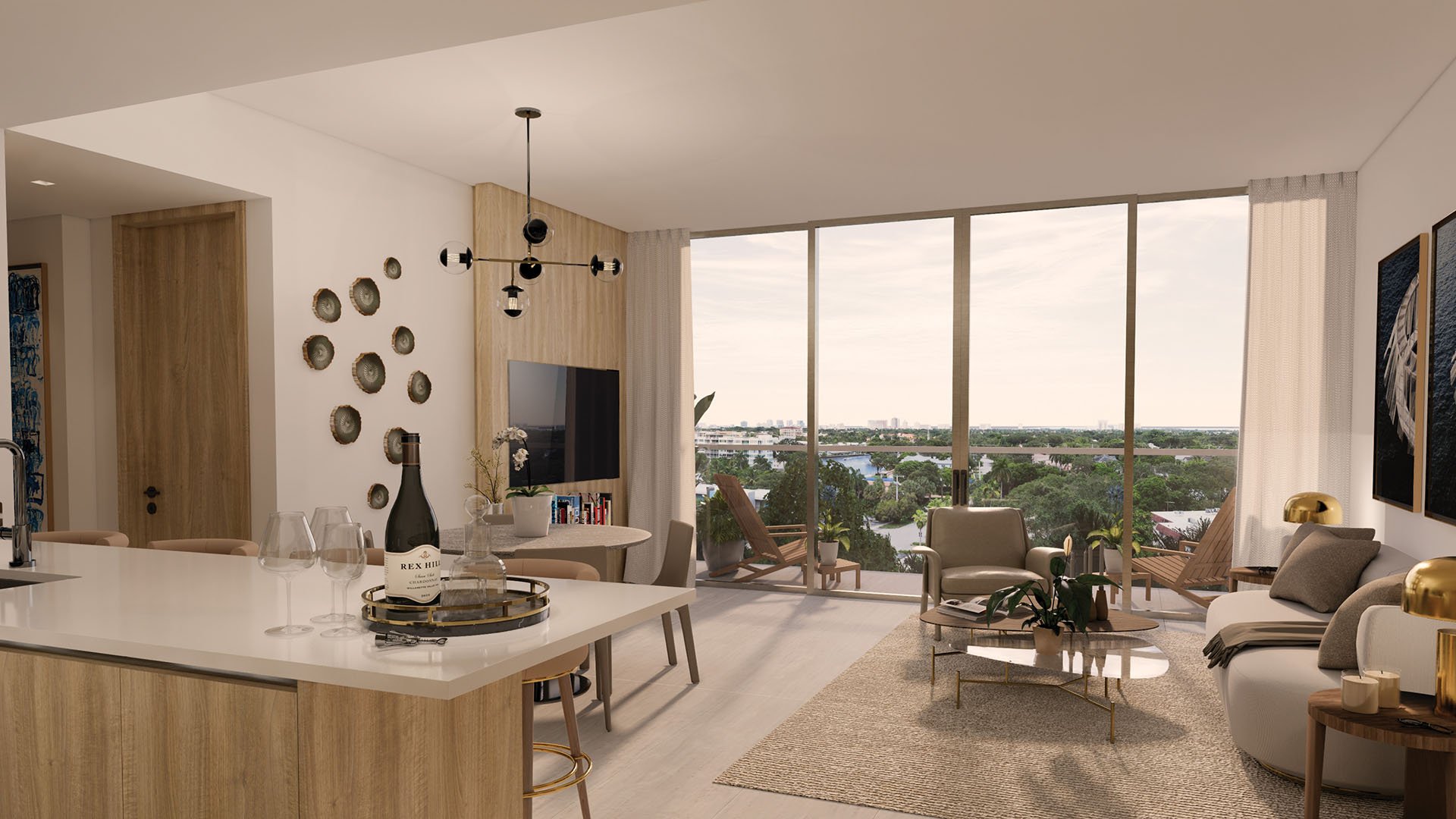
For a South Florida waterfront condo buyer, the most scrutinized costs are usually visible: purchase price, association dues, insurance, reserves, finishing allowances, private storage, valet, marina access, and the premium attached to a protected waterview. Yet one increasingly important line item sits behind the walls and within the app ecosystem: cybersecurity for the smart-home systems that make a residence feel effortless.
In an ultra-premium apartment, convenience is rarely isolated. Lighting, shades, climate, access, audio, security cameras, elevators, package systems, amenity reservations, and building communications may all touch some form of connected infrastructure. The experience can be elegant, particularly in a residence designed for seamless arrival and remote control. But elegance does not eliminate exposure. It simply makes that exposure quieter.
That is why cybersecurity belongs in the same conversation as millwork, glazing, acoustic privacy, generator capacity, and service staffing. A buyer comparing a bayfront home at Una Residences Brickell with an ocean-oriented lifestyle in Miami Beach is not just comparing views and finishes. The buyer is also inheriting a digital operating environment that may affect privacy, maintenance, future upgrades, and eventual resale confidence.
The real cost of a waterfront condo is the cost of owning it well. Cybersecurity can influence that figure in several ways: pre-closing diligence, professional configuration, ongoing monitoring, hardware replacement, software updates, vendor coordination, family-office oversight, and the time required to make the home secure without making it cumbersome.
A smart residence that is poorly configured can require a buyer to spend more after closing than expected. Passwords may need to be reset, user permissions rebuilt, guest access redesigned, cameras reviewed, network equipment replaced, or entertainment systems separated from security systems. None of these items needs to be dramatic to matter. In a luxury setting, the issue is not simply whether the technology works on day one. It is whether the technology can be trusted, maintained, and transferred cleanly.
Waterfront ownership can add another layer because many owners use these residences seasonally or as part of a multi-home portfolio. A home controlled remotely must be dependable when the owner is away. If a residence relies on remote access for climate, leak detection, entry permissions, or vendor scheduling, weak digital hygiene becomes more than a technical inconvenience. It becomes an operational risk.
Buyers should separate two categories of exposure. The first sits inside the residence: the private network, devices, controls, cameras, tablets, mobile apps, and any third-party integrators retained by the owner or seller. The second is association-wide: shared entry systems, amenity technology, elevators, package rooms, parking access, building Wi-Fi, staff communication tools, and resident portals.
The distinction matters because the buyer controls one directly and influences the other through association governance. In a boutique waterfront building, a conversation with management may reveal how service providers are selected, how credentials are handled, and whether technology changes are treated as capital planning rather than afterthoughts. In a large tower, the question may be whether the association has a disciplined process for access permissions, software updates, vendor transitions, and incident response.
This is not a reason to avoid connected buildings. Quite the opposite. The most refined South Florida residences often rely on technology to deliver privacy, speed, and discretion. A buyer considering The Perigon Miami Beach or another high-design coastal address should simply treat the digital layer as part of the residence’s architecture.
Cybersecurity diligence should begin early, because the answers can influence contract language and closing logistics. The buyer’s team should ask who installed the smart-home system, who currently administers it, what platforms are used, whether original documentation exists, and what must be transferred, reset, or replaced at closing.
The most valuable question is often simple: who has access now? Former owners, household staff, contractors, integrators, property managers, leasing agents, guests, and family members may all have received digital permissions over time. In a residence with cameras, door controls, climate systems, and private elevators, access history matters.
Buyers should also ask whether the residence uses a dedicated network for critical systems, whether guest Wi-Fi is separated, whether default credentials have been changed, and whether software updates are actively managed. If the seller cannot answer, that is not necessarily a deal issue. It may simply become a post-closing budget item.
In Brickell, Miami Beach, Sunny Isles Beach, Fort Lauderdale, and other luxury coastal markets, the strongest buyer representatives increasingly understand that a beautiful handover includes more than keys, fobs, and appliance manuals. It includes administrative control of the home’s digital life.
The practical goal is not to turn a private residence into an enterprise server room. It is to preserve the lifestyle the buyer paid for. A secure smart-home environment should feel calm. The owner should know who can unlock the residence, who can view cameras, which devices are active, and how systems will be updated without disrupting daily life.
This is especially relevant for buyers who entertain frequently, travel often, or employ staff. The more people who interact with a residence, the more important it becomes to assign permissions thoughtfully. Housekeepers may need entry at specific times. Yacht crew may need parking access. A chef may need temporary access before an event. Guests may need Wi-Fi, but not the same network that supports cameras or residence controls.
In a tower such as St. Regis® Residences Sunny Isles, the ownership experience is naturally tied to service, discretion, and ease. The digital layer should reinforce that promise. It should not create uncertainty over who can see, enter, adjust, or interrupt the private home.
Association governance can influence the long-term cost of technology. If a building treats access systems and connected amenities as permanent infrastructure, owners may benefit from cleaner procedures, clearer budgeting, and fewer surprise transitions. If technology is handled informally, owners may face future special projects, vendor changes, or inconsistent protocols.
A buyer should review board materials, management practices, and planned technology upgrades with the same seriousness applied to structural, mechanical, and financial matters. The question is not whether a building uses technology. Nearly every luxury building does. The better question is whether the building manages technology with the formality expected of a premium asset.
In Fort Lauderdale, where waterfront living often intersects with boating, valet operations, beach access, and private service routines, the operational layer can be particularly meaningful. A residence at Four Seasons Hotel & Private Residences Fort Lauderdale may appeal to a buyer who values hospitality-caliber convenience. That convenience works best when digital access and human service are aligned.
Cybersecurity may not appear as a separate value line in a listing presentation, but it can shape buyer perception. A residence with organized system documentation, clean administrative transfer, updated equipment, and clear vendor support feels easier to own. A residence with unknown passwords, fragmented apps, aging hardware, and ambiguous access rights feels less complete.
For sellers, a pre-listing digital audit can be a quiet advantage. It can reduce friction during diligence and help present the home as meticulously maintained. For buyers, the same audit can distinguish between a polished residence and one that will require immediate operational attention.
This is where real cost becomes strategic. A buyer may accept a premium for a rare waterview, private terrace, or coveted address. But if two residences feel similar, the one with cleaner digital stewardship can feel more rational, more private, and more move-in ready.
Before signing, ask for an inventory of connected systems and the parties who maintain them. Before closing, require transfer or reset of administrative credentials. After closing, create separate networks for owner, guest, staff, and critical systems where appropriate. Establish a trusted technology contact who can update systems without unnecessary access to personal information.
Also consider whether household protocols match the home’s sophistication. Guest codes should expire. Staff access should be role-based. Cameras should be reviewed for privacy. Remote access should be limited to people who genuinely need it. Documentation should be stored securely and updated when vendors change.
The most elegant approach is proactive, not paranoid. A well-secured waterfront condo should feel as intuitive as a perfectly lit entry gallery. The owner should not need to think about the technology every day. The work is done so the home can disappear into the background and perform.
Does cybersecurity really change the cost of a luxury condo? Yes. It can add diligence, configuration, monitoring, upgrade, and vendor-management costs that are easy to overlook during negotiation.
Should buyers review smart-home systems before making an offer? They should raise the topic early, especially if access, cameras, climate, shades, audio, or elevators are controlled through connected systems.
What is the most important closing-day cybersecurity step? Administrative control should be transferred or reset so prior owners, contractors, and temporary users no longer have access.
Can association technology affect a private owner? Yes. Building access, amenities, resident portals, and shared systems can influence convenience, privacy, and future association costs.
Is a smart-home audit only for older condos? No. Newer residences can also require review because setup quality, permissions, documentation, and vendor access vary.
Should guest Wi-Fi be separate from residence controls? In a sophisticated home, separation is prudent because guests do not need access to the same network that supports core systems.
How does cybersecurity matter for seasonal owners? Seasonal owners often rely on remote access, staff coordination, and alerts, making secure configuration especially important when they are away.
Can better cybersecurity help resale? It can support buyer confidence by making the residence feel organized, well maintained, and easier to assume after closing.
Who should handle the technical review? A qualified smart-home or network professional should coordinate with the buyer’s advisor, attorney, and property-management contacts.
Is the goal to remove smart-home technology? No. The goal is to preserve convenience while ensuring access, privacy, and system control are managed with discipline.
For a confidential assessment and a building-by-building shortlist, connect with MILLION.
If branded residences are on your mind — as a home or as an allocation — we would be glad to share what we are seeing, privately.
Begin a quiet conversation