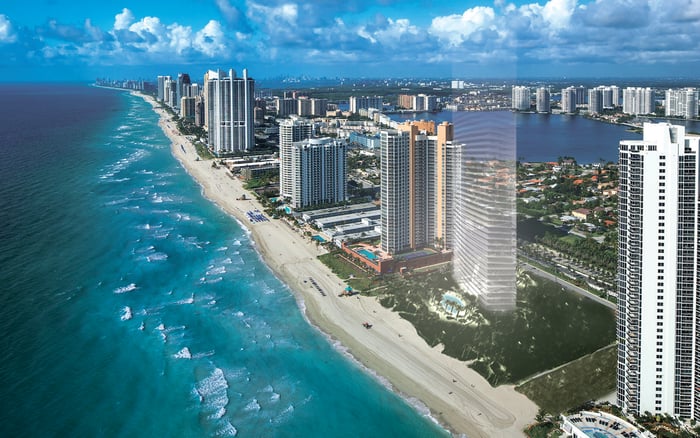
A discreet buyer’s guide for Dallas relocations evaluating South Florida homes through the lens of wine storage, mechanical resilience, humidity control and backup cooling.
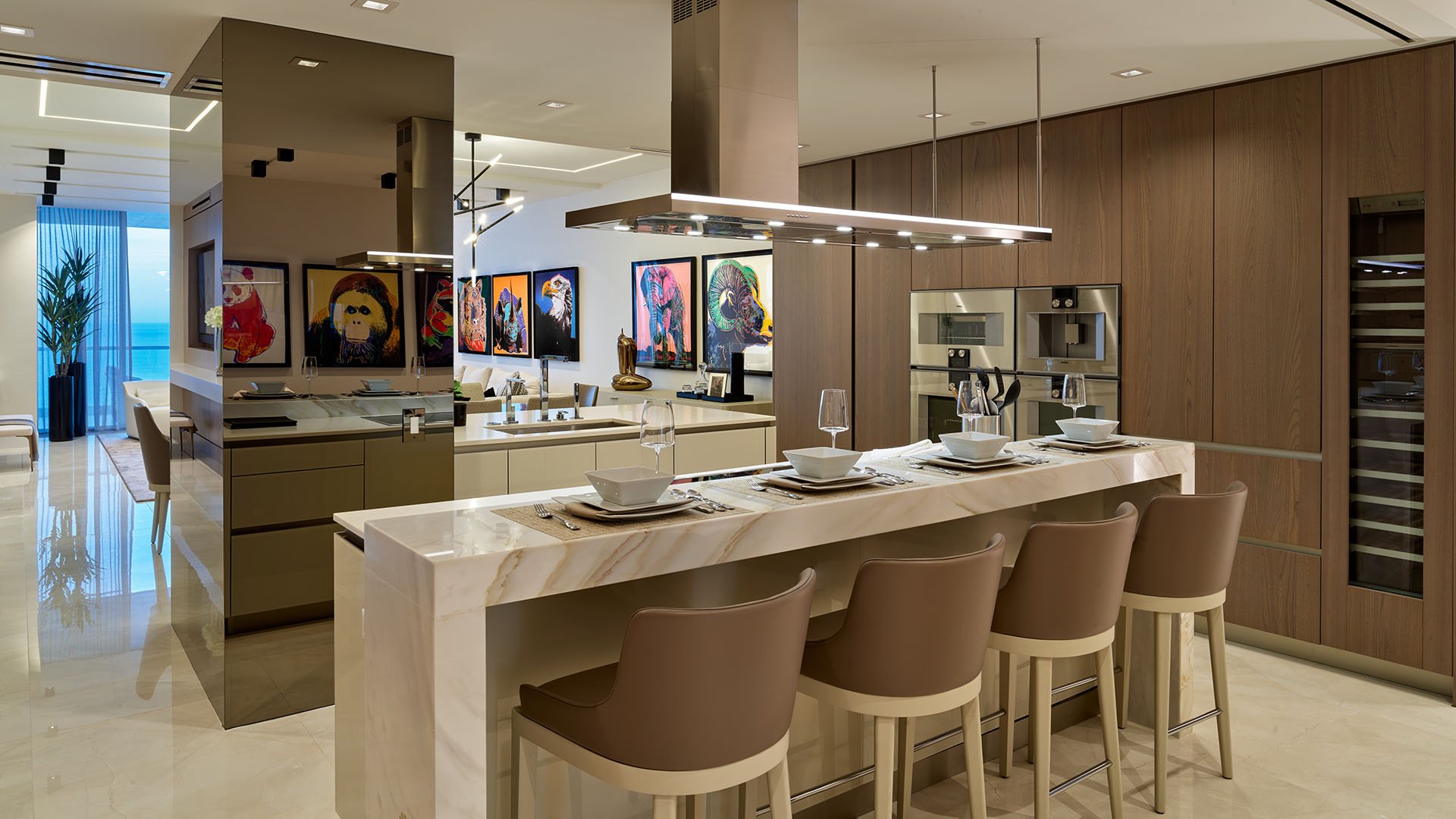
For a Dallas collector moving to Miami Beach, the question is rarely whether a home has space for wine. It is whether the residence can protect that wine quietly, consistently and elegantly when South Florida’s coastal conditions test every mechanical assumption.
In Dallas, a serious collection may live in a dedicated room, a conditioned garage conversion or a lower-level storage area. In South Florida, the conversation changes. Basements are uncommon, high-rise living introduces building-wide rules, and waterfront exposure makes humidity control a design priority rather than a finishing detail. A wine wall that photographs beautifully is not enough. The better question is whether the residence has the envelope, power strategy and service access to support the collection over time.
This is why wine storage and backup cooling belong at the beginning of the search, not after the contract. For buyers comparing Miami Beach, Brickell, Sunny Isles Beach and Coconut Grove, the strongest purchase is often the one where lifestyle and infrastructure are already aligned.
Before touring, define the collection in practical terms: daily-drinking bottles, investment-grade bottles, large formats, wooden cases, display bottles and long-hold allocations. Each category affects room size, racking depth, access patterns and cooling redundancy.
A small showpiece wall in a dining room may suit entertaining inventory. It is not the same as a protected cellar for a serious collection. A buyer with a meaningful cellar should look beyond the glass and ask where the mechanical equipment sits, how it is accessed, how heat is rejected and whether the system can be serviced without disturbing finished interiors.
In Miami Beach, a residence such as The Perigon Miami Beach may appeal to buyers seeking a polished oceanfront environment, but the wine conversation should still be specific. Ask where a future wine room could be located, what penetrations are permitted, how condensate would be handled and whether association rules affect equipment placement.
“Backup cooling” can mean several different conditions. It may refer to whole-home generator support, partial-load generator support, chilled-water continuity in a condominium, battery-assisted resilience or a dedicated backup plan for a wine room. These are not interchangeable.
A home can have backup power and still not support every air-conditioning load. A condominium can have robust common-area systems while private-unit cooling depends on separate equipment or building rules. A single-family estate can offer greater control, but it also places more responsibility on the owner to maintain equipment, fuel strategy and service relationships.
For wine, the point is not simply comfort after a storm. The point is protecting a narrow interior environment if the main system is interrupted. Buyers should ask whether the wine system has dedicated circuits, whether it is included in the backup plan and whether there is an agreed service protocol if the owner is away.
Luxury condominium living can be exceptionally convenient for collectors, but it requires disciplined questions. Confirm whether a dedicated wine room is treated as an interior improvement, a mechanical alteration or both. Review rules around coring, waterproofing, condensate lines, electrical loads, equipment noise and after-hours service access.
The most elegant solution is usually the most integrated one. A wine room near a kitchen, gallery, private elevator foyer or service corridor may look effortless, but only if the cooling equipment has a logical path. Buyers touring Shore Club Private Collections Miami Beach should approach the discussion as a design and engineering review, not as a decorative upgrade.
In Brickell, vertical living adds another layer: elevator logistics, loading dock access, association approvals and unit-specific mechanical limitations. A buyer considering The Residences at 1428 Brickell should ask early how custom storage, specialty cooling and backup priorities are handled within the building’s overall framework.
Single-family homes offer the broadest freedom for wine collectors. They can allow dedicated rooms, detached storage concepts, equipment separation and generator planning tailored to the owner. They also demand closer inspection.
Look for evidence of proper conditioning, not just attractive finishes. The ideal wine space is insulated, sealed, monitored and separated from the ordinary rhythms of the house. A glass enclosure near a sunny wall or warm kitchen may require more mechanical effort than expected. A beautiful room without a vapor-conscious strategy can become an expensive compromise.
In Coconut Grove, Coral Gables, Pinecrest and select waterfront enclaves, buyers should evaluate whether the home’s existing electrical capacity, mechanical zones and service areas can support a cellar without awkward retrofit work. The same applies to waterfront homes, where exposure, access and storm planning all deserve careful review.
Miami Beach buyers should focus on building rules, humidity management, service access and realistic backup expectations. Oceanfront living is seductive, but it is also a place where mechanical discipline matters. For collectors, the best residences pair the glamour of the water with quiet infrastructure behind the walls.
Brickell buyers should treat the inquiry as a vertical-systems review. Ask what the building supports, what the unit controls and where a dedicated wine system fits within both. The convenience of an urban tower can be excellent, provided the wine room is planned within the limits of the building rather than forced into it later.
Sunny Isles Beach buyers often prioritize views, scale and privacy. A buyer evaluating Bentley Residences Sunny Isles should still bring the conversation back to cooling, backup priorities and long-term serviceability. A premium address does not eliminate the need for mechanical clarity.
Coconut Grove buyers may find more flexibility in boutique buildings and single-family settings. The tradeoff is that each property must be assessed on its own merits. A shaded, private home with thoughtful systems can be more cellar-friendly than a larger house where cooling was never designed around sensitive storage.
The strongest buyers ask technical questions before emotional attachment takes over. Is there space for a dedicated wine room? Can the location be insulated and sealed properly? Where will equipment be placed? Is the equipment accessible for service? Is condensate managed safely? Is the wine system on dedicated electrical service? What cooling loads are supported during a power interruption? Who maintains the backup system? How quickly can a technician access the property if the owner is traveling?
These questions are not unromantic. They are what make the romance durable. A great South Florida residence should let a collector host, travel and live beautifully without wondering whether a prized cellar is depending on luck.
Wine storage should feel like part of the architecture. In the best homes, it is neither hidden as an afterthought nor overexposed as a trophy. The room may be a quiet library of bottles, a dining-adjacent jewel box or a climate-controlled gallery that anchors an entertaining sequence.
The key is restraint. Glass, lighting and stone can all be used beautifully, but they should serve the collection rather than stress it. A Dallas buyer accustomed to generous interior space may need to think more vertically and mechanically in South Florida. The reward is a home that feels coastal and effortless while performing with the precision of a private club.
Should Dallas buyers assume a Miami Beach wine room works like one in Texas? No. South Florida homes should be evaluated with closer attention to humidity, building rules, equipment access and backup cooling priorities.
Is a decorative wine wall enough for a serious collection? Usually not. A serious collection deserves dedicated conditioning, monitoring and a plan for service and power interruptions.
Can a condo support a custom wine room? It may, but buyers should confirm association rules, mechanical pathways, electrical capacity, condensate handling and approval requirements before purchase.
What should I ask about backup cooling? Ask which loads are supported, whether the wine system is included, how long support is intended to function and who maintains the equipment.
Are single-family homes better for wine collectors? They can offer more control, but they also require the owner to manage generator planning, maintenance and mechanical design.
Where should a wine room be placed? Favor locations with stable conditions, practical service access, limited heat exposure and a clean path for cooling equipment.
Should wine storage be reviewed before making an offer? Yes. It is easier to evaluate feasibility, cost and approvals before the buyer is committed to a specific property.
Do waterfront homes need extra scrutiny? Yes. Exposure, service access, storm planning and interior moisture control should all be part of the review.
Is Brickell practical for wine collectors? It can be, especially when the building and unit plan support custom cooling, service logistics and clear backup priorities.
What is the most important takeaway for Dallas relocations? Choose the home around infrastructure first, then refine the design so the cellar feels effortless and secure.
If you'd like a private walkthrough and a curated shortlist, connect with MILLION.
If branded residences are on your mind — as a home or as an allocation — we would be glad to share what we are seeing, privately.
Begin a quiet conversation