For luxury buyers, restaurant access is not a small lifestyle footnote. It can reshape the choice between Miami’s public energy and Palm Beach’s more private rhythm.
For a certain South Florida buyer, the question is no longer only whether a residence offers water views, privacy, service, or architectural merit. It is also whether the surrounding lifestyle is usable before the owner is a regular, a member, a hotel guest, or known by name. Restaurant access for nonresidents can shape how a home lives day to day, especially for buyers weighing Miami against Palm Beach.
This is not a small convenience. Dining is where guests are hosted, introductions are made, children return for holidays, and second-home owners compress a season of social life into a few carefully chosen evenings. If a buyer cannot count on seamless access to the right rooms, the address may feel less effortless than its price suggests.
In Miami, the conversation often centers on openness, variety, and the ability to move between neighborhoods. In Palm Beach, it becomes more nuanced, with privacy, familiarity, and social continuity carrying greater weight. Neither model is superior. The right answer depends on whether a buyer wants the city to feel immediately available, or prefers a quieter world where access is often built through relationships over time.
Miami tends to attract buyers who want the city’s social life to remain in motion around them. The dining decision is often part of a broader lifestyle equation: how quickly one can move from residence to dinner, how easily guests can be entertained, and whether the neighborhood supports spontaneous plans rather than carefully sequenced ones.
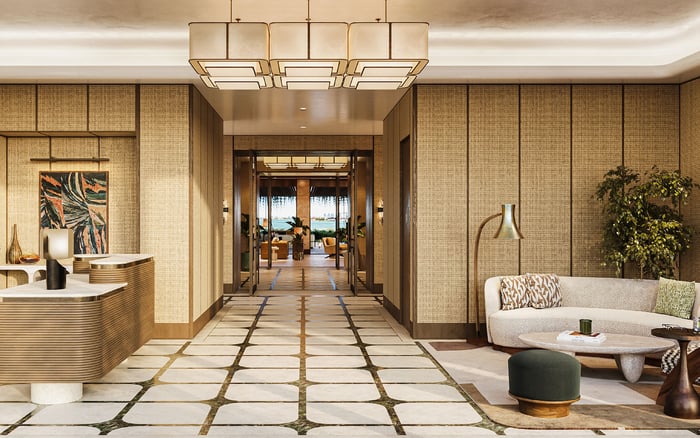
For buyers considering Brickell, the appeal is not simply financial-district convenience. It is the sense that an evening can be assembled from nearby options without crossing into a different social ecosystem. A residence such as Cipriani Residences Brickell belongs in that conversation because the buyer is weighing the rhythm of a high-service urban address alongside access to a larger city dining circuit.
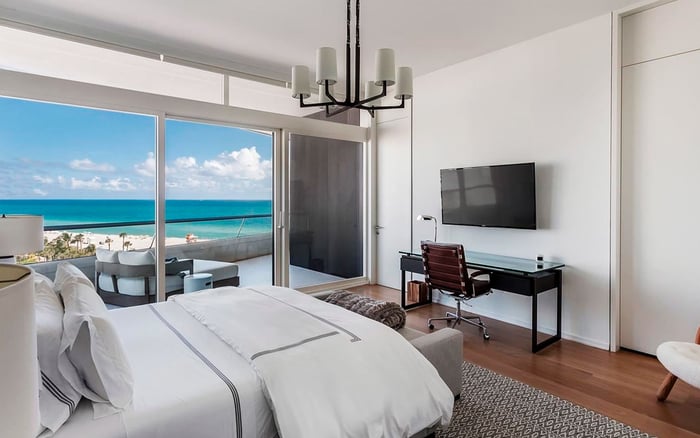
Miami Beach adds another layer. For some owners, the attraction is proximity to a coastal dining culture that can feel more resort-like, more visible, and more connected to visiting friends. A buyer studying 57 Ocean Miami Beach or The Perigon Miami Beach is often not only comparing floor plans. The buyer is also asking whether evenings can feel relaxed, scenic, and socially fluid without becoming logistically complicated.
Miami’s key advantage is psychological as much as practical. The city can feel easier for nonresidents because its luxury lifestyle is often experienced through hotels, restaurants, residences, cultural events, and neighborhood movement. That openness matters to owners who entertain varied guest lists, travel frequently, or prefer not to rely on a single club, dining room, or seasonal routine.
Palm Beach raises a different question. Here, dining access is not merely about getting a table. It is about whether the buyer wants a more intimate social architecture, one in which recognition, repetition, and discretion are part of the value proposition. For many, that is precisely the point.
A Palm Beach buyer may be less interested in testing a new dining room every night and more interested in knowing where the evening will feel composed. The decision can favor owners who prize calm arrivals, familiar faces, and a degree of separation from the more performative aspects of South Florida luxury life. The tradeoff is that nonresident access can feel more dependent on timing, introductions, and personal networks.
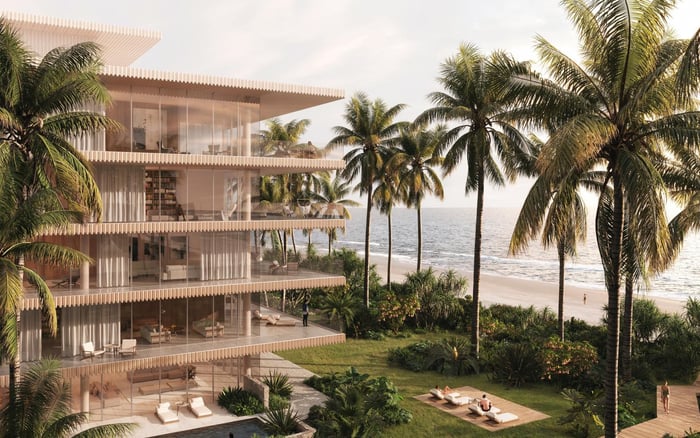
This does not make Palm Beach restrictive in a negative sense. It makes the lifestyle more intentional. Buyers considering Palm Beach Residences are often looking at a different daily cadence than buyers in Miami. The restaurant question becomes part of a larger preference for privacy, slower pacing, and a social world that rewards consistency.
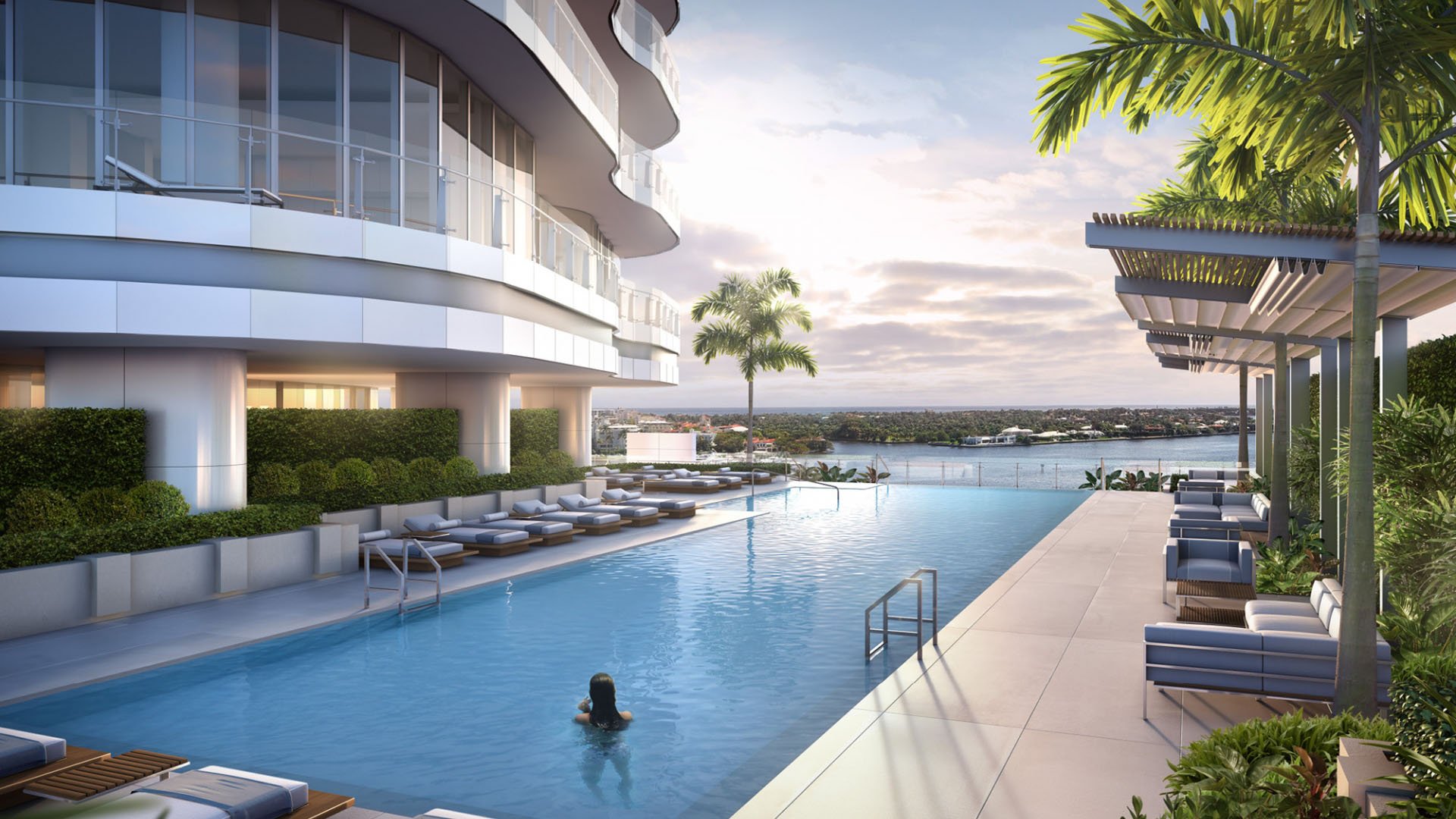
The same consideration applies just across the bridge in West Palm Beach. The area can appeal to buyers who want proximity to Palm Beach while retaining a different residential and urban pattern. A project such as Alba West Palm Beach may enter the conversation for those who want waterfront living near the Palm Beach orbit, while still evaluating how often they expect to dine on the island versus in the surrounding city.
The most useful inquiry is not, “Where are the best restaurants?” It is, “How will I actually use them?” A seasonal owner who entertains extended family may need easy reservations, flexible arrival times, and dining rooms comfortable with guests who are not part of the local social fabric. A full-time resident may care more about developing a reliable routine.
Buyers should ask how often they dine out, how many guests they usually host, whether they prefer public energy or private recognition, and whether access should be immediate or cultivated. They should also consider transportation patterns. A restaurant that looks close on a map may not feel convenient if the evening involves valet timing, bridges, security gates, or guests arriving from multiple parts of South Florida.
This is where Miami and Palm Beach separate most clearly. Miami can be more forgiving for the buyer who wants choice and motion. Palm Beach can be more rewarding for the buyer who values familiarity and restraint. The real estate decision should follow the lifestyle pattern, not the other way around.
Restaurant access can alter the meaning of location. A buyer may pay a premium for a residence that reduces friction before and after dinner, even if the unit itself is similar to another option. In practical terms, the residence becomes a base for hosting, not only a private retreat.
In Miami, this may push buyers toward walkable or short-drive neighborhoods with a broad hospitality ecosystem. In Palm Beach, it may push them toward addresses that support a quieter, more established routine. The distinction is especially important for second-home buyers who arrive for short periods and want the property to perform immediately.
The best advisors will not treat dining as a superficial amenity. They will understand it as a proxy for access, privacy, social fit, and ease. For high-net-worth buyers, the wrong dining ecosystem can make even a beautiful residence feel underused.
Why does restaurant access matter in a luxury home search? It affects how easily owners can entertain, host guests, and enjoy the surrounding lifestyle without friction.
Is Miami generally better for nonresident restaurant access? Miami may suit buyers who value variety, spontaneity, and a more open hospitality environment.
Is Palm Beach better for privacy-focused buyers? Palm Beach may appeal to buyers who prefer discretion, familiarity, and a more relationship-driven social rhythm.
Should second-home owners weigh dining access differently? Yes. Shorter stays make convenience, reservation ease, and guest logistics more important.
Does Brickell work for buyers who dine out often? Brickell can appeal to buyers who want an urban base connected to Miami’s broader dining and social life.
Does Miami Beach offer a different dining lifestyle than mainland Miami? Miami Beach often feels more coastal and resort-oriented, which may suit buyers who entertain visiting guests.
How should buyers compare Palm Beach and West Palm Beach? Palm Beach may feel more private, while West Palm Beach can offer proximity with a different urban rhythm.
Can restaurant access affect resale appeal? It can, because lifestyle convenience is part of how many luxury buyers evaluate an address.
Should buyers prioritize restaurants over the residence itself? No. Restaurant access should support the residence choice, not replace fundamentals such as design, views, and service.
What is the most important question to ask before choosing? Ask whether you want immediate access to a broad scene or a quieter lifestyle built through consistency.
If you'd like a private walkthrough and a curated shortlist, connect with MILLION.
If branded residences are on your mind — as a home or as an allocation — we would be glad to share what we are seeing, privately.
Begin a quiet conversation