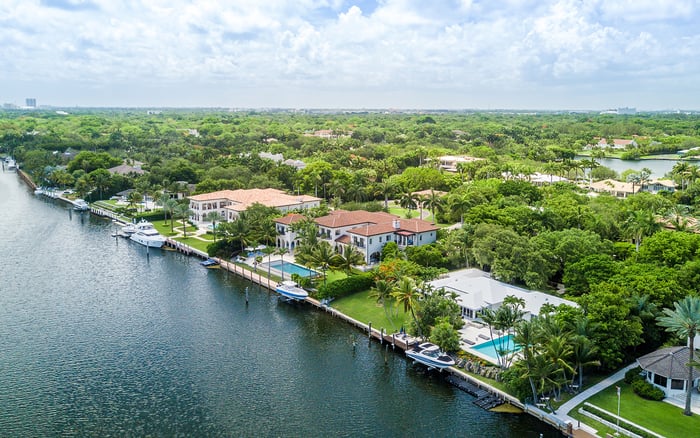
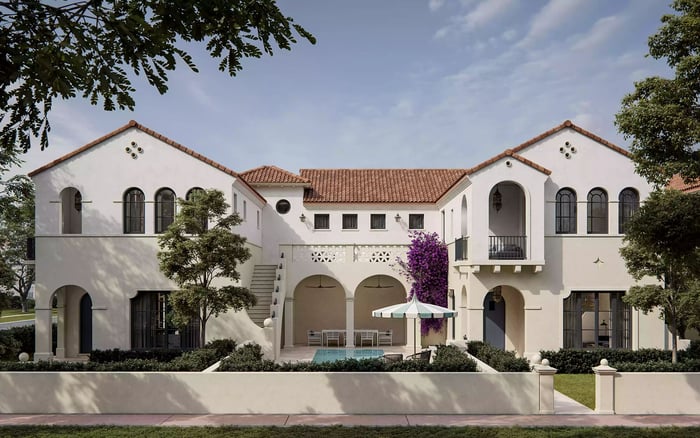
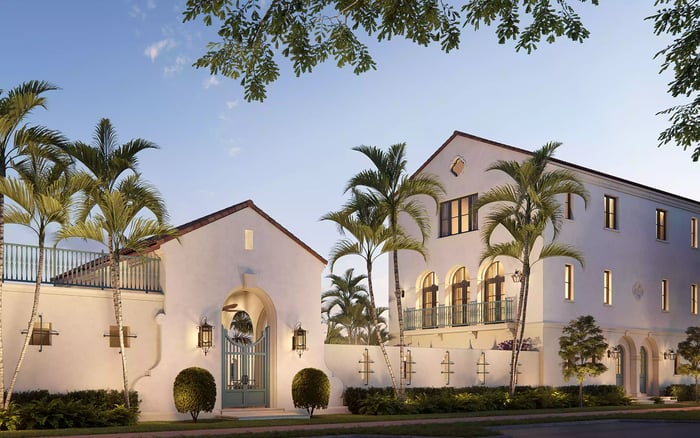
A discreet buyer’s guide for São Paulo families and investors comparing wellness-led living in Coral Gables, Coconut Grove, Brickell, and select South Florida enclaves.
For a São Paulo buyer, the move into South Florida is rarely just about a second address. It is about a change in tempo. The familiar vocabulary of private clubs, international schools, family offices, art, security, and refined hospitality remains intact, but the daily setting becomes lighter, greener, and more open to the water.
Coral Gables answers that brief with unusual poise. It offers a residential mood that feels established rather than performative, with tree-lined streets, Mediterranean architectural cues, dining, culture, and proximity to Miami’s business and airport corridors. For buyers accustomed to the layered intensity of São Paulo, the Gables can feel like a quieter chapter without sacrificing access.
A wellness-led residence, however, should not be read as a marketing phrase. At the upper end of the market, it is a practical standard: how the home handles light, air, sound, privacy, movement, recovery, service, and routine. The best purchase is not necessarily the one with the longest amenity menu. It is the one that makes life feel more ordered from Monday morning to Sunday evening.
A wellness-led residence begins with the plan. Natural light should reach the rooms where the family actually spends time. Bedrooms should feel protected from entertaining zones. Outdoor space should be usable, not merely decorative. Kitchens, staff circulation, storage, parking, and the arrival sequence matter because they determine whether the residence supports calm or quietly adds friction.
For Brazilian buyers, the question often extends to multigenerational use. Can grandparents visit comfortably? Is there room for staff support or extended family stays? Can teenagers move independently without compromising privacy? A beautiful residence that does not answer these questions may feel less luxurious over time.
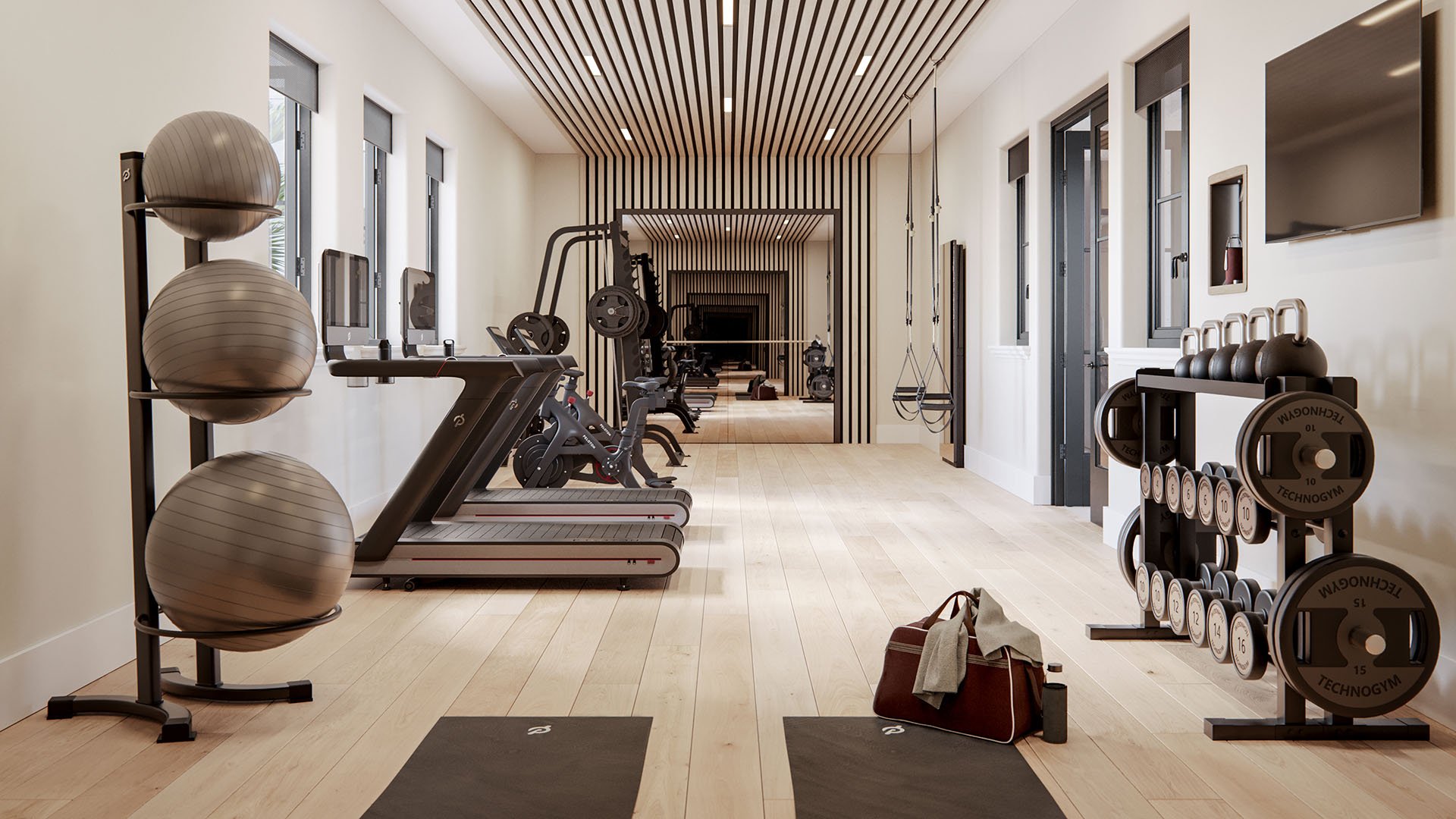
Amenities deserve the same disciplined reading. A gym is not the same as a wellness environment. A spa is not the same as a recovery culture. Look for spaces that support frequency, not just occasional display: places to train, decompress, swim, stretch, work privately, and receive guests without turning the home into a lobby.
Coral Gables is compelling because it offers balance. It sits close enough to Miami’s commercial life to remain practical, yet its residential identity feels slower and more grounded. That distinction matters to buyers who want South Florida access without living inside a constant resort atmosphere.
In this context, Ponce Park Coral Gables represents the type of address a buyer may study when seeking a Gables-centered routine with a contemporary residential lens. The appeal is less about spectacle and more about location intelligence, scale, and the ability to move through the day with fewer compromises.
Another Gables option to consider is The Village at Coral Gables, particularly for buyers drawn to a more neighborhood-oriented sensibility. The larger lesson is simple: in Coral Gables, wellness is often expressed through walkability, greenery, architectural cohesion, and a feeling of permanence rather than overt flash.
For search purposes, Coral Gables is not merely an area label. It signals a lifestyle choice: composed, residential, culturally fluent, and often better suited to families who want Miami nearby, not surrounding them at every hour.
Coral Gables should be compared with neighboring lifestyles rather than isolated on a map. Coconut Grove offers another soft landing for international buyers, especially those who value canopy, marinas, schools, restaurants, and a village-like rhythm. A project such as The Well Coconut Grove speaks directly to buyers who place wellness at the center of the residential decision while still wanting a setting with history and texture.
Coconut Grove also tends to appeal to buyers who want a subtropical, less formal feeling. It can be more relaxed than the Gables, yet still highly cultivated. The choice between the two is often emotional: Coral Gables feels ordered and classic, while the Grove feels organic and intimate.
Brickell is different. It is for buyers who want financial district energy, vertical living, restaurants, offices, and an urban lock-and-leave pattern. A wellness-focused buyer considering Brickell may look at House of Wellness Brickell when the priority is convenience paired with a health-oriented residential identity. Brickell works best when the buyer genuinely wants city movement below the elevator, not when they are trying to recreate a quiet Gables lifestyle in a taller building.
Bay Harbor Islands offers another variation: quieter, water-adjacent, and more residential in tone than many central Miami neighborhoods. The Well Bay Harbor Islands may be relevant for buyers who want wellness branding in a calmer enclave, with access to beaches and Bal Harbour nearby.
Before committing, spend time in the residence at different hours. Morning light can be persuasive, but afternoon heat, evening traffic, and weekend patterns reveal the truth. Ask how the building handles arrivals, guests, deliveries, pets, service providers, and parking. Luxury is often found in the absence of small annoyances.
For new construction, study the plan with particular care. Renderings can seduce, but room proportions, ceiling heights, terrace depth, elevator configuration, and storage will shape the lived experience. If the residence is intended for extended stays, test it as a home, not as an image.
Privacy is another defining issue. São Paulo buyers are often sophisticated about security and discretion, and South Florida offers many different models: boutique buildings, gated-feeling enclaves, full-service towers, and low-density residential streets. The right answer depends on whether the buyer values anonymity, social access, hotel-style service, or family quiet.
Finally, consider resale logic without letting it dominate the purchase. A wellness-led residence should have enduring appeal because it solves real lifestyle needs. Still, the most resilient choices tend to combine location, floor plan, service quality, architectural coherence, and a neighborhood with an identity strong enough to outlast a design cycle.
Begin with routine. Where will you wake, train, work, receive friends, host family, and decompress? Which airport routes matter? How often will you drive to Brickell, Miami Beach, schools, clubs, or the office? Wellness is not abstract when measured against a calendar.
Then define the residence type. A Coral Gables buyer may want a refined low-rise or townhouse feel. A Coconut Grove buyer may accept more informality in exchange for greenery and village life. A Brickell buyer may want vertical efficiency and immediate urban access. A Bay Harbor buyer may want calm, water proximity, and a smaller-community feeling.
The best purchase will feel intuitive after rigorous questioning. It will not ask the family to perform a lifestyle they do not actually live. It will make health, privacy, and beauty easier to repeat.
What defines a wellness-led residence? It is a home that supports daily health through light, air, privacy, movement, rest, and efficient service. The best examples make well-being feel natural rather than staged.
Why do São Paulo buyers often consider Coral Gables? Coral Gables offers a composed residential environment with access to Miami’s business, cultural, and travel corridors. It can feel calmer than denser urban districts.
Is Coral Gables better than Coconut Grove? Neither is universally better. Coral Gables feels more classical and ordered, while Coconut Grove is often more relaxed, leafy, and village-like.
Should I prioritize amenities or floor plan? Prioritize the floor plan first. Amenities can enhance life, but the private residence determines daily comfort.
Does Brickell make sense for a wellness-led buyer? Yes, if the buyer wants urban convenience and a vertical lifestyle. It is less ideal for someone seeking quiet streets and a purely residential rhythm.
How should families evaluate privacy? Study elevator access, lobby sequence, guest protocols, terrace exposure, and service circulation. Privacy is created by design and operations together.
Is new construction always the best choice? Not always. New residences can offer modern systems and amenities, but proportion, location, and execution still matter more than novelty.
What should international buyers test during visits? They should test commute patterns, light, noise, parking, service flow, and neighborhood rhythm. A residence should be experienced at several times of day.
How many neighborhoods should a buyer compare? Three or four is usually enough for clarity. Coral Gables, Coconut Grove, Brickell, and Bay Harbor often create a useful contrast.
What is the most important final test? Ask whether the residence makes your real routine easier, calmer, and more beautiful. If it does, the wellness thesis is working.
For a discreet conversation and a curated building-by-building shortlist, connect with MILLION.
If branded residences are on your mind — as a home or as an allocation — we would be glad to share what we are seeing, privately.
Begin a quiet conversation