A practical luxury buyer’s guide to judging whether a North Miami terrace will feel comfortable, furnished, shaded, and livable after closing, rather than simply impressive on a floor plan.
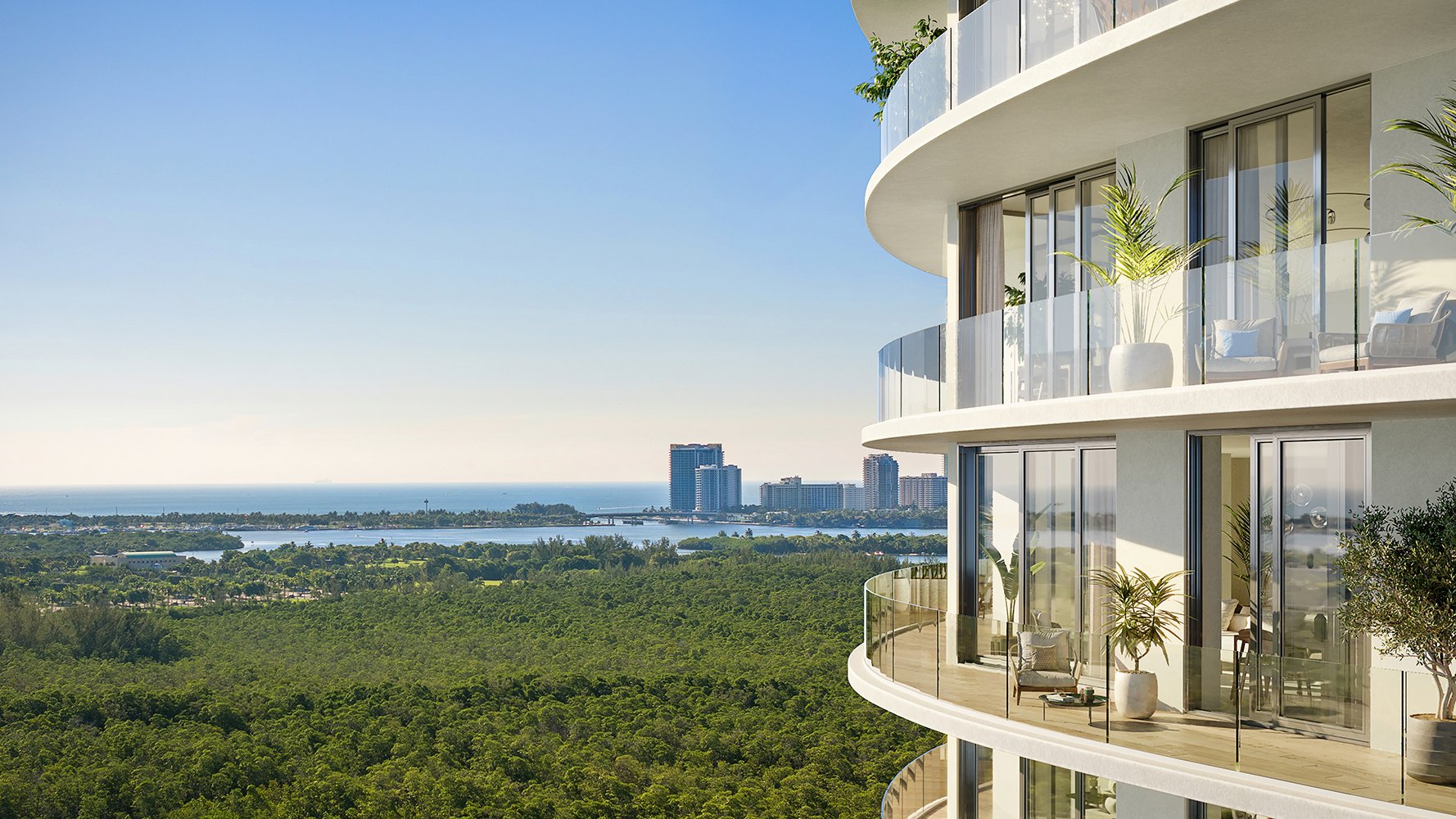
In North Miami, a terrace can become the emotional center of a residence. It frames morning coffee, a late-day drink, lingering dinners, and the quiet hour when the city softens. Yet the terrace that photographs beautifully is not always the terrace that lives beautifully. Heat, wind, glare, privacy, and furniture logic can turn a generous outdoor footprint into a space used only in brief intervals.
For a luxury buyer, the question is not simply whether a home has outdoor space. The question is whether that outdoor space can support the life you imagine. The discipline is to separate visual drama from daily comfort, and to test the terrace as carefully as you would test the kitchen, primary suite, or building services.
A terrace decision should begin with use. Will the space host seated dinners, quiet reading, children, pets, yoga, or a cigar after sunset? A balcony can be lovely as a perch, but a true outdoor room needs depth, shade, circulation, and wind comfort. In a waterfront or waterview setting, the visual premium may be obvious. The livability premium requires closer study.
Buyers often step onto a terrace, admire the exposure, and assume the rest will solve itself with furniture. In South Florida, that is rarely the most disciplined approach. Sun angle, reflected light, surface materials, ceiling coverage, adjacent glass, and the depth of any overhang all shape how a terrace feels at different moments of the day.
Visit more than once if possible. A morning showing can flatter a terrace that becomes difficult in the afternoon. A late-day visit can conceal midday intensity. If repeat visits are not possible, ask direct questions about where the sun hits, which zones are shaded, and whether the main seating area remains comfortable during the hours you would actually use it.
Depth matters. A narrow ledge may count as outdoor space, but it may not accommodate a dining table, lounge chairs, plantings, and walking clearance at the same time. Measure the usable rectangle, not just the total outline. Corners, columns, doors, drains, and railing setbacks can reduce practical furnishing area. A terrace that supports fewer, better pieces may live more elegantly than a larger one with awkward pinch points.
Material choices also deserve attention. Dark flooring, reflective finishes, and unprotected glass can intensify perceived heat. Ask what is delivered, what may be altered, and what the association or building documents permit. Shading solutions should be considered before contract, not treated as a decorative afterthought.
Wind is more nuanced than height. A lower terrace may feel exposed if it sits in a channel between buildings, while a higher terrace may feel surprisingly calm if protected by massing, setbacks, or a thoughtful railing condition. Buyers should avoid assuming that a premium view automatically translates into a premium outdoor experience.
Stand where you would actually sit. Do not judge wind only from the doorway. Walk to the dining zone, the lounge edge, and the corners. Notice whether conversation feels easy, whether cushions would stay in place, and whether a door can open without force. If the terrace is unfurnished, imagine the wind moving around the pieces you plan to bring.
Railings matter in ways that are easy to overlook. Glass may preserve the view, but its height, gaps, and detailing influence the sense of protection. Solid parapets can feel more sheltered, but may change the seated view. The best condition is not universal. It depends on how the terrace is positioned, how the residence is oriented, and how the owner expects to use the space.
For buyers considering One Park Tower by Turnberry North Miami, the outdoor evaluation should be as specific as the interior evaluation: where will you sit, when will you be there, and what will the air feel like when the view is no longer a novelty?
A usable terrace is planned from the inside out. The door swing, living room alignment, kitchen proximity, and primary suite access all influence whether the outdoor space becomes part of daily life. If the terrace requires a circuitous path or disrupts furniture placement indoors, it may be used less than expected.
Think in zones. A dining zone needs enough depth for chairs to move. A lounge zone needs shade and a sense of enclosure. A planting zone needs access for care. A grill, if permitted, requires rules, clearances, and ventilation. None of these choices should be improvised after closing.
Privacy is equally important. A terrace may be technically large but visually exposed to neighboring balconies, amenity decks, or adjacent towers. Consider seated privacy, not just standing privacy. Sit down during the showing. If you feel watched while seated, the terrace may not deliver the calm you expect.
Noise should also be part of the inspection. Wind can carry sound, and a terrace facing a lively corridor may suit some owners better than others. The goal is not silence. The goal is alignment between the atmosphere of the terrace and the rhythm of the household.
North Miami buyers often compare terrace value with adjacent bayfront and island markets, where outdoor living is also central to the purchase decision. The exercise is useful because it reveals your real priorities. Are you buying for open views, shade, privacy, boating adjacency, skyline drama, or a quieter residential cadence?
A buyer looking at North Miami may also study Continuum Club & Residences North Bay Village to understand how different water orientations affect the feeling of outdoor space. In Bay Harbor Islands, residences such as La Baia North Bay Harbor Islands and Onda Bay Harbor can help frame the distinction between view, exposure, and terrace intimacy.
The right comparison is not merely price per interior square foot. It is price per usable lifestyle moment. If one terrace is comfortable for breakfast, sunset, and weekend entertaining, while another is mainly a visual amenity, the difference will be felt long after the closing dinner.
Before committing, ask for the terrace plan, dimensions, allowable furniture guidelines, flooring rules, shading restrictions, lighting limitations, planter requirements, and any restrictions on heaters, fans, kitchens, or audio. If the residence is new construction or pre-completion, ask how the delivered condition differs from renderings and model staging.
Bring a tape measure or have your advisor confirm usable clearances. Sketch furniture at real dimensions, including chair movement and service paths. Confirm whether drains, columns, hose bibs, outlets, and lighting are placed where they support your intended use. A terrace that requires constant compromise may not be the bargain it first appears to be.
Finally, be honest about your habits. If you rarely sit outside during the day, prioritize evening comfort, lighting, privacy, and wind protection. If you work from home and imagine open-air calls, test glare, sound, and shade. If entertaining is the priority, the terrace should connect naturally to the kitchen and living room, with enough room for guests to move without crowding the railing.
What makes a terrace truly usable in North Miami? Usability depends on shade, depth, wind comfort, privacy, furniture fit, and how naturally the terrace connects to the interior living areas.
Should I visit a terrace at more than one time of day? Yes. Morning, midday, and late afternoon conditions can feel very different, especially when sun exposure and glare are central to comfort.
Is a larger terrace always better? Not necessarily. A smaller terrace with good proportions and shade can live better than a larger space interrupted by awkward corners or exposure.
How should I evaluate wind during a showing? Stand and sit where furniture would go, then notice whether conversation, door operation, and cushion placement would feel comfortable.
Do glass railings affect terrace comfort? They can influence the feeling of protection and the seated view, so buyers should evaluate both visibility and comfort rather than focusing on appearance alone.
What should I ask before buying pre-construction? Ask for terrace dimensions, delivered finishes, railing details, shading rules, lighting provisions, and any restrictions on outdoor furnishings or equipment.
Can shading be added after closing? Sometimes, but it depends on building rules and design limitations. Buyers should confirm what is permitted before relying on future modifications.
How important is furniture planning? It is essential. Real dimensions for tables, lounges, chairs, and circulation paths reveal whether the terrace supports the intended lifestyle.
Should waterfront views outweigh terrace comfort? Not automatically. A beautiful view has lasting value, but the most satisfying terrace is one you can comfortably use often.
What is the best buyer strategy? Treat the terrace as a functional outdoor room, test its conditions carefully, and compare it with nearby residences through a daily-use lens.
For a confidential assessment and a building-by-building shortlist, connect with MILLION.
If branded residences are on your mind — as a home or as an allocation — we would be glad to share what we are seeing, privately.
Begin a quiet conversation