A buyer-focused guide to assessing South Flagler residences for comfort, access, systems, staffing, and daily routines when storm conditions interrupt normal life.
For a South Flagler buyer, the most important residence is not always the one that photographs best at golden hour. It is the one that remains composed when the weather is difficult, the day is interrupted, and the building must perform quietly in the background. Storm-day livability is not a fear-based checklist. It is a luxury due diligence discipline.
The question is simple: if a storm changes your routine for a day or two, can you still live with comfort, privacy, and order? Buyers often evaluate views, finishes, terraces, valet approach, and amenity programming with great care. Storm-day review asks for that same level of attention to infrastructure, staffing, access, storage, and building protocols.
This is where the purchase conversation becomes more mature. A South Flagler residence should be judged not only by its most glamorous hour, but by its least convenient one.
Before comparing buildings, define your own routine. A primary resident, seasonal owner, family with children, frequent traveler, and owner with staff will each have a different threshold for livability. The right building is the one that supports your household rhythm when outside conditions are imperfect.
Ask practical questions. Where will groceries be delivered if arrival patterns change? How will pets be walked? Can household staff enter efficiently? Is there a comfortable place to wait if transportation is delayed? Will older family members need assistance moving between the residence, lobby, parking, and amenities?
Buyers looking at South Flagler House West Palm Beach, Forté on Flagler West Palm Beach, or other South Flagler options should consider a simple exercise: walk the entire arrival sequence as though it were raining hard, you were carrying bags, and you wanted to reach the residence without drama. That walk will reveal more than a brochure ever can.
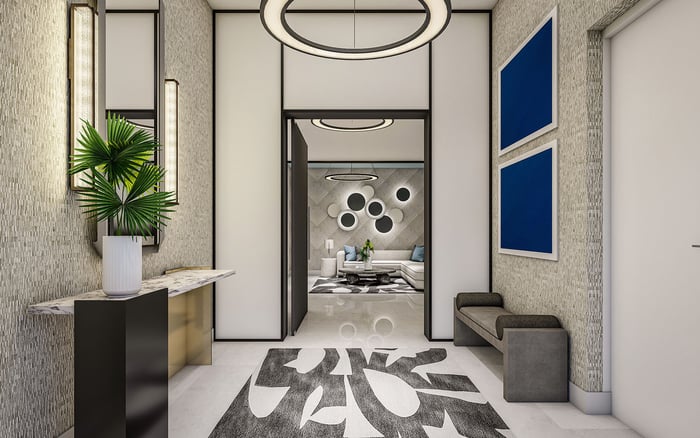
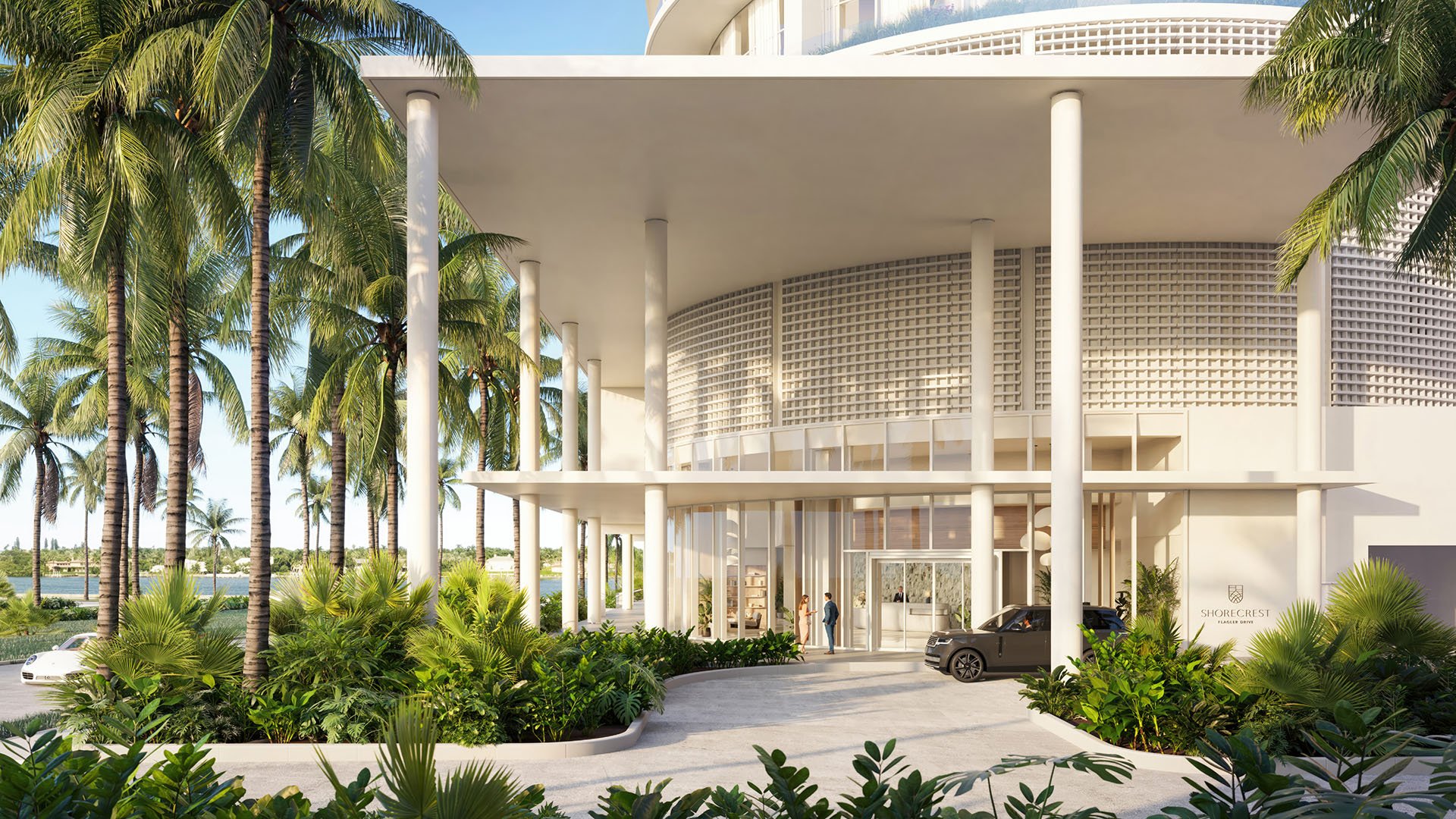
Storm-day comfort begins at the point of entry. A beautiful lobby matters, but a functional arrival experience matters more when conditions are challenging. Look closely at the covered drop-off, guest arrival, valet circulation, garage access, package handling, service entry, and elevator path.
The best questions are direct. Can residents reach the building without unnecessary exposure? Is there a protected transition from car to lobby? Are garage levels easy to navigate? How do guests, drivers, and service providers enter when traffic is constrained? Is the building’s front desk positioned to observe and coordinate arrivals clearly?
Waterfront appeal can be extraordinary, but waterfront ownership should still be evaluated through everyday movement. The most refined building experience is the one that feels intuitive when everyone else is improvising.
In a high-service condominium, elevators are part of daily luxury. On storm days, they become part of the resilience conversation. Buyers should ask how elevator banks are organized, whether service and resident circulation are separated, and how the building communicates any temporary service changes.
Do not stop at the elevator cab. Study stair access, wayfinding, lighting, and the distance from your residence to essential building functions. If you are considering a higher floor, decide honestly whether the view justifies the dependency on vertical systems during an interruption. If you are considering a lower floor, decide whether the access advantages align with your privacy and view expectations.
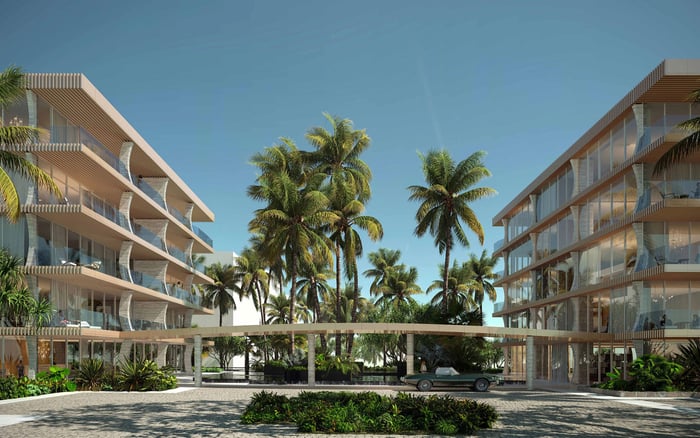
A residence at Shorecrest Flagler Drive West Palm Beach may be evaluated differently from a larger tower format, not because one is automatically superior, but because each building type creates a different storm-day rhythm. The strongest purchase decision comes from matching that rhythm to your life.
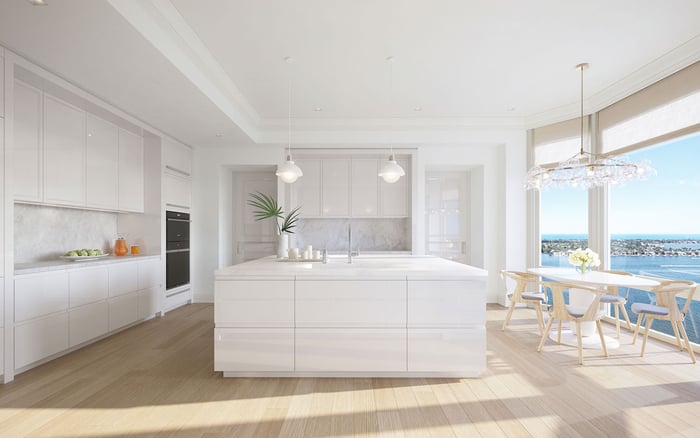
Storm-day livability is also an interior planning question. Buyers should evaluate where they would actually spend time if outdoor terraces, pool decks, or open-air amenities are temporarily less usable. A gracious living room, well-scaled kitchen, quiet den, and flexible guest area become more important when the home must carry the entire day.
Test the plan mentally. Is there space for remote work without occupying the main entertaining area? Can children, guests, or staff occupy separate zones? Does the primary suite feel restful if the day is noisy outside? Is storage adequate for water, pantry items, pet supplies, luggage, and seasonal gear without compromising the design of the home?
New-construction buyers should be especially disciplined here. Newness can be seductive, but the plan still has to function under pressure. Finishes are meaningful; flow is decisive.
Luxury service is not only about what happens on a normal afternoon. It is about whether the building has a calm operating culture when residents need guidance. Buyers should ask how management communicates with owners, how staff coverage is planned, and what resident expectations are during severe weather.
The tone of the answers matters. You are listening for clarity, not theater. A confident building team should be able to explain procedures without overstating certainty. Ask what residents are expected to do before a storm, how updates are shared, how deliveries are handled, and how common areas are secured.
When comparing residences such as Alba West Palm Beach or Mr. C Residences West Palm Beach, buyers should not treat service branding as a substitute for operational detail. The right question is not whether the building feels luxurious on a tour. The right question is whether it feels organized when the day is inconvenient.
The garage is often under-reviewed by luxury buyers. On storm days, it becomes central. Study the garage entry, turning radius, guest parking arrangement, access control, elevator connection, and whether your assigned parking location suits your household. If you use multiple vehicles, drivers, or specialty cars, this review becomes even more important.
Storage deserves the same attention. A beautifully edited residence may still need practical capacity. Consider where you will keep outdoor cushions, terrace accessories, emergency supplies, luggage, sports equipment, pet items, and household maintenance essentials. Storage is not glamorous, but insufficient storage can make a sophisticated residence feel improvised.
Also ask about bicycle rooms, package rooms, private storage areas, and service corridors. These hidden systems separate elegant living from constant negotiation.
The most useful way to evaluate South Flagler is to create scenarios. Imagine arriving during a heavy afternoon storm. Imagine hosting guests when the weather changes. Imagine being away while staff prepares the residence. Imagine a pet needing to go out. Imagine a delivery arriving at the wrong time. Imagine an elevator delay. Imagine losing access to outdoor amenities for a portion of the day.
Then ask which building handles each scenario with the least friction. This is more revealing than asking which building has the most impressive amenity list. Luxury is not the number of features. It is the absence of avoidable stress.
West Palm Beach buyers who approach storm-day livability this way tend to make more confident decisions because they are testing the residence against real life. The goal is not to eliminate every inconvenience. The goal is to choose a home where inconvenience is anticipated, managed, and contained.
Before signing, request written answers to the operational questions that matter most to your household. Ask about backup power, elevator procedures, staff coverage, communication protocols, garage access, window and terrace responsibilities, package handling, pet access, and owner obligations before a storm.
If answers are vague, continue asking. If answers are polished but not specific, continue asking. If a building team can explain the resident experience clearly, that is a strong sign. If the conversation becomes evasive, treat that as meaningful.
A South Flagler purchase should feel serene because the buyer has done the unglamorous work. That is the quiet advantage of serious due diligence.
What is storm-day livability? It is the measure of how comfortably and efficiently a residence functions when weather disrupts ordinary routines.
Is this only about hurricanes? No. It also applies to heavy rain, wind, access delays, service interruptions, and days when outdoor amenities are less usable.
Should buyers prioritize lower floors for storm-day comfort? Not automatically. Lower floors may simplify access, while higher floors may offer views and privacy; the right choice depends on household needs.
What should I ask about elevators? Ask how resident and service elevators are organized, how updates are communicated, and what procedures apply during interruptions.
Why does garage design matter? Garage access affects arrivals, deliveries, guests, pets, and staff movement when outside conditions are less convenient.
How important is storage? Very important. Adequate storage helps keep supplies, terrace items, luggage, and seasonal gear from disrupting the residence.
Should I review storm procedures before contract? Yes. Buyers should understand owner responsibilities, communication protocols, and building expectations before committing.
Do amenities matter on storm days? They matter if they remain usable and accessible, but the residence itself should be comfortable even when outdoor spaces are limited.
How should seasonal owners evaluate this issue? Seasonal owners should focus on staff access, remote communication, residence preparation, and management clarity when they are away.
What is the ultimate test? Walk the building as if the weather were difficult and ask whether the experience still feels calm, private, and well managed.
To compare the best-fit options with clarity, connect with MILLION.
If branded residences are on your mind — as a home or as an allocation — we would be glad to share what we are seeing, privately.
Begin a quiet conversation