An editorial guide to how international buyers evaluate South Florida residences, weighing the emotional pull of deep terraces against the practical value of refined, climate-controlled interiors.
For international buyers in South Florida, the choice between a deep terrace and a climate-controlled interior is rarely a simple preference. It is a question of how the residence will actually be lived in. Is it a winter base for a family arriving from Europe or Latin America? A lock-and-leave pied-à-terre for frequent travel? A full-time home where design, privacy, and daily comfort must perform without compromise?
The terrace has obvious romance. It is the image many buyers carry first: dinner outside, sunrise over the water, an evening breeze moving through a space that is neither fully inside nor fully outside. Yet the interior is where most of the residence’s long-term value is felt. Lighting, acoustics, air quality, kitchen planning, storage, bedroom separation, and material durability quietly determine whether a home feels effortless or merely photogenic.
The most sophisticated buyers do not choose one over the other. They ask whether the terrace has enough depth to be usable, whether the interior can remain calm through heat and humidity, and whether the plan allows both environments to work together. In that sense, the debate is not terrace versus interior. It is lifestyle theatre versus lifestyle infrastructure.
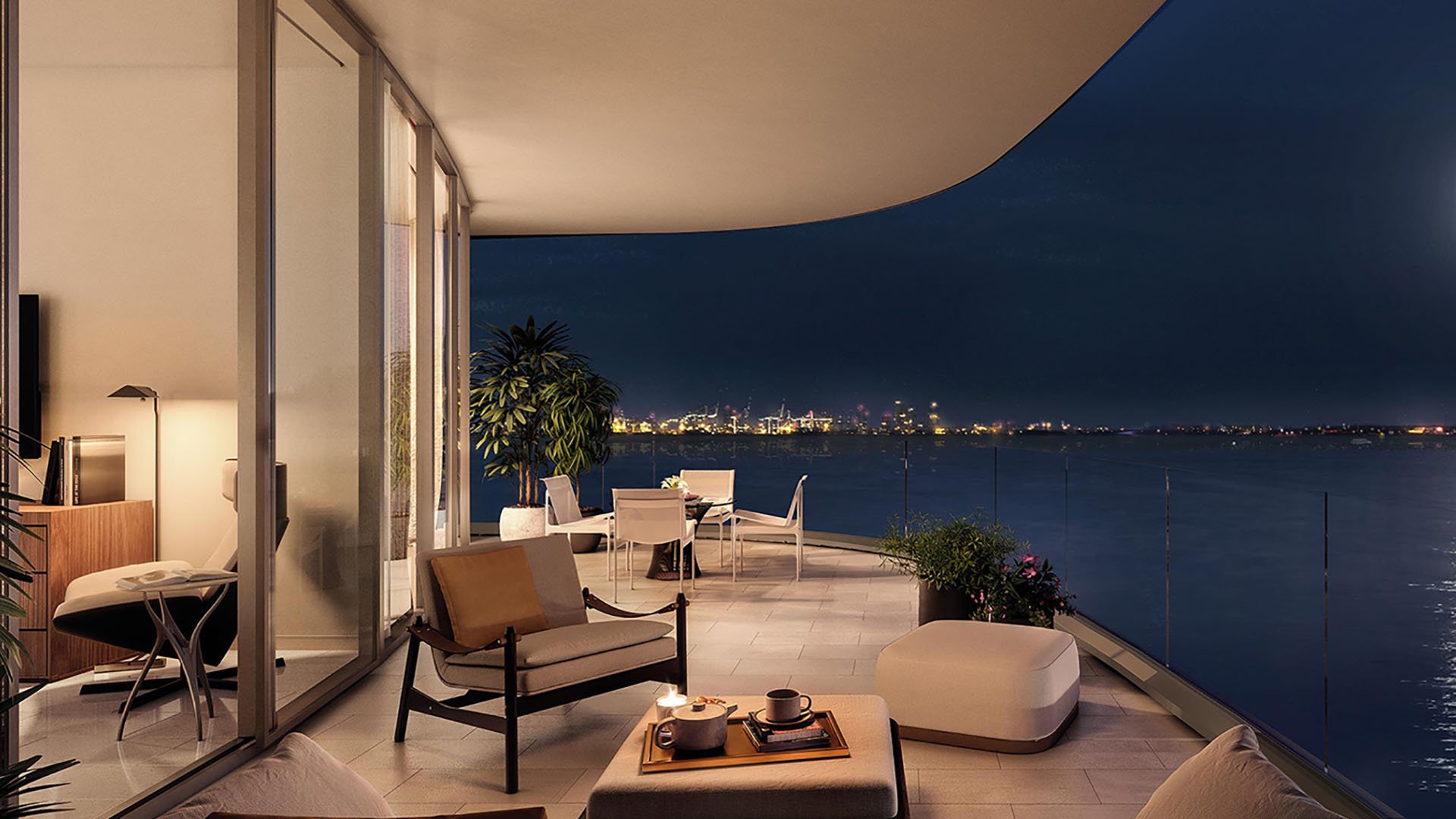
A deep terrace matters when it behaves like a real room. A narrow ledge may photograph well, but it rarely changes the way a buyer lives. A proper outdoor space can hold a dining table, lounge seating, planting, and circulation without forcing every moment into a single arrangement. It gives an international owner the feeling of arrival: South Florida not simply as a destination, but as a private atmosphere.
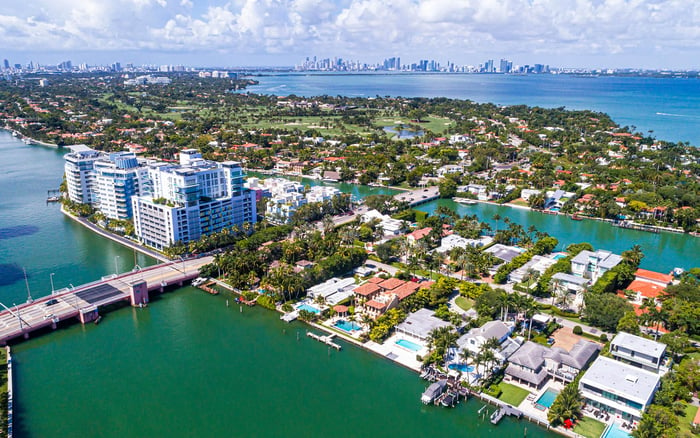
For buyers considering Miami Beach, the outdoor room can be particularly persuasive because the setting is part of the purchase logic. A residence near sand, culture, and resort-style leisure gains power when the plan allows that environment to be experienced privately. Projects such as 57 Ocean Miami Beach speak to a buyer who wants the architecture of daily life to remain connected to the coast, rather than sealed away from it.
Privacy is essential. International buyers often arrive with a refined understanding of discretion. A terrace that is too exposed, too loud, or too close to neighboring sightlines can quickly lose its appeal. Depth alone is not enough. The best terraces create a sense of enclosure without sacrificing openness, allowing an owner to entertain, read, dine, or simply step outside without feeling on display.
Climate-controlled interiors become decisive when a buyer expects to spend significant time in the residence. South Florida’s outdoor lifestyle is seductive, but daily life requires composure. The home must feel cool without feeling sterile, bright without glare, open without echo, and glamorous without becoming demanding.
In Brickell, this interior discipline is especially important. The neighborhood attracts buyers who may move between business, dining, travel, and private entertaining in the same day. A terrace can offer release, but the interior must carry the rhythm. At The Residences at 1428 Brickell, the buyer conversation naturally turns to how a vertical urban residence can feel serene, controlled, and polished while remaining connected to the energy of the city.
For many international clients, the most important luxury is not spectacle. It is predictability. They want to arrive after a flight and find the home ready, balanced, and intuitive. That means well-proportioned rooms, clear circulation, effective separation between social and private zones, and finishes that can tolerate real use. A beautiful terrace may win the first showing. A superb interior wins the second season.
A seasonal buyer may privilege the terrace more heavily. If the residence is used during the most desirable months, outdoor living becomes part of the emotional return. Breakfast outside, informal cocktails, and long afternoons with open sliders can define the experience. In this case, the balcony must be more than symbolic, and the terrace must be planned as a functional extension of the living area.
A full-time resident may place more weight on interiors. Long stays reveal details that short visits miss: the quality of closet space, the comfort of bedrooms during the hottest part of the day, the usefulness of a den, and the ability to host without disrupting family life. Climate control is not only mechanical. It is spatial, acoustic, visual, and emotional.
The investor-owner thinks differently again. For this buyer, versatility matters. A residence should appeal to future users with different habits, nationalities, and household structures. Overly specific outdoor spaces may feel personal. Poorly designed interiors can feel permanent. The strongest plan lets the next owner imagine both: a private outdoor lifestyle and an interior that works in every season.
Waterfront living has always been central to South Florida’s appeal, but buyers have become more exacting about how the water is framed and used. A view is no longer enough. The residence must make the view livable, not ornamental. That means considering heat, wind, furniture placement, threshold design, and whether the main living room feels improved by the terrace rather than interrupted by it.
Sunny Isles Beach is one market where the exterior experience can still carry extraordinary emotional weight, particularly for buyers who want elevation, water, and a resort sensibility. A project such as St. Regis® Residences Sunny Isles enters the discussion as part of a broader question: does the residence make outdoor living feel natural enough to use, and refined enough to repeat?
At the same time, buyers are more aware that glass and water do not automatically equal comfort. A room with dramatic outlooks still needs restraint. The finest interiors soften brightness, organize furniture around real conversation, and preserve a sense of calm even when the exterior setting is visually powerful.
The most compelling South Florida residences are neither indoor homes with decorative terraces nor outdoor homes with secondary interiors. They are continuous environments. Flooring, ceiling heights, door systems, lighting, and furniture planning make the transition feel intentional. The terrace reads as part of the architecture, while the interior retains its independence and control.
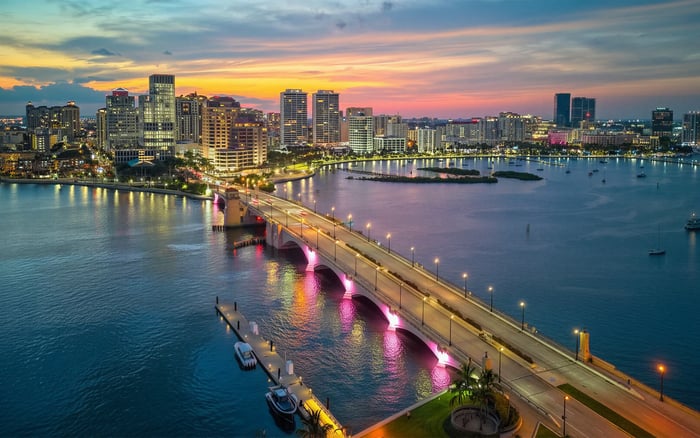
This is why Coconut Grove, Coral Gables, and West Palm Beach can appeal to buyers who want a softer rhythm than the classic high-rise coastline. In West Palm Beach, for example, Alba West Palm Beach can be considered within a lifestyle conversation that prioritizes calm, access, and interior ease as much as outdoor glamour.
International buyers often respond to this balance because it mirrors how they live across multiple homes. A London townhouse, a Monaco apartment, a São Paulo penthouse, and a South Florida residence may each serve a different role. The South Florida home should not merely replicate another urban property. It should deliver openness, light, air, and resort emotion while maintaining the comfort standards expected of a primary residence.
The smartest walk-through begins with behavior, not finishes. Where would coffee happen? Where would a family dinner happen? Could guests move outside without crossing private bedroom zones? Does the terrace have enough depth for furniture that will actually be used? Does the living room still work when the doors are closed?
Then comes the interior test. Stand in the main room and imagine a full day indoors. Consider glare, privacy, ceiling feel, kitchen adjacency, media placement, and how the bedrooms are buffered from entertaining areas. Climate-controlled interiors matter most when they disappear into the background. If the residence constantly asks the owner to manage light, sound, temperature, or layout, it is not truly effortless.
In Miami Beach, The Perigon Miami Beach illustrates the kind of buyer conversation that now defines the upper tier: not just what can be seen from the residence, but how the residence composes daily life around that setting.
If forced to choose, most disciplined buyers should prioritize the climate-controlled interior, then demand a terrace that is genuinely usable. The interior is the foundation of ownership. It determines comfort, longevity, resale breadth, and the ability to live well beyond the postcard moment.
But in South Florida, a residence without meaningful outdoor space can feel incomplete, particularly for an international buyer whose decision is partly emotional. The terrace is the dream. The interior is the reason the dream remains comfortable, season after season.
The ideal answer is not maximal outdoor space or sealed perfection. It is proportion. A deep terrace should extend the life of the home, not compensate for weak planning. A refined interior should protect comfort, not deny the climate. When both are resolved, the residence feels unmistakably South Floridian and internationally legible.
Do international buyers usually prefer deep terraces in South Florida? Many are drawn to deep terraces, but the preference depends on how often they will use the home and during which seasons.
Are climate-controlled interiors more important for full-time residents? Yes. Longer stays make interior comfort, layout, acoustics, and temperature control more important than a purely visual outdoor feature.
What makes a terrace truly valuable? A valuable terrace has usable depth, privacy, shade potential, and a natural connection to the main living areas.
Can a small balcony still matter? Yes, if it captures light, air, and a meaningful view, although it will not replace the lifestyle value of a deeper outdoor room.
Is Brickell more interior-focused than coastal areas? Often, yes. Brickell buyers tend to weigh interior efficiency, privacy, and daily convenience alongside any outdoor space.
Does Miami Beach make terraces more important? Miami Beach can elevate the importance of outdoor living because the setting is a major part of the ownership experience.
How should buyers compare two similar residences? They should test how each home functions with doors both open and closed, then compare privacy, furniture planning, and comfort.
Is waterfront exposure always better? Not automatically. The view must be balanced with glare control, privacy, wind comfort, and livable interior proportions.
Why does Sunny Isles Beach appeal to terrace-focused buyers? Sunny Isles Beach often attracts buyers who value elevation, water outlooks, and a strong indoor-outdoor resort sensibility.
What is the safest priority for resale? A well-planned, climate-controlled interior with a genuinely usable terrace usually has broader long-term appeal.
If you'd like a private walkthrough and a curated shortlist, connect with MILLION.
If branded residences are on your mind — as a home or as an allocation — we would be glad to share what we are seeing, privately.
Begin a quiet conversation