A unit-level framework for evaluating One Park Tower by Turnberry North Miami when terrace usability across South Florida’s seasons is a leading purchase priority.
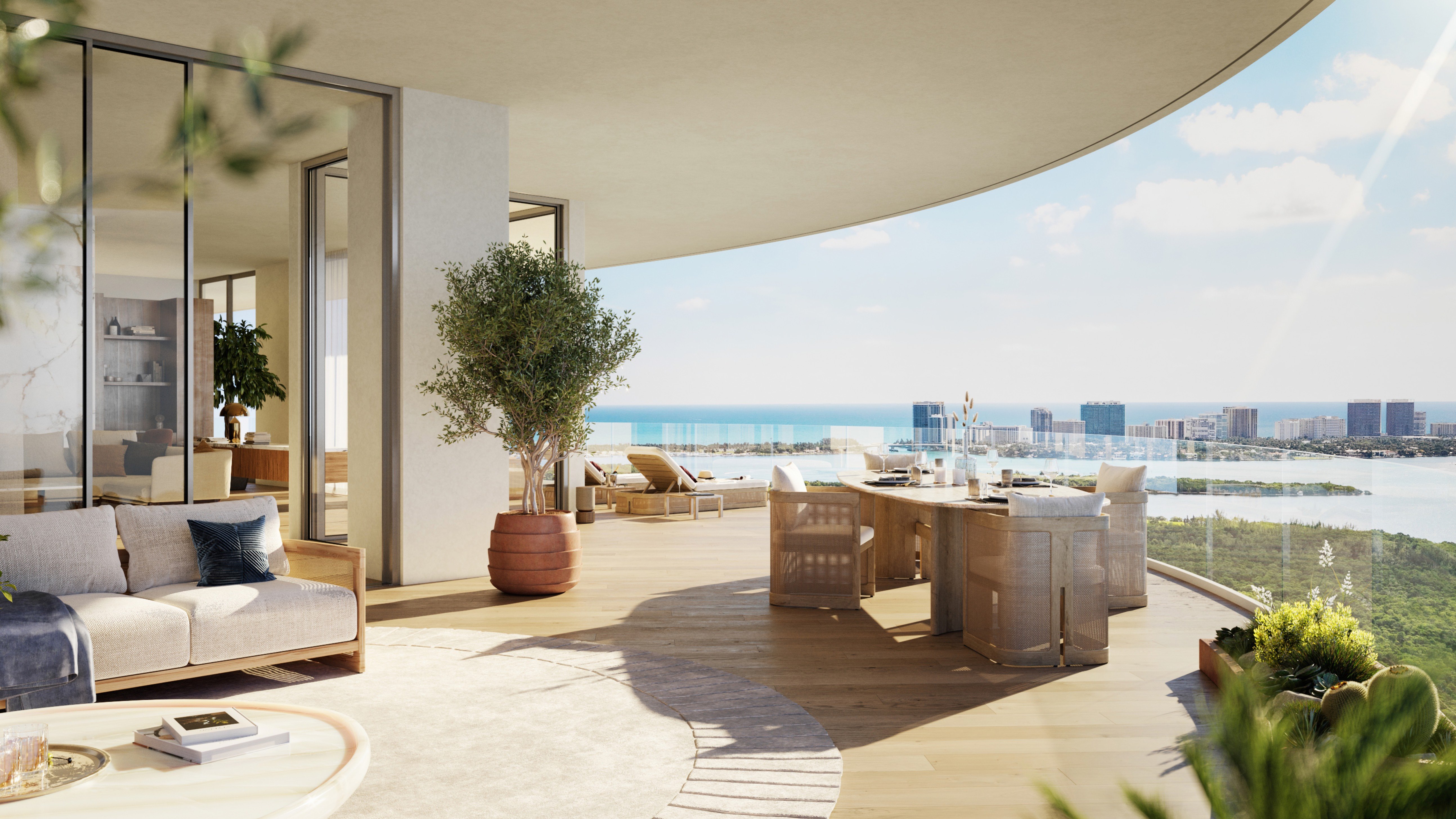
For a South Florida buyer who expects to spend meaningful time outdoors, a terrace should be evaluated as part of the residence rather than as a separate amenity. One Park Tower by Turnberry North Miami belongs in that conversation because it gives buyers a North Miami option to examine through a terrace-first lens.
The review should begin with function. Confirm how the terrace connects to the main living areas, whether the threshold feels convenient and how furniture would affect movement. A stated outdoor-area measurement is less informative than a scaled plan showing the shape of the space, its access points and the portions that can accommodate the buyer’s intended routine.
A useful test is to map specific activities onto the plan. Dining requires different proportions from lounge seating, while a quiet reading area may depend more on privacy and shelter. Buyers should also consider whether opening doors interrupts the interior furniture plan or creates an awkward path through the residence.
South Florida conditions make exposure a central part of terrace analysis. Sun angles shift, rain can arrive with wind and comfort may change by time of day. Any conclusion about usability therefore needs to be tied to a particular residence, orientation and elevation rather than applied automatically across an entire building.
Cover should be studied from several directions. An overhead element may help in some conditions without preventing low-angle sun or wind-driven rain from entering at the sides. Buyers should review both overhead and lateral exposure, then consider how the terrace might perform during the hours when they are most likely to use it.
Wind also deserves direct attention. Conditions can differ by floor, orientation and surrounding context. A terrace that feels comfortable during one visit may behave differently at another time, so repeated observations can provide a more balanced impression than a single showing.
Terrace quality is not determined by size alone. Orientation influences light and heat, while elevation can affect openness, privacy and wind. The best combination depends on the buyer’s priorities: morning use, evening entertaining, shade, an expansive outlook or a closer visual relationship with the surroundings.
Privacy should be reviewed at short range as well as across the wider view. Buyers can examine sightlines from neighboring outdoor areas, the angle between adjacent residences and visibility from the interior when terrace doors are open. Potential changes in the surrounding area should be addressed through current project materials and professional due diligence rather than assumptions.
The interior view matters too. A terrace can contribute value even when it is not occupied if it supports light, sightlines and a stronger indoor-outdoor relationship. That benefit should still be weighed against practical questions such as furniture placement, maintenance and exposure.
A useful shortlist compares individual residences under the same criteria. Buyers considering other Miami-Dade options may examine Aria Reserve Miami and 2200 Brickell. Farther north within the county, Bentley Residences Sunny Isles and Avenia Aventura can broaden the residential comparison.
These projects should not be treated as interchangeable. Their role in the shortlist is to give buyers additional residences to assess with one consistent method. For each candidate, record terrace shape, usable dimensions, covered and uncovered portions, door placement, orientation, elevation, privacy and the relationship between indoor and outdoor areas.
The comparison should remain unit-specific. Two residences within the same project can produce different experiences because of their layouts and positions. A buyer should therefore avoid ranking buildings solely through broad marketing descriptions or total outdoor-area figures.
Begin indoors and follow the route that would be used in daily life. Note whether access is direct, whether doors conflict with furniture and whether the terrace visually extends the principal living space. Then step outside and identify realistic zones for seating, dining and circulation.
Next, inspect exposure. Look above and to both sides, observe current sun and wind conditions and ask how those conditions may change at other hours or during different seasons. If terrace use is a decisive purchase factor, revisit at another time when possible and review the applicable plans and specifications.
Finally, separate atmosphere from utility. An appealing outlook may be important, but regular use also depends on proportions, access, privacy and comfort. One Park Tower can remain on the shortlist while buyers verify those factors for the exact residence under consideration.
Why use a terrace-first approach at One Park Tower? It keeps the analysis focused on how the outdoor area would support the buyer’s actual routine rather than on a balcony label alone.
What should buyers measure on a terrace? Review usable dimensions, shape, covered and uncovered portions, access points and the space left for circulation after furniture is placed.
Why is orientation important? Orientation can affect light, heat, shade and the hours when a terrace feels most suitable for its intended use.
Does overhead cover guarantee protection from rain? No. Side exposure and wind direction can influence how much rain reaches an outdoor area.
Are higher terraces automatically more usable? No. Elevation can change outlook, privacy and wind exposure, so the preferred floor depends on the individual buyer.
How should privacy be evaluated? Check sightlines from nearby residences and outdoor areas, including visibility into the interior when terrace doors are open.
Should a buyer rely on the total outdoor-area figure? No. The shape of the space, access, cover and circulation can matter as much as the headline measurement.
Why visit a residence at different times? Multiple visits can reveal changes in sun, shade and wind that may not be apparent during one showing.
How should One Park Tower be compared with other projects? Apply the same unit-level checklist to every candidate and avoid drawing conclusions from project-wide descriptions alone.
What should happen before a final terrace-focused decision? Buyers should verify plans, specifications, exposure and residence-specific conditions through current materials and appropriate professional guidance.
To compare the best-fit options with clarity, connect with MILLION.
If branded residences are on your mind — as a home or as an allocation — we would be glad to share what we are seeing, privately.
Begin a quiet conversation