A buyer-focused guide for Houston households evaluating Coral Gables and South Florida homes through the lens of private dining, staff circulation, and gracious entertaining.
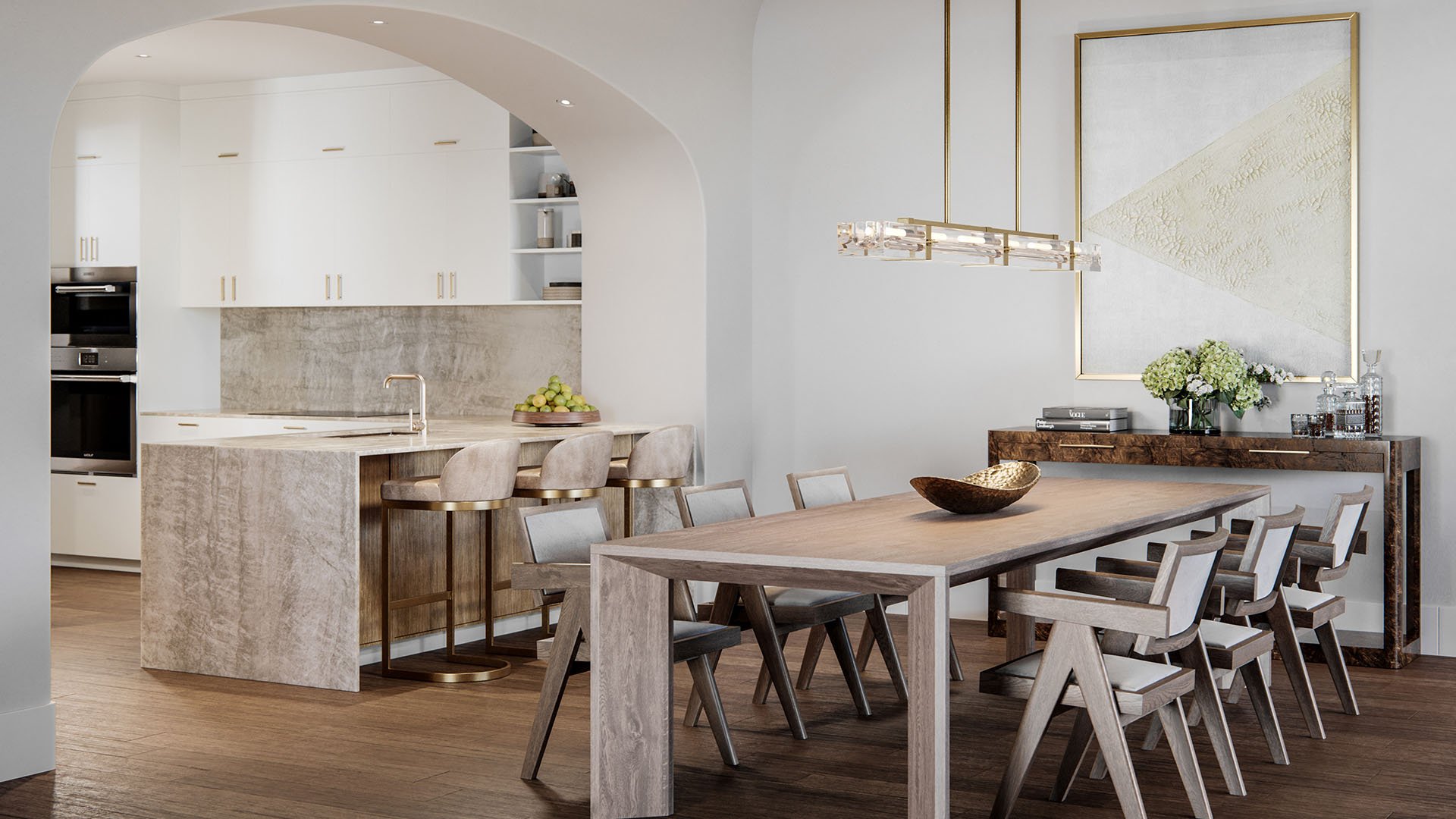
For a Houston buyer considering Coral Gables, the question is rarely whether a home is beautiful enough for dinner. It is whether the property can support the way you actually host. Private dining, wine service, guest arrival, catering access, valet coordination, and the quiet choreography of staff all belong in the residential brief.
South Florida rewards a different kind of entertaining discipline. Outdoor rooms matter, but so do humidity control, covered transitions, kitchen recovery, and privacy from neighboring residences. In a house, that may mean a discreet service drive, a secondary pantry, and guest parking that does not overwhelm the arrival sequence. In a condominium, it may mean understanding elevator reservations, delivery windows, loading access, acoustic rules, and how household staff can work without interrupting the evening.
The stronger approach is to treat entertaining support as a primary search criterion, not a final design layer. A dining room can be furnished. A floor plan with poor service circulation is far harder to correct.
Before comparing Coral Gables, Coconut Grove, Brickell, Boca Raton, or the beaches, define the events that matter most. A monthly seated dinner for twelve has a different residential logic than a family brunch, a donor reception, a chef-led tasting, or a casual open house after golf. Each format places pressure on different parts of the home.
For seated dinners, study the relationship among kitchen, pantry, dining room, terrace, and powder room. For cocktail entertaining, look at how guests circulate without crossing private family areas. For chef-driven evenings, ask where food is staged, where staff park, where deliveries arrive, and how trash exits after service. For multi-generational hosting, consider whether older guests can move easily between arrival, living areas, dining, and outdoor space.
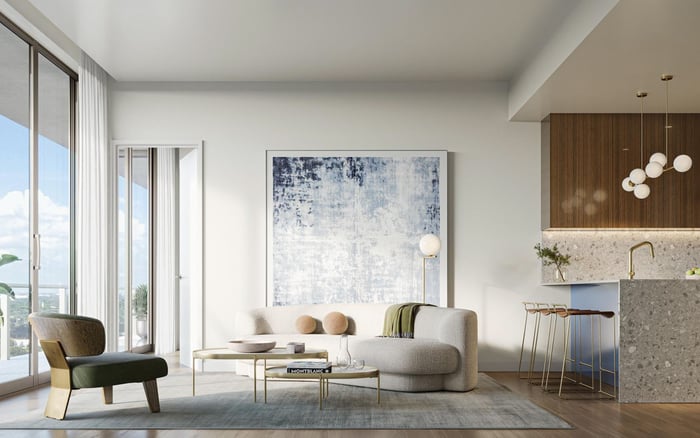
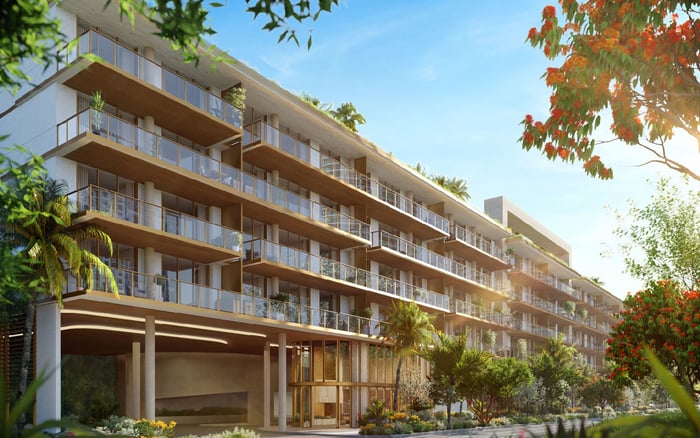
In Coral Gables, buyers often gravitate toward residential calm and architectural character. When evaluating The Village at Coral Gables and Ponce Park Coral Gables, the useful question is not simply what the residence looks like in daylight. Ask how it performs at 9 p.m., with guests seated, service underway, cars arriving, and the host still able to remain present.
The most successful entertaining homes separate guest experience from operational movement. That does not require a theatrical mansion. It requires a plan that allows flowers, food, wine, ice, linens, equipment, and staff to enter without announcing themselves.
In a single-family setting, look for a logical back-of-house path. A catering team should be able to unload without crossing the front door. Staff should have a place to stage coats, cases, trays, and service items. If the home has outdoor dining, confirm that the path from kitchen to terrace is protected enough for rain, wind, and heat. If valet is part of the evening, understand where cars will queue and whether neighborhood circulation supports it.
For Estates & Single-Family buyers, privacy is also operational. A large dining room loses its elegance if guests see delivery vehicles, staff movement, or cleanup. The best layouts make service feel inevitable and invisible.
Houston buyers are often accustomed to homes that can absorb large-scale hospitality. In South Florida, that expectation should be translated into climate-aware, space-efficient planning. A show kitchen may be beautiful, but the true test is whether there is a secondary zone for prep, plating, coffee service, wine service, and cleanup.
During a tour, open the doors guests will never see. Is there room for refrigeration beyond daily household use? Can a private chef work while the family kitchen remains calm? Is there a butler pantry or staging counter near the dining room? Where will glassware dry after the last course? Where can staff step away without using the same powder room as guests?
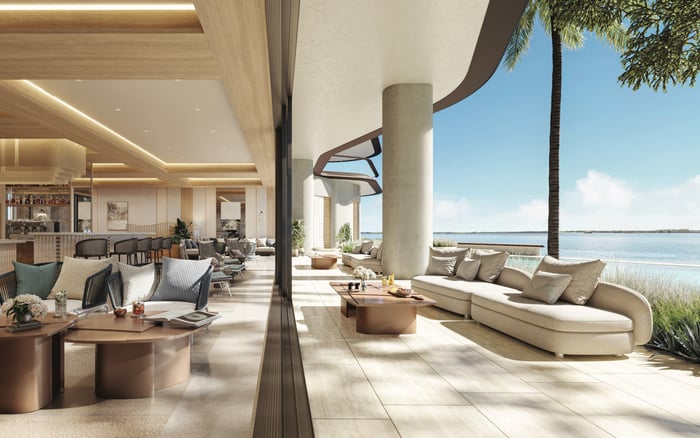
If outdoor entertaining is important, study the terrace as a working room. Shade, fans, lighting, durable flooring, and proximity to water and service storage matter as much as the view. A gorgeous terrace that forces staff through the main living room with every plate will not support a polished evening.
Coral Gables offers a composed residential frame for buyers who want elegance, greenery, and a sense of arrival. Coconut Grove can appeal to those who prefer a more relaxed indoor-outdoor rhythm, with mature landscaping and a village sensibility. Brickell places the dinner party within a more urban context, where private dining may be supported by proximity, convenience, and vertical living. Boca Raton can suit buyers who want a quieter club-oriented cadence or a second-home rhythm.
In Coconut Grove, a residence such as Four Seasons Residences Coconut Grove should be evaluated through the same practical lens: arrival, elevator protocol, service access, and whether the home can host without feeling over-managed. In Brickell, ORA by Casa Tua Brickell belongs in the conversation for buyers who want an urban lifestyle centered on dining culture, while still needing to verify the private mechanics of entertaining at home. Farther north, Alina Residences Boca Raton may appeal to buyers comparing city energy with a more measured Boca Raton pace.
The point is not that one address is universally better. It is that each address changes the operating system of entertaining. A brilliant host chooses the setting that matches the ritual.
A house gives more control over arrivals, outdoor service, parking, pets, music, and late-evening cleanup. It may also require more management, more vendor coordination, and more responsibility for security and maintenance. For buyers who host frequently, that control can be invaluable.
A condominium can offer a refined lock-and-leave lifestyle, but the building’s rules become part of the dining room. Before committing, ask detailed questions about catering deliveries, freight elevator access, staff check-in, insurance requirements for outside vendors, event guest procedures, and the use of shared amenities. The right building can feel effortless. The wrong building can turn a dinner into logistics.
For buyers moving from Houston, this is often the most important mindset shift. Square footage is only one measure of capacity. Operational permission is another.
Walk the home as if the party has already started. Where do guests arrive? Where do flowers enter? Where does the chef stand? Where does the host pour the first drink? Where do children, pets, or overnight family members disappear from the main event without feeling exiled?
Then walk it again as if the evening has ended. Where do plates go? Where is trash held? How does staff exit? Can the home recover by morning? If the answer requires too much improvisation, the property may be visually impressive but functionally underprepared.
The most elegant South Florida entertaining homes are not the loudest. They are the ones where every transition feels considered.
What should Houston buyers prioritize first when choosing a Coral Gables home for entertaining? Prioritize service circulation, dining scale, and guest arrival before finishes. These elements shape how gracefully the home performs during a private event.
Is Coral Gables a good fit for formal private dining? Coral Gables can be a strong fit for buyers seeking a composed residential setting. The key is selecting a floor plan that supports staff movement and privacy.
Can a luxury condominium work for private dinners? Yes, if building procedures align with the way you host. Confirm delivery access, elevator use, guest protocol, and vendor rules before assuming it will function smoothly.
What is the most overlooked entertaining feature? A true staging zone is often overlooked. Without space for plating, glassware, flowers, and service items, even a beautiful dining room can feel strained.
How important is outdoor dining in South Florida? Outdoor dining is important, but it must be practical. Shade, lighting, weather protection, and kitchen proximity determine whether the terrace is usable.
Should buyers choose a house instead of a condo for frequent entertaining? A house usually offers more control, while a condo can offer convenience. The better choice depends on hosting frequency, staff needs, and tolerance for building rules.
How should buyers evaluate parking and valet needs? Consider guest volume, neighborhood circulation, and where cars can queue without disrupting the arrival experience. Parking is part of hospitality, not an afterthought.
What kitchen features matter most for private dining? Look for prep space, refrigeration capacity, pantry storage, wine service, and cleanup zones. The show kitchen should not be the only working kitchen logic.
Does Brickell make sense for buyers focused on entertaining? Brickell can make sense for buyers who want urban energy and convenience. The residence and building rules must still support private service and guest flow.
What is the best way to shortlist comparable options for touring? Start with location fit, delivery status, and daily lifestyle priorities, then compare stacks and elevations to validate views and privacy.
To compare the best-fit options with clarity, connect with MILLION.
If branded residences are on your mind — as a home or as an allocation — we would be glad to share what we are seeing, privately.
Begin a quiet conversation