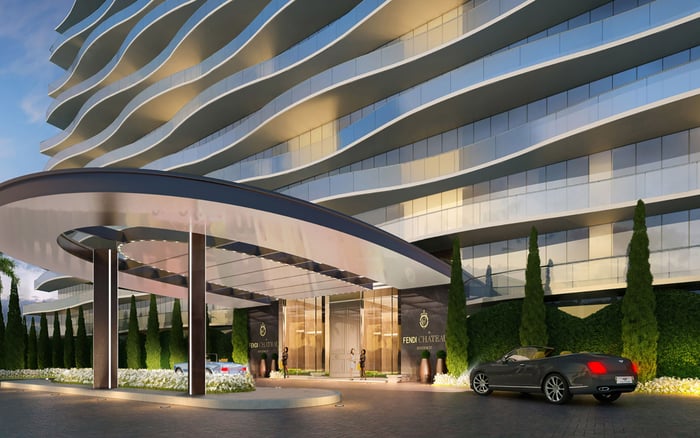
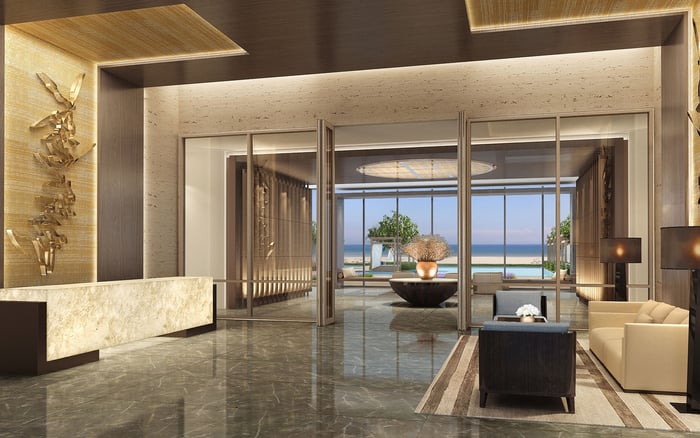
A discreet buyer’s guide to evaluating amenity depth in Surfside condominiums, with emphasis on privacy, governance, staffing, access rules, maintenance obligations, and the difference between meaningful service and resort-style excess.
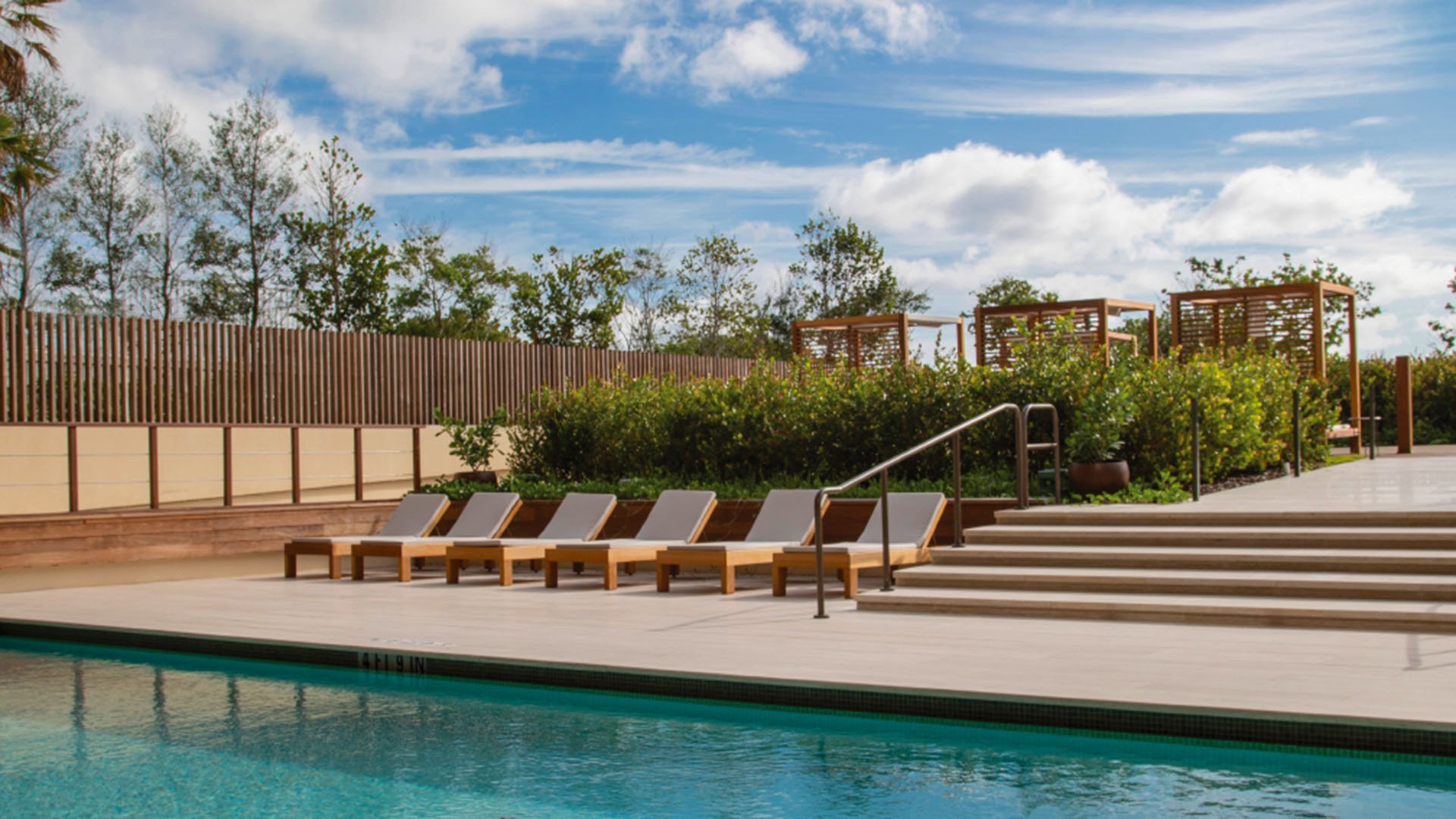
For a Surfside buyer, amenity depth is not simply a matter of how many rooms, pools, lounges, or wellness spaces appear in a presentation. The more refined question is whether those amenities enhance daily life without making the building feel like a resort. In an ultra-premium coastal setting, privacy, predictability, and ease often matter more than theatrical programming.
The best evaluation begins with a clear distinction. A resort feeling is usually created by transient energy, crowded shared spaces, heavy scheduling, and amenities designed to impress occasional visitors. Residential depth feels different. It is quieter, more intuitive, and more closely integrated into the rhythms of ownership. The building supports your life without announcing itself each time you enter the lobby.
That distinction is especially important in Surfside, where buyers often value a residential atmosphere near the ocean. When comparing names such as Arte Surfside, Fendi Château Residences Surfside, or The Delmore Surfside, the task is not to rank them by amenity volume alone. It is to understand how each building’s amenity culture may fit the way you actually intend to live.
A long amenity list can obscure the most important question: which spaces will you use every week? A buyer who trains daily, works from home, entertains discreetly, and travels frequently has a different requirement from a buyer seeking family-friendly gathering areas or a second-home lock-and-leave lifestyle.
Before touring, create a personal hierarchy. Place the essentials at the top: fitness, pool, beach access logistics, private dining, spa or treatment rooms, guest arrival sequence, pet accommodations, package handling, and owner storage. Then separate the desirable from the decorative. If an amenity is beautiful but difficult to reserve, poorly located, or inconsistent with your privacy expectations, it may add little practical value.
This exercise also reveals whether a building offers true depth or simply variety. Depth means the amenity package has layers: daily convenience, wellness, entertaining, service, and quiet retreat. Variety means there are many labeled spaces. The two are not the same.
Marketing language can be elegant, but condominium governing documents determine how amenities are actually used. Buyers should review the declaration, bylaws, rules and regulations, reservation policies, pet rules, guest policies, leasing restrictions, and any owner-use protocols tied to common areas.
The key is to identify friction. Can owners reserve certain spaces privately? Are there limitations on hours, guest counts, vendors, noise, alcohol service, or outside staff? Are amenities shared with any non-residential component, club structure, or separate ownership group? Are family members, guests, tenants, or household staff treated differently for access purposes?
These questions are not meant to diminish a property. They are meant to protect the residential experience you believe you are buying. A building can have excellent amenities and still feel wrong if access rules invite too much traffic or reservation systems create competition among owners.
Amenity depth without a resort feeling depends heavily on design discipline. A quiet building separates arrival, service, recreation, and private residential movement in a way that feels natural. If every path funnels through the same lobby, or if amenities create constant visual exposure, the atmosphere can become more public than expected.
During a tour, observe thresholds. How do residents move from garage or valet to elevator? How do guests reach amenity areas? Where do deliveries, staff, vendors, and service personnel circulate? Does the pool deck feel like an extension of home, or does it feel like a stage? Are wellness spaces tucked away for calm use, or positioned for display?
These spatial cues matter as much as finishes. Buyers evaluating Eighty Seven Park Surfside, Ocean House Surfside, and other Surfside properties should ask how the building protects the everyday resident from unnecessary social exposure. Luxury is often the ability to move through a property unnoticed.
Amenities do not run themselves. The difference between graceful residential service and a resort atmosphere often comes down to staffing philosophy. A deep amenity package requires enough support to keep spaces clean, available, secure, and orderly, but not so much programming that the building begins to feel commercial.
Buyers should ask practical questions. Who manages the amenities day to day? What roles are staffed in-house, and what services are outsourced? How are maintenance requests handled? Are there written service standards? Is staff trained to recognize owners and protect discretion? How are peak periods managed?
The tone of service should be attentive but not intrusive. In a refined condominium, staff presence is felt through readiness, not performance. If every amenity requires a formal interaction, constant booking, or visible supervision, the building may feel less like a private residence and more like a hospitality venue.
Amenity depth has an economic life. Pools, wellness areas, mechanical systems, kitchens, elevators, landscaping, security systems, and staffed spaces require maintenance, replacement planning, insurance consideration, and association oversight. A glamorous amenity can become a burden if the long-term obligations are poorly understood.
Before purchasing, review current budgets, reserve information, maintenance responsibilities, pending projects, insurance allocations, and any history of special assessments available through the proper transaction process. The goal is not to avoid cost. In the luxury segment, strong maintenance is often part of value preservation. The goal is to understand whether costs are aligned with the quality and complexity of the amenities.
A discreet buyer also asks whether each amenity is resilient. Will it remain desirable in five years, or is it trend-driven? Will it age gracefully? Can it be maintained without constant disruption? The deepest amenity programs are not always the largest. They are the ones with durable purpose.
A building’s amenity culture can be difficult to capture in a brochure. Visit at different times if possible. A morning fitness room, late-afternoon pool deck, weekend lobby, and evening arrival sequence may each reveal a different atmosphere. Notice whether the building feels serene, active, family-oriented, formal, casual, or highly social.
There is no universally correct answer. Some buyers want a vibrant owner community. Others want anonymity and calm. The mistake is buying into a building whose social energy conflicts with your own habits. Surfside can appeal to buyers seeking a quieter coastal identity, but each condominium has its own personality.
Pay attention to sound, sightlines, guest movement, and how residents appear to use shared spaces. A building can offer a strong amenity platform and still preserve quiet if programming is restrained, reservations are fair, and common areas are proportioned for the owner population.
Before submitting an offer or moving through contract deadlines, reduce the amenity question to a disciplined checklist. First, identify the five amenities that will affect your life most. Second, review the documents that govern access, reservations, guests, pets, vendors, and leasing. Third, understand the staffing model and management structure. Fourth, examine budgets, reserves, and maintenance obligations with qualified advisors. Fifth, tour the building for privacy, circulation, sound, and actual use patterns.
This approach keeps the focus where it belongs: lived quality. The right Surfside residence should not feel like a resort you occasionally visit. It should feel like a private home with meaningful support around it. In that setting, amenity depth becomes less about abundance and more about composure.
What does amenity depth mean in a Surfside condominium? It means the amenities support daily life across wellness, service, privacy, and convenience, rather than simply offering a long list of spaces.
How can I tell if a building will feel too much like a resort? Study guest access, shared circulation, programming, staffing style, and how busy the common areas feel at different times of day.
Should I rely on the sales brochure to evaluate amenities? No. Use it as an introduction, then verify rules, access rights, staffing practices, budgets, and maintenance obligations through the transaction review process.
Which documents matter most for amenity use? Review the declaration, bylaws, rules and regulations, reservation policies, guest rules, pet rules, and any leasing or access restrictions.
Why are reservation rules important? They determine whether private dining rooms, lounges, wellness spaces, and other amenities are genuinely usable or difficult to secure.
Can a smaller amenity package be more luxurious? Yes. A focused, well-managed amenity program can feel more private and valuable than a larger collection of underused or crowded spaces.
How should I evaluate staffing? Ask who manages each amenity, which services are in-house or outsourced, and whether the service style is discreet, consistent, and residential.
What cost questions should I ask? Review budgets, reserve information, maintenance responsibilities, insurance allocations, and any available assessment history with qualified advisors.
Is social atmosphere part of amenity due diligence? Yes. The same pool, lobby, or lounge can feel very different depending on resident habits, guest rules, and building culture.
How early should I begin amenity due diligence? Begin before contract deadlines so your advisors have time to review documents, costs, and rules that may affect your ownership experience.
For a tailored shortlist and next-step guidance, connect with MILLION.
If branded residences are on your mind — as a home or as an allocation — we would be glad to share what we are seeing, privately.
Begin a quiet conversation