A practical luxury buyer’s guide to testing Miami Beach neighborhoods for weekday livability before committing to a condo, waterfront residence, or second home.
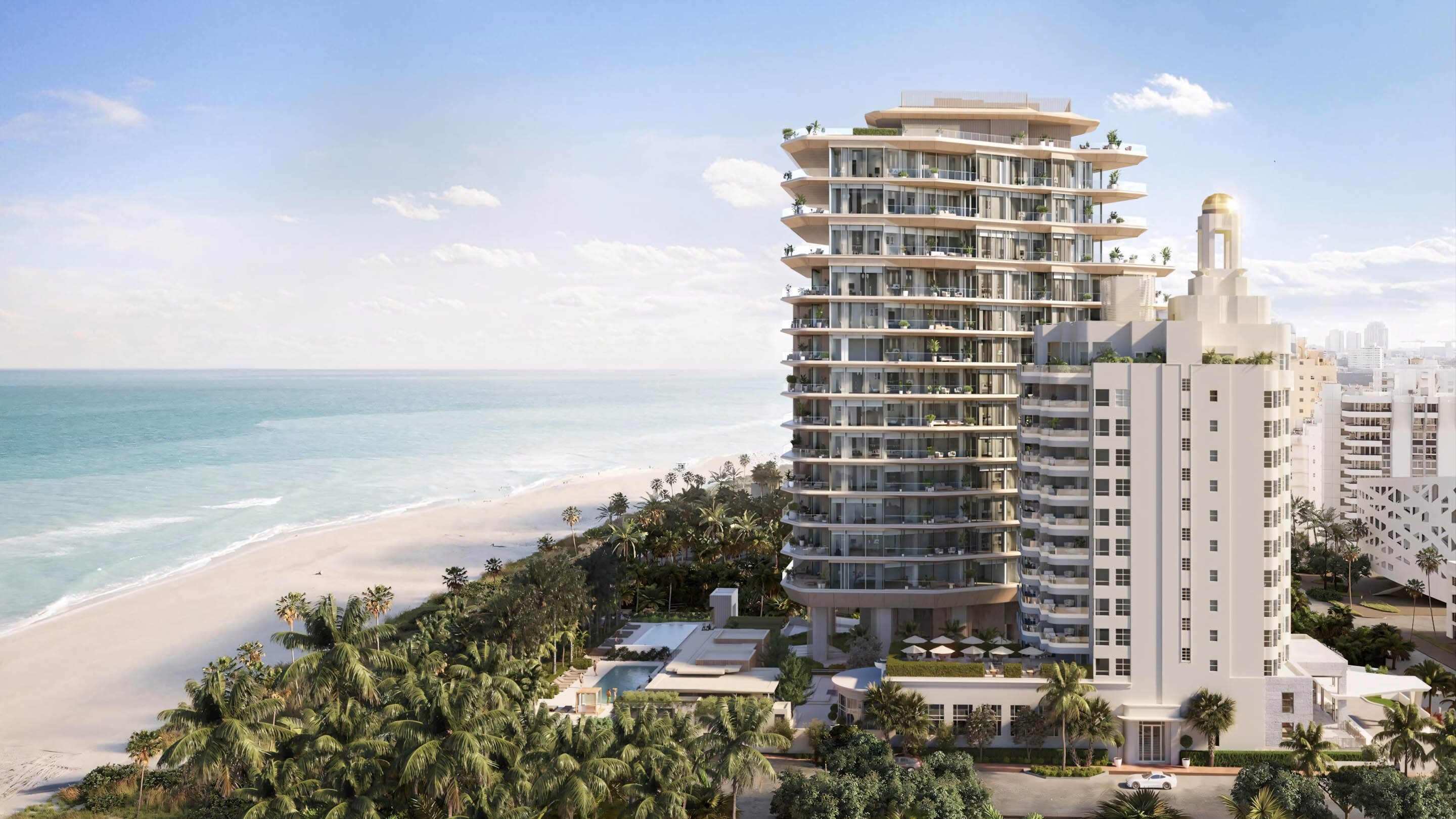
Miami Beach is often judged through its most seductive lens: ocean light, architectural glamour, coveted dinner reservations, and a weekend pace that can make almost any address feel irresistible. For a serious buyer, especially one considering a primary residence or frequently used second home, the more revealing question is simpler: does the neighborhood still work on a Tuesday?
A weekday exposes what a weekend can conceal. It shows how streets move before appointments, how easily a driver can leave the island, how a lobby feels when residents are actively using it, and whether nearby conveniences support a polished daily routine. The best Miami Beach purchase is not only beautiful in photographs. It should feel composed at 8:15 in the morning, practical at noon, and calm after a late return home.
For high-end buyers, the weekday lens is especially important because the comparison is not limited to finishes. It is also a comparison of time, privacy, access, service, and neighborhood rhythm. A residence near the sand, such as 57 Ocean Miami Beach, may appeal for its coastal setting, but the real due diligence is understanding how that setting behaves during normal working days.
Do not rely on a single late-morning showing. A neighborhood can feel serene at 11:00 and materially different during school drop-off, lunch traffic, afternoon deliveries, or the early evening return home. The goal is not to find a place without movement. In Miami Beach, movement is part of the character. The goal is to know whether that movement suits your life.
Schedule at least three visits: one weekday morning, one midday, and one early evening. If you expect to commute, drive the exact route you would use. If you expect to walk, walk the exact blocks from the building to your coffee, fitness, pharmacy, beach path, marina, or restaurant. If you will rely on valet, observe how the arrival court functions when more than one resident is leaving at once.
This is where the distinction between a glamorous address and a livable address becomes visible. A building can have exquisite interiors while its surrounding blocks feel awkward for daily errands. Conversely, a quieter building may become more desirable once you realize that every regular need is close, intuitive, and pleasant to reach.
Luxury buyers often begin with the tower, the floor plan, the views, the amenities, and the brand. Those matter. But the block around the building is the frame of daily life. Study curb cuts, loading zones, guest arrival, dog-walking routes, service entrances, bicycle movement, nearby construction activity, and the way pedestrians use the sidewalks.
A block that works on weekdays usually has a clear sense of order. Cars know where to pause. Residents know where to walk. Deliveries do not overwhelm the entry experience. There is enough separation between the private residential world and the public energy outside.
When considering a highly designed Miami Beach residence such as The Perigon Miami Beach, the surrounding weekday pattern should be weighed alongside the architecture. The question is not simply whether the building is exceptional. It is whether the daily approach to that building feels equally considered.
In Miami Beach, distance is not measured only in miles. A short drive can feel easy at one hour and inefficient at another. Buyers should test the route to the mainland, preferred private clubs, medical appointments, schools, offices, airports, and the neighborhoods where they actually dine and socialize.
If your life is centered on the ocean, you may value immediate beach access over a faster bridge connection. If your workday requires frequent meetings across the bay, you may prefer a location that reduces friction, even if it trades some resort-like atmosphere. Neither answer is universally correct. The right answer is the one that protects your week.
Also test rideshare pickup, guest arrival, and vendor access. A residence can be personally convenient but frustrating for household staff, wellness professionals, florists, stylists, or family visitors. In the luxury market, convenience is often a choreography of many people, not just the owner.
Noise is one of the most underestimated weekday variables. It is also highly specific. One buyer may tolerate restaurant activity but dislike delivery trucks. Another may enjoy an active street but require a silent bedroom. A third may care less about sound and more about privacy at the balcony line.
During weekday visits, pause in the unit without conversation. Open and close balcony doors. Stand in the primary bedroom, kitchen, terrace, and elevator landing. Listen for mechanical systems, traffic flow, building operations, nearby service activity, and hallway sound. If the residence is in pre-construction or new construction, ask how glazing, orientation, amenity placement, and mechanical design are intended to manage daily comfort.
A project with a refined hospitality sensibility, such as Shore Club Private Collections Miami Beach, may attract buyers who value service and atmosphere. Even then, the buyer should understand where energy concentrates during the week and where the residence offers genuine retreat.
Miami Beach has a rare ability to feel like an escape while still being part of a major urban region. That duality is precisely why buyers must separate vacation beauty from residential utility. A neighborhood can be perfect for three nights and imperfect for three years.
Ask yourself what your weekday requires. Do you cook often? Do you need a nearby market? Will you entertain on weeknights? Will children, pets, or older relatives use the sidewalks? Do you prefer a lively lobby or a discreet one? How often will you need secure parking, package handling, beach service, private fitness, or easy access to wellness appointments?
Lifestyle is not a slogan. Lifestyle is whether the neighborhood supports the way your household actually functions. Waterfront views may be emotionally compelling, but waterfront living should also be assessed for arrival sequence, wind exposure, terrace usability, privacy, and the ease of moving from residence to street to shoreline.
The most elegant residence can be diminished by weak operations. During weekday showings, pay attention to the lobby pace, valet communication, elevator wait, package room discipline, staff presence, and the way common areas are maintained when residents are not expecting a presentation.
Ask direct questions about guest protocols, service elevator use, move-in rules, pet policies, amenity hours, beach or pool procedures, and the process for contractors. These details are not glamorous, but they are often where daily luxury is either protected or lost.
For buyers drawn to a branded or highly serviced environment such as The Ritz-Carlton Residences® Miami Beach, the weekday standard should feel seamless, not merely ceremonial. The staff rhythm, privacy culture, and operational clarity should match the price of entry.
Many buyers first experience Miami Beach during its most animated periods. That can be helpful, but it is incomplete. A strong neighborhood should feel desirable beyond the most social weeks of the year. It should offer enough daily substance to remain compelling when the calendar is quieter and enough practicality to function when the calendar is crowded.
Return to the area in different weather conditions if possible. Observe shade, drainage impressions, outdoor comfort, and the ease of entering the building when conditions are less than ideal. You are not only buying the postcard day. You are buying the ordinary day, the busy day, and the inconvenient day.
Before committing, create a private scorecard with categories that matter to your household: access, privacy, noise, walking comfort, errands, building operations, guest arrival, pet experience, beach routine, parking, dining, wellness, and long-term emotional fit. Rate each category after actual weekday visits, not memory or marketing.
Then compare that scorecard with the residence itself. The strongest purchase is where the unit, the building, and the neighborhood all support the same life. If one element is extraordinary but another creates daily resistance, acknowledge it before contract, not after closing.
Miami Beach rewards buyers who look carefully. The most successful address is not always the loudest or most famous. It is the one that feels gracious when life is normal.
Why should I visit a Miami Beach neighborhood on a weekday? Weekdays reveal traffic patterns, building operations, service activity, and daily convenience more clearly than weekend showings.
How many times should I visit before buying? Visit at least in the morning, midday, and early evening so you can compare how the area changes through a normal day.
Should I prioritize beach proximity or mainland access? Prioritize the one that supports your actual routine. The best choice depends on how often you commute, host, travel, and use the shoreline.
What should I listen for inside the residence? Listen for traffic, hallway noise, mechanical systems, service activity, and how much sound changes when balcony doors are open or closed.
Is a quiet block always better? Not necessarily. Some buyers prefer energy and convenience, while others value discretion, so the right block should match your habits.
How do I evaluate walkability in Miami Beach? Walk your real routes to coffee, fitness, dining, errands, beach access, and parking rather than relying on a general impression.
What building operations matter most on weekdays? Valet, elevators, package handling, guest protocol, service access, maintenance, and staff responsiveness all affect daily luxury.
Should second-home buyers still do weekday testing? Yes. A second home used often should function smoothly beyond vacations, holidays, and peak social weekends.
How should I compare two Miami Beach buildings? Compare not only floor plans and amenities, but also arrival experience, neighborhood rhythm, privacy, and daily errands.
What is the clearest sign a neighborhood works well? It feels easy during ordinary tasks, not only impressive during a curated showing.
To compare the best-fit options with clarity, connect with MILLION.
If branded residences are on your mind — as a home or as an allocation — we would be glad to share what we are seeing, privately.
Begin a quiet conversation